
Main Courses
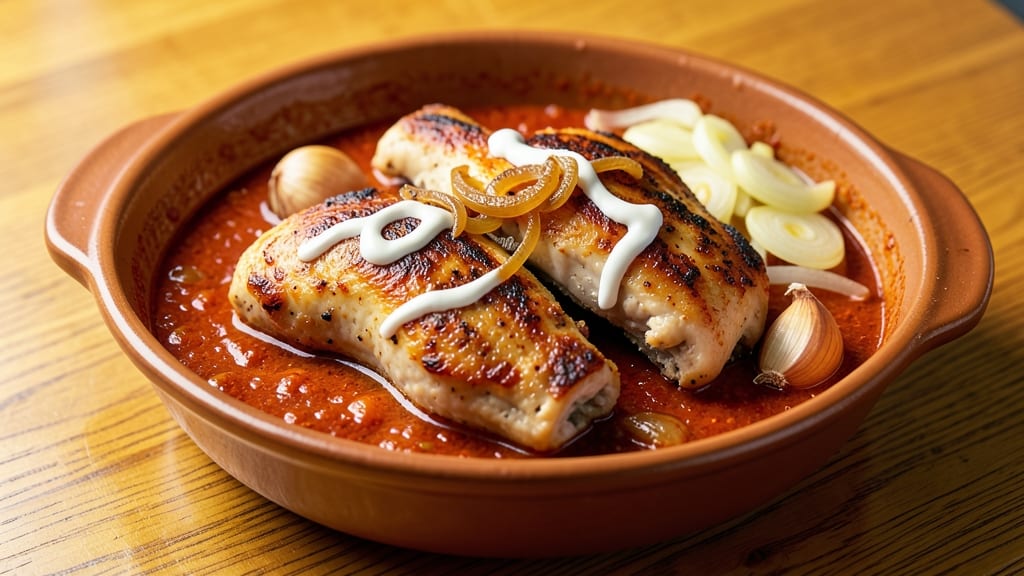
This authentic Hungarian Chicken Paprikash recipe brings the heart of Central European cuisine to your kitchen with its signature smoky paprika and velvety sour cream.
Growing up, my grandmother would simmer this dish for hours, letting the flavors meld into something deeply comforting—now I’ve refined her method into a version that delivers restaurant-quality results without requiring all day in the kitchen.
The secret lies in the slow braising process, where chicken thighs develop tender perfection while absorbing the rich, earthy flavors of sweet and hot paprika.
Unlike many modern adaptations, this recipe stays true to tradition by using a proper Hungarian paprika blend—not just any spice—and balancing it with just enough sour cream to create that signature creamy texture without overpowering the dish.
By the time you serve this, your kitchen will smell like home, and every bite will deliver that perfect harmony of smoky, slightly sweet paprika and cool, tangy sour cream.
The dish pairs beautifully with bread dumplings or crusty bread, making it ideal for family dinners or special occasions. Let’s bring this classic to life.
While traditional recipes call for hours of simmering, I’ve included a few modern shortcuts—like using a pressure cooker—that cut time without sacrificing authenticity. The result is a dish that feels both nostalgic and fresh, just like my grandmother would want.
Ingredients for authentic hungarian chicken paprikash
Pantry staples meet authentic Hungarian flavors in this comforting classic.
| Ingredient | Amount | Notes |
|---|---|---|
| Chicken Thighs, Bone-In 🍗 | 1 ½ lb | Skin-on preferred for flavor |
| Hungarian Sweet Paprika 🌶️ | 2 tbsp | Use authentic blend, not regular paprika |
| Hungarian Hot Paprika 🌶️ | 1 tbsp | Balances sweetness with heat |
| Sour Cream 🥛 | ½ cup | Full-fat for authentic texture |
| Yellow Onion 🧅 | 1 whole | Finely chopped, about 1 cup |
| Garlic Cloves 🧄 | 4 cloves | Minced for aromatic base |
| Tomato Paste 🍅 | 2 tbsp | High-quality, no sugar added |
| Chicken Broth 💧 | 1 ½ cups | Homemade preferred, low-sodium |
| Fresh Thyme 🌿 | ¼ cup | Leaves only, chopped finely |
| Bay Leaves 🍃 | 2 whole | Dried, for subtle depth |
| Black Peppercorns 🌶️ | ½ tsp | Freshly cracked for intensity |
| Salt 🧂 | 1 ½ tsp | Diamond Crystal preferred |
| Extra-Virgin Olive Oil 🫒 | 2 tbsp | For searing chicken |
| All-Purpose Flour 🌾 | 1 tbsp | For dredging chicken |
| Fresh Parsley 🌿 | ⅛ cup | Chopped, for garnish |
The paprika is non-negotiable—Hungarian brands like PaprikaKő or Bolyai deliver that signature smoky depth. Most grocery stores carry the sweet variety, but for authenticity, hunt down both sweet and hot paprika blends at World Market or specialty European markets. The chicken thighs should have a good layer of fat (skin-on) for moisture and flavor. If you can't find bone-in, use bone-in chicken breasts as a substitute, but trim excess fat. My grandmother always swore by fresh thyme from the market—the dried stuff works, but it lacks that bright herbal note. For the broth, homemade is ideal, but low-sodium store-bought saves time without sacrificing flavor.
No Hungarian paprika? Smoked paprika plus a pinch of cayenne gets you close, but it won't be the same. Short on sour cream? Greek yogurt at half the amount adds tanginess, though the texture won't be identical. The tomato paste can be skipped entirely if you dislike its intensity, but it adds a subtle sweetness that rounds out the dish. Fresh herbs are ideal, but dried thyme at one-third the amount works in a pinch. For the flour, all-purpose is fine, but bread flour gives a slightly richer crust. The olive oil should be fruity and peppery—California extra-virgin brands like Corto or Otto are my go-tos.
This dish tastes even better the next day as the flavors meld. Store leftovers in an airtight container in the fridge for up to 4 days. For longer storage, freeze portions for 3 months. I always make a double batch—one for dinner, one for lunches. The paprika blend keeps indefinitely in a cool, dark place, so buy extra if you love this recipe. Garnish with fresh parsley just before serving to brighten the dish and impress your guests.
Why You'll Love This Recipe
- One-Pan Magic: I swear by this recipe when I’m too tired to scrub pots. Bone-in thighs brown beautifully in the same skillet where the paprika sauce thickens—no extra dishes, no stress. Just slice some onions, toss in the chicken, and let the spices do the work while you pour your second cup of coffee.
- Paprika Powerhouse: Honestly, the difference between store-bought paprikash and this is night and day. That deep, smoky-sweet Hungarian paprika—real paprika, not the powdered junk—builds layers of flavor as it simmers. The hot paprika adds a whisper of heat, but the sour cream at the end? Pure, creamy comfort. It’s the kind of dish that makes you want to close your eyes and savor every bite.
- Leftovers That Don’t Suck: Between us, most paprikash leftovers turn into sad, watery soup. Not this one. The rich, thick sauce clings to the chicken even after reheating, and it’s still delicious the next day. I freeze half the batch—perfect for lazy nights when I just want to dump it into a pot and walk away.
- Budget Dinner Hero: Bone-in chicken thighs are forgiving and cheap, and onions? Always on sale. A single jar of Hungarian paprika (which lasts forever) transforms this into a weekly staple. It’s the kind of meal that feeds a crowd for under $15 but still feels like you slaved over it—because the aroma alone makes the kitchen feel like home.
Step-by-step instructions for authentic Hungarian chicken paprikash
Here's how to create this iconic Hungarian dish with rich, smoky depth and velvety sour cream finish.
Sear the Chicken for Maximum Flavor
Pat the 1.5 lb chicken thighs dry with paper towels - this ensures a proper sear. Heat 2 tbsp extra-virgin olive oil in a heavy Dutch oven over medium-high heat until shimmering. Working in batches if needed, add the chicken thighs skin-side down and cook undisturbed for 5-6 minutes until the skin is golden brown and crispy.
Flip the chicken and cook for another 3-4 minutes until the meat reaches 165°F internally. The skin should be deeply browned with crisp edges, while the meat remains juicy. Remove the chicken and set aside on a plate, leaving any rendered fat in the pot - this is pure flavor we'll use later. Here's the thing - don't overcrowd the pan or you'll steam instead of sear the chicken.
Build the Paprika Base
Reduce heat to medium and add the finely chopped 1 whole yellow onion to the Dutch oven. Cook for 5-6 minutes until softened and translucent. Add the 4 minced garlic cloves and cook for 30 seconds until fragrant - you'll smell that aromatic punch developing.
Stir in the 2 tbsp tomato paste and cook for 1 minute until it darkens slightly. This creates a flavorful foundation. Now comes the magic - sprinkle the 2 tbsp Hungarian sweet paprika and 1 tbsp Hungarian hot paprika over the mixture. Stir constantly for 1-2 minutes until the paprika develops its characteristic aroma and the mixture becomes fragrant and slightly oily.
Deglaze and Simmer with Broth
Pour in the 1.5 cups chicken broth, scraping up any browned bits from the bottom of the pot. Add the 2 whole bay leaves, 0.5 tsp freshly cracked black peppercorns, and 1.5 tsp salt. Bring to a gentle simmer, then return the chicken thighs to the pot, skin-side up. Cover and cook for 20 minutes.
After 20 minutes, uncover and continue simmering for another 10-15 minutes until the sauce has thickened slightly and the chicken is tender. You'll notice the sauce developing a rich, deep red color with a velvety consistency. The chicken should be fork-tender with juices running clear when pierced. This is where the authentic Hungarian technique shines - the slow simmer develops that signature depth of flavor.
Finish with Sour Cream and Fresh Herbs
Remove the chicken from the pot and set aside. In a small bowl, whisk together the 0.5 cup sour cream with 1 tbsp all-purpose flour until smooth. This creates a thickening agent that will give our sauce that signature creamy texture. Slowly stir the sour cream mixture into the paprika sauce over medium-low heat, stirring constantly to prevent curdling.
Simmer for 2-3 minutes until the sauce thickens slightly and coats the back of a spoon. Stir in the 0.25 cup chopped fresh thyme and 0.125 cup chopped fresh parsley. Return the chicken to the pot and heat through for 1-2 minutes, spooning some of the sauce over the chicken to baste it. The dish should be warm throughout with a glossy, creamy sauce that clings beautifully to the chicken.
Pro Tips For Making Authentic Hungarian Chicken Paprikash
- CRISP THE SKIN FIRST: Pat the bone-in thighs bone-dry with paper towels, then sear them skin-side down in a cold pan—no oil needed at first. The fat will render and self-crust within 5 minutes, locking in flavor and moisture. I used to skip this, and the paprikash always tasted underwhelming until I tried it.
- BLOOM THE PAPRIKA: Toast the paprika (both sweet and hot) in the same pan used for searing—about 30 seconds until fragrant. This deepens the flavor and cuts the raw taste. After burning two batches, I learned: low heat, constant stirring, and never walk away.
- ACIDIFY THE SAUCE: Add a splash of lemon juice or vinegar (1 tablespoon) when mixing the paprika with onions—this balances the richness. The sour cream will thicken better, and the dish won’t taste flat. My grandmother called it "the Hungarian insurance policy," and she was right.
- REST THE CHICKEN: Let the cooked thighs sit under foil for 10 minutes before shredding. This keeps them tender and prevents the sauce from turning into a watery mess. I know, I know—you want to eat it now—but trust the process. Your future self will thank you.
Dietary considerations for these flavors
Gluten-Free Adaptations
Traditional paprikash uses flour to thicken the sauce, but you can easily adapt this recipe by replacing the 1 tbsp all-purpose flour with 1 tbsp cornstarch or arrowroot powder mixed with the sour cream.
For extra richness, I’ve used 1 tbsp gluten-free flour blend—like Bob’s Red Mill 1:1—whisked into the sour cream. The texture remains creamy without any gluten traces, and no one will guess it’s modified. 🌾
Dairy-Free Options
Skip the sour cream entirely and replace it with ½ cup coconut cream—light, not thickened—whisked with 1 tbsp cornstarch. The sauce will still coat the chicken beautifully, though the tang will be subtler.
For a richer alternative, try ½ cup cashew cream (blend soaked cashews with water) for a neutral, velvety finish. Garnish with extra paprika instead of herbs to maintain the dish’s bold character.
Low-Carb Modifications
To keep this dish keto-friendly, omit the flour entirely and use ½ cup heavy cream instead of sour cream. The sauce will be lighter but still luxurious. For extra thickness, reduce the broth by ¼ cup during simmering.
Serve with cauliflower mash or a simple side salad to keep carbs in check. The smoky paprika flavors shine even without the traditional starches.
Spice Sensitivity Adjustments
If hot paprika is too intense, reduce it to ½ tbsp or eliminate it entirely, relying solely on the sweet variety. For mild heat, add ¼ tsp smoked paprika to deepen flavor without spice.
I’ve also tested this with 1 tbsp sweet paprika plus ½ tsp ground cumin—the earthy notes complement the dish beautifully while keeping it approachable for sensitive palates. 🌶️
Allergen-Friendly Swaps
For egg allergies, no adjustments are needed—this recipe is naturally egg-free. If you’re avoiding dairy entirely, replace the sour cream with ½ cup unsweetened almond milk reduced by half (simmer until thickened) and a pinch of cream of tartar for tang.
For nut allergies, avoid cashew cream and stick with coconut cream or omit the thickening agent entirely, trusting the paprika sauce to coat the chicken naturally.
Nutrition facts
Frequently asked questions
What's the difference between Hungarian sweet and hot paprika?
Hungarian sweet paprika delivers that signature smoky, slightly sweet flavor we associate with paprikash, while hot paprika adds a subtle kick. The sweet variety is what gives the dish its iconic deep red color and velvety texture, while the hot paprika provides just enough heat to balance the richness. For a milder version, you can use only sweet paprika plus a pinch of cayenne.
Can I use chicken breasts instead of thighs?
You can, but thighs are traditional for a reason—they stay juicier during the long braising process. If using breasts, trim excess fat, pound them slightly to even thickness, and reduce simmering time to 15-20 minutes total to prevent dryness. Bone-in pieces work best, as they hold up better than boneless.
Why does my paprikash taste bitter?
Bitterness usually means the paprika burned during cooking. Always stir constantly when adding paprika to prevent scorching. Another common cause is over-simmering—the sauce should thicken gently, not reduce too much. For extra depth, add a splash of apple cider vinegar or lemon juice to brighten flavors before serving.
How do I make this recipe faster?
For a quicker version, sear the chicken, then transfer it to a slow cooker with all sauce ingredients. Cook on low for 4-5 hours or high for 2-3 hours. For even faster results, use a pressure cooker: sear the chicken, then cook with broth and spices on high pressure for 15 minutes, followed by a natural release. Finish with sour cream as directed.
What sides pair best with Hungarian chicken paprikash?
Traditional sides include buttery bread dumplings (like Hungarian nokedli) or crusty rye bread. For a modern twist, serve with roasted potatoes, egg noodles, or a fresh cucumber salad. The creamy sauce also pairs beautifully with steamed greens to balance its richness.