
Main Courses
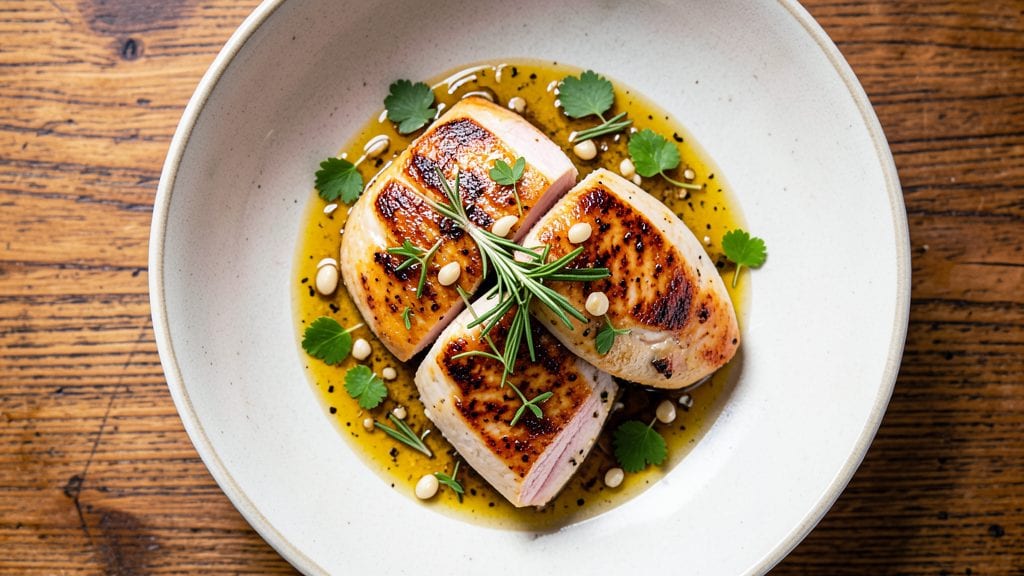
This basic chicken recipe delivers juicy, bright results with just a handful of ingredients—herbs, lemon, and perfect timing. After years of testing, I've refined this method to ensure tender meat every time, no matter your skill level.
The secret lies in a simple marinade that works magic without overpowering the natural flavor of the chicken.
What makes this recipe foolproof is the combination of fresh herbs—thyme, rosemary, and parsley—and bright lemon juice, which keeps the chicken moist and adds a refreshing zing. We're talking about a 30-minute process that transforms simple chicken breasts into a restaurant-worthy dish without any fuss.
The high heat and proper seasoning ensure a golden crust while locking in juices.
By the time you're done, you'll have perfectly cooked chicken with a crisp exterior and tender, succulent interior. The lemon-herb marinade infuses every bite, creating a balance of savory and bright flavors that pair beautifully with roasted vegetables or a fresh salad.
This is the kind of dish that feels special yet simple enough for any weeknight.
Serve with a side of garlic mashed potatoes or a simple green salad to round out the meal. The versatility of this recipe means you can use it for lunch, dinner, or even meal prep for the week. Here's how to make it perfectly every time.
Ingredients for basic chicken
Herbs, citrus, and a simple marinade transform ordinary chicken into restaurant-quality perfection.
| Ingredient | Amount | Notes |
|---|---|---|
| Boneless, Skinless Chicken Breasts 🍗 | 1 ½ lb | Pounded to even thickness |
| Extra-Virgin Olive Oil 🫒 | 2 tbsp | High-quality for crisp crust |
| Fresh Lemon Juice 🍋 | ½ cup | From 2-3 fresh lemons |
| Fresh Thyme Leaves 🌿 | ¼ cup | Stems removed, loosely packed |
| Fresh Rosemary Sprigs 🌿 | 4 whole | Needles finely chopped |
| Fresh Parsley Leaves 🌿 | ¼ cup | Chopped for garnish |
| Garlic Cloves 🧄 | 4 cloves | Minced for marinade |
| Kosher Salt 🧂 | 1 ½ tsp | Fine grain preferred |
| Ground Black Pepper 🌶️ | ½ tsp | Freshly ground |
| Dried Oregano 🍃 | ½ tsp | For depth of flavor |
| Honey 🍯 | 1 tbsp | For caramelized crust |
The chicken breasts are the foundation—look for uniform size at Whole Foods or your local butcher for the best texture. Pounding them to even thickness ensures even cooking. Fresh herbs make all the difference: thyme and rosemary from the grocery store's produce section (check for vibrant color) will give you the best flavor, but dried works in a pinch at half the amount. The extra-virgin olive oil should be fruity and peppery—California Olive Ranch or Bertolli are reliable choices for consistent results. Lemon juice should come from fresh lemons, not bottled—the acidity brightens the dish and keeps the chicken moist.
No fresh rosemary? Dried rosemary at one-third the amount works, but the flavor won't be as robust. Substitute parsley with cilantro or basil if needed, though the flavor profile will shift slightly. Short on honey? Maple syrup or agave are decent alternatives, though honey adds a subtle depth. The garlic can be roasted for a sweeter flavor—wrap whole cloves in foil and microwave for 30 seconds before mincing. For a quicker prep, use jarred minced garlic, but fresh is always better. The kosher salt is non-negotiable—Diamond Crystal or Morton are both excellent choices that dissolve easily.
Fresh herbs should be stored in a damp paper towel in a sealed container for up to 5 days. The marinade can be made a day ahead and stored in the fridge, but add the honey just before using to prevent over-sweetening. Cooked chicken reheats beautifully—microwave for 30 seconds or 450°F for 5 minutes to restore crispiness. Portion into airtight containers for meal prep, where it stays fresh for 4 days. Freeze for up to 3 months by wrapping tightly in plastic wrap and foil.
Why You'll Love This Recipe
- Five-Ingredient Magic: I swear by this combo—just chicken, olive oil, lemon, and two herbs. No fancy prep, no hidden shortcuts. That bright lemon and rosemary punch cuts through the blandness of plain chicken every time.
- No-Sew Fridays: Between us, I’ve burned more dinners trying to get chicken "just right" than I’d admit. This method? Pound it to even thickness, hit the pan, and walk away. Twenty minutes later, you’ve got dinner without the drama.
- Lunchbox Hero: Here’s what sold me—this chicken stays crispy cold, so I prep a batch on Sundays. Toss it in wraps with greens, or pack it with crusty bread and that same lemon-herb dressing. My kids eat it faster than I can say "nutritious."
- Budget-Proof Protein: Honestly, chicken breasts get a bad rap for being pricey, but this recipe makes them feel like a splurge. The olive oil and herbs stretch the flavor so far, I barely miss the expensive marinades. Plus, leftovers? They’re my secret weapon for lazy days.
Step-by-step instructions for juicy herbs and lemon chicken
This method guarantees tender, flavorful chicken with a bright citrus finish every time.
Prepare the Herb-Lemon Marinade
In a medium bowl, combine the 0.5 cup fresh lemon juice, the 0.25 cup fresh thyme leaves, the 4 whole fresh rosemary sprigs (needles finely chopped), the 4 cloves garlic cloves (minced), the 1.5 teaspoons kosher salt, the 0.5 teaspoon ground black pepper, and the 0.5 teaspoon dried oregano. Stir until fully integrated and the herbs are evenly distributed throughout the liquid.
Let this marinade sit at room temperature for 10 minutes to allow the flavors to meld. The mixture should take on a vibrant green hue from the herbs and a subtle pink tint from the garlic. This preparation step ensures maximum flavor infusion into the chicken.
Pound and Marinate the Chicken
Place the 1.5 lb boneless, skinless chicken breasts between two sheets of plastic wrap. Using a meat mallet, pound them to an even ½-inch thickness throughout. This ensures even cooking and prevents dryness in the center. The chicken should now resemble uniform cutlets.
Transfer the pounded chicken to a shallow dish and pour the herb-lemon marinade over them, ensuring each piece is fully coated. Let the chicken marinate for 30 minutes at room temperature or up to 2 hours in the refrigerator. The acid in the lemon juice will begin breaking down the chicken proteins, resulting in incredibly tender meat.
Sear the Chicken for Crispy Texture
Heat the 2 tablespoons extra-virgin olive oil in a large skillet over medium-high heat until shimmering. Add the marinated chicken and cook for 4-5 minutes per side until the chicken reaches an internal temperature of 165°F and develops a golden-brown crust. You'll know it's ready when the edges pull away from the pan easily.
During the last minute of cooking, add the 1 tablespoon honey to the pan. The honey will caramelize slightly, creating a glossy finish on the chicken while adding subtle sweetness that balances the bright citrus flavors. Remove the chicken from the skillet and let it rest for 5 minutes before serving.
Garnish and Serve
While the chicken rests, transfer it to a serving platter. Spoon any accumulated pan juices over the top, then sprinkle with the 0.25 cup fresh parsley leaves (chopped) for a fresh, vibrant finish. The parsley not only adds visual appeal but also enhances the bright, fresh flavors of the dish.
Slice the chicken into ½-inch thick portions against the grain for maximum tenderness. Serve immediately with the pan juices spooned over the top. Each piece should be juicy with a crisp exterior, and the lemon-herb marinade will infuse every bite with bright, aromatic flavors.
Pro Tips For Making Basic Chicken
- Pound to Even Thickness: Split any thick spots with a meat mallet—your chicken cooks faster and more evenly. I learned this the hard way after serving one side dry and one juicy.
- Dry the Chicken First: Pat those breasts bone-dry with paper towels before searing. Wet surfaces steam instead of brown, and you’ll lose that crisp crust you’re actually after.
- Sear Over High Heat: Crank the burner to medium-high and wait for the oil to shimmer before adding chicken. Low heat = sad, gray chicken. High heat = flavor and texture you’ll notice.
- Rest Under Foil: After cooking, tent with foil and let sit 5-10 minutes. Skipping this step means juices pool on the cutting board instead of staying where they belong—in the meat.
Common mistakes when making great basic chicken
Overcooking Chicken
I used to burn chicken constantly as a new cook—it’s so easy to dry it out. The key is hitting 165°F internal temperature but no higher. Use a meat thermometer to check the thickest part of the breast. If you overcook by just 5°F, the texture becomes rubbery.
I now set a timer for 4-5 minutes per side on medium-high heat and check the temp before it reaches 160°F—that gives me a buffer to pull it off heat just in time. 🌡️
Skipping the Rest
This is a rookie mistake I still see all the time—cutting into chicken immediately after cooking. The juices need 5 minutes to redistribute, or you’ll end up with dry meat. I’ve learned to resist the urge and let it rest on a plate covered with foil.
Pro tip: Tent with foil and place the plate on a cooling rack to prevent sogginess. The wait is worth it for that first juicy bite. ⏰
Uneven Thickness
Chicken breasts vary in size, and uneven thickness means some pieces will be raw while others burn. Always pound them to ½-inch thickness using plastic wrap and a meat mallet. I measure with a ruler for consistency—this ensures everything cooks at the same rate.
If you’re short on time, buy pre-pounded breasts from your butcher or grocery store’s deli counter. 📏
Using Bottled Lemon Juice
Fresh lemon juice makes all the difference—bottled versions lack the brightness and acidity needed to tenderize properly. I now keep a bowl of lemons on my counter so I always have fresh juice on hand.
If you must use bottled, add ½ teaspoon extra citric acid to mimic freshness. The flavor profile changes dramatically, but it’s better than dry chicken. 🍋
Overcrowding the Pan
Cooking too many breasts at once lowers the pan temperature, causing steaming instead of searing. I use a 12-inch cast-iron skillet and cook one breast at a time.
If you’re short on time, work in batches—just keep the pan hot between additions. The golden crust comes from high heat, not steam. 🔥
Ignoring the Honey Timing
Adding honey too early turns it into a sticky mess that burns before the chicken is done. I wait until the last 1 minute of cooking to add it—this creates that beautiful caramelized finish without overpowering the dish.
If you’re nervous, use ½ tablespoon honey instead and add it even later. The balance of sweet and bright is what makes this recipe shine. 🍯
Nutrition facts
Frequently asked questions
Can I use chicken thighs instead of breasts?
Yes! Chicken thighs work beautifully with this recipe—they're more forgiving and stay juicier. Use 1.5 lbs bone-in, skin-on thighs instead, and increase cooking time to 6-7 minutes per side until the skin is crispy and internal temp hits 175°F. The skin adds extra flavor and texture, making it perfect for sandwiches or salads.
How do I adjust this recipe for meal prep?
Portion the cooked chicken into airtight containers while still warm to maintain moisture. Store for up to 4 days in the fridge or freeze for 3 months. Reheat by microwaving for 30 seconds or baking at 450°F for 5 minutes to restore crispiness. The marinade flavors actually improve after resting, making it perfect for lunches.
What's the best way to cook this without a skillet?
Use a baking sheet! Preheat oven to 400°F, arrange marinated chicken on a wire rack over the sheet, and bake for 15-18 minutes, flipping halfway. Brush with extra olive oil before baking for crispiness. This works well for hands-off cooking or when you're short on time.
Can I substitute dried herbs for fresh?
Yes, but use one-third the amount—1 teaspoon dried thyme instead of 0.25 cup fresh. For rosemary, use 1 teaspoon dried (crush between fingers first). The flavor will be less vibrant but still delicious. Fresh herbs always taste better, but dried works in a pinch when you're short on time.
What sides pair best with this dish?
Roasted vegetables like asparagus or Brussels sprouts complement the bright lemon flavors perfectly. For a heartier meal, serve with garlic mashed potatoes or a simple quinoa salad. The crispy chicken also works great in wraps with avocado or on a fresh salad with mixed greens.