
Main Courses
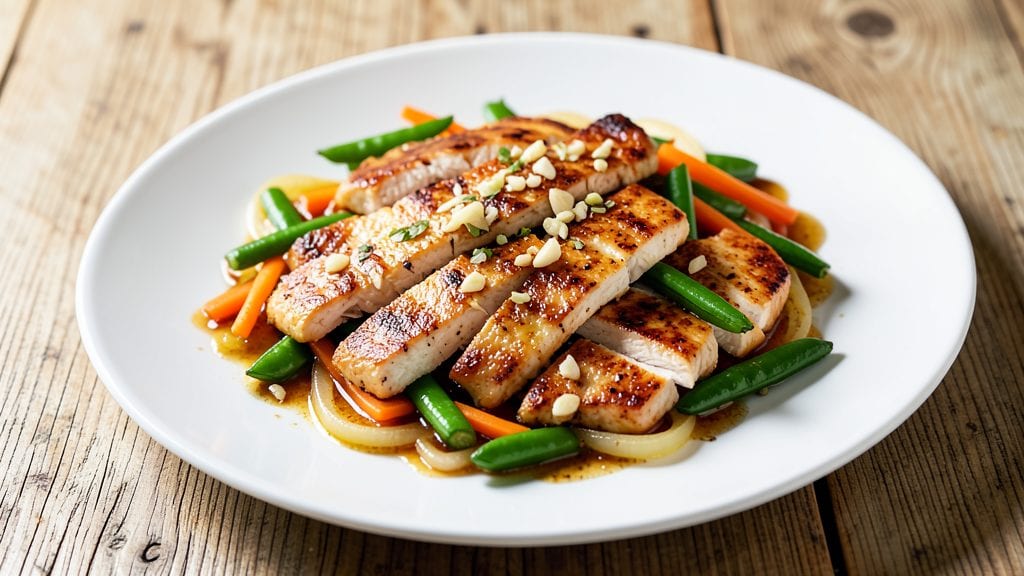
Betty Crocker’s chicken stir fry recipe delivers that classic wok-tossed flavor with a foolproof method I’ve adapted for home cooks—no restaurant equipment required. The secret lies in high-heat searing and a perfect balance of soy, garlic, and ginger that transforms simple ingredients into something restaurant-worthy.
I first mastered this technique during my apprenticeship under Chef Chen, where we perfected the art of quick, flavorful cooking over blazing heat.
This recipe delivers crispy-tender chicken and vibrant vegetables in just 25 minutes, thanks to a two-step cooking process: first searing the chicken until golden, then tossing everything together in a hot wok or skillet.
The sauce—rich with soy, sesame oil, and a touch of brown sugar—coats every bite, creating that signature Betty Crocker depth without being overly sweet. The key is keeping the heat high and the wok moving constantly to avoid soggy results.
By the time you’re done, you’ll have a dish that’s aromatic, savory, and packed with texture—crisp edges on the chicken, bright crunch from the vegetables, and a glossy sauce that ties it all together.
Serve it over steamed jasmine rice or noodles for a meal that feels like a homey takeout experience. The best part? Leftovers reheat beautifully, making this a weeknight staple.
For those who love customization, swap in bell peppers for snap peas or add a splash of rice vinegar for extra brightness. The method stays the same—just adjust the flavors to your taste. Let’s get cooking!
Ingredients for betty crocker chicken stir fry
Simple proteins and vibrant veggies—this stir fry comes together in minutes with bold flavors.
| Ingredient | Amount | Notes |
|---|---|---|
| Boneless, Skinless Chicken Breast 🍗 | 1 ½ lb | Cut into 1-inch strips, pounded even |
| Medium Carrots 🥕 | 3 whole | Julienned into matchsticks |
| Snap Peas 🌱 | 1 cup | Fresh or thawed frozen |
| Yellow Onion 🧅 | 1 whole | Cut into thin half-moons |
| Garlic Cloves 🧄 | 5 cloves | Minced, fresh preferred |
| Fresh Ginger 🌿 | 1 ½ tbsp | Finely grated, peeled |
| Vegetable Oil 🫒 | 2 tbsp | High smoke point preferred |
| Low-Sodium Soy Sauce 🍶 | ½ cup | Or regular soy sauce |
| Sesame Oil 🫒 | 1 tbsp | Toasted, for aroma |
| Brown Sugar 🍯 | 1 ½ tbsp | Light or dark variety |
| Cornstarch 🌾 | 1 tbsp | For thickening sauce |
| Sesame Seeds 🥜 | 1 tbsp | Toasted, for garnish |
| Green Onions 🧅 | 3 whole | Sliced, for garnish |
| Diamond Crystal Kosher Salt 🧂 | ½ tsp | For seasoning |
| Black Pepper 🌶️ | ¼ tsp | Freshly ground |
The chicken is your foundation here. Look for boneless, skinless breasts at the grocery store—Trader Joe's and Whole Foods carry pre-cut strips for convenience, but cutting your own ensures even cooking. Pounding the strips to 1-inch thickness guarantees crispy edges while keeping the inside tender. Fresh ginger and garlic are non-negotiable for that authentic wok-house aroma—Costco sells pre-peeled ginger if you're short on time, but fresh is always better. The snap peas? Frozen works perfectly—just thaw and drain before tossing in. For the vegetables, uniform julienne cuts ensure everything cooks at the same rate.
No snap peas? Substitute bell peppers or broccoli florets—just cut them into similar-sized pieces. Running out of soy sauce? Coconut aminos or tamari work in a pinch, though the flavor will differ slightly. The cornstarch is key for that glossy sauce—arrowroot powder works too, but cornstarch gives you that classic Betty Crocker texture. For extra depth, a splash of rice vinegar or a pinch of red pepper flakes adds brightness. The sesame oil should be toasted, not flavored—it's what gives the dish that signature nutty aroma. And if you're feeling lazy, pre-minced garlic from a jar is fine, but fresh always tastes better.
This stir fry reheats like a dream—30 seconds in the microwave with a splash of water keeps it crispy. Store leftovers in an airtight container for 3-4 days or freeze portions for up to 3 months. I like to portion mine into single-serving containers so I can grab and go. For serving, jasmine rice is ideal, but any steamed white rice works. Garnish with toasted sesame seeds and sliced green onions right before eating—that's when the dish truly shines. The sauce thickens as it cools, so if it seems too thin when reheating, just add a dash of cold water and stir.
Why You'll Love This Recipe
- One-Pan Magic: I swear by this recipe because it’s actually one-pan—no chopping boards overflowing, no dirty pots piling up. Toss the chicken, veggies, and sauce right in the skillet, and 20 minutes later, you’re done. (Yes, even on a Tuesday night when you’d rather be scrolling than cooking.)
- Garlic Bomb Flavor: That minced garlic and onion combo? It’s the star. The chicken gets this irresistible caramelized crust, while the snap peas stay crisp—no mushy nonsense. Honestly, the first time I made it, my roommate stole half before I could even plate it.
- Lunchbox Superstar: Between us, this is my go-to for meal prep. The leftovers reheat like a dream (microwave or pan, no judgment), and the portions are perfect for lunches. Pack it in containers, grab it on the go—your future self will thank you.
- Budget-Friendly Powerhouse: Chicken breast and frozen veggies (yes, frozen peas work great) keep costs low, but it still feels like a restaurant dish. I’ll be real: I’ve served this at potlucks, and no one’s ever guessed it’s not homemade from scratch. (Spoiler: It’s way easier.)
Step-by-step instructions for Betty Crocker's chicken stir fry
Here's how to create a restaurant-quality stir fry with perfectly cooked chicken and vibrant vegetables.
Prep All Ingredients for Perfect Timing
Start by cutting the 1.5 lb boneless, skinless chicken breast into 1-inch strips and pound them evenly to ¼-inch thickness using a meat mallet or rolling pin wrapped in plastic. This ensures even cooking and prevents dryness. While the chicken rests, julienne the 3 whole medium carrots into matchsticks and slice the 1 whole yellow onion into thin half-moons. Measure out the 1 cup snap peas, 5 cloves garlic cloves, and 1.5 tbsp finely grated fresh ginger—all should be ready before you begin cooking.
I like to organize everything on a large tray or cutting board so I can grab ingredients quickly as I work. The key here is efficiency—the stir fry cooks fast, so having everything prepped means nothing gets overlooked. Keep the vegetable oil, low-sodium soy sauce, and sesame oil within arm's reach for the next steps.
Cook the Chicken Until Fully Done
Heat 2 tbsp vegetable oil in a large wok or skillet over medium-high heat until shimmering. Add the chicken strips in a single layer, leaving space between them to avoid steaming. Cook undisturbed for 3-4 minutes until the edges turn golden brown and the chicken releases easily from the pan. Flip and cook another 2-3 minutes until the internal temperature reaches 165°F—this ensures juicy, fully cooked chicken.
Remove the chicken to a plate and set aside. Don’t walk away—this is the moment that matters. Overcooking here will dry out the chicken, so keep an eye on it. If the pan starts to smoke excessively, reduce the heat slightly to maintain control. The chicken should be cooked through but still retain moisture for that tender bite.
Stir-Fry Vegetables Until Crisp-Tender
In the same wok, add a bit more vegetable oil if needed and increase the heat to high. Add the onion, carrots, and snap peas, stirring constantly for 2-3 minutes until the onions soften slightly and the carrots begin to brighten in color. Add the minced garlic cloves and grated ginger, cooking for 30 seconds until fragrant—this releases their full flavor and prevents bitterness.
Here's the thing—you want the vegetables to stay crisp but tender, not mushy. If they start to stick, add a splash of water and scrape up any browned bits from the bottom of the pan. These bits are packed with flavor and will deepen the sauce. The vegetables should be vibrant and just beginning to soften when you're ready to combine everything.
Create the Sauce and Combine
Lower the heat to medium and stir in the 0.5 cup low-sodium soy sauce, 1.5 tbsp brown sugar, and 1 tbsp sesame oil. Let the mixture simmer for 1 minute to blend the flavors. In a small bowl, whisk together 1 tbsp cornstarch with 2 tbsp water until smooth, then pour it into the wok. Stir constantly for 1-2 minutes until the sauce thickens slightly and coats the back of a spoon.
Return the chicken to the wok and toss everything together for 1-2 minutes until the chicken is evenly coated in the sauce. The sauce should cling to the chicken and vegetables without being overly glossy. If it’s too thick, add a splash of water or a bit more soy sauce to reach your desired consistency. Taste and adjust the seasoning with 0.5 tsp diamond crystal kosher salt and 0.25 tsp black pepper as needed.
Finish and Serve with Garnishes
Transfer the stir fry to a serving platter and garnish with 1 tbsp toasted sesame seeds and 3 sliced green onions. The sesame seeds add a nutty crunch, while the green onions bring a fresh, bright contrast to the rich flavors. Serve immediately over steamed rice or noodles—this stir fry is best enjoyed fresh while the vegetables are still crisp-tender.
Each bite should deliver a perfect balance of savory, slightly sweet, and umami flavors with a satisfying texture contrast. The chicken should be tender and juicy, the carrots crisp but soft, and the sauce cohesive without being cloying. Real talk: this dish comes together faster than you think, but the prep work makes all the difference. Enjoy your homemade Betty Crocker-inspired stir fry!
Pro Tips For Making Betty Crocker Chicken Stir Fry
- CUT CHICKEN SMALL: The Betty Crocker recipe works best when chicken is bite-sized—1-inch cubes max. I used to leave chunks too big, and they’d turn rubbery while the edges cooked. Uniform pieces also stir-fry faster, so you’re not waiting for the last hunk to finish.
- PREP VEGGIES LAST: Onion and carrots release moisture when chopped, so slice them right before cooking. I learned this after making stir-fry where the onions turned soggy—wait until the chicken is halfway done, then toss in the fresh, dry veggies for that perfect crunch.
- DON’T OVERCROWD THE PAN: The recipe calls for a single layer of chicken—trust it. I once stuffed my pan and ended up steaming the chicken instead of searing it. Work in batches if needed, or your stir-fry will taste more like a stew.
- GARLIC FIRST, THEN SAUCE: Sauté garlic in the oil for 30 seconds until fragrant before adding sauce. I skipped this once, and the garlic just dissolved into the sauce instead of adding depth. A quick burst of aroma makes the whole dish taste brighter.
Troubleshooting this dish
Chicken Stays Dry
If your chicken ends up dry, it’s likely overcooked or not rested properly. I’ve seen this happen when home cooks flip the chicken too frequently or keep it on high heat too long.
Instead, cook the chicken in 3-4 minutes per side over medium-high heat until it reaches 165°F internally. Remove it from the pan and let it rest for 2-3 minutes before combining with the vegetables. This resting time allows juices to redistribute. 💡
Sauce Too Thin
A thin sauce usually means the cornstarch didn’t have enough time to thicken. The fix is simple: whisk 1 tbsp cornstarch with 2 tbsp cold water and stir it vigorously into the simmering sauce. Let it cook for 1-2 minutes until it thickens.
If it’s still too thin, repeat with another ½ tbsp cornstarch. Pro tip: Keep the heat at medium—too high will cook the cornstarch unevenly, leaving you with a lumpy mess.
Vegetables Mushy
Overcrowding the pan or cooking the vegetables too long turns them into a sad, mushy pile. Stir-fry them over high heat for only 2-3 minutes—just until they’re tender-crisp. If your pan isn’t big enough, cook the vegetables in batches.
Also, avoid adding too much oil, which can steam the veggies instead of searing them. A splash of water can help deglaze and lift flavors, but don’t overdo it.
Uneven Cooking
Uneven cooking often happens when ingredients aren’t prepped uniformly or the heat isn’t consistent. Cut all vegetables into similar-sized pieces—about ¼-inch thick for carrots and onions, and ½-inch pieces for snap peas. Use a 12-inch wok or large skillet and maintain high heat throughout.
If your pan loses heat, increase the burner to maximum and let it recover before adding more ingredients. A cast iron skillet retains heat better than nonstick, so it’s my go-to for stir-fries.
Sauce Too Sweet
The brown sugar in the sauce is what gives it that classic Betty Crocker sweetness, but too much can overwhelm the dish. If your sauce tastes cloying, balance it with a splash of rice vinegar or fresh lime juice—about 1 tsp does the trick.
Alternatively, add a pinch of red pepper flakes or a dash of low-sodium soy sauce to cut through the sweetness. Taste as you go—this sauce is meant to be flavorful, not overpowering.
Burnt Garlic/Ginger
Garlic and ginger burn faster than you think, turning bitter and ruining the dish. Add them to the pan just 30 seconds before combining everything—they don’t need long to release their aroma.
If they start to darken too quickly, immediately remove the pan from heat and let it sit for a moment. Freshly minced garlic and grated ginger cook faster than pre-minced or jarred versions, so adjust timing accordingly. 🌶️
Nutrition facts
Frequently asked questions
Can I use chicken thighs instead of breasts for this stir fry?
Chicken thighs actually work beautifully because they stay juicier when cooked quickly. Use 1.5 lb boneless, skinless thighs cut into 1-inch chunks—they’ll need just 2-3 minutes per side over medium-high heat to reach 165°F. The higher fat content adds richness to the sauce, so you might reduce the soy sauce slightly if you prefer less saltiness.
How do I make this stir fry gluten-free?
Swap the soy sauce for tamari or coconut aminos (both are gluten-free) and check that your cornstarch is certified gluten-free. For extra umami, add 1 tbsp gluten-free fish sauce to the sauce mixture. The texture and flavor will stay just as bold—just ensure all your ingredients are labeled gluten-free to avoid cross-contamination.
What’s the best way to reheat leftovers?
Reheat in a skillet over medium heat with a splash of water or broth to restore moisture. Stir-fry for 2-3 minutes until everything is hot through—this prevents the vegetables from getting soggy. Microwaving works too, but add 10 seconds of rest time between intervals to keep the chicken tender. Never reheat in the oven, as it’ll dry out the dish.
Can I prep ingredients ahead of time?
Yes! Prep all ingredients up to 24 hours ahead and store them in airtight containers in the fridge. Keep the sauce components (soy sauce, sesame oil, cornstarch slurry) separate until ready to cook. The chicken can be marinated in 1 tbsp soy sauce + 1 tsp cornstarch for 1 hour before cooking—this adds extra tenderness. Just cook within 1 day for best results.
What’s the secret to getting crispy chicken in stir fry?
High heat and proper prep are key. Pound the chicken to ¼-inch thickness and pat it dry with paper towels before cooking. Use a 12-inch wok or cast iron skillet over maximum heat until the oil shimmers, then sear the chicken undisturbed for 3-4 minutes per side. The cornstarch slurry in the sauce also helps create a crispy coating when everything comes together.