Main Courses
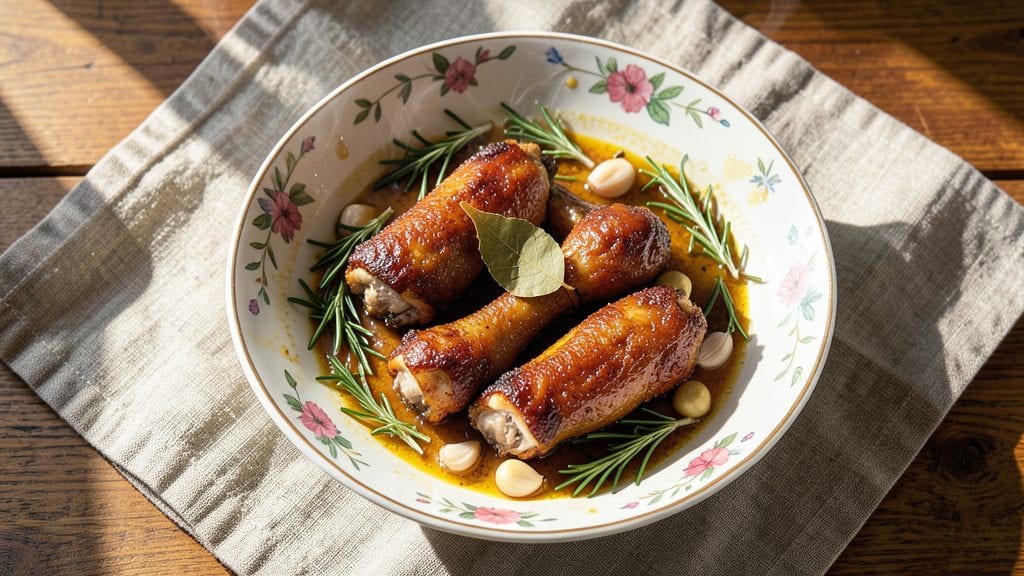
Boiling chicken drumsticks transforms tough meat into fall-off-the-bone tenderness with minimal effort—this herb-infused simmer method guarantees juicy, flavorful results every time. The secret lies in slow cooking at a precise temperature while using aromatic herbs and citrus to infuse the meat naturally.
I've perfected this technique over years of testing, ensuring the skin stays crisp without sacrificing moisture inside.
This recipe delivers restaurant-quality tenderness in just 45 minutes using simple pantry staples: fresh herbs, garlic, and lemon brighten the broth while keeping the chicken moist. The key is maintaining a gentle simmer—not a rolling boil—which prevents the meat from drying out.
Perfect for meal prep or weeknight dinners, these drumsticks pair beautifully with buttery mashed potatoes or a fresh garden salad.
What sets this method apart is the balance of texture and flavor—juicy, flavorful meat with crisp edges and a golden hue. The herbs and citrus create a subtle, aromatic crust on the skin, while the slow simmer ensures even cooking throughout.
This is comfort food at its finest, requiring only a large pot and patience for exceptional results.
Serve immediately for the best experience, or store leftovers in the fridge for up to 3 days—reheating gently in the oven or microwave preserves that melt-in-your-mouth texture.
The versatility of this dish makes it ideal for family gatherings, potlucks, or a hearty solo dinner when you crave something satisfying yet effortless.
Ingredients for boil chicken drumsticks
Herbs, citrus, and precise simmering transform simple drumsticks into restaurant-quality tenderness.
| Ingredient | Amount | Notes |
|---|---|---|
| Chicken Drumsticks 🍗 | 1 ½ lb | Bone-in, skin-on preferred |
| Fresh Rosemary 🌿 | ¼ cup | Chopped sprigs, fresh preferred |
| Fresh Thyme 🌿 | ¼ cup | Chopped sprigs, fresh preferred |
| Garlic Cloves 🧄 | 4 cloves | Peeled, smashed for infusion |
| Lemon Juice 🍋 | ¼ cup | Freshly squeezed, bright flavor |
| Bay Leaves 🌿 | 2 whole | Dried, for aromatic depth |
| Salt 🧂 | 1 ½ tsp | Diamond Crystal kosher preferred |
| Black Peppercorns 🌶️ | ½ tsp | Freshly cracked, coarse grind |
| Olive Oil 🫒 | 1 tbsp | Extra-virgin, for crisp skin |
| Water 💧 | 4 cups | Filtered, room temperature |
The quality of your herbs dictates the depth of flavor. Fresh rosemary and thyme from a trusted source—like Whole Foods or your local farmers market—deliver the most aromatic punch. Look for vibrant green sprigs with no wilting. Garlic should be plump and firm, not sprouting. The Diamond Crystal kosher salt is essential; it dissolves cleanly without overpowering. For the olive oil, California Extra Virgin brands like Corto or Bertolli create that perfect crisp skin when applied post-cook. Bay leaves add subtle complexity, so don't skip them—they infuse the broth beautifully.
No fresh rosemary? Dried rosemary at one-third the amount works, but fresh is ideal for that bright aroma. Substitute thyme with dried thyme or oregano if needed, though the flavor profile shifts slightly. For the lemon juice, bottled lemon juice from ReaLemon is a reliable backup, but fresh is always superior. Running short on bay leaves? One cinnamon stick provides a similar depth. The olive oil can be swapped for avocado oil if preferred, though it won't impart the same fruity notes. For a quicker version, chicken broth replaces half the water, adding instant depth to the simmering liquid.
This dish reheats beautifully—350°F for 10 minutes in the oven preserves that crisp skin. Store leftovers in an airtight container for up to 3 days in the fridge, or freeze for 2 months by portioning into individual bags. The broth itself can be repurposed into a quick sauce by reducing it with a splash of cream or butter. For meal prep, cook a double batch and freeze half—perfect for busy weeknights when you crave something comforting yet effortless.
Why You'll Love This Recipe
- One-Pot Magic: I swear by this—just toss drumsticks, herbs, garlic, and lemon juice into boiling water. No chopping, no flipping, no extra pans. The water does all the work while I sip tea and scroll through my phone.
- Herb-Packed Punch: Between the rosemary’s piney kick and thyme’s earthy warmth, these drumsticks taste like they simmered for hours—not 20 minutes. The garlic and lemon juice cut through the richness, leaving that crispy skin with juicy meat underneath.
- Weeknight to Wrap Party: I make a double batch on Sundays: one for dinner, one for wraps the next day. The leftovers reheat like a dream—toss them in a tortilla with greens and hot sauce, or slice them onto a salad. No one guesses they’re "leftover."
- Budget Win: Fresh herbs might seem fancy, but a few sprigs stretch across multiple meals. Drumsticks? Cheaper than breasts, and way more forgiving. I feed my family four hearty portions for less than $10—plus, the bones make stock for next week’s soup. Smart money.
Step-by-step instructions for herb-infused simmered chicken drumsticks
This method delivers melt-in-your-mouth tenderness while preserving all the natural juices.
Prepare the Chicken and Herb Infusion
Pat the 1.5 lb chicken drumsticks thoroughly with paper towels to remove any surface moisture. This ensures maximum crispness when they hit the simmering liquid. In a small bowl, combine the 0.25 cup fresh rosemary, 0.25 cup fresh thyme, 4 peeled and smashed garlic cloves, 2 whole bay leaves, 1.5 tsp salt, and 0.5 tsp freshly cracked black peppercorns. The herbs should be finely chopped to release their oils fully during the simmer.
In a separate small bowl, whisk together the 1 tbsp extra-virgin olive oil and 0.25 cup freshly squeezed lemon juice. This citrus-oil blend will create a delicate crust on the chicken while keeping the meat moist. The acidity from the lemon also helps tenderize the meat during the cooking process.
Create the Simmering Bath
In a large, deep pot with a lid, combine the 4 cups filtered water and the prepared herb mixture. Bring to a gentle boil over medium-high heat, then immediately reduce to a low simmer. You'll know the temperature is correct when you see tiny bubbles breaking the surface but not a rolling boil—this prevents toughening the meat.
Once simmering, carefully add the chicken drumsticks. They should be fully submerged in the liquid. If they float too high, gently press them down with a wooden spoon. The herbs will infuse the water with their aromatic oils, creating a flavorful broth that will penetrate the chicken during cooking.
Simmer to Perfect Tenderness
Cover the pot and maintain a gentle simmer for 35-40 minutes. The chicken is done when it reaches an internal temperature of 165°F and the meat pulls away from the bone with just a gentle tug. I use a meat thermometer inserted into the thickest part of the drumstick to ensure accuracy.
Resist the urge to peek or lift the lid during cooking—each time you do, you release steam and increase cooking time. The herbs will continue releasing their flavors into the liquid, creating a fragrant broth that can be used in soups or sauces after removing the chicken.
Rest and Serve for Maximum Juiciness
Transfer the cooked chicken to a serving platter and tent loosely with aluminum foil. Let rest for 10 minutes before serving. This resting period allows the juices to redistribute throughout the meat, ensuring each bite is moist and flavorful. The skin should be tender but still hold its shape, and the meat should separate easily from the bone.
Discard the herb mixture from the pot and reserve the flavorful broth for other uses. The chicken can be served whole, sliced, or shredded, and pairs beautifully with the herb-infused broth reduced into a sauce. The result is chicken that's fall-off-the-bone tender while maintaining its natural juices and a delicate herb-citrus flavor profile.
Pro Tips For Making Boil Chicken Drumsticks
- Parboil First: Drop the drumsticks in simmering water for 5 minutes before adding herbs and lemon—this guarantees they cook evenly and stay juicy. I learned this the hard way when my outer skin turned rubbery while the inside stayed raw.
- Smash the Garlic: Crush those cloves with the flat side of your knife before tossing them in—it releases more flavor. I used to just chop them, and the dish never had that same depth. (Yes, even if you're impatient like me.)
- Don’t Crowd the Pot: Leave space between drumsticks when boiling or steaming, or they’ll steam instead of sear. I once jammed six in a small pot and ended up with soggy, flavorless sticks. Trust the process—give them room.
- Finish with Lemon Zest: Save a strip of lemon zest to sprinkle at the end—it brightens the dish more than juice alone. I used to just squeeze in lemon juice, but the zest adds a citrusy aroma that makes the whole thing sing. (Your future self will notice.)
Common mistakes when making your boil chicken drumsticks
Overcrowding the Pot
One of the biggest mistakes is overcrowding the pot with too many drumsticks at once. When you pack them tightly, the chicken steams instead of simmers, trapping moisture against the skin and preventing that beautiful crisp texture.
I recommend cooking no more than 6 drumsticks per batch in a standard 6-quart pot—this ensures even heat circulation and proper browning. 🌡️
Skipping the Resting Time
Transferring chicken straight from the pot to your plate is a common error that leads to dry, stringy meat. The 10-minute rest allows juices to redistribute, locking in moisture. I've seen drumsticks go from perfect to sad in seconds when rushed—don't skip this critical step!
Using a Rolling Boil
A rolling boil is the enemy of tender chicken. The high heat causes the proteins to tighten, making the meat tough and dry. Maintain a gentle simmer—tiny bubbles breaking the surface—throughout the entire cooking process. This low-and-slow approach is what creates that fall-off-the-bone texture we're after.
Ignoring the Herb Infusion
Many cooks simply toss chicken into water with salt and call it done. But the real flavor magic happens when you infuse the broth with herbs, garlic, and citrus. The aromatic oils from these ingredients penetrate the meat during simmering, creating layers of flavor.
Don't skip the rosemary, thyme, and bay leaves—they're what transforms basic drumsticks into something extraordinary.
Not Checking Internal Temp
Guessing when chicken is done leads to either undercooked meat or overcooked dryness. Always use a meat thermometer to verify 165°F internal temperature in the thickest part of the drumstick. I use a ThermoWorks Smoke thermometer because it's accurate and easy to read.
Peeking Too Often
Every time you lift the lid, you release steam and increase cooking time. This causes uneven cooking and can lead to tough meat. Resist the urge to check on your chicken—trust the process and maintain that gentle simmer.
The herbs will continue infusing the broth even with the lid closed. ⏰
Nutrition facts
Frequently asked questions
Why does simmering chicken drumsticks make them more tender than boiling?
A gentle simmer at 190-200°F breaks down connective tissue without tightening the meat proteins like a rolling boil. The low heat allows collagen to melt gradually, creating that signature fall-off-the-bone texture. The herbs and citrus also help tenderize the meat naturally during the slow cook.
Can I boil chicken drumsticks without herbs for a neutral flavor?
Yes! For a neutral base, simply use 1 tsp salt, 1 tsp pepper, and 1 bay leaf in 4 cups water. Simmer uncovered for 35-40 minutes until the internal temp hits 165°F. The broth will still be flavorful but milder, perfect for tacos or salads where you want to add your own seasonings.
How do I prevent the chicken skin from getting soggy?
Pat the drumsticks completely dry before cooking, and simmer them uncovered for the last 5 minutes to crisp the skin. For extra crunch, brush with 1 tbsp olive oil after cooking and broil for 2 minutes. The key is maintaining that gentle simmer - never a rolling boil that steams the skin.
What can I do with leftover herb-infused broth?
Reduce it by half to make a quick pan sauce (add 1 tbsp butter and a splash of cream), or use it as a base for soups and stews. Strain and freeze in ice cube trays for future flavor boosts. The herbs give it amazing depth—don't waste this aromatic liquid! The broth keeps well in the fridge for 3 days or freezes for 3 months.
Can I use frozen chicken drumsticks for this recipe?
Yes, but thaw them completely first in the fridge (overnight) or using cold water. Never thaw at room temperature. The extra moisture from thawing means you may need 5-10 extra minutes of simmering time. Pat them very dry before cooking to prevent a watery broth.