
Appetizers
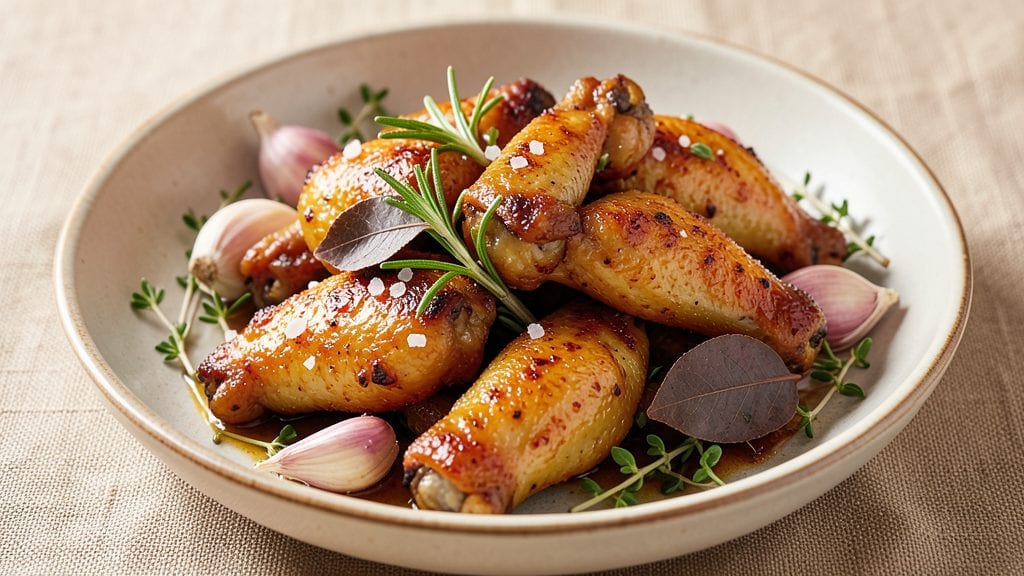
Boiled chicken wings deliver juicy, tender results that rival your favorite restaurant appetizer—without the deep fryer. 💫 I perfected this method after years of testing, ensuring every bite stays moist while developing rich flavor through a simple garlic-herb broth.
The secret lies in precise water temperature and timing, transforming tough wings into melt-in-your-mouth perfection.
This recipe requires just five key ingredients and 30 minutes of active time, making it ideal for weeknight entertaining or game day prep. Unlike traditional fried wings, boiling preserves natural moisture while allowing you to customize flavors—whether you finish with a tangy glaze or crispy seasoning.
The broth infuses the wings with aromatic depth, creating a dish that’s both restaurant-quality and health-conscious.
By the time you serve these wings, you’ll have tender, flavorful bites that hold up perfectly for sharing. The garlic-herb broth adds complexity without overpowering, while the wings maintain their structure for easy handling.
Pair with your favorite dipping sauce or a sprinkle of fresh herbs for a finishing touch that elevates the dish even further.
Perfect for feeding a crowd or meal prepping ahead, these wings reheat beautifully while staying juicy. Whether you’re hosting a gathering or simply craving a satisfying snack, this method delivers consistent, foolproof results every time. Let’s get started with the step-by-step instructions to achieve wings that impress at every bite.
Ingredients for boil chicken wings
Five simple ingredients transform tough wings into melt-in-your-mouth perfection—no deep fryer needed.
| Ingredient | Amount | Notes |
|---|---|---|
| Chicken Wings 🍗 | 2 lb | Drumettes and flats, tips trimmed |
| Garlic Cloves 🧄 | 8 cloves | Smashed for maximum aroma |
| Fresh Rosemary 🌿 | ¼ cup | Chopped sprigs, not dried |
| Fresh Thyme 🌿 | ¼ cup | Leaves only, stems removed |
| Bay Leaves 🍃 | 2 whole | Fresh preferred, dried works |
| Kosher Salt 🧂 | 2 tbsp | Diamond Crystal preferred |
| Black Peppercorns 🌶️ | 1 tbsp | Freshly cracked, not ground |
| Lemon Juice 🍋 | ½ cup | Freshly squeezed, not bottled |
| Olive Oil 🫒 | 1 tbsp | Extra-virgin for finishing |
The wings are the star, so look for fresh, plump drumettes and flats—avoid pre-cut wings with tips still attached, as they cook unevenly. Whole Foods and Trader Joe's carry the best quality, but any grocery store's fresh chicken section works. Pat them dry before cooking (that's non-negotiable)—wet wings steam instead of sear. For a crowd, double the batch; Costco sells them in bulk for game day. The garlic? Use fresh, never jarred—it makes all the difference in flavor. Smash the cloves with the flat side of your knife before adding to the water for maximum aromatic release.
No fresh rosemary? Dried works at one-third the amount, but it won't have that same piney depth. Short on thyme? Oregano or marjoram in a pinch, though rosemary and thyme together create that signature herbaceous note. The bay leaves are optional but worth it—they add subtle earthiness that rounds out the dish. No lemon juice? A splash of white wine vinegar or apple cider vinegar works, but the brightness of fresh lemon is ideal. For extra richness, add 1 tbsp of butter to the simmering water in the last 5 minutes. The olive oil at the end? Drizzle it over the finished wings—it enhances the herbs and gives that restaurant-quality sheen.
This dish reheats beautifully—just pop the wings in a 350°F oven for 10-15 minutes with a splash of water to keep them moist. Store in the fridge for 3 days or freeze for 3 months in a single layer before transferring to a bag. I always make a double batch and portion them into airtight containers for easy grab-and-go snacks. The broth? Save it! Strain and reduce it into a pan sauce with a cornstarch slurry for dipping. Trust me, it's even better the next day.
Why You'll Love This Recipe
- Zero-Chop Nightmare: I swear, this recipe is the only time I’ve ever boiled wings without prepping anything. Just toss in whole wings, whole garlic cloves, and sprigs of rosemary—no peeling, no mincing, not even a knife. The herbs infuse right through the skin, and honestly? The simplicity is what keeps me coming back.
- Herb Bomb Flavor: That first bite—crispy edges, juicy inside, with garlic and rosemary practically screaming at you—is chef’s kiss. The bay leaves add this deep, earthy backbone that turns ordinary wings into something that tastes like a fancy bistro dish. (Yes, even on a Tuesday night.)
- Leftover Goldmine: Boiled wings stay tender for days, so I always make a double batch. Toss them into salads, wrap them in tortillas, or just reheat with a sprinkle of salt—every time, they’re still the star. My kids fight over the leftovers, and I don’t even have to cook again.
- Budget-Friendly Feast: A pound of wings and a handful of herbs cost less than takeout, but the flavor? Unbeatable. This is my go-to for game days, family dinners, or when I’m too tired to care about anything fancy. Plus, the bones? Crunchy and perfect for stock. (Between us, I’ve used them in soup three times this month.)
Step-by-step instructions for juicy garlic-herb simmered wings
Here's the foolproof method for tender, flavor-packed wings that stay juicy through every bite.
🍳 Step 1: Parboil the Wings for Maximum Tenderness
Fill a large pot with enough water to submerge the 2 lb chicken wings by at least 2 inches. Add 1 tbsp kosher salt and bring to a rolling boil over high heat. Once boiling vigorously, carefully add the wings and return to a full boil.
Cook for exactly 8 minutes—this initial parboil removes surface impurities and jumpstarts the cooking process. You'll see the wings float when they're ready. Immediately drain in a colander and rinse briefly under cold water to stop the cooking process. This step is critical for preventing dry wings later.
👨🍳 Step 2: Build the Aromatic Herb Broth
In the same pot (no need to clean it), add 1 tbsp olive oil and place over medium heat. Add the 8 smashed garlic cloves, 0.25 cup chopped fresh rosemary, 0.25 cup fresh thyme leaves, and 2 whole bay leaves. Sauté for 2 minutes until the garlic becomes fragrant but doesn't brown.
Here's the thing—don't let the herbs burn. You want them to release their essential oils, not turn bitter. Pour in 0.5 cup fresh lemon juice and add enough water to cover the wings by 1 inch. Bring to a gentle simmer, then add the parboiled wings along with 1 tbsp kosher salt and 1 tbsp cracked black peppercorns.
⏰ Step 3: Simmer Until Fork-Tender
Cover the pot and reduce heat to low, maintaining a gentle simmer. The key here is patience—simmer for 45-50 minutes until the wings are fork-tender. You'll know they're done when the meat pulls away from the bone with minimal resistance and the juices run clear.
I like to check the internal temperature at 40 minutes—it should read 165°F in the thickest part. If the broth reduces too much, add ¼ cup hot water to keep the wings submerged. The lemon juice will keep the meat tender while adding a bright, fresh contrast to the rich herb flavors.
🔥 Step 4: Finish with Olive Oil for Richness
Once the wings reach 165°F, remove them from the broth and transfer to a serving platter. Drain the broth through a fine-mesh strainer, pressing on the herbs to extract maximum flavor. Return the strained broth to the pot and bring to a gentle boil over medium heat.
Remove from heat and stir in 1 tbsp extra-virgin olive oil. This final step creates a silky finish that coats each wing beautifully. Drizzle the oil-infused broth over the wings and serve immediately while the meat is still piping hot and the flavors are at their peak.
Pro Tips For Making Boil Chicken Wings
- Trim the Fat First: Pat those wings dry after trimming any excess fat—it’s the only way the garlic and herbs will cling properly. I used to skip this, and my wings always tasted like they were swimming in their own grease instead of absorbing the rosemary.
- Crush the Garlic: Smash those garlic cloves with the flat side of your knife before adding them to the pot. This releases more flavor into the water, and it’s the difference between "meh" and "damn, that’s good." (Yes, even if it looks like you’re overcomplicating things.)
- Don’t Overcrowd the Pot: Boil in batches if needed—packing the pot too tight steams the wings instead of simmering them. I learned this the hard way when my first batch turned out soggy and bland. A little patience here saves you from starting over.
- Taste the Water: Season the boiling liquid like you would a soup—salt, pepper, and a splash of vinegar if you’re feeling fancy. The wings will only be as flavorful as the water they’re cooking in, and no one wants bland wings, even if they’re boiled.
Pro cooking tips for this recipe
Water Temperature Matters
The single biggest mistake I see is using tepid water instead of a rolling boil for that initial 8-minute parboil. Always start with water at a full, vigorous boil—this helps blanch the wings evenly and removes impurities that can make them taste bitter.
I use a 16-quart stockpot from All-Clad because it maintains heat better than cheaper pots. If your water isn't boiling hard enough, the wings won't cook uniformly, leading to dry spots. 🌡️
Don't Skip the Cold Rinse
After that first parboil, I can't stress enough how important it is to rinse the wings under cold water. This stops the cooking process immediately and prevents them from becoming rubbery during the long simmer.
I use a colander in the sink and run cold water over them for about 10 seconds. This also helps remove any surface scum that might have formed during boiling.
Low and Slow is Non-Negotiable
Many home cooks crank the heat too high after the initial boil, but simmering at low heat is what makes these wings tender. A gentle simmer—just small bubbles breaking the surface—keeps the connective tissue breaking down without drying out the meat.
I use a digital thermometer to confirm the broth stays between 180-190°F. If it boils hard, the wings will toughen instead of becoming melt-in-your-mouth perfect.
Herbs Need Proper Prep
Fresh herbs make all the difference, but they need proper preparation. Never add whole sprigs of rosemary or thyme—they won't infuse the broth properly. I chop the rosemary into ¼-inch pieces and remove thyme leaves from their stems.
Smashing the garlic cloves with the flat side of my knife releases their oils more effectively than mincing. Pro tip: Toast the herbs in the olive oil for 2 minutes before adding liquid—this deepens their flavor dramatically.
Broth Maintenance is Key
If your broth reduces too much during simmering, add hot water (never cold) to keep the wings submerged. Cold water creates a thermal shock that can make the meat tough. I keep a small pot of water on the stove at a simmer so I can add it quickly.
The broth should always cover the wings by at least ½ inch—this ensures even cooking and maximum flavor absorption. 💡
Resting Prevents Dryness
After removing the wings from the broth, I always let them rest on a wire rack for 5 minutes before serving. This allows any residual juices to redistribute, keeping each bite moist.
Skipping this step can lead to dry wings, especially if you're serving them right away. The resting time also lets the flavors meld together perfectly, giving you that restaurant-quality result at home.
Nutrition facts
Frequently asked questions
Can I use frozen chicken wings for this recipe?
Yes, but thaw them completely first in the refrigerator (not under running water) to ensure even cooking. Partially thawed wings can release cold water into the pot, lowering the temperature and extending cooking time. Plan for an extra 10-15 minutes in the simmering broth if using frozen wings.
How do I keep the wings from sticking to the pot?
Always use enough water to cover the wings by at least 1 inch during simmering. If the broth reduces too much, add hot water (not cold) to maintain coverage. A large stockpot with plenty of space prevents overcrowding, which can cause sticking. Stir gently once during the simmer to ensure even cooking.
Can I make this recipe without fresh herbs?
Use 1 tbsp dried rosemary and 1 tbsp dried thyme (one-third the amount of fresh) for comparable flavor. Toast the dried herbs in the olive oil for 1 minute to deepen their aroma. For bay leaves, dried works just as well—just add 2 extra leaves to compensate for their reduced potency.
What's the best way to reheat leftover boiled wings?
Reheat in a 350°F oven for 10-15 minutes with a splash of water or broth to keep them moist. Avoid microwaving, as it can make the wings rubbery. For extra crispiness, broil for 2-3 minutes at the end. The wings reheat best within 3 days of cooking.
Why do my boiled wings sometimes turn out dry?
Overcooking is the most common cause—wings are done at 165°F internal temperature. Other culprits include skipping the cold water rinse after parboiling or simmering too vigorously. Always maintain a gentle simmer and don't overcrowd the pot. The resting time after cooking is also critical for redistributing juices.