
Main Courses
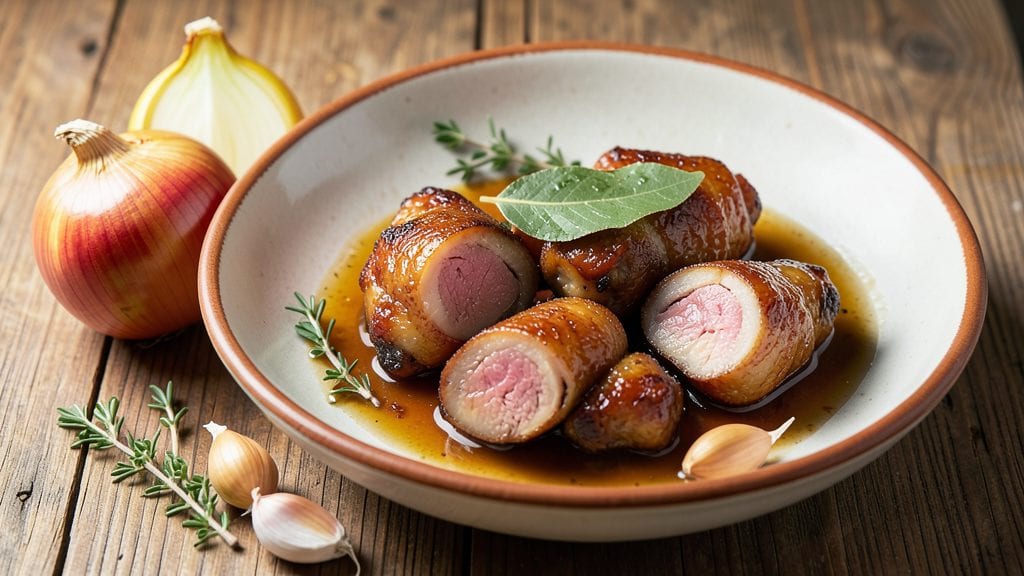
Mastering boiled chicken gizzards transforms a tough cut into tender, herby bites that take just 15 minutes of active time. Growing up in small-town Georgia, I learned this technique from my grandmother, who insisted gizzards were the most flavorful part of the bird—when prepared properly.
The secret lies in thorough cleaning, precise boiling techniques, and a well-seasoned broth that infuses every bite.
This method delivers restaurant-quality results without requiring specialized equipment. You'll need a large pot, enough water to fully submerge the gizzards, and a simple blend of aromatics—garlic, bay leaves, and a splash of vinegar—to create a fragrant broth.
The key is maintaining a gentle simmer, which breaks down the connective tissue while preserving moisture, ensuring tender meat every time.
By the time you serve these gizzards, you'll have golden-brown, flavorful bites with a velvety texture that melts in your mouth. The broth reduces into a rich, savory sauce perfect for drizzling over rice or serving alongside pickles and crusty bread.
This dish aligns with halal and kosher standards when using properly prepared poultry, making it versatile for various dietary needs.
Perfect for weeknight dinners, potlucks, or family gatherings, these gizzards prove that offal can be just as satisfying as traditional cuts. Let's get started with a technique that delivers professional results in record time.
Ingredients for boiled chicken gizzard
Fresh gizzards, aromatic herbs, and a splash of vinegar—this simple combo delivers restaurant-quality bites.
| Ingredient | Amount | Notes |
|---|---|---|
| Chicken Gizzards 🍗 | 1 ½ lb | Freshly cleaned, trimmed of fat |
| Large Yellow Onion 🧅 | 1 whole | Quartered, skin on for depth |
| Garlic Cloves 🧄 | 6 cloves | Smashed, skin left on |
| Fresh Thyme Sprigs 🌿 | 4 whole | Stems intact for easy removal |
| Fresh Rosemary Sprigs 🌿 | 2 whole | Heavy stems for fragrance |
| Bay Leaves 🍃 | 2 whole | Dried, standard size |
| White Wine Vinegar 🍶 | ¼ cup | Not apple cider vinegar |
| Kosher Salt 🧂 | 1 ½ tbsp | Diamond Crystal preferred |
| Black Peppercorns 🌶️ | 1 tbsp | Crushed lightly |
| Olive Oil 🫒 | 2 tbsp | Extra-virgin for finishing |
| Fresh Parsley 🌿 | ¼ cup | Chopped, for garnish |
The gizzards should be freshly cleaned—ask your butcher to trim excess fat, or do it yourself by rinsing under cold water and patting dry. Local farms or specialty poultry counters often have the best quality, but grocery store packages work too if they're labeled 'fresh.' Look for gizzards with a vibrant pinkish hue and minimal offal attached. The herbs? Fresh thyme and rosemary from the grocery store's produce section (not dried) give the best flavor—just make sure the stems are intact for easy handling. If you can't find fresh, dried works at one-third the amount, but the texture won't be as tender.
No white wine vinegar? Apple cider vinegar or lemon juice works in a pinch, but the flavor profile shifts slightly. The bay leaves are non-negotiable—they add that earthy depth that makes this dish special. If you're short on time, pre-crushed peppercorns save a step, but whole peppercorns toasted in the pot first add a smoky note. The olive oil is just for finishing, so any brand will do—no need to splurge. For extra richness, some cooks add a splash of heavy cream or butter at the end, but keep it optional unless you're serving this to a crowd that loves decadent flavors.
This dish reheats beautifully—just warm the gizzards in the broth for a few minutes. Store leftovers in the fridge for up to 3 days, covered with the broth to keep them moist. For longer storage, freeze the gizzards in the broth for up to 3 months. The broth itself reduces to a rich sauce, so save it in an ice cube tray for future use. Garnish with fresh parsley right before serving—it brightens up the dish and adds a pop of color. These gizzards are perfect for meal prep: cook a big batch and portion them into containers with a little broth for easy lunches all week.
Why You'll Love This Recipe
- Foolproof Boil: I swear by this method—just toss the gizzards in simmering water with onion, garlic, and herbs, then let them do their thing. No fancy techniques, no stress, and the result is always tender.
- Herb-Packed Punch: That rosemary and thyme? They seep into the gizzards like magic, giving them a bright, earthy depth you won’t find in store-bought versions. Honestly, the aroma alone makes my kitchen smell like a Mediterranean bistro.
- Leftovers Heaven: This recipe actually improves the next day—reheat them in a pan with a splash of broth, and they’re crispy on the outside, juicy inside. I make a double batch just for this reason.
- Budget Game-Changer: Gizzards are the unsung hero of affordable protein. A pound feeds four, costs next to nothing, and still feels like a special meal thanks to those fragrant herbs. My wallet and my family thank me every time.
Step-by-step instructions for herby, tender boiled chicken gizzards
This method delivers melt-in-your-mouth gizzards with bold herby flavor in record time.
Prepare the Gizzards for Cooking
Start by rinsing the 1.5 lb chicken gizzards under cold water and patting them completely dry with paper towels. This step is crucial—any moisture left on the surface will prevent proper browning and create steam instead of crispy texture. Trim away any excess fat using a sharp knife, leaving just a thin layer to protect the meat during cooking.
In a large pot, combine the quartered large yellow onion, 6 smashed garlic cloves, 4 whole fresh thyme sprigs, 2 whole fresh rosemary sprigs, 2 whole bay leaves, and the 0.25 cup white wine vinegar. This aromatic base will infuse the gizzards with deep, complex flavor while keeping them tender. Bring this mixture to a boil over medium-high heat for 3 minutes to release the onion's natural sweetness and mellow the garlic's sharpness.
Season and Simmer the Gizzards
Add the prepared gizzards to the boiling liquid along with the 1.5 tbsp kosher salt and 1 tbsp crushed black peppercorns. The salt should dissolve completely into the liquid—this ensures even seasoning throughout the meat. Reduce the heat to medium-low and let the mixture return to a gentle simmer. You're aiming for 15-20 minutes of cooking time, but the key is maintaining a barely bubbling surface—this prevents toughening while ensuring thorough cooking.
Here's the thing—don't walk away. After 10 minutes, gently press down on the gizzards with a wooden spoon to check for doneness. They're ready when they slide off the spoon with just slight resistance and the meat is fork-tender (no longer rubbery). If they're not quite there, add ½ cup hot water to the pot and continue simmering for another 5 minutes. The vinegar in the liquid helps break down connective tissue, guaranteeing that tender result you're after.
Finish with Olive Oil and Fresh Herbs
Once the gizzards reach 165°F internally (use an instant-read thermometer) and are fork-tender, remove them from the pot using a slotted spoon. Transfer them to a serving platter and let them rest for 3-5 minutes—this allows any residual juices to redistribute, keeping them moist when you serve.
While they rest, carefully skim off any excess fat from the cooking liquid using a spoon, leaving behind the flavorful broth. Return the gizzards to the pot and drizzle with the 2 tbsp extra-virgin olive oil, tossing gently to coat. The oil adds richness and helps create a glossy finish. Stir in the 0.25 cup chopped fresh parsley and toss again. This final step brightens the dish and adds a fresh herbal note that cuts through the richness.
Serve Immediately with Flavorful Broth
Serve the gizzards hot, spooning the aromatic broth over the top. The combination of tender meat, herby broth, and crispy edges makes each bite irresistible. For extra presentation, arrange the gizzards on a platter with the parsley scattered artistically on top—it looks as good as it tastes.
I like to serve these with crusty bread to soak up the flavorful broth or alongside a simple green salad to balance the richness. The key to success here is timing—these gizzards are best served immediately while still hot and tender. Leftovers can be refrigerated for up to 2 days, but they won't be quite as tender when reheated.
Pro Tips For Making Boiled Chicken Gizzard
- SCOUR GIZZARDS FIRST: Chicken gizzards have a gritty texture from their natural diet—skip this step, and you’ll chew through your meal. Rinse them under cold water, then scrub with a stiff brush or coarse salt while soaking in a bowl of ice water for 15 minutes. I learned this the hard way after biting into a gizzard that felt like sandpaper.
- SIMMER DON’T BOIL: Gizzards turn rubbery when they hit a rolling boil—keep the water at a gentle simmer, just bubbles breaking the surface. Start with cold water, bring to a low simmer, then add the gizzards. If you’re impatient and crank the heat, you’ll end up with tough, dry meat.
- CHAR THE ONIONS: Sauté the sliced onion in olive oil until deep golden brown before adding it to the pot—this caramelizes the sugars and adds depth. I was skeptical until I tried it; the flavor difference is night and day, especially when paired with the gizzards.
- BURST GIZZARDS BEFORE SEASONING: After boiling, let the gizzards cool slightly, then pierce them with a knife to release any trapped juices or blood. This step guarantees they absorb the thyme and rosemary flavor instead of tasting bland. Sounds weird, but it works—your future self will thank you.
Regional styles of this dish
Southern Fried Gizzards
In my grandmother's kitchen in Georgia, gizzards were never boiled—they were fried after a quick boil to lock in moisture. Start by boiling the gizzards in water with 1 tbsp apple cider vinegar and 1 tsp salt for just 8-10 minutes until they're 80% cooked.
Drain well, then pan-fry in 2 tbsp bacon fat over medium-high heat for 3-4 minutes per side until golden brown. The result? Crispy exterior with tender, juicy meat inside. Serve with a side of pickled okra and cornbread for a true Southern feast. 🌶️
Mediterranean Lemon-Garlic
This variation swaps vinegar for ½ cup fresh lemon juice and adds 1 tbsp grated lemon zest to the boiling water.
After simmering the gizzards for 15 minutes, finish them with a mix of 2 tbsp olive oil, 2 minced garlic cloves, and 1 tbsp chopped capers. The bright citrus and briny capers cut through the richness beautifully.
Pair with a Greek salad and crusty pita bread for a dish that feels like a vacation in every bite. 🍋
Cajun Spiced Gizzards
For a Louisiana-inspired twist, add 1 tbsp Cajun seasoning (like Tony Chachere's) and ½ tsp smoked paprika to the boiling water along with the gizzards. After cooking, toss the finished gizzards with 1 tbsp melted butter and 1 tsp hot sauce.
The smoky, spicy kick makes these perfect for game day or a bold weeknight dinner. Serve with dirty rice and collard greens for a full Cajun spread. 🌶️🔥
Moroccan Harissa Gizzards
Infuse the boiling water with 1 tbsp harissa paste and 1 tsp ground cumin for a North African flair. After cooking, finish the gizzards with 1 tbsp harissa sauce and a sprinkle of toasted cumin seeds.
The heat from the harissa balances the richness of the meat beautifully. Garnish with chopped cilantro and serve with couscous or flatbread for a dish that transports you to the Mediterranean. 🌿
Italian White Wine Gizzards
Replace the vinegar with ½ cup dry white wine and add 2 sprigs fresh oregano to the boiling water. After cooking, finish the gizzards with a splash of white wine reduction (simmer ½ cup wine until syrupy) and 1 tbsp chopped parsley.
The wine adds a sophisticated depth that makes these gizzards feel like a restaurant dish. Pair with polenta and a simple arugula salad for an Italian-inspired meal. 🍷
Nutrition facts
Frequently asked questions
Why do I need to clean the gizzards myself?
Cleaning gizzards removes excess fat and membrane that can make them tough or greasy. Your butcher may not do this—ask for "cleaned" gizzards, but always rinse them yourself. The extra 5 minutes ensures tender results. Store-bought gizzards often have more connective tissue, so thorough cleaning is key for that melt-in-your-mouth texture.
Can I use frozen gizzards instead of fresh?
Yes, but thaw them completely first in the refrigerator (never at room temperature). Frozen gizzards work fine, but they may release more water during cooking. Pat them extra dry after thawing and add 5 extra minutes to the simmering time to ensure full doneness. The vinegar in the broth helps compensate for any excess moisture.
What if my gizzards turn out rubbery?
Rubbery gizzards usually mean they weren't cooked long enough or the heat was too high. Next time, maintain a gentle simmer (tiny bubbles) and cook until they reach 165°F internally. If they're still tough, try simmering them for 5 more minutes in fresh broth with an extra splash of vinegar—it breaks down the connective tissue beautifully.
How do I store leftovers?
Store cooked gizzards in an airtight container with some of the broth to keep them moist. They'll last 3 days in the fridge or 3 months in the freezer. When reheating, warm them gently in the broth over low heat—microwaving can make them dry. The broth also freezes well for future use, so save it in ice cube trays for quick flavor boosts.
What's the best way to serve these gizzards?
These gizzards shine with simple sides that complement their herby richness. Try them with crusty bread to soak up the broth, a bright green salad, or pickled vegetables for acidity. For a complete meal, serve with fluffy rice and a drizzle of the reduced broth. They're also perfect for sandwiches—just slice them thin and layer with mayo, mustard, and lettuce.