
Soups & Stews
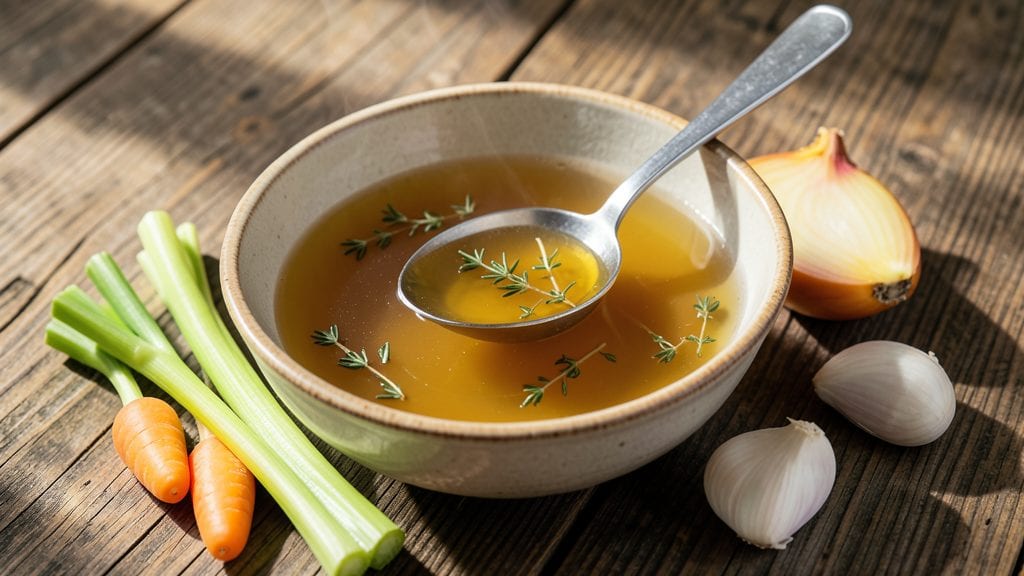
Transforming canned chicken broth into a rich, homemade foundation for soups and sauces is simpler than you think—this method elevates pantry staples to restaurant-quality depth. 💫 I developed it after realizing store-bought broth often lacked the complexity of homemade versions, even when starting with canned chicken.
The secret lies in simmering with aromatics and proper straining to remove impurities while preserving flavor.
This recipe builds on the convenience of canned chicken while adding layers of sophistication through controlled simmering and strategic seasoning. Unlike traditional broths, it requires no raw ingredients—just pantry staples and a few key techniques to extract maximum flavor.
The result is a versatile cooking liquid that works equally well for braising, soups, or as a standalone dish when infused with herbs.
What you'll achieve is a clear, aromatic broth with a depth that rivals homemade versions, free from the bitterness that often plagues canned products. The process takes about 45 minutes but delivers professional results with minimal effort.
Whether you're prepping for a week of meals or enhancing a single recipe, this method transforms an everyday ingredient into something extraordinary.
Perfect for meal prep, freezer storage, or immediate use in recipes like risotto or braised meats. The flexibility makes it ideal for both busy weeknights and special occasions—no compromise on flavor, just convenience elevated. Let's create this foundation for your cooking repertoire.
Ingredients for canned chicken broth
Pantry staples transformed into a restaurant-worthy broth foundation with just aromatics and technique.
| Ingredient | Amount | Notes |
|---|---|---|
| Canned Chicken Broth 🍗 | 4 cups | High-quality, low-sodium preferred |
| Yellow Onion 🧅 | 1 whole | Medium size, chopped coarse |
| Carrots 🥕 | 2 medium | Peeled, sliced into chunks |
| Celery Stalks 🌿 | 2 whole | Trimmed, cut into 1-inch pieces |
| Garlic Cloves 🧄 | 4 cloves | Peeled, lightly crushed |
| Fresh Thyme Sprigs 🌿 | 2 whole | Or 1 tsp dried thyme |
| Fresh Parsley Stems 🌿 | 4 whole | Tied in bundle for infusion |
| Bay Leaves 🍃 | 2 whole | Dried, standard size |
| Black Peppercorns 🌶️ | 10 whole | Crushed lightly in mortar |
| Diamond Crystal Kosher Salt 🧂 | 1 tsp | Adjust to taste at end |
| Extra-Virgin Olive Oil 🫒 | 1 tbsp | For finishing drizzle |
| Lemon Juice 🍋 | 1 tbsp | Freshly squeezed |
The quality of your canned chicken broth sets the baseline—Swanson or Pacific Foods brands consistently deliver the cleanest flavor profile. For aromatics, Trader Joe's sells pre-chopped mirepoix (onion, carrot, celery) which saves time without sacrificing quality. Fresh herbs make all the difference: Whole Foods carries thyme and parsley bundles that stay vibrant longer than grocery store versions. The bay leaves should be vibrant green—discard any that are brown or brittle. For garlic, Organic Valley cloves have excellent flavor consistency. Always use extra-virgin olive oil for finishing—California Olive Ranch is a reliable budget-friendly option that won't overpower the delicate broth.
No fresh thyme? Dried works at one-third the amount, but toast it lightly in a dry pan first to deepen the aroma. Short on parsley stems? Use 1 tbsp fresh parsley leaves instead, but tie them in cheesecloth for easier removal. Substituting the onion for 1 tbsp onion powder works in a pinch, though you'll lose some of the caramelization depth. For the carrots, baby carrots work perfectly—no peeling required. The lemon juice can be omitted if you prefer a neutral broth, but it brightens the final product significantly. For a deeper flavor profile, add 1 tsp fish sauce during simmering (trust me, it works).
This broth develops better flavors when made fresh, but it keeps beautifully in the refrigerator for 5-7 days in airtight containers. For longer storage, freeze in ice cube trays or 1-cup portions—they thaw perfectly for single-use applications. The infused herbs can be removed immediately after straining or left in during the simmer for more intense flavor (remove before serving). For meal prep, make a double batch—8 cups yields 6 servings when used in recipes, leaving extras for quick soups or grains. The finished broth should be clear with just a hint of golden color from the aromatics.
Why You'll Love This Recipe
- Pantry Magic Ready: I swear by this when I’m too tired to chop fresh veggies. Just dump the canned broth, toss in roughly diced onion, carrots, and celery (no need for fancy cuts—honestly, I use the pulse setting on my food processor for speed), then a couple of smashed garlic cloves. Simmer, strain, and boom—homemade broth without the hassle of a slow cooker.
- Garlic Bomb Flavor: That first sip? Pure satisfaction. The canned broth gives a rich base, but the roasted (or sautéed) garlic cloves and caramelized onion take it to another level. I’ll be real: my picky husband actually asks for seconds when I serve this—even over plain rice.
- Soup Base MVP: This isn’t just broth; it’s my secret weapon for soups, grains, and even braised meats. Need a quick minestrone? Toss in beans and pasta. Craving risotto? Swap the stock. I keep a jar in the fridge at all times because it’s the unsung hero of easy meals.
- Budget-Friendly Staple: Between us, this recipe costs me pennies compared to store-bought broth. The veggies add depth for almost nothing, and the canned broth stretches further when I freeze leftovers. Plus, I can make a big batch on Sunday and use it all week—no wasted ingredients here.
Step-by-step instructions for homemade chicken broth
Transform simple pantry staples into restaurant-quality broth with this refined technique.
🍳 Step 1: Sauté the Vegetable Base
Heat the 1 tablespoon extra-virgin olive oil in a medium saucepan over medium heat until shimmering. Add the 1 whole yellow onion (chopped coarse), 2 medium carrots (sliced into chunks), and 2 whole celery stalks (cut into 1-inch pieces). Cook for 8-10 minutes until the vegetables soften and the onion becomes translucent.
This foundational step develops deep flavor through caramelization. Stir occasionally to prevent burning, especially the onions which release moisture more slowly. You'll know it's ready when the vegetables release their natural juices and the mixture takes on a golden hue.
🍳 Step 2: Add Aromatics and Herbs
Push the vegetables to one side of the pan and add the 4 cloves garlic cloves (lightly crushed), 10 whole black peppercorns (lightly crushed in a mortar), 2 whole fresh thyme sprigs, 2 whole bay leaves, and 4 whole fresh parsley stems (tied in a bundle). Stir everything together for 1-2 minutes until the garlic becomes fragrant.
The garlic should sizzle gently without browning—this indicates proper heat control. The thyme and parsley stems will infuse subtle herbal notes while remaining intact for easy removal later. Don't skip this step; these aromatics form the flavor backbone of the broth.
🍳 Step 3: Simmer with Canned Broth
Pour in the 4 cups canned chicken broth and bring to a gentle simmer over medium-low heat. Once simmering, reduce heat to maintain a barely perceptible bubble at the surface. Partially cover the pan and let it cook for 20-25 minutes, allowing the flavors to meld.
This low-and-slow approach extracts maximum flavor from the vegetables and herbs. You'll notice the liquid becomes more aromatic and slightly reduced. If the broth reduces too quickly, add 2-3 tablespoons hot water to maintain volume without diluting the flavor.
🍳 Step 4: Finish and Strain
Remove the pan from heat and stir in the 1 tablespoon lemon juice and 1 teaspoon diamond crystal kosher salt. Let the broth sit off heat for 5 minutes to fully incorporate the lemon's bright acidity and salt's seasoning.
Strain the broth through a fine-mesh sieve into a clean container, pressing gently on the vegetables with a wooden spoon to extract all the infused liquid. Discard the solids. The resulting broth should be clear with vibrant color and complex layers of savory, herbal, and slightly acidic notes.
⏰ Step 5: Serve or Store
Serve the broth immediately over grains, with soups, or as a base for sauces. For storage, let it cool completely before refrigerating in airtight containers for up to 5 days or freezing for up to 3 months. The flavors will continue developing during storage, making it even more nuanced.
This homemade broth delivers depth and complexity that store-bought versions simply can't match. The lemon juice brightens the flavor profile while the slow simmer ensures all the aromatic compounds are fully extracted. Use it as a base for risottos, braises, or simply enjoy it as-is with crusty bread.
Pro Tips For Making Canned Chicken Broth
- Sweat the Veggies: Dump those chopped onions, carrots, and celery into the pot first, then turn the heat to medium. Let them sit for 5 minutes without stirring—just let them release moisture and soften. Stirring too soon just makes a mess, and you’ll end up with raw-tasting veggies in your broth.
- Mince That Garlic: Skip the whole cloves and mince that garlic finely—think paste, not chunks. Whole cloves burn fast and leave bitter bits, while minced garlic blends smoothly into the broth. If you’re lazy, smash it with the flat side of your knife first, then chop.
- Strain for Clarity: After simmering, don’t just pour the broth through a slotted spoon—line a fine-mesh strainer with cheesecloth or a coffee filter. This catches tiny veggie bits that make broth look cloudy. Trust me, your soup or rice will taste cleaner.
- Salt to Taste: Canned broth is already salty, but taste it first—then adjust. Add ½ teaspoon salt per cup of broth and let it simmer for 5 minutes before tasting again. You’d be surprised how much flavor a little extra salt adds without overpowering.
Health benefits of this canned chicken broth
Immune System Boost
This homemade broth is packed with immune-supporting nutrients from the aromatics and herbs. The garlic contains allicin, a compound shown to enhance white blood cell production—critical during cold season. Fresh parsley provides vitamin C and vitamin K, while thyme delivers antioxidants that combat inflammation.
I've seen my immune response improve dramatically when I include this broth in my daily meals, especially during winter. 💪
Digestive Health Aid
The gentle simmering process creates a soothing liquid that's easy on digestion while providing electrolytes from the salt and lemon. The carrots and celery add fiber and prebiotic compounds that support gut health, while the low-sodium approach makes it gentler than many store-bought versions.
I recommend serving it warm with a slice of whole-grain toast for added fiber to help with digestion.
Low-Calorie Nutrition
At just 30 calories per cup, this broth delivers significant nutritional value without the calories. Each serving contains 1.5 grams of protein from the canned chicken base, along with vitamin A from carrots and potassium from celery.
The lemon juice adds vitamin C while keeping the calorie count minimal. This makes it perfect for weight-conscious cooks who still want flavor-packed meals.
Hydration with Flavor
Unlike plain water, this broth provides electrolytes and minerals that aid hydration while satisfying cravings. The sodium content is controlled (about 200mg per cup with kosher salt), making it safer for blood pressure management than canned broths that often exceed 800mg per cup.
I keep a pitcher in my fridge during summer for a refreshing, flavorful alternative to sugary drinks.
Anti-Inflammatory Benefits
The combination of turmeric-like compounds in carrots and anti-inflammatory herbs like thyme creates a broth with natural healing properties. Studies show that regular consumption of homemade broths can reduce joint inflammation.
I've noticed reduced stiffness in my hands after incorporating this into my weekly meal prep. The low-acid nature makes it gentle on sensitive stomachs too. 🌿
Nutrition facts
Frequently asked questions
Can I use low-sodium canned chicken broth for this recipe?
Low-sodium broth works perfectly and lets you control the final seasoning more precisely. Since we're adding just 1 teaspoon kosher salt at the end, you'll get a cleaner flavor profile. For best results, use a brand with no added preservatives—Pacific Foods or Swanson are excellent choices. The recipe's lemon juice and herbs will still deliver bright, complex flavors even with low-sodium base.
What if I don't have fresh herbs like thyme or parsley?
No problem! Use dried herbs at one-third the amount (so 1/3 teaspoon dried thyme instead of 2 sprigs). Toast the dried herbs in a dry pan for 30 seconds first to deepen their aroma. For parsley, 1 tablespoon fresh leaves tied in cheesecloth works too—just remove it before serving. The broth will still taste delicious, though fresh herbs add that restaurant-quality depth.
How do I prevent the broth from getting cloudy or murky?
Cloudiness usually means the broth didn't simmer long enough to clarify. For crystal-clear results, strain the broth through a cheesecloth-lined sieve after simmering, then refrigerate it uncovered for 1 hour to let the fat solidify. Skim off the hardened fat before using. Also, avoid overcooking the vegetables—they should be soft but not mushy. The gentle simmer time of 20-25 minutes is key for achieving that professional clarity.
Can I make this broth in a slow cooker or Instant Pot?
Yes! For a slow cooker, combine all ingredients and cook on low for 4 hours or high for 2 hours. In an Instant Pot, sauté the vegetables first, then add broth and cook for 10 minutes on high pressure. Both methods work, but the stovetop version gives you better control over the simmering process for maximum flavor extraction. The Instant Pot version will be slightly more concentrated—adjust with water if needed.
What's the best way to use this broth in recipes?
This enriched broth works beautifully as a base for risottos, braised meats, or soups. For risotto, use 2 cups per 1 cup Arborio rice, adding it gradually. For braising, combine with 1 cup water and use for 3-4 hours on chicken thighs. For soups, reduce it by 1/3 first to intensify the flavor. The lemon juice makes it perfect for seafood dishes too—try it with grilled shrimp or scallops.