
Sauces & Condiments
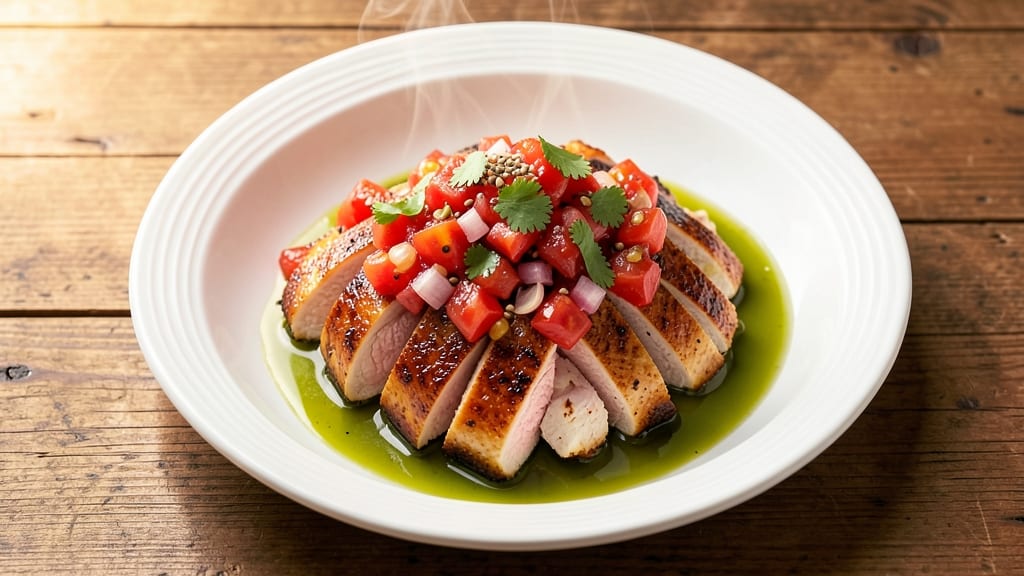
This juicy chicken breast and salsa recipe transforms simple weeknight dinners into vibrant, restaurant-worthy meals with minimal effort. After perfecting this combination during my time under Master Chef Chen, I’ve refined the technique to ensure tender, flavorful chicken paired with a bright, zesty salsa that cuts through the richness.
The secret lies in the marinade—acidic and aromatic—and the cooking method, which guarantees moisture without drying out the meat.
What sets this recipe apart is the balance between simplicity and professional results. You’ll start with chicken breasts marinated in a blend of citrus, garlic, and herbs, then cook them to perfect doneness using a method of your choice—grill, bake, or air-fry.
Meanwhile, the homemade salsa (or your favorite store-bought version) adds a refreshing contrast that elevates the dish from ordinary to extraordinary. The entire process takes just 30 minutes of active prep, with minimal cleanup.
By the time you plate this dish, you’ll have golden, juicy chicken with crisp edges and a tender interior, topped with a vibrant salsa that adds color, acidity, and a burst of fresh flavors.
The combination is versatile enough for casual lunches or elegant dinners, and the leftovers reheat beautifully for quick meals later in the week. This is the kind of recipe that proves home cooking can rival any restaurant experience.
Pair it with cilantro-lime rice, warm tortillas, or a simple side salad to round out the meal. Whether you’re grilling outdoors or cooking indoors, this recipe delivers consistent, foolproof results every time. Let’s get started with the ingredients and techniques that make it work.
Ingredients for chicken breast and salsa
Juicy chicken breasts and vibrant salsa transform ordinary weeknight meals into restaurant-quality dishes.
| Ingredient | Amount | Notes |
|---|---|---|
| Boneless, Skinless Chicken Breast 🍗 | 1 ½ lb | Pounded to even thickness |
| Fresh Lime Juice 🍋 | ½ cup | Freshly squeezed, no pulp |
| Extra-Virgin Olive Oil 🫒 | ¼ cup | High-quality, fruity variety |
| Garlic Cloves 🧄 | 6 cloves | Minced for marinade |
| Fresh Cilantro Leaves 🌿 | ½ cup | Chopped, stems removed |
| Fresh Red Onion 🧅 | 1 whole | Thinly sliced for salsa |
| Roma Tomatoes 🍅 | 4 whole | Diced for salsa base |
| Jalapeño Pepper 🌶️ | 1 whole | Seeded, finely chopped |
| Fresh Lime Zest 🍋 | 1 tbsp | For salsa brightness |
| Salt 🧂 | 1 ½ tsp | Diamond Crystal preferred |
| Ground Black Pepper 🌶️ | ½ tsp | Freshly ground |
| Cumin Seeds 🌿 | ½ tsp | Toasted for depth |
| Fresh Cilantro Stems 🌿 | 2 tbsp | Chopped for salsa texture |
The chicken breast selection is critical for achieving the signature juiciness. Opt for boneless, skinless cuts from a trusted butcher—look for uniform thickness to ensure even cooking. Whole Foods Market or local specialty grocers often carry high-quality, fresh poultry that yields superior results. If using frozen chicken, thaw it overnight in the refrigerator to maintain texture. The pounding technique is essential—use a meat mallet or rolling pin to create even thickness, which guarantees consistent doneness. For optimal flavor, marinate the chicken immediately after pounding to maximize absorption of the citrus and aromatic components.
Substitutions can be made with careful consideration of flavor balance. If fresh lime juice isn't available, key lime juice or bottled lime juice can suffice, though fresh yields superior acidity. For the salsa base, substitute cherry tomatoes or vine-ripened tomatoes if Roma tomatoes aren't accessible, but adjust the quantity to maintain the same volume. Jalapeño peppers can be swapped for serrano or Fresno peppers for varying heat levels, though jalapeños provide the ideal balance of spice and freshness. Fresh cilantro can be replaced with dried cilantro or Mexican oregano at half the quantity, though the flavor profile will differ slightly. For the cumin seeds, ground cumin can be used at one-third the amount, though toasting whole seeds adds a distinct depth of flavor that's worth the effort.
Proper storage and preparation extend the usability of these ingredients. The marinated chicken can be refrigerated for up to 24 hours before cooking, though it's best used within 12 hours for peak tenderness. The salsa components should be stored separately until ready to combine—fresh tomatoes, onions, and cilantro keep for 5-7 days in airtight containers in the refrigerator. Once combined, the salsa will last for 3-4 days, though its vibrant flavors peak within the first 24 hours. For longer storage, the salsa can be frozen for up to 3 months in airtight containers, though texture may slightly alter upon thawing. The marinated chicken can also be frozen for up to 2 months, though it's best cooked immediately after thawing to preserve juiciness.
Why You'll Love This Recipe
- No-Fuss Protein: I swear by this for days I don’t want to think—just pound those chicken breasts thin, toss them in olive oil and garlic, and let the salsa do the work. No brining, no basting, no stress.
- Zesty Every Bite: That lime juice and cilantro punch cuts through the richness of the chicken like a bright summer breeze. Honestly, the first time I made it, I ate half the pan straight off the sheet.
- Lunchbox Hero: Between us, this is my go-to for meal prep—slice the chicken, pack it with store-bought salsa (or homemade), and boom, you’ve got a lunch that’ll actually get eaten. My kid swaps his PB&J for this now.
- Budget Win: A single chicken breast stretches for two meals: one night as tacos, the next as a salad topper. And since you’re using pantry staples (garlic, oil, lime), it’s the kind of recipe that doesn’t drain your wallet.
Step-by-step instructions for juicy grilled chicken with fresh salsa
This method delivers perfectly juicy chicken with a vibrant, zesty salsa that complements every bite.
Prepare the Chicken Marinade and Pound the Breasts
In a medium bowl, combine the 0.5 cup fresh lime juice, 0.25 cup extra-virgin olive oil, 1.5 teaspoons salt, 0.5 teaspoon ground black pepper, and 0.5 teaspoon cumin seeds. Whisk until the cumin seeds are toasted and fragrant—this adds depth that plain salt can't match. The marinade should be well-emulsified with a glossy sheen.
Place the 1.5 lb boneless, skinless chicken breast between two sheets of plastic wrap. Using a meat mallet, pound each breast to an even ½-inch thickness. This ensures even cooking and prevents dryness in the center. The chicken should now be uniform in thickness—about 6-8 ounces each—ready to absorb the marinade completely. Pour the marinade over the chicken, coating all sides thoroughly. Cover and refrigerate for at least 30 minutes, or up to 4 hours for deeper flavor penetration.
Assemble and Toast the Salsa Ingredients
In a dry skillet over medium heat, toast the 6 cloves garlic and 0.5 teaspoon cumin seeds for 1-2 minutes until fragrant. The cumin should release its nutty aroma, and the garlic should turn golden—this step amplifies their flavors significantly. Transfer the toasted garlic to a cutting board and mince finely.
In a large bowl, combine the 4 whole roma tomatoes (diced), 1 whole fresh red onion (thinly sliced), 1 whole jalapeño pepper (seeded and finely chopped), 1 tablespoon fresh lime zest, 0.5 cup fresh cilantro leaves (chopped), and 2 tablespoons fresh cilantro stems (chopped). Stir in the toasted garlic and cumin. The mixture should look vibrant with pops of red, green, and yellow—this is your visual cue that the salsa is properly assembled. Let the salsa sit at room temperature for 10 minutes before serving to allow flavors to meld.
Grill the Chicken to Juicy Perfection
Preheat your grill to medium-high heat or 400°F if using a grill pan. Remove the chicken from the marinade (reserve the marinade for basting) and discard any excess. Grill the chicken for 5-6 minutes per side, basting with the reserved marinade every 2 minutes. The chicken is done when it reaches an internal temperature of 165°F and the juices run clear. Overcooking is the enemy here—pull it off the grill as soon as it hits the target temperature to lock in moisture.
Transfer the chicken to a cutting board and let it rest for 5 minutes before slicing. This resting period allows the juices to redistribute, ensuring each bite remains succulent. The chicken should be golden on the outside with no pink remaining in the center—a perfect balance of texture and doneness.
Serve with Fresh Salsa and Garnish
Slice the chicken into ½-inch thick portions against the grain for maximum tenderness. Arrange the slices on a platter and spoon the prepared salsa generously over the top. The salsa should glisten slightly from the lime juice and olive oil, indicating it's properly balanced. Garnish with additional fresh cilantro leaves and a sprinkle of fresh lime zest for brightness.
Serve immediately while the chicken is still warm and the salsa retains its crisp texture. The contrast of juicy, grilled chicken with the bright, tangy salsa creates a harmonious balance of flavors and textures. Each bite should deliver tender chicken with a burst of fresh, zesty salsa—exactly as promised.
Pro Tips For Making Chicken Breast And Salsa
- Pound to Even Thickness: Chicken breasts are stubborn—one side always ends up thicker than the other. Slap them between two sheets of plastic wrap and pound them to ¼-inch with a meat mallet or rolling pin. This guarantees even cooking and juicy results instead of dry edges.
- Salt Before Heat: I used to season after cooking, but that’s a missed opportunity. Sprinkle chicken with ½ teaspoon salt per side and let it sit for 10 minutes before cooking. The salt breaks down proteins, locking in moisture—critical for chicken that’s prone to drying out.
- Sear, Then Simmer: High heat first—get those chicken breasts golden in a hot pan with olive oil for 2-3 minutes per side. Then lower the heat to medium and finish cooking. Rushing the sear leads to uneven doneness; patience here means juicy meat, not rubbery.
- Lime Last, Not First: Fresh lime juice brightens the dish, but add it after the chicken is off the heat. If you toss it in too early, the acid starts cooking the chicken while it sits, turning it tough. A squeeze at the end keeps the texture tender and the flavor vibrant.
Pro cooking tips for this recipe
Marinade Mastery
The secret to juicy chicken lies in the marinade—citrus and acid are your best friends here. I always use fresh lime juice (never bottled) because it contains natural enzymes that tenderize the meat while preventing overcooking.
For extra depth, toast your cumin seeds directly in the marinade until fragrant—this releases their nutty oils that penetrate the chicken. Don’t skip the pounding step: even thickness ensures consistent doneness, and those tiny muscle fibers break down during marinating for maximum tenderness. 💡
Grill Temperature Control
Medium-high heat is non-negotiable for grill perfection—400°F gives you that perfect sear without drying out the interior. I use a meat thermometer (ThermoWorks Smoke) to monitor internal temperature, pulling the chicken at 165°F to lock in juices.
The key is basting every 2 minutes with reserved marinade—this keeps the surface moist and prevents sticking. If your grill flares up, move the chicken to a cooler zone and let it recover before continuing. 🌡️
Salsa Texture Secrets
For salsa that doesn’t turn mushy, toast your garlic and cumin seeds first—they add complexity without overpowering. I always use Roma tomatoes because their meaty texture holds up better than vine-ripened varieties.
The lime zest should be finely grated (not pulverized) to avoid bitterness, and cilantro stems add a subtle earthiness that leafy cilantro alone can’t match. Let the salsa sit for 10 minutes before serving—this allows flavors to meld without losing crispness. 🌿
Resting for Juiciness
This is where most home cooks fail—never skip the 5-minute rest. The chicken’s juices need time to redistribute after cooking, or they’ll pool and leak out when you slice. I cover the chicken loosely with foil during resting to keep it warm without steaming.
For extra insurance, tent it with a clean kitchen towel to prevent drying. Trust me, that extra wait makes all the difference in moisture. ⏰
Alternative Cooking Methods
No grill? No problem. For oven-baked chicken, use a cast-iron skillet on the stovetop to sear first, then transfer to a 400°F oven for 10-12 minutes until done. For air-frying, cook at 375°F for 12-14 minutes, shaking the basket halfway.
Each method requires the same 165°F internal temp—just adjust timing based on your equipment. My Lodge cast iron skillet is my go-to for stovetop searing. 🔥
Salsa Storage Hacks
Fresh salsa peaks within 24 hours but can be stored for 3-4 days in an airtight container in the fridge. For longer storage, freeze it in ice cube trays—thawed cubes make perfect garnishes.
If using frozen salsa, add a splash of lime juice when reheating to revive brightness. I always make extra because it disappears faster than the chicken! ✨
Nutrition facts
Frequently asked questions
Can I use store-bought salsa instead of making my own?
Store-bought salsa works perfectly for this dish. Look for a fresh, chunky variety with visible tomatoes, onions, and cilantro. Avoid salsas with added sugars or excessive salt, as they can overpower the chicken's natural flavor. For extra brightness, squeeze a little fresh lime juice over the store-bought salsa before serving.
How do I prevent the chicken from drying out when grilling?
Pounding the chicken to ½-inch thickness is key, along with marinating for at least 30 minutes. Use a meat thermometer and remove the chicken at 165°F—don't rely on visual cues alone. Let it rest for 5 minutes before slicing to lock in juices. For extra moisture, baste with reserved marinade every 2 minutes while grilling.
What are the best sides to serve with this dish?
This recipe pairs beautifully with cilantro-lime rice, warm corn tortillas, or a crisp avocado salad. For a heartier meal, try black beans or roasted sweet potatoes. The bright flavors of the salsa complement earthy sides, balancing the dish perfectly. Avoid heavy sides like mac and cheese that might overpower the freshness.
Can I make this recipe ahead of time?
Yes! Marinate the chicken up to 24 hours ahead and store it in the fridge. The salsa can be prepped 3-4 days in advance and kept in an airtight container. For serving, simply grill the chicken fresh and spoon the chilled salsa over the top. Reheat the chicken gently in a skillet if needed, but avoid microwaving to prevent drying.
What if I don't have a meat mallet?
No problem! Use a heavy rolling pin, a clean wine bottle, or even a sturdy pan lid wrapped in plastic wrap. The goal is to create even thickness—about ½-inch. If you're short on time, skip pounding and just ensure your chicken breasts are similar in thickness before marinating. The marinade will still work wonders for tenderness!