
Sauces & Condiments
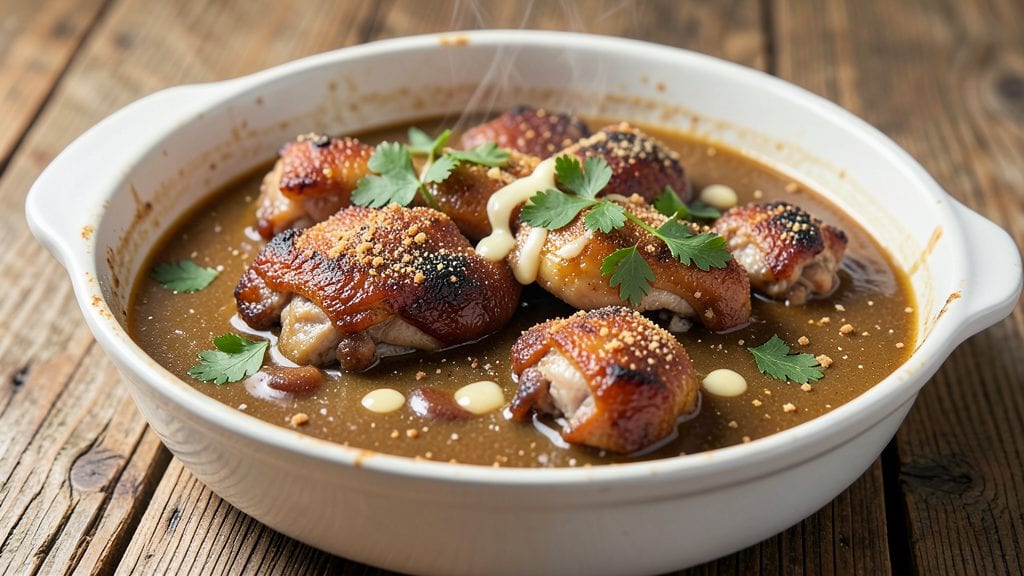
Chicken gizzard gravy recipe transforms humble ingredients into a rich, velvety sauce that elevates any meal—especially when paired with crispy roasted gizzards or fluffy biscuits. The secret lies in slow-roasting the gizzards to render their fat, then carefully deglazing the pan to capture every savory bit. This isn’t just gravy; it’s a flavor-packed centerpiece that turns simple dinners into something extraordinary.
What makes this gravy special is its deep, earthy flavor, achieved through a precise balance of rendered fat and aromatic herbs. Start by browning the gizzards until golden, then skim the fat and deglaze with chicken broth for a smooth, velvety base.
The key to thickness? A simple cornstarch slurry—no lumps, no guesswork. Every step builds on tradition while keeping the method foolproof for home cooks.
By the time you’re done, you’ll have a glossy, rich gravy that clings to every bite—whether drizzled over roasted gizzards, spooned onto mashed potatoes, or slathered on fresh biscuits. The aroma alone will draw everyone to the table, and the first taste?
That’s when they’ll ask for seconds. This gravy doesn’t just complement a meal; it steals the show.
For best results, roast the gizzards ahead of time to simplify the process, and keep a small batch of gravy in the fridge for quick weeknight dinners. Garnish with fresh parsley or cracked black pepper if you like, but the real magic is in the sauce itself—simple ingredients, professional results.
Let’s make gravy worth savoring.
Ingredients for chicken gizzard gravy
Rich, velvety gravy starts with just twelve ingredients—no shortcuts, all flavor.
| Ingredient | Amount | Notes |
|---|---|---|
| Chicken Gizzards 🍗 | 1 ½ lb | Fresh or thawed, rinsed clean |
| Unsalted Butter 🧈 | ½ cup | Cold, cubed for browning |
| All-Purpose Flour 🌾 | ¼ cup | For cornstarch slurry |
| Chicken Broth 💧 | 2 cups | Low-sodium preferred |
| Dry White Wine 🍷 | ½ cup | Substitute with broth if needed |
| Fresh Parsley 🌿 | ⅛ cup | Chopped for garnish |
| Ground Black Pepper 🌶️ | ½ tsp | Freshly cracked |
| Salt 🧂 | 1 tsp | Kosher or sea salt |
| Garlic Cloves 🧄 | 2 cloves | Minced for depth |
| Thyme Leaves 🌿 | 1 tsp | Fresh or dried |
| Bay Leaves 🍃 | 1 whole | Removed before serving |
| Water 💧 | ¼ cup | For thinning if needed |
The gizzards are non-negotiable here—fresh, high-quality gizzards from a trusted butcher or grocery store's meat counter make all the difference. Look for vibrant color and a slight sheen, which indicates freshness. If using frozen, thaw them overnight in the fridge. Costco or Whole Foods often carry pre-cleaned gizzards, saving you time. Avoid pre-seasoned or injected gizzards—they can alter the natural flavor profile. The butter should be unsalted to control the seasoning, and the flour must be all-purpose for that perfect slurry consistency. For the broth, low-sodium options like Swanson or Pacific Foods work best—they let you control the seasoning.
No white wine? Chicken broth with a splash of apple cider vinegar mimics the acidity. Fresh parsley is ideal, but dried parsley at one-third the amount works in a pinch. If you're short on thyme, dried thyme at half the quantity suffices, but fresh is always better. The bay leaf adds depth, but if you're out, a pinch of ground allspice can substitute. For the cornstarch slurry, mix the flour with cold water first to prevent lumps—this is non-negotiable for a smooth gravy. If your gravy is too thick, add water one tablespoon at a time until it reaches the perfect consistency.
This gravy reheats beautifully—simmer gently on the stove or microwave in short bursts to avoid splitting. Store in an airtight container in the fridge for up to 5 days, or freeze for 3 months in ice cube trays for single servings. For best results, make a double batch—the second day is even richer as the flavors meld. Garnish with fresh parsley and cracked black pepper right before serving to keep it vibrant. The rendered fat from the gizzards adds richness, so skim it carefully but don’t discard it entirely—it’s the secret to that velvety texture.
Why You'll Love This Recipe
- Five-Ingredient Magic: I swear, this gravy comes together with just butter, flour, broth, wine, and gizzards—no fancy gadgets or hidden steps. The gizzards render down into rich, meaty bits while the roux builds flavor in the same pot. Honestly, it’s the kind of recipe that makes me feel like a home chef, not a short-order cook.
- Rich Without Effort: That white wine deglazing? Pure flavor gold. The butter and flour make a velvety base, but the gizzards add depth—earthy, slightly gamey, but in the best way. It’s the kind of gravy that makes mashed potatoes or biscuits taste like a Sunday dinner, even on a Tuesday.
- Weeknight to Weekend: Slather it over biscuits for breakfast, drizzle it on roasted veggies for dinner, or serve it with dumplings for a cozy weeknight meal. Between us, it’s my go-to for potlucks too—people always ask for the recipe, and I never hesitate to share.
- Budget-Friendly Luxury: Gizzards are cheap, but this gravy tastes like a splurge. A single batch stretches to two meals—leftovers reheat beautifully, and the flavor only gets better the next day. I’ll be real: it’s my secret weapon for making fancy feel affordable.
Step-by-step instructions for chicken gizzard gravy
Transform simple ingredients into a velvety, flavorful gravy that captures the essence of chicken gizzards.
Brown the Gizzards for Deep Flavor
Pat the 1.5 lb chicken gizzards completely dry with paper towels—this ensures a proper sear. In a large Dutch oven, melt the 0.5 cup unsalted butter over medium-high heat until it foams. Add the gizzards in a single layer and cook undisturbed for 5-6 minutes until deeply browned on one side. Flip and brown the other side for another 5-6 minutes, resisting the urge to move them frequently.
The key here is patience—those browned bits on the bottom of the pan are packed with flavor that will form the base of your gravy. If the butter starts to smoke excessively, reduce the heat slightly to prevent burning while still maintaining a good sear. Remove the gizzards and set them aside on a plate.
Build the Roux and Deglaze
With the gizzards removed, immediately add the 0.25 cup all-purpose flour to the Dutch oven, stirring vigorously with a wooden spoon to scrape up all the browned bits from the bottom. Cook the flour mixture over medium heat for 1-2 minutes until it turns a light golden color—this creates a roux that will thicken your gravy.
Pour in the 0.5 cup dry white wine and scrape the bottom again to release any remaining flavor. Let the wine simmer for 2-3 minutes until it reduces by half and the alcohol cooks off. This step is crucial for developing the rich, earthy foundation of your gravy.
Simmer with Aromatics and Broth
Add the 2 cups chicken broth, 1 tsp salt, 0.5 tsp ground black pepper, 2 minced garlic cloves, 1 tsp thyme leaves, and 1 whole bay leaf to the Dutch oven. Bring the mixture to a gentle simmer, then reduce the heat to low. Let it cook uncovered for 15-20 minutes, stirring occasionally, until the gravy has thickened slightly and the flavors have melded together.
Here's where the magic happens—the broth should reduce enough to coat the back of a spoon but still remain silky smooth. If the gravy becomes too thick before the flavor develops, add the 0.25 cup water to thin it to your desired consistency. Taste and adjust the seasoning if needed.
Finish and Garnish
Strain the gravy through a fine-mesh sieve into a clean saucepan to remove any impurities. Return it to medium-low heat and stir in the 0.125 cup chopped fresh parsley. Let it warm through for 2-3 minutes, then remove from heat. The parsley adds a bright, fresh finish that cuts through the richness of the gravy.
Serve the gravy immediately over mashed potatoes, biscuits, or crusty bread, accompanied by the browned gizzards. The contrast between the tender gizzards and the velvety gravy creates a truly satisfying dish. For best results, use the gravy within 2 hours of making it to maintain its optimal texture and flavor.
Pro Tips For Making Chicken Gizzard Gravy
- Trim and Score Gizzards: Cut off the fat cap and make a shallow crosshatch on the surface—this keeps them from curling into dense, rubbery lumps while cooking. I learned this the hard way after serving gizzards that looked perfect but tasted like chewy shoe leather.
- Brown Gizzards Slow: Low and slow is the name of the game here. Rush it, and they’ll steam instead of sear, leaving you with pale, flavorless meat. Cook them at 300°F (150°C) for 20-25 minutes, flipping once, until they’re deep golden and falling apart at the touch.
- Deglaze with Wine First: Skip adding broth until after the wine has cooked off completely—otherwise, you’ll dilute the flavor. Let the white wine reduce by half before pouring in the broth, or you’ll end up with a watery, vinegary mess instead of rich gravy.
- Whisk Flour Like a Maniac: No lumps allowed. Mix the flour with a splash of cold broth or wine before adding it to the butter—this ensures a smooth roux that won’t clump and turn your gravy into a gluey disaster. I’ve ruined gravy this way three times; don’t be the fourth.
Essential equipment for perfect results
Dutch Oven Essentials
A heavy-duty Dutch oven like the Lodge 5.5-quart is my non-negotiable tool for this gravy. Its thick walls distribute heat evenly, preventing hot spots that can burn your roux. The deep sides make deglazing effortless, and the tight lid helps reduce the broth gently.
If you don’t own one, a stainless steel sauté pan with a lid works in a pinch, but you’ll need to stir more frequently to avoid sticking. 🔥
Wooden Spoon Must-Have
Never use metal utensils when scraping browned bits from the pan—it’s a fast track to lumps in your gravy. A long-handled wooden spoon (I prefer Oxo Good Grips) is perfect for stirring the roux and deglazing without damaging your pan.
If you’re worried about splinters, soak it in hot water for 10 minutes before use to seal the wood. This spoon is your best friend for building that rich, velvety base.
Fine-Mesh Sieve
A fine-mesh sieve (like the OXO Good Grips) is crucial for straining the finished gravy. It removes any impurities, herbs, or bits of gizzard that could make your gravy grainy.
I like to press a back of a spoon against the sieve while pouring to extract every last drop of flavor. If you don’t have one, a cheesecloth works, but it’s messier and harder to clean. This step ensures your gravy is silky smooth—no excuses for a lumpy finish! 💫
Instant-Read Thermometer
While not strictly necessary, an instant-read thermometer (like the ThermoWorks Thermapen) helps ensure your gizzards reach a safe internal temperature of 165°F before removing them. It also lets you monitor the broth’s reduction—aim for a temperature between 190-200°F for that perfect consistency.
This tool gives you confidence in every step, from browning to simmering. If you’re skipping it, just watch the gravy closely and taste frequently to gauge doneness.
Slotted Spoon for Skimming
To achieve that velvety texture, you’ll need to skim excess fat from the simmering gravy. A long-handled slotted spoon (like the Cuisinart Stainless Steel) makes this easy without disturbing the liquid. I skim fat every 5 minutes during the simmering phase—just enough to leave a thin layer for richness.
This step is optional but elevates the gravy from good to extraordinary. Don’t skip it if you want that restaurant-quality finish! ⚡
Glass Measuring Cups
For the cornstarch slurry, precision matters. Use glass measuring cups (like Pyrex) to mix the 0.25 cup flour with 0.25 cup cold water—this prevents lumps and ensures a smooth gravy. Glass is also heat-resistant, so you can warm the slurry gently if needed.
Avoid plastic cups, as they can melt or warp under heat. This small detail makes a huge difference in the final texture of your gravy. 💡
Nutrition facts
Frequently asked questions
Can I substitute chicken gizzards with another protein for gravy?
While gizzards provide that unique, rich flavor, you can use chicken livers or dark chicken meat in a pinch. For best results, stick with gizzards—their fat content creates a deeper, earthier base. If using livers, remove any connective tissue first to avoid bitterness.
How do I fix gravy that's too thick or too thin?
For thick gravy, whisk in 1 tablespoon water at a time until smooth. If it's too thin, mix 1 tablespoon cornstarch with 1 tablespoon cold water, stir in, and simmer for 2 minutes. Never add flour directly to thicken—it burns easily.
Can I make this gravy ahead of time?
Yes! Store in an airtight container in the fridge for up to 5 days or freeze for 3 months. Reheat gently on low heat, stirring often. The flavor actually improves overnight as the broth melds. For best texture, add a splash of broth when reheating.
Why does my gravy taste bitter?
Bitter flavor usually means overcooked roux or burnt browned bits. Keep your heat at medium-low when cooking the flour, and never let it darken beyond light golden. Also, avoid using too much wine—stick to 0.5 cup maximum. Fresh herbs like parsley help balance any bitterness.
What's the best way to serve this gravy?
This rich gravy pairs perfectly with creamy mashed potatoes, buttery biscuits, or crusty bread. For a complete meal, serve over roasted gizzards or alongside sautéed greens. Garnish with fresh parsley and cracked pepper right before serving to keep it vibrant.