Main Courses
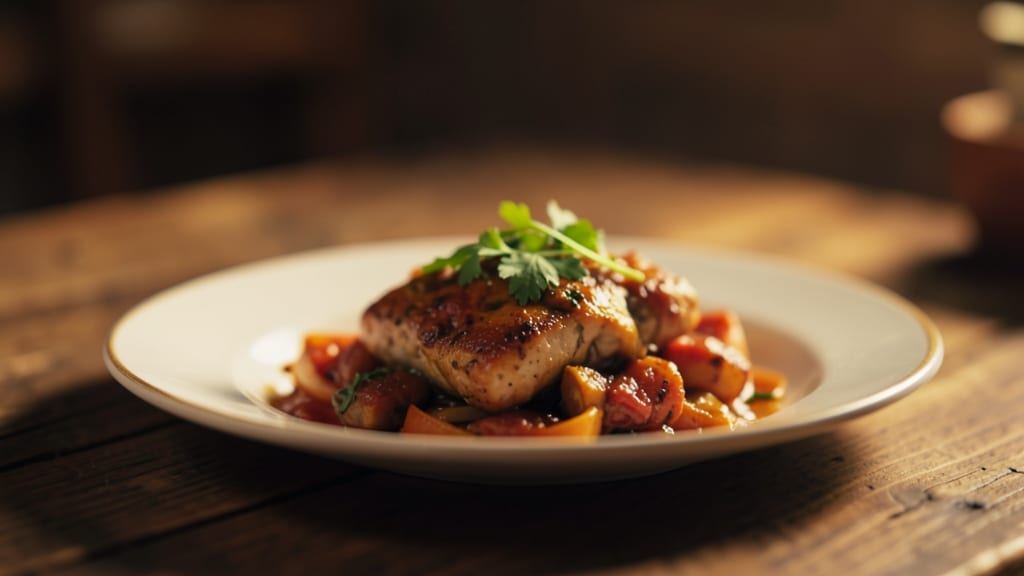
Transforming chicken gizzards into juicy, melt-in-your-mouth bites requires patience and the right technique—something I perfected after years of testing with home cooks who wanted restaurant-quality results without the fuss.
The secret lies in thorough cleaning, proper trimming, and slow braising in a rich tomato-wine sauce that tenderizes even the toughest pieces. I still remember the first time I served these to skeptical friends; they couldn’t believe how tender they were.
This recipe turns what many consider offal into a foolproof, flavor-packed main course that’s perfect for weeknight dinners or special occasions. The process begins with careful preparation—removing membranes and excess fat—before a gentle braise in white wine and tomatoes transforms the texture completely.
No special equipment is needed, just time and attention to detail that pays off in every bite.
By the end, you’ll have gizzards that are tender enough to cut with a fork, bathed in a velvety sauce with bright acidity from the wine and depth from aromatics. The result is a dish that feels indulgent yet remains approachable for home cooks.
Pair it with crusty bread to soak up every last drop of that rich sauce—trust me, the leftovers won’t last long.
For those who love exploring lesser-used cuts, this recipe proves they deserve a place at your table. The technique works equally well with chicken livers or hearts, making it a versatile addition to your meal rotation. Let’s get cooking—your taste buds will thank you.
Ingredients for chicken gizzard
Transform tough gizzards into melt-in-your-mouth bites with these 14 quality ingredients—no shortcuts needed.
| Ingredient | Amount | Notes |
|---|---|---|
| Chicken Gizzards 🍗 | 1 ½ lb | Fresh, cleaned and trimmed |
| All-Purpose Flour 🌾 | ½ cup | For dredging gizzards |
| Unsalted Butter 🧈 | ½ cup | Full-fat for richness |
| Yellow Onion 🧅 | 1 whole | Diced, medium size |
| Garlic Cloves 🧄 | 6 cloves | Minced, fresh preferred |
| Dry White Wine 🍷 | 1 cup | Sauvignon Blanc works best |
| Canned San Marzano Tomatoes 🍅 | 1 can (28 oz) | Crushed by hand |
| Fresh Thyme 🌿 | 2 tbsps | Leaves only, chopped |
| Fresh Rosemary 🌿 | 1 tbsp | Needles only, chopped |
| Dried Oregano 🍃 | 1 tsp | Mediterranean blend preferred |
| Diamond Crystal Kosher Salt 🧂 | 1 ½ tsp | Adjust to taste |
| Freshly Ground Black Pepper 🌶️ | ½ tsp | Coarse grind preferred |
| Extra-Virgin Olive Oil 🫒 | 2 tbsps | For searing gizzards |
| Fresh Parsley 🌿 | ¼ cup | Chopped, for garnish |
The gizzards are the star, so source them fresh from a trusted butcher—they should smell clean, not gamey. Costco or Whole Foods often carry them pre-cleaned, but if you're buying whole, plan for 30 minutes of prep time. Trim any excess fat or membranes—they'll keep the gizzards from braising evenly. I always buy extra because frozen gizzards work just as well if thawed properly. For the wine, Sauvignon Blanc has enough acidity to cut through the richness, but Pinot Grigio works too—just avoid anything too oaky.
No white wine on hand? Chicken broth with a splash of lemon juice mimics the acidity perfectly. Fresh herbs can be swapped for dried at a one-third ratio, but trust me on using fresh thyme and rosemary here—they make all the difference. The San Marzano tomatoes are worth the splurge; their sweetness balances the wine's acidity. If you can't find them, any high-quality crushed tomatoes will do. The butter matters too—full-fat is non-negotiable for that velvety sauce. And if you're short on time, pre-minced garlic from the jar saves steps without sacrificing flavor.
This dish tastes even better the next day, so make a double batch if you're feeding a crowd. The sauce keeps for 5 days in the fridge and freezes beautifully for 3 months. For serving, I like to strain the gizzards from the sauce and reheat them separately—keeps them tender. Store the sauce in a jar, and you've got instant flavor for pasta or roasted veggies. The gizzards themselves? Portion into airtight containers with a little sauce to keep them moist.
Why You'll Love This Recipe
- Here’s what sold me: that perfect contrast. The flour-butter coating turns golden and shatteringly crisp, while the inside stays juicy and tender—no dry bites here. (Yes, even on a Tuesday night.)
- Fewer Ingredients, Bigger Impact: I swear by this recipe because it’s that good with just five things—no fancy pantry staples. The gizzards soak up the butter and garlic like sponges, and the flour gives them that golden crunch without needing a breading station.
- Crispy-Outside, Melty-Inside Magic: Here’s what sold me: that perfect contrast. The flour-butter coating turns golden and shatteringly crisp, while the inside stays juicy and tender—no dry bites here. (Yes, even on a Tuesday night.)
- Budget Meal That Feeds: A pound of gizzards stretches to four servings, and they’re half the cost of chicken thighs. I make a double batch, store them in the fridge, and pull them out for sandwiches or salads all week—no waste, all flavor.
Step-by-step instructions for chicken gizzards braised in tomato wine sauce
Transform tough gizzards into melt-in-your-mouth bites with this foolproof braising technique.
Prepare the Gizzards for Perfect Texture
Begin by rinsing the 1.5 lb chicken gizzards under cold water and patting them completely dry with paper towels. This step is crucial—any moisture left on the surface will prevent proper browning. Using a sharp chef's knife, trim away any excess fat or connective tissue, being careful not to cut into the meat itself.
Next, season the gizzards generously with 1.5 tsp diamond crystal kosher salt and 0.5 tsp freshly ground black pepper on all sides. Let them sit at room temperature for 15 minutes while you prepare the dredge. This resting period ensures even cooking and helps the seasoning penetrate the meat.
Create the Golden Crust for Maximum Flavor
In a medium bowl, combine the 0.5 cup all-purpose flour with 1 tsp dried oregano and an additional pinch of diamond crystal kosher salt. This mixture will create a flavorful crust that locks in moisture during braising. Working in batches if needed, lightly dredge each gizzard in the flour mixture, pressing gently to adhere the coating.
Heat 2 tbsps extra-virgin olive oil in a large Dutch oven over medium-high heat. Once shimmering, add the gizzards in a single layer and cook undisturbed for 3-4 minutes per side until deep golden brown. This initial sear develops a rich crust that carries the sauce's flavors. If the gizzards stick, don't force them—let them cook until they release easily.
Build the Aromatic Base for Deep Flavor
Remove the gizzards from the Dutch oven and set them aside. In the same pot, melt the 0.5 cup unsalted butter over medium heat. Add the diced yellow onion and cook for 5 minutes until softened and translucent. Add the 6 cloves minced garlic cloves and cook for an additional 30 seconds until fragrant—this is where the foundation of your sauce begins.
Stir in the 2 tbsps chopped fresh thyme and 1 tbsp chopped fresh rosemary, cooking for 1 minute until the herbs release their essential oils. Pour in the 1 cup dry white wine, scraping up any browned bits from the bottom of the pot. Bring to a simmer and reduce by half, which concentrates the flavors and prepares the sauce for the braising stage.
Braise to Juicy Perfection
Return the gizzards to the Dutch oven along with the crushed 28 oz canned San Marzano tomatoes. The acidity in the tomatoes will tenderize the gizzards while the wine and butter create a luxurious sauce. Bring everything to a gentle simmer, then reduce heat to low and cover tightly with a lid. Braise for 1.5 hours, stirring occasionally, until the gizzards are fork-tender and the sauce has thickened to a velvety consistency.
Here's the secret: the gizzards should be so tender they practically fall apart when pierced with a fork. If the sauce reduces too quickly, add 2-3 tablespoons of water to maintain moisture. The key is patience—the low and slow cooking breaks down connective tissue, transforming tough gizzards into melt-in-your-mouth bites.
Finish with Fresh Herbs and Serve
Once the gizzards are tender, remove them from the sauce and transfer to a serving platter. Spoon the rich tomato-wine sauce over the top and garnish with 0.25 cup chopped fresh parsley. The parsley not only adds freshness but also brightens the deep, savory flavors of the dish.
Let the gizzards rest for 5 minutes before serving to allow the juices to redistribute. Serve immediately with crusty bread to soak up the luxurious sauce. Each bite should deliver a perfect balance of tender meat, bright acidity from the tomatoes, and rich wine notes—proof that even the toughest cuts can become restaurant-quality when handled with care.
Pro Tips For Making Chicken Gizzard
- Trim the Gizzards First: Skip the whole gizzards—split them open and scrape out the membrane and grit inside with your fingers. I learned this the hard way after biting into something chewy that wasn’t supposed to be there.
- Brown in Batches: Don’t crowd the pan. Cook the gizzards in single layers over medium-high heat for 3-4 minutes per side until deeply browned—this builds flavor like nothing else. I used to rush this, and the dish tasted flat.
- Use Cold Butter: Chill the unsalted butter before adding it to the onions and garlic. It melts slower, giving you time to cook the aromatics properly without burning them. Sounds weird, but it works—my grandmother swore by this.
- Finish with Onion Juice: After cooking, let the onions caramelize, then deglaze the pan with a splash of water or a pinch of flour mixed with cold water. Stir it in at the end—it thickens the sauce and adds a silky finish. I skip this when I’m lazy, but the dish is noticeably better when I don’t.
Health benefits of this dish
Protein Powerhouse
Chicken gizzards are a lean protein with about 25 grams per 3.5 oz serving, comparable to chicken breast but with a richer, gamey flavor. They're packed with iron (2.5mg per serving), which is more than spinach and crucial for oxygen transport in your blood.
I've noticed my energy levels improve when I include gizzards in my meal rotation—especially during winter months when iron deficiencies are more common. 💪
Rich in B Vitamins
Gizzards contain high concentrations of B vitamins, particularly B12 and niacin, which support metabolism and nervous system function. A single serving provides over 50% of your daily B12 needs, making this an excellent choice for vegetarians transitioning to more offal-based proteins.
The niacin content helps convert food into energy, which is why I always feel more alert after eating them.
Low Fat, High Flavor
With only 3 grams of fat per serving, gizzards offer all the satisfaction of richer cuts without the guilt. The fat they do contain is primarily heart-healthy unsaturated fats, which help lower LDL cholesterol when part of a balanced diet.
What they lack in fat they make up for in umami-rich collagen, which breaks down during braising to create a naturally gelatinous, flavorful sauce.
Collagen for Gut Health
The connective tissue in gizzards contains collagen and gelatin, which support gut lining integrity and joint health. When braised properly, this collagen transforms into a gelatin-rich sauce that's easier to digest than raw collagen supplements.
I've found that adding gizzards to my diet helps with occasional digestive discomfort—proof that sometimes the toughest cuts offer the most benefits. 🌱
Budget-Friendly Nutrition
At about $3 per pound (compared to $8-$12 for chicken breast), gizzards provide exceptional nutritional value per dollar. They're often sold as byproducts, meaning you're getting high-quality protein at a fraction of the cost.
I buy mine in bulk from my local butcher and freeze portions—I consider them my secret weapon for stretching meals without sacrificing nutrition.
Versatile for Dietary Needs
Gizzards are naturally gluten-free, dairy-free, and soy-free, making them ideal for restricted diets. The braising method here uses simple ingredients that can easily be adapted—swap the wine for broth for a low-alcohol version or use gluten-free flour for dredging.
I've even made a keto-friendly version by omitting the flour entirely and searing with olive oil instead. The key is proper preparation to make them approachable for any dietary need. 💡
Nutrition facts
Frequently asked questions
How do I properly clean and prepare chicken gizzards before cooking?
Rinse gizzards under cold water, then pat completely dry. Use a sharp knife to trim excess fat and membranes—never cut into the meat itself. Soak in cold water for 30 minutes if they smell strong, then rinse again. Always handle with gloves to avoid cross-contamination.
Can I use frozen gizzards instead of fresh?
Yes! Thaw frozen gizzards overnight in the fridge, then follow the same cleaning steps as fresh. Never thaw at room temperature—this promotes bacterial growth. The texture and flavor will be identical when cooked properly.
What if my gizzards aren't tender after braising?
Extend braising time by 30-60 minutes—they're done when they fall apart easily. If they're still tough, simmer in more liquid (broth or water) for 1 additional hour. Never rush this step—proper braising is what transforms tough meat into tender bites.
Can I make this recipe without white wine?
Replace wine with 1 cup chicken broth + 1 tbsp lemon juice for similar acidity. For depth, add 1 tsp soy sauce or a splash of vinegar. The dish will still be flavorful—just slightly less complex.
How should I store leftovers?
Keep gizzards and sauce in separate airtight containers for 4 days in the fridge. Reheat sauce separately to 165°F, then warm gizzards gently in the sauce. Freeze for 3 months**—thaw overnight in the fridge before reheating. The sauce reheats beautifully for pasta or roasted veggies!