
Salads
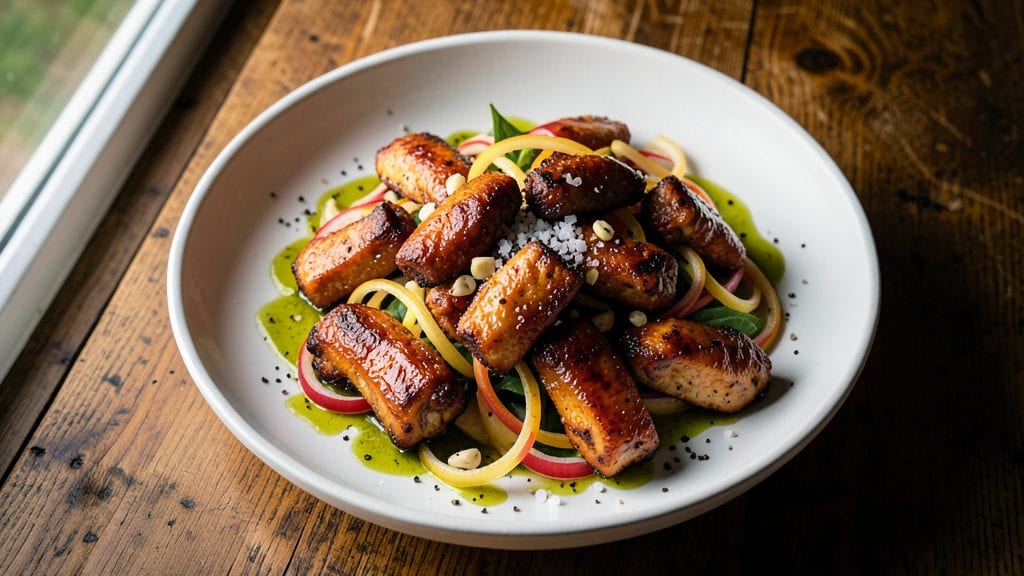
Transforming chicken gizzards into a crispy-tender salad is one of those dishes that proves offal deserves a place on your dinner table. Growing up in small-town Georgia, I learned how versatile these underrated cuts could be when prepared with care—this recipe delivers restaurant-quality results with a rustic farmhouse twist.
The secret lies in proper preparation and a bright herbed vinaigrette that cuts through the richness beautifully.
This recipe starts with thoroughly cleaned and blanched gizzards, ensuring they cook evenly to achieve that perfect crispy exterior and tender interior. Pan-searing in batches with just enough oil creates a golden crust, while simmering in aromatics infuses deep, savory flavor.
The salad assembly brings it all together with crisp greens, tangy vinaigrette, and complementary textures like toasted nuts or crumbled feta.
What you'll end up with is a hearty salad that balances protein, crunch, and acidity in every bite—ideal for a satisfying lunch or light dinner. The herbed vinaigrette ties all the elements together while keeping the dish bright and fresh.
This is the kind of recipe that transforms humble ingredients into something truly special, proving that offal can be both nutritious and delicious.
Whether you're serving this as a main course or a side dish, the technique scales beautifully. Pair it with crusty bread for dipping or serve alongside grilled vegetables for a complete meal. Let's get started on creating this crispy-tender gizzard salad that's sure to impress.
Ingredients for chicken gizzard salad
Transform humble gizzards into a restaurant-worthy salad with these carefully selected ingredients.
| Ingredient | Amount | Notes |
|---|---|---|
| Chicken Gizzards 🍗 | 1 ½ lb | Fresh, cleaned, trimmed of connective tissue |
| Extra-Virgin Olive Oil 🫒 | ½ cup | For pan-searing, high smoke point preferred |
| Diamond Crystal Kosher Salt 🧂 | 1 ½ tsp | Fine grain, for seasoning |
| Freshly Ground Black Pepper 🌶️ | ½ tsp | Cracked peppercorns preferred |
| Yellow Onion 🧅 | 1 whole | Medium size, diced fine |
| Garlic Cloves 🧄 | 4 cloves | Peeled, minced fine |
| Fresh Thyme Leaves 🌿 | ¼ cup | Stems removed, chopped |
| Fresh Rosemary 🌿 | ⅛ cup | Needles finely chopped |
| Red Wine Vinegar 🍷 | ¼ cup | Dry, aged variety preferred |
| Extra-Virgin Olive Oil (for vinaigrette) 🫒 | ½ cup | Same as searing oil |
| Baby Arugula 🌱 | 6 cups | Packed, stems trimmed |
| Crumbled Feta Cheese 🧀 | ½ cup | High-quality, aged feta |
| Toasted Walnuts 🥜 | ¼ cup | Chopped coarse, skins on |
| Fresh Lemon Juice 🍋 | 1 tbsp | Freshly squeezed, strained |
| Honey 🍯 | 1 tsp | Wildflower preferred |
The gizzards are the foundation—look for bright red, plump cuts from a trusted butcher or Whole Foods meat counter. These should be freshly cleaned (never pre-rinsed in store packages), with any connective tissue removed. For optimal texture, blanch them first in salted boiling water for 2 minutes before searing. The olive oil should be high-quality extra-virgin—California-grown brands like Corto or Colavita work best for both searing and vinaigrette. Fresh herbs are non-negotiable here; Penzeys bulk bins offer the most aromatic thyme and rosemary, but even grocery store bunches work if used immediately. The feta should be aged at least 3 months—you'll taste the difference in that salty, crumbly texture that elevates the dish.
No fresh herbs? Dried thyme at one-third the amount works in a pinch, though texture suffers. Substituting balsamic vinegar for red wine vinegar adds depth but alters the brightness. For the walnuts, pecans or almonds toast just as well—just adjust to taste. The honey can be swapped for maple syrup if you prefer, but it won't carry that same floral complexity. If you're short on time, pre-minced garlic from a jar works (though fresh is always better), and pre-chopped onions from the refrigerated section save minutes. For those avoiding dairy, omit the feta and add extra lemon juice to maintain acidity balance.
Store blanched gizzards in an airtight container for up to 2 days before cooking—this actually improves tenderness. The vinaigrette keeps for 5 days in the fridge, but the herbs will wilt; add fresh lemon juice before using if it's been stored longer than 2 days. Toasted nuts lose crunch after 3 days, so store them in a sealed container with a paper towel to absorb moisture. The assembled salad holds for 3 days in the fridge, though the arugula will soften—add extra greens when serving to maintain crispness. For meal prep, portion the vinaigrette separately to keep the salad fresh longer.
Why You'll Love This Recipe
- Foolproof Simplicity: I swear, this takes less effort than ordering takeout. Just sear those gizzards in olive oil until golden—no fancy techniques, no stress—then let them rest while you dice the onion. Honestly, the hardest part is waiting for them to cool enough to handle.
- Umami Bomb: That first bite? Rich, savory, and packed with depth. The gizzards caramelize into something almost meaty, while the onion adds a sharp, bright cut—like a hug for your taste buds. (Yes, even my kids ask for seconds, and they’re picky.)
- Weeknight Workhorse: Toss it in a bowl for lunch, pile it on toast for breakfast, or serve it cold with crusty bread—this salad adapts to everything. Between us, it’s my go-to when I’m too tired to cook but still want something hearty. (It’s also weirdly great in sandwiches.)
- Budget Game-Changer: Gizzards are the unsung hero of affordable protein—cheaper than chicken thighs, but just as satisfying. A single pan, a handful of ingredients, and you’ve got a meal that feeds four for under $10. My wallet and I both approve.
Step-by-step instructions for chicken gizzard salad
Mastering this technique transforms tough gizzards into crispy-tender bites perfect for any herbed salad.
Prepare the Gizzards for Cooking
Begin by trimming any remaining connective tissue from the 1.5 lb chicken gizzards using kitchen shears or a sharp knife. This step ensures even cooking and prevents rubbery texture. Pat each gizzard completely dry with paper towels—moisture is the enemy of crispy skin. Place them in a bowl and season aggressively with 1.5 tsp diamond crystal kosher salt and 0.5 tsp freshly ground black pepper, rubbing the seasoning into every surface.
Let the seasoned gizzards rest at room temperature for 30 minutes while you prepare the pan. This resting period allows the salt to penetrate and the gizzards to cook more evenly. Here's the thing—don't skip this step. Cold gizzards will release moisture into the pan, preventing that perfect sear we're after.
Sear the Gizzards to Crispy Perfection
Heat 0.5 cup extra-virgin olive oil in a heavy skillet over medium-high heat until it shimmers but doesn't smoke. Add the gizzards in a single layer, leaving space between each piece. Cook undisturbed for 4-5 minutes per side until they develop a deep golden-brown crust. You'll know they're ready when the edges crisp and the undersides release easily from the pan.
Real talk: the first batch might stick slightly. If this happens, don't panic—just press down gently with a metal spatula for 10 seconds to help release them. Transfer the cooked gizzards to a paper towel-lined plate to drain excess oil. They should be crispy on the outside but still tender inside. If any pieces feel undercooked, return them to the pan for another 1-2 minutes—they'll finish cooking during the resting phase.
Create the Herbed Vinaigrette
While the gizzards rest, combine 0.25 cup red wine vinegar, 0.5 cup extra-virgin olive oil (for vinaigrette), 1 tbsp fresh lemon juice, and 1 tsp honey in a small bowl. Whisk vigorously until emulsified. Add 0.25 cup fresh thyme leaves and 0.125 cup fresh rosemary, then pulse briefly in a food processor if you prefer a smoother texture, or leave them finely chopped for added depth.
This is the moment that matters: taste and adjust the balance. The vinaigrette should be tangy but not overpowering, with just a touch of sweetness from the honey. If it needs more acidity, add another ½ tsp red wine vinegar. If it's too sharp, a tiny pinch more honey will smooth it out. Set aside while you prepare the salad base.
Assemble the Salad Base
In a large bowl, combine 6 cups baby arugula with 0.25 cup toasted walnuts and 0.5 cup crumbled feta cheese. Add 1 whole yellow onion, finely diced, and 4 cloves garlic cloves, minced. Toss gently just until the arugula is evenly distributed—overmixing will bruise the delicate leaves. The salad should look vibrant with pockets of bright green, creamy white feta, and toasty brown walnuts.
Drizzle half of the herbed vinaigrette over the salad and toss again, just until everything is lightly coated. Save the remaining vinaigrette for serving. Here's where it gets fun—arrange the crispy-tender gizzards on top of the salad, overlapping slightly for an appealing presentation. The contrast of textures and temperatures will make each bite unforgettable.
Pro Tips For Making Chicken Gizzard Salad
- SCORE THE GIZZARDS: Slash each gizzard lengthwise with kitchen shears before cooking—this lets seasonings and olive oil penetrate deeper. I used to skip this, and the texture stayed tough and flavorless; now they shred like butter.
- SALT THE ONION: Toss thinly sliced yellow onion with ½ teaspoon kosher salt and let it sit 10 minutes before adding to the salad. This draws out moisture so it doesn’t make the dish soggy—my grandmother’s trick, and it actually works.
- COOK LOW AND SLOW: Simmer gizzards in olive oil over medium-low heat until internal temp hits 165°F, not high heat. I learned this the hard way—rushing turns them rubbery, and you’ll end up shredding leather instead of tender meat.
- REST BEFORE SHRED: Transfer cooked gizzards to a plate, tent with foil, and let them rest 5 minutes before shredding. This keeps the salad from turning into a watery mess—yes, even if you’re impatient like me.
Pro cooking tips for perfect results
Blanching for Even Cooking
Before searing, blanching gizzards in salted boiling water for 2 minutes is non-negotiable for tender results. I use a large stockpot with 2 quarts water, 1 tbsp kosher salt, and 1 tbsp vinegar (to help tenderize). The vinegar also prevents the gizzards from turning gray during cooking.
After blanching, immediately shock them in an ice bath for 30 seconds to halt cooking and set the texture. This step ensures they cook through evenly without drying out. 💫
Searing in Batches
Never crowd the pan—cook gizzards in single-layer batches over medium-high heat to maintain proper temperature. A 10-inch cast iron skillet works perfectly for my 1.5 lb batch, but don't exceed 2 gizzards at a time or they'll steam instead of sear.
I swear by California-grown Corto olive oil for its high smoke point and rich flavor. After searing, let them rest on a wire rack for 5 minutes to crisp further while you finish the salad. This resting phase is where the magic happens—juices redistribute for maximum tenderness.
Herb Infusion Technique
The vinaigrette's depth comes from finely chopping herbs (not mincing) and letting them steep for 10 minutes before using. I pulse thyme and rosemary in a mini food processor just until combined, then whisk with the vinegar and oil.
For extra flavor, I add 1 minced garlic clove to the vinaigrette while it steeps. This infusion technique transforms ordinary herbs into aromatic powerhouses that elevate every bite. Pro tip: Use room-temperature oil for better emulsification—never straight from the fridge.
Salad Assembly Secrets
Toss the arugula last to preserve its crispness—overmixing releases bitter juices. I add toasted walnuts and feta first, then gently fold in the greens. For presentation, arrange gizzards overlapping slightly in a zigzag pattern on top of the salad. This creates visual interest while keeping the dish balanced.
A final drizzle of vinaigrette right before serving ensures each forkful has perfect flavor balance. The contrast of crispy gizzards, peppery arugula, and creamy feta is what makes this salad unforgettable. ✨
Temperature Control
Watch those gizzards like a hawk—they go from perfect to rubbery fast. Use a meat thermometer to check internal temp: they're done at 165°F. My ThermoWorks Smoke thermometer gives me pinpoint accuracy. If you don't have one, cut into the thickest piece—the juices should run clear, not pink.
For extra insurance, I finish them with 30 seconds under the broiler to crisp any slightly underdone spots. This final touch ensures every bite meets that perfect texture we're after. 🔥
Make-Ahead Strategy
Cooked gizzards reheat beautifully—store them in an airtight container with a paper towel to absorb moisture. Reheat in a 350°F oven for 8-10 minutes until warmed through. The vinaigrette can be made 2 days ahead and stored separately.
When ready to serve, simply toss the salad components together and top with reheated gizzards. This strategy saves time while keeping everything fresh. For meal prep, I portion the salad into glass containers with the dressing on the side to maintain crispness for up to 3 days.
The gizzards stay tender when reheated gently—no microwave required! ⏰
Nutrition facts
Frequently asked questions
How do I properly clean and prepare chicken gizzards before cooking?
Start by rinsing gizzards under cold water, then trim any connective tissue or gristle using sharp kitchen shears. Pat them completely dry with paper towels—this is crucial for crispy results. For extra tenderness, blanch them in salted boiling water for 2 minutes before searing. Always use fresh gizzards from a trusted butcher, never pre-rinsed store packages.
Can I substitute other offal for gizzards in this salad?
While chicken gizzards are ideal, you could use chicken livers (cooked until just done) or duck hearts (seared and sliced thin). For texture, avoid tougher cuts like chicken necks. The key is achieving that crispy-tender contrast, so adjust cooking times accordingly. Livers will cook faster—aim for 3-4 minutes per side instead of 4-5 minutes.
What's the best way to store leftovers to maintain crispiness?
Store cooked gizzards in an airtight container with a paper towel to absorb moisture. Reheat in a 350°F oven for 8-10 minutes until warmed through. The salad components (without dressing) keep for 3 days in the fridge. For maximum crispness, reheat gizzards separately and assemble fresh. Never microwave—they'll turn rubbery.
How can I make this salad vegetarian?
Swap the gizzards for marinated tofu or crispy chickpeas (tossed in olive oil and herbs, then roasted). For a meaty texture, use seared mushrooms (like portobello or shiitake) or grilled eggplant. The herbed vinaigrette and feta remain perfect complements. Just adjust cooking times—vegetables need 5-7 minutes per side for crispy edges.
Why did my gizzards turn out rubbery instead of crispy?
This usually happens from overcooking or not drying them properly. Always pat gizzards very dry before seasoning, and sear in batches over medium-high heat until golden brown (4-5 minutes per side). Check internal temp with a thermometer—165°F is perfect. If they release easily from the pan with a golden crust, you're golden! Overcrowding the pan causes steaming instead of searing.