
Main Courses
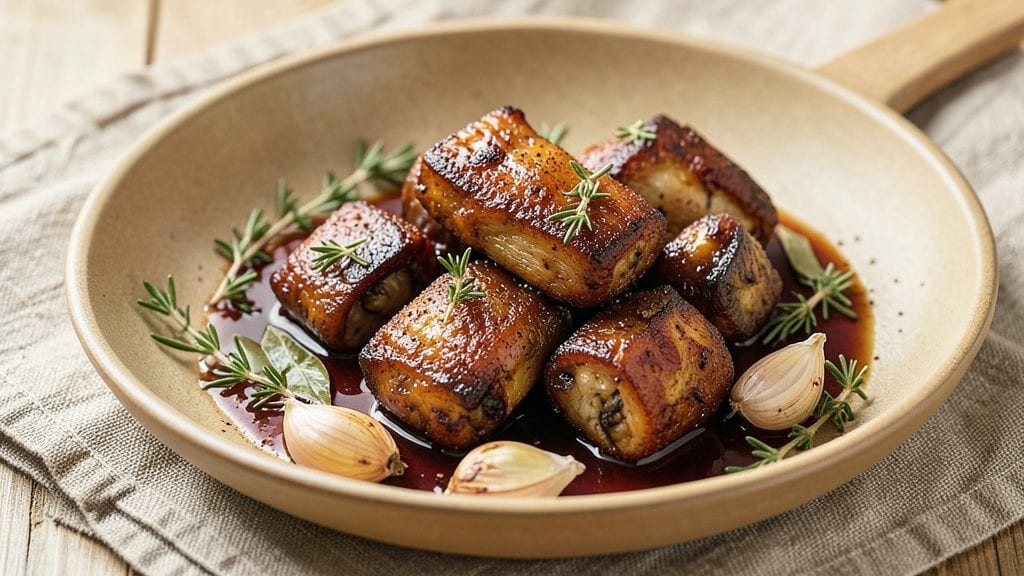
This chicken gizzards and hearts recipe transforms humble offal into a rich, flavorful dish that elevates home cooking to professional levels. This smoky-garlic braised method ensures tender, melt-in-your-mouth bites with a deep, aromatic gravy that makes every spoonful worth savoring.
I developed this recipe after years of perfecting the balance between crispy exteriors and tender interiors—no more chewy, rubbery results.
The key to success lies in proper preparation: cleaning thoroughly, searing to lock in flavors, and slow braising to break down the connective tissue. You'll start with a quick fry to remove any remaining impurities, then build layers of smoky garlic and herb seasoning before simmering in a rich broth.
The result? A dish that's hearty enough for a main course but versatile enough to serve as an appetizer or side.
By the end of this process, you'll have perfectly tender gizzards and hearts swimming in a velvety gravy that clings to every bite. The smoky aroma alone will have everyone at the table asking for seconds, while the rich, savory sauce transforms these humble ingredients into something truly special.
This recipe delivers restaurant-quality results with a technique that's surprisingly simple once you know the secrets.
Pair these braised gizzards and hearts with crusty bread to soak up every bit of that delicious gravy, or serve alongside roasted vegetables for a complete meal. The beauty of this dish is its adaptability—it works as a standalone centerpiece or as part of a larger spread.
Let's get started on creating this flavorful, satisfying dish that will impress even the most seasoned food lovers.
Ingredients for chicken gizzards and hearts
Transform humble offal into a restaurant-worthy dish with these carefully chosen ingredients.
| Ingredient | Amount | Notes |
|---|---|---|
| Chicken Gizzards and Hearts 🍗 | 1 ½ lb | Fresh, cleaned thoroughly |
| Extra-Virgin Olive Oil 🫒 | ½ cup | High-quality for searing |
| Garlic Cloves 🧄 | 8 cloves | Fresh, minced for smoky flavor |
| Smoked Paprika 🌶️ | 1 tbsp | For deep smoky aroma |
| Dried Thyme 🌿 | 1 tsp | Or 1 tbsp fresh thyme |
| Bay Leaves 🍃 | 2 whole | Fresh for best flavor |
| Chicken Broth 💧 | 2 cups | Low-sodium preferred |
| Red Wine 🍷 | ½ cup | Dry, like Cabernet Sauvignon |
| Tomato Paste 🍅 | 2 tbsp | Smooth, not chunky |
| Salt 🧂 | 1 ½ tsp | Kosher or sea salt |
| Black Peppercorns 🌶️ | ½ tsp | Freshly cracked |
| All-Purpose Flour 🌾 | 2 tbsp | For dredging |
| Butter 🧈 | 2 tbsp | Unsalted, for gravy |
The quality of your chicken gizzards and hearts makes all the difference. Look for fresh, bright red pieces at your local butcher or specialty meat market—avoid any with a strong odor or slimy texture. If you're unsure, ask for the freshest cut available. Costco or Whole Foods often carry pre-cleaned versions, which saves time, but if you're doing it yourself, soak them in cold water for 30 minutes to remove impurities. The smoked paprika is non-negotiable here—it's what gives that professional, smoky depth. Penzeys or Trader Joe's carry excellent varieties if you want to splurge.
No red wine? Substitute with extra chicken broth and a splash of balsamic vinegar—it mimics the acidity. Fresh thyme is ideal, but dried works at one-third the amount. For the tomato paste, avoid the canned kind with additives—opt for a small tube from Trader Joe's or a quality brand like Barilla. If you're short on time, pre-minced garlic from a jar works, but fresh is always better. The flour should be all-purpose, but bread flour adds a nice chewiness to the gravy. For the butter, unsalted is a must—you control the salt level.
Cleaned gizzards and hearts keep for 2 days in the fridge if stored in an airtight container. The broth and wine-based mixture can be prepped ahead and stored for 3 days before braising. Once cooked, the dish reheats beautifully—simmer gently to avoid breaking the gravy. Portion into containers with the gravy for easy leftovers. This dish freezes well for up to 3 months, making it perfect for meal prep. The gravy thickens as it cools, so add a splash of broth when reheating if it's too stiff.
Why You'll Love This Recipe
- Here’s what sold me: gizzards and hearts are cheap, but they feel like a treat. A pound feeds four, and the olive oil and spices cost pennies. It’s my go-to when I want something hearty without breaking the bank—or my grocery budget.
- One-Pan Magic: Honestly, I love recipes where I don’t have to scrub a dozen dishes—this one’s done in a single sheet pan. Just sear the gizzards and hearts in olive oil, toss in the garlic and spices, and let them crisp up. No chopping, no fuss, just pure satisfaction.
- Smoky, Garlicky Bliss: Between us, that combo of smoked paprika and fresh garlic transforms tough bits into something ridiculously flavorful. The thyme ties it all together—earthy, warm, and just a little bit addictive. (Yes, even on a Tuesday night.)
- Leftovers That Shine: I make this for dinner, then repurpose the next day—sliced on toast with a fried egg, or tossed into a grain bowl. The gizzards stay tender, and the smoky flavor only gets better as it sits. My lunchbox thanks me every time.
Step-by-step instructions for smoky-garlic braised chicken gizzards and hearts
Transform tough chicken offal into tender, flavorful bites with this hands-on braising technique.
Clean and Prepare the Gizzards and Hearts
Rinse the chicken gizzards and hearts thoroughly under cold water and pat them completely dry with paper towels. This step is crucial—any moisture left on the meat will prevent proper browning later. Using a sharp knife, trim away any excess fat or connective tissue from the gizzards, being careful to keep them intact.
Separate the hearts into individual pieces if they're still attached. For the gizzards, you can leave them whole or slice each one in half lengthwise—this helps them cook more evenly. Place them in a bowl and set aside. The cleaned pieces should look pale and uniform, with no lingering blood or debris.
Season and Sear the Meat
In a large, heavy-bottomed skillet, heat the extra-virgin olive oil over medium-high heat until it shimmers but doesn't smoke. Add the chicken gizzards and hearts in a single layer, being careful not to overcrowd the pan. Let them sear undisturbed for 3-4 minutes until they develop a deep golden-brown crust on one side.
Flip the pieces and sprinkle evenly with the smoked paprika, dried thyme, salt, and cracked black peppercorns. Continue searing for another 3-4 minutes until the second side is equally browned. The meat should release easily from the pan when ready—this indicates it's time to remove it and set it aside. You'll know it's properly seared when the exterior looks rich and caramelized.
Build the Flavor Base
Reduce the heat to medium and add the minced garlic cloves to the same skillet, stirring for 30 seconds until fragrant but not browned. Add the tomato paste and stir for another 30 seconds to cook out its raw flavor. Pour in the red wine and scrape up any browned bits from the bottom of the pan with a wooden spoon—these contain concentrated flavor.
Let the wine simmer for 2-3 minutes until it reduces by about half, then add the chicken broth and bay leaves. Bring the mixture to a gentle simmer, then return the seared chicken to the skillet. The liquid should come about halfway up the sides of the meat. Cover the skillet and reduce heat to low.
Braise Until Tender
Let the chicken braise for 45-50 minutes, stirring occasionally, until the meat is fork-tender and easily pulls apart. You'll know it's done when the gizzards and hearts have absorbed the liquid and developed a rich, deep color. If the liquid reduces too much before the meat is tender, add a splash of water or broth to maintain moisture.
The key here is patience—braising transforms tough offal into melt-in-your-mouth bites. The meat should be so tender that it practically falls apart when pierced with a fork, with a glossy, flavorful sauce clinging to every piece.
Finish with Gravy and Serve
Remove the bay leaves and transfer the chicken to a serving platter. Increase the heat to medium and sprinkle the all-purpose flour evenly over the braising liquid. Stir constantly for 1-2 minutes until the mixture thickens slightly. Reduce heat to low and whisk in the butter until melted and fully incorporated.
Taste and adjust seasoning with additional salt or pepper if needed. The gravy should coat the back of a spoon and have a velvety texture. Serve the chicken immediately, spooning the rich gravy generously over the top. Each bite should deliver a perfect balance of smoky, garlicky flavor with a velvety sauce that ties everything together.
Pro Tips For Making Chicken Gizzards And Hearts
- SCORE THE GIZZARDS: Run a sharp knife over the tough outer membrane of gizzards before cooking—it prevents them from curling into tough little balls. I learned this the hard way after biting into a chewy, uncooperative gizzard that refused to tenderize.
- SEAR IN BATCHES: Don’t overcrowd the pan or the gizzards will steam instead of develop that smoky crust. Work in two batches if needed—high heat and a little patience make all the difference.
- SMASH THE HEARTS: Flatten the chicken hearts with the palm of your hand before searing. This ensures even cooking and keeps them from curling up into a dense, undercooked center. (Yes, it looks brutal, but it works.)
- DEGLAZE WITH GARLIC: After browning, splash in a splash of olive oil and minced garlic, then scrape up those crispy bits—this adds flavor without extra effort. Skip the wine unless you’re making a sauce, or you’ll dilute the richness.
Troubleshooting this dish
Undercooked Meat
If your gizzards and hearts feel firm or rubbery after braising, they likely need more time. The goal is fork-tender texture, which typically takes 45-50 minutes at a low simmer. I’ve found that 165°F internal temperature is the sweet spot—use a meat thermometer to check the thickest piece.
If they’re still tough, return them to the pot with an extra 15-20 minutes of simmering, adding a splash of broth to keep the liquid from drying out. 🌡️
Overly Tough Texture
Toughness often happens when the meat isn’t properly cleaned or seared before braising. Start by ensuring your offal is thoroughly rinsed and patted dry—any moisture left on the surface will steam the meat instead of searing it.
After cleaning, sear each piece for 3-4 minutes per side in hot oil to create a flavorful crust that locks in juices. If you’re still struggling, try soaking the gizzards in buttermilk for 1 hour before cooking to tenderize them naturally.
Gravy Too Thin
A runny gravy usually means the flour wasn’t cooked long enough or the butter wasn’t incorporated properly. After removing the chicken, bring the braising liquid to a gentle simmer and whisk in the 2 tbsp flour until it thickens for 2-3 minutes.
Then, reduce heat to low and whisk in the 2 tbsp butter until fully melted. If it’s still too thin, mix 1 tbsp cornstarch with 1 tbsp cold water, stir it into the gravy, and simmer for another 1-2 minutes until it reaches the desired consistency.
Bitter or Metallic Taste
This often happens if the offal wasn’t cleaned properly or if the pan wasn’t deglazed thoroughly. Before adding the wine, make sure to scrape up all the browned bits from the bottom of the pan—these contain concentrated flavor, not bitterness.
If the taste persists, add a pinch of sugar (about ½ tsp) or a splash of lemon juice to balance the flavors. Also, ensure your gizzards and hearts are fresh and bright red—discard any with a strong odor or slimy texture.
Dry or Stringy Meat
Dryness is a common issue when braising, but it’s usually preventable. Always keep the liquid level at least halfway up the sides of the meat during braising. If the liquid reduces too quickly, add more chicken broth in ¼-cup increments.
After cooking, let the meat rest for 5-10 minutes before serving—this allows the juices to redistribute. If the meat still feels dry, brush it with a little of the finished gravy before serving to restore moisture.
Uneven Cooking
Uneven cooking often occurs if the gizzards and hearts are uneven in size or if they’re overcrowded in the pan. To avoid this, slice larger gizzards in half lengthwise and sear them in batches if needed.
When braising, ensure the liquid covers at least half of the meat and stir occasionally to distribute heat evenly. If some pieces cook faster, remove them and set them aside until the rest are done, then return them to the pot to reheat briefly in the gravy.
Nutrition facts
Frequently asked questions about chicken gizzards and hearts
How do I properly clean chicken gizzards and hearts before cooking?
Rinse them thoroughly under cold water to remove blood, then soak in cold water for 30 minutes with a splash of vinegar or lemon juice. Pat completely dry and trim any excess fat. For extra tenderness, slice gizzards lengthwise before cooking.
Can I substitute red wine in this recipe?
Yes! Use ½ cup dry white wine or ½ cup chicken broth + 1 tbsp balsamic vinegar for acidity. The flavor will be slightly different but still delicious. Just ensure you deglaze the pan thoroughly to capture all the browned bits.
What's the best way to store leftover braised gizzards and hearts?
Store in an airtight container with the gravy for up to 4 days in the fridge or 3 months in the freezer. Reheat gently on the stove with a splash of broth to restore moisture. The gravy may thicken when cold—just whisk in a little extra broth when reheating.
Why do my gizzards turn out rubbery instead of tender?
This usually happens from insufficient cooking time or improper preparation. Braise for 45-50 minutes until fork-tender, and always sear them first to lock in juices. For extra tenderness, try soaking in buttermilk for 1 hour before cooking. Check internal temp with a thermometer—165°F is perfect.
What's the best way to serve these braised gizzards and hearts?
Serve with crusty bread to soak up the gravy, or pair with roasted potatoes and steamed greens for a complete meal. For extra flair, garnish with fresh parsley and a sprinkle of smoked paprika. They also work beautifully as a hearty appetizer with toothpicks.