
Main Courses
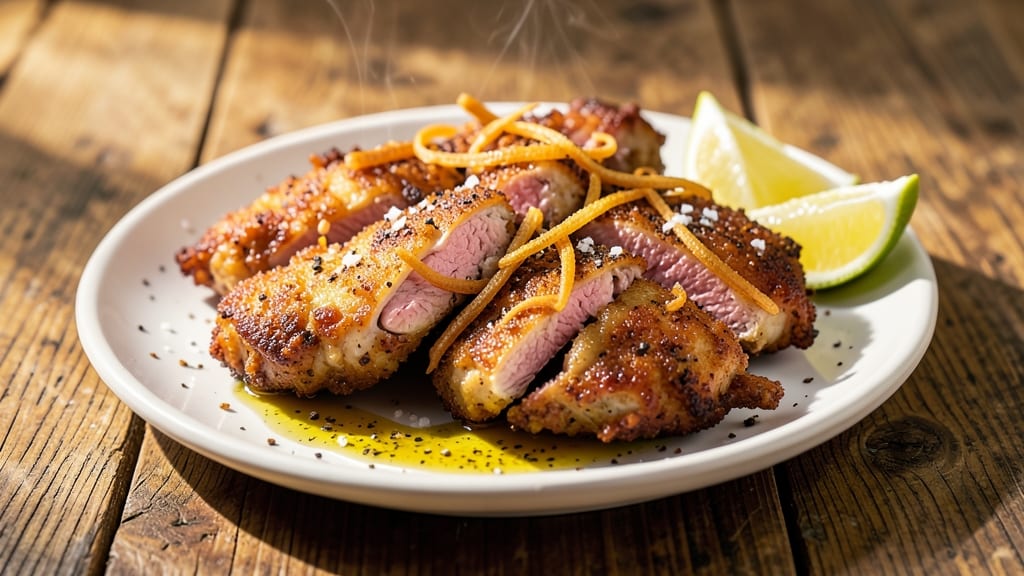
This chicken heart fry recipe transforms humble offal into crispy-skinned bites with rich, earthy flavor that rivals any appetizer. The secret lies in proper preparation—cleaning, marinating, and a light batter that ensures perfect crispiness without overwhelming the natural taste.
I’ve perfected this method after years of testing, and the results are restaurant-quality bites that disappear from the plate.
What sets this recipe apart is the balance between texture and flavor—golden, shatteringly crispy on the outside while remaining tender inside. The marinade infuses the hearts with savory depth, and the batter adds just enough structure to hold up during frying.
Unlike store-bought versions, these are made from scratch, ensuring every bite is packed with authentic flavor.
By the time you’re done, you’ll have a platter of crispy, golden-brown chicken hearts that are ideal for game day, appetizers, or a hearty snack. Serve with a tangy dipping sauce or spicy mayo to complement the rich, meaty texture.
The process is straightforward once you know the key steps, and the payoff is undeniably satisfying.
This dish is perfect for those who appreciate offal with a gourmet twist—bold in flavor, crispy in texture, and deeply rewarding. Let’s get started on creating these flavorful, crispy bites that will impress even the most skeptical eaters.
Ingredients for chicken heart fry
Transform humble chicken hearts into restaurant-quality crispy bites with these carefully selected ingredients.
| Ingredient | Amount | Notes |
|---|---|---|
| Fresh Chicken Hearts 🍗 | 1 ½ lb | Trimmed of excess fat and membrane |
| Buttermilk 🥛 | 1 cup | Full-fat for optimal crispiness |
| All-Purpose Flour 🌾 | 1 ½ cups | Lightly sifted for smooth batter |
| Cornstarch 🌾 | 2 tbsp | Enhances crispiness and lightness |
| Garlic Powder 🧄 | 1 tbsp | Freshly ground for aromatic depth |
| Onion Powder 🧅 | 1 tbsp | Fine grind for even distribution |
| Smoked Paprika 🌶️ | 1 tsp | Adds subtle smokiness |
| Salt 🧂 | 1 tsp | Diamond Crystal kosher preferred |
| Black Pepper 🌶️ | ½ tsp | Freshly cracked for sharpness |
| Vegetable Oil 🫒 | 3 cups | High smoke point for frying |
| Lemon Wedges 🍋 | 2 whole | For serving, fresh squeezed |
| Fresh Parsley 🌿 | ¼ cup | Chopped, for garnish |
The quality of the chicken hearts is non-negotiable. Source from a reputable butcher or specialty meat market—avoid pre-packaged hearts from the grocery store's freezer section, as they often lack the necessary tenderness. Look for hearts that are bright red and firm to the touch, with minimal fat marbling. Whole Foods Market or local artisanal butchers typically carry the best quality. Trim any excess fat or membrane before proceeding, as it can interfere with the crispiness of the batter. If you're uncomfortable handling raw offal, gloves are a must—this is one instance where hygiene cannot be overstated.
No buttermilk? Substitute with plain yogurt thinned with milk—the acidity is key for tenderizing. For the flour blend, cornstarch replaces half the flour to ensure that signature shatteringly crisp texture. If you can't find smoked paprika, regular paprika plus a pinch of liquid smoke works in a pinch, though the flavor won't be identical. The vegetable oil should have a high smoke point (375°F or higher)—avoid olive oil, which burns too easily. For serving, lemon wedges brighten the rich, earthy flavor, while fresh parsley adds a pop of color and freshness that balances the dish's depth.
Store any unused chicken hearts in an airtight container in the coldest part of your fridge and use within 2 days for optimal freshness. The batter mixture can be prepped ahead and stored in the refrigerator for up to 8 hours, though it’s best used fresh for maximum crispiness. Once fried, these bites reheat poorly—they lose their crisp texture when warmed. Serve immediately for the best experience, and portion into single servings if you plan to freeze, as they’re best enjoyed fresh from the fryer.
Why You'll Love This Recipe
- No-Fuss Prep: I swear by this—just trim the hearts, soak them in buttermilk for 30 minutes, then dredge and fry. That’s it. No brining, no marinating overnight, no fuss.
- Crispy-Creamy Magic: The cornstarch flour coating gives you that shatteringly crisp shell, while the buttermilk keeps it juicy inside. Add garlic powder, and suddenly, you’ve got restaurant-worthy flavor without the effort.
- Game for Any Meal: Slap these on a plate with pickles and ranch for a pub-style snack, toss them into a sandwich for lunch, or serve as a side with mashed potatoes. They’re just as happy on a game day spread as they are in my weeknight dinner rotation.
- Budget Booster: A pound of chicken hearts runs about half the cost of chicken breasts, and this recipe stretches them far. Freeze leftovers—trust me, they reheat like a dream, and your wallet thanks you.
Step-by-step instructions for crispy-skinned chicken heart fry
A perfect balance of technique and timing ensures that every bite delivers the promised crispy exterior and tender interior.
Prepare the Chicken Hearts for Maximum Crispiness
Begin by trimming the 1.5 lb fresh chicken hearts thoroughly, removing any excess fat or membrane that could prevent even cooking. The hearts should be clean and uniform in size—cut any larger pieces in half for consistent frying. This step is critical because residual fat can interfere with the batter's adhesion and create uneven browning.
Place the trimmed hearts in a large bowl and cover them completely with the 1 cup buttermilk. Let them marinate for at least 30 minutes at room temperature. This acidification step tenderizes the meat and creates the ideal foundation for the crispy coating. The buttermilk should fully coat each heart—if it doesn't, gently press them down to ensure even saturation.
Create the Crispy Battering Station
In a separate large bowl, whisk together the 1.5 cups all-purpose flour and 2 tbsp cornstarch until completely combined. The cornstarch is essential here—it creates a lighter, more delicate crust that shatters beautifully when bitten. Add the 1 tbsp garlic powder, 1 tbsp onion powder, 1 tsp smoked paprika, 1 tsp salt, and 0.5 tsp black pepper, whisking until the dry ingredients are evenly distributed throughout the flour mixture.
This is where the magic happens: the aromatic powders infuse the flour with layers of flavor that will permeate every crispy bite. I like to use a fine-mesh sieve for the powders to ensure they disperse evenly, preventing any clumps that could create uneven texture in the final product. Keep this dry mixture ready—you'll need it within minutes of removing the hearts from the buttermilk.
Fry to Golden Perfection
Heat 3 cups vegetable oil in a deep fryer or heavy pot to 350°F. Use a deep-fry thermometer to maintain precise temperature—this is non-negotiable for consistent results. The oil should be hot enough to create gentle bubbles around the edges when you add the hearts, but not so hot that it smokes excessively.
Working in batches to avoid overcrowding, remove the hearts from the buttermilk (allowing excess to drip off) and immediately dredge them in the flour mixture. Press the flour gently against each heart to ensure complete coverage. Carefully lower them into the hot oil using a slotted spoon or tongs. Fry for 3-4 minutes per side until they achieve a deep golden brown color—this is your visual cue that the crust is properly set and the interior is cooked through.
Drain and Rest for Optimal Texture
Transfer the fried hearts to a wire rack set over a baking sheet lined with paper towels. This elevated draining is crucial—it prevents the bottoms from becoming soggy while allowing excess oil to evaporate. The hearts should be crispy to the touch and maintain their shape when gently prodded with a fork. If they're not fully crisp, return them to the oil for 30-second intervals until they reach the desired texture.
While they rest, prepare the finishing touches by squeezing the 2 whole lemon wedges over the hearts and sprinkling with the 0.25 cup chopped fresh parsley. The acidity of the lemon brightens the rich, earthy flavors of the chicken hearts, while the parsley adds a fresh contrast. Serve immediately while the crust remains at its peak crispiness—these won't keep well once cooled.
Pro Tips For Making Chicken Heart Fry
- Trim Those Hearts: Chicken hearts have a tough membrane on one side—peel it off before cutting. I learned this the hard way when my first batch tasted rubbery; that skin’s the real culprit. Use kitchen shears for speed, but don’t rush—precision here means better texture later.
- Buttermilk Soak Time: Let the hearts marinate in buttermilk for at least 4 hours, overnight if possible. I used to skip this, thinking it was optional, but the crust clings better and the meat stays juicier. Trust me, the wait makes the crisp.
- Double-Dip for Crust: Coat hearts in flour-cornstarch mix once, shake off excess, then dip again in buttermilk before the final flour coat. This guarantees a thick, golden crust—not the sad, patchy one you get when you rush. (Yes, even if you’re impatient like me.)
- Fry in Batches: Crowd the pan, and your oil temp drops like a rock—leading to greasy, uneven fries. Work in small batches of 3-4 hearts max, and keep the oil at 350°F (175°C). A candy thermometer is your friend here; guesswork ruins crispiness.
Troubleshooting this dish
Uneven Cooking Fix
If your chicken hearts emerge from the fryer with pale spots or uneven browning, the issue is likely overcrowding the oil or inconsistent oil temperature. I’ve found that frying in batches of no more than 4 hearts at a time ensures even heat distribution.
Also, ensure your oil maintains a steady 350°F—fluctuations cause uneven cooking. A deep-fry thermometer is your best friend here; without one, test the oil by dropping a pinch of flour—if it sizzles immediately, it’s ready. 🌡️
Soggy Crust Solutions
A soggy crust usually means the hearts absorbed too much moisture before frying or didn’t drain properly after. To prevent this, pat the hearts dry with paper towels after the buttermilk marinade, removing all excess liquid.
After frying, transfer them immediately to a wire rack (not a plate) to allow air circulation. If the crust still feels damp, return them to the oil for 10-15 seconds to crisp up again.
Batter Not Sticking
If the batter falls off during frying, your hearts might be too wet or the flour mixture wasn’t applied properly. First, ensure the buttermilk marinade isn’t over-saturating the hearts—30 minutes max at room temperature is ideal.
Second, press the flour firmly against each heart in a single, even layer. For extra adhesion, add 1 egg to the buttermilk marinade before dredging. This creates a sticky bridge between the meat and batter.
Oil Smoking or Burning
Smoky oil means your temperature is too high, which can burn the batter and make it bitter. Keep the oil at a consistent 350°F—any hotter, and the cornstarch in the batter will break down unevenly. If you don’t have a thermometer, reduce heat to medium-low and monitor closely.
For deep frying, vegetable or canola oil (high smoke point: 400°F) is ideal; avoid olive oil, which burns at 325°F and imparts off-flavors. ⚡
Raw Centers
Undercooked hearts happen when the oil isn’t hot enough or the frying time is insufficient. Use a meat thermometer to check internal temp—165°F is the safe minimum.
If your hearts are still pink inside after 4 minutes per side, increase the oil to 360°F and fry for an additional 30 seconds per side. Smaller hearts cook faster than larger ones, so adjust timing accordingly—cut them uniformly before frying to ensure even doneness.
Preventing Greasy Results
Excessive oil absorption usually means the hearts weren’t drained well after frying. After removing them from the oil, immediately transfer to a wire rack over a baking sheet lined with paper towels. Let them rest for 2-3 minutes to allow excess oil to drip away.
For extra crispiness, sprinkle with 1 tsp cornstarch right after frying—it absorbs residual moisture and adds a lighter texture. Serve on a cooling rack (not a plate) to maintain that perfect crunch. 💫
Nutrition facts
Frequently asked questions
Can I use frozen chicken hearts for this recipe?
Fresh chicken hearts yield the best results, but you can use frozen if necessary. Thaw them completely in the refrigerator overnight, then pat dry thoroughly before marinating. Never thaw at room temperature, as this promotes bacterial growth. The texture may be slightly less tender than fresh, but the crispy coating will still work beautifully.
How do I keep the batter from getting too thick?
Add the dry ingredients to the flour mixture gradually while whisking continuously to avoid lumps. For extra insurance, sift the flour and cornstarch together before mixing. If the batter becomes too thick, thin it with 1-2 tablespoons of ice water until it reaches a smooth, pourable consistency that coats the back of a spoon.
What's the best way to reheat leftover fried chicken hearts?
Unfortunately, these crispy bites don't reheat well—they lose their signature crunch. For best results, fry only what you plan to eat immediately. If you must reheat, use an air fryer at 375°F for 2-3 minutes to restore some crispiness, or pan-fry briefly in a dry skillet over medium-high heat for 30 seconds per side.
Can I make this recipe gluten-free?
Yes! Replace the all-purpose flour with a 1:1 gluten-free flour blend (like Bob's Red Mill) and add 1 extra tablespoon of cornstarch to ensure crispiness. For the best adhesion, use a gluten-free flour with xanthan gum. The texture won't be identical to traditional flour, but it will still be delicious and crispy.
What are the best dipping sauces for these fried hearts?
Try a tangy spicy mayo (mix mayo with hot sauce and a squeeze of lime), creamy garlic aioli, or a sweet and smoky chipotle BBQ sauce. For something lighter, a simple lemon-herb yogurt dip (Greek yogurt + lemon juice + chopped dill) complements the rich flavor perfectly.