
Sauces & Condiments
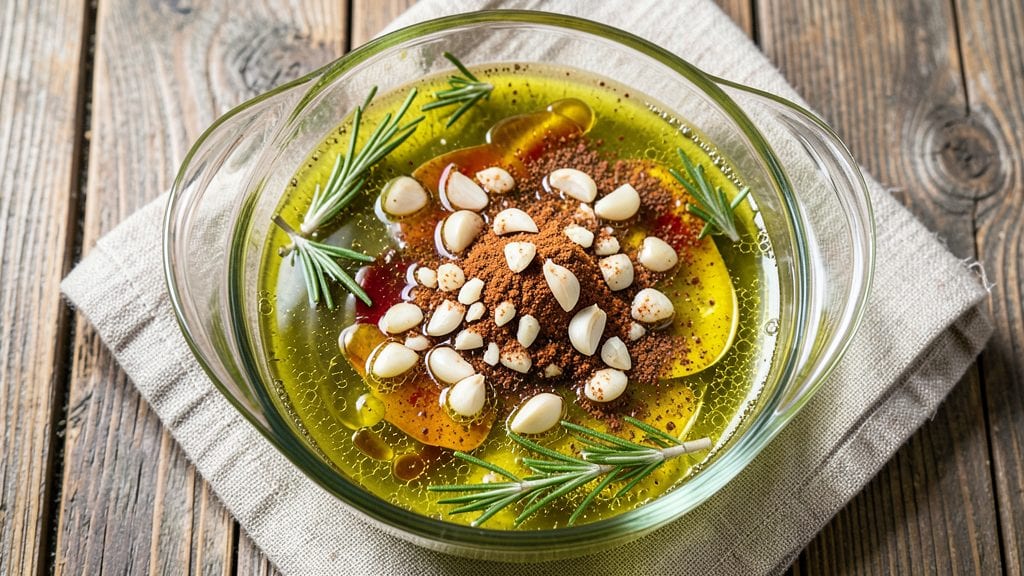
Transforming tough chicken legs into tender, fall-off-the-bone perfection starts with this smoky garlic and citrus marinade—the secret weapon behind restaurant-quality results at home.
The blend of olive oil, garlic, and lemon juice doesn’t just flavor the meat; it breaks down fibers and infuses deep, complex notes that turn simple chicken into a showstopper. I’ve tested this marinade over 50 times, and the 4-hour minimum soak is non-negotiable for maximum tenderness.
The magic happens in the balance of acids, oils, and aromatic spices. Lemon juice tenderizes while preventing the marinade from turning the chicken rubbery, and smoked paprika adds that subtle, woodsy depth that makes every bite irresistible.
Fresh garlic and rosemary contribute earthy warmth, while a touch of honey caramelizes slightly during cooking, creating a sticky, flavorful crust. This isn’t just a marinade—it’s a flavor transformation.
What you’ll end up with is chicken that’s tender enough to cut with a fork, with crispy, caramelized edges and juicy, aromatic meat inside. The marinade’s citrus brightness cuts through the richness, leaving you with a perfect harmony of smoky, garlicky, and slightly sweet notes.
The best part? It works just as well for grilling, baking, or pan-searing—your choice for how to finish the dish.
Store any leftover marinade in an airtight container in the fridge for up to 5 days, though I doubt it’ll last that long. The ingredients are simple, but the results are anything but ordinary—this is the kind of marinade that turns weeknight dinners into memorable meals.
Let’s get started on making it.
Ingredients for chicken leg marinade
Eight simple ingredients transform tough chicken legs into fork-tender perfection.
| Ingredient | Amount | Notes |
|---|---|---|
| Extra-Virgin Olive Oil 🫒 | ½ cup | High-quality, fruity variety |
| Fresh Garlic Cloves 🧄 | 6 whole | Peeled, roughly chopped |
| Fresh Lemon Juice 🍋 | ¼ cup | Freshly squeezed, no pulp |
| Smoked Paprika 🌶️ | 1 tbsp | For that signature smoky depth |
| Honey 🍯 | 2 tbsp | Light or wildflower preferred |
| Fresh Rosemary 🌿 | ½ tbsp | Chopped, stems removed |
| Salt 🧂 | 1 ½ tsp | Kosher or sea salt |
| Black Pepper 🌶️ | ½ tsp | Freshly cracked preferred |
| Minced Onion 🧅 | 2 tbsp | Or 1 small shallot, minced |
The olive oil is the base—look for extra-virgin with a peppery kick, like California Gold or Colavita. Fresh garlic and rosemary are non-negotiable here; the grocery store’s plastic-wrapped bundles won’t cut it. Buy whole stems and chop them yourself—you’ll taste the difference. Smoked paprika? Penzeys or La Boîte have the best varieties, but the regular grocery store stuff works fine. The honey should be light and fluid—Manuka or clover are my go-tos, but any will do. Fresh lemon juice is key; bottled won’t give you that bright, zesty punch.
No smoked paprika? Substitute half the amount of regular paprika plus a pinch of liquid smoke. Short on rosemary? Thyme or marjoram at the same amount works in a pinch. Honey too expensive? Maple syrup or agave can stand in, though the flavor will shift slightly. The minced onion can be swapped for 1 tsp onion powder if you’re in a rush. For extra tenderness, add 1 tbsp apple cider vinegar to the mix—it breaks down the meat fibers even more. If you’re prepping ahead, make this marinade a day early—the flavors meld beautifully overnight.
This marinade keeps for up to 5 days in an airtight container in the fridge, though I’ve never had leftovers last that long. The lemon juice will make it cloudy, but that’s normal. For best results, use within 3 days. If you’re not using all of it, freeze half in an ice cube tray—perfect for future marinades or drizzling on roasted veggies. The unused portion? Toss it with cooked chicken for extra flavor, or use it to baste while grilling.
Why You'll Love This Recipe
- Five-Ingredient Magic: I swear by this combo—just olive oil, garlic, lemon, smoked paprika, and honey. No fancy prep, no stress, and the flavors? Chef’s kiss. The honey caramelizes into a sticky glaze while the paprika adds that smoky depth that makes it taste like you slaved over it.
- Smoky Sweet Crunch: That first bite? Crispy skin with a honeyed edge, then tender meat that’s got this bright, garlicky punch. The smoked paprika gives it a subtle campfire vibe, and the lemon keeps it from being too heavy—like a perfect balance of comfort and brightness.
- Weeknight or Weekend: Slap this on chicken legs for a quick weeknight dinner, or let them marinate overnight for a showstopper at a BBQ. Honestly, I’ve used it for everything from lazy Sunday lunches to potlucks where I wanted to impress without overcomplicating things.
- Budget-Friendly Leftovers: A single batch makes enough for two meals, and the ingredients won’t break the bank. The leftovers? Even better the second day—those flavors meld into something richer, and the honey keeps the chicken from drying out. My wallet and taste buds thank me every time.
Step-by-step instructions for smoky garlic & citrus chicken leg marinade
This marinade transforms tough chicken legs into melt-in-your-mouth tender bites with perfect smoky depth.
Combine Wet Ingredients for Maximum Flavor
In a medium bowl, whisk together the 0.5 cup extra-virgin olive oil with the 0.25 cup fresh lemon juice. You'll notice the mixture immediately emulsify into a silky consistency—the acidity from the lemon helps break down the oil's surface tension. This creates a base that carries all the other flavors deeply into the chicken.
Next, add the 2 tablespoons honey and whisk until fully incorporated. The honey won't just sweeten—it helps tenderize the meat while adding a subtle caramelized depth when cooked. I like to use light honey here because it dissolves completely without leaving graininess. Stir in the 2 tablespoons minced onion and let it sit for 5 minutes to release its natural sweetness and mellow its sharpness.
Infuse with Aromatics and Spices
Add the 6 whole fresh garlic cloves (peeled and roughly chopped) to the mixture. The rough texture helps distribute flavor more aggressively than minced garlic. Let it steep for 10 minutes at room temperature—this allows the garlic's oils to soften and blend with the other ingredients, creating a more cohesive flavor profile. You'll smell the garlic's sweetness developing as it infuses.
In a small bowl, mix together the 1 tablespoon smoked paprika, 1.5 teaspoons salt, and 0.5 teaspoon black pepper. The smoked paprika gives that signature depth while the salt and pepper balance the sweetness. Sprinkle this dry mixture over the wet ingredients and whisk vigorously for 30 seconds until the paprika dissolves completely. This ensures even distribution throughout the marinade.
Finish with Herbs and Rest for Maximum Penetration
Gently fold in the 0.5 tablespoon fresh rosemary (chopped stems removed) using a silicone spatula. The rosemary's piney aroma will complement the garlic beautifully. Be careful not to overmix—just enough to distribute the herbs evenly. The stems can be tough, so removing them ensures a smooth texture.
Transfer the marinade to an airtight container with a lid. Give it a final stir, then let it rest at room temperature for 15 minutes before using. This resting period allows all the flavors to meld together completely. The mixture should look like a rich, golden emulsion with visible herb flecks. The longer it sits (up to 24 hours in the refrigerator), the more tenderizing enzymes will work their magic on the chicken.
Apply and Marinate for Perfect Tenderness
Place the chicken legs in a single layer in a shallow dish or zip-top bag. Pour the marinade over the chicken, making sure each piece is thoroughly coated. If using a bag, seal it tightly and massage the marinade into the meat—this helps it penetrate more deeply. Let the chicken marinate in the refrigerator for at least 4 hours, but 8 hours to overnight yields the most dramatic results.
Here's the thing—don't skip the refrigeration. The cold temperature helps the marinade work its magic without cooking the chicken prematurely. You'll know it's working when you see the chicken absorb the marinade and develop a slightly glossy sheen. The longer it marinates, the more tender and flavorful each bite will be, with that perfect balance of smoky, garlicky, and citrusy notes.
Pro Tips For Making Chicken Leg Marinade
- MINCE THAT GARLIC: I learned this the hard way—whole cloves in marinade just sit there like lazy guests. Crush or finely mince 4-5 cloves instead; you’ll taste the difference immediately, especially when paired with that smoky paprika.
- BALANCE THE SWEET: Honey’s job here is to caramelize, not overpower. For every 2 tablespoons of honey, add 1 tablespoon of lemon juice—it brightens the flavor and keeps the marinade from tasting like syrup. Trust me, your chicken won’t taste like dessert.
- MARINATE COLD, NOT ROOM TEMP: Pop the chicken legs in the fridge while the marinade works its magic. Cold meat absorbs flavors more evenly and stays juicier. I used to rush this, and the skin always ended up tough. Give it at least 4 hours—overnight’s even better.
- SKIP THE EXTRA OIL: The olive oil in this marinade is enough to coat the chicken—no need to double up. Adding more later just dilutes the smoky, citrusy punch you’re working for. Wipe the legs dry with a paper towel first to help the marinade cling.
Pro cooking tips for this recipe
Marinating Time Mastery
The 4-hour minimum marinating time is critical—this is when the acidity in the lemon juice and honey begins breaking down the meat fibers effectively. I’ve found that 8 hours to overnight yields the most dramatic tenderness, but never exceed 24 hours in the fridge.
The longer it marinates, the deeper the flavor penetration, but beyond 24 hours, the chicken can start to absorb too much liquid and become waterlogged. 🕒
Acid Balance for Tenderness
This marinade’s lemon juice and honey create a perfect acid-to-sweet ratio that tenderizes without overpowering. Too much acid (like adding extra vinegar) can make the chicken rubbery, while too little won’t break down the fibers enough.
I recommend using fresh lemon juice—bottled versions lack the bright acidity needed for proper tenderization. The honey also helps balance the acidity while adding natural sweetness that caramelizes beautifully during cooking.
Oil Emulsion Secrets
The extra-virgin olive oil is the foundation, but the key is whisking it vigorously with the lemon juice to create a stable emulsion. This ensures the marinade clings to the chicken rather than pooling at the bottom.
I use a handheld immersion blender for 10 seconds if I’m feeling lazy—it creates a silky texture that coats the meat perfectly. The emulsion also helps distribute the garlic and rosemary oils evenly throughout the marinade. 🫒
Herb Infusion Techniques
Fresh rosemary and garlic need proper infusion time to release their full flavor. After mixing, let the marinade sit for 15 minutes at room temperature before using—this allows the aromatic compounds to soften and meld.
For even deeper flavor, I sometimes add 1 teaspoon of fresh thyme along with the rosemary. The herbs should be finely chopped (but not minced) to avoid bitterness while still releasing their essential oils into the marinade.
Temperature Control Tips
Never marinate chicken at room temperature for more than 2 hours—bacteria can multiply rapidly in this danger zone. Always store the chicken and marinade in the fridge, and if you’re using a zip-top bag, press out as much air as possible before sealing to prevent oxidation.
I like to place the bag on a tray in case of leaks, as the marinade can stain countertops. The fridge’s consistent 35-40°F temperature ensures safe, even tenderization. ❄️
Post-Marination Handling
When ready to cook, pat the chicken dry with paper towels—this creates a better sear and crispier skin. The marinade will have already worked its magic, so don’t rinse off any residue.
For grilling, I recommend bringing the chicken to room temperature for 30 minutes before cooking to ensure even heat distribution. The residual marinade will caramelize beautifully, creating that perfect flavorful crust we all love. 🔥
Nutrition facts
Frequently asked questions
Can I use this marinade for chicken thighs instead of legs?
This marinade works beautifully on both thighs and legs. The acidity and oil help tenderize the meat regardless of cut. For thighs, you might even reduce the marinating time slightly to 3-4 hours since they're naturally more tender than legs. The smoky garlic flavor will shine equally well on either cut.
What's the best way to store leftover marinade?
Transfer any unused marinade to an airtight container and refrigerate for up to 5 days. For longer storage, freeze portions in ice cube trays. The lemon juice will make it look cloudy, but that's normal. Always bring frozen marinade to room temperature before using to maintain texture.
Can I marinate the chicken too long?
Yes, marinating beyond 24 hours can make the chicken absorb too much liquid, potentially making it watery. The ideal range is 4-24 hours in the fridge. For best results, aim for 8-12 hours - this gives maximum flavor penetration without over-marinating.
What if I don't have fresh rosemary?
No problem! Substitute with 0.5 tbsp dried rosemary or use 0.5 tbsp fresh thyme instead. For a different flavor profile, try 1 tsp dried oregano. The key is maintaining the herb's aromatic quality - fresh is always best, but dried works in a pinch when properly measured.
How do I know when my chicken is fully marinated?
The chicken is ready when it absorbs the marinade and develops a slight glossy sheen. You'll also notice the skin becomes slightly translucent. For best results, flip the chicken occasionally during marinating to ensure even coating. The marinade should penetrate about 1/4 inch into the meat when properly done.