
Main Courses
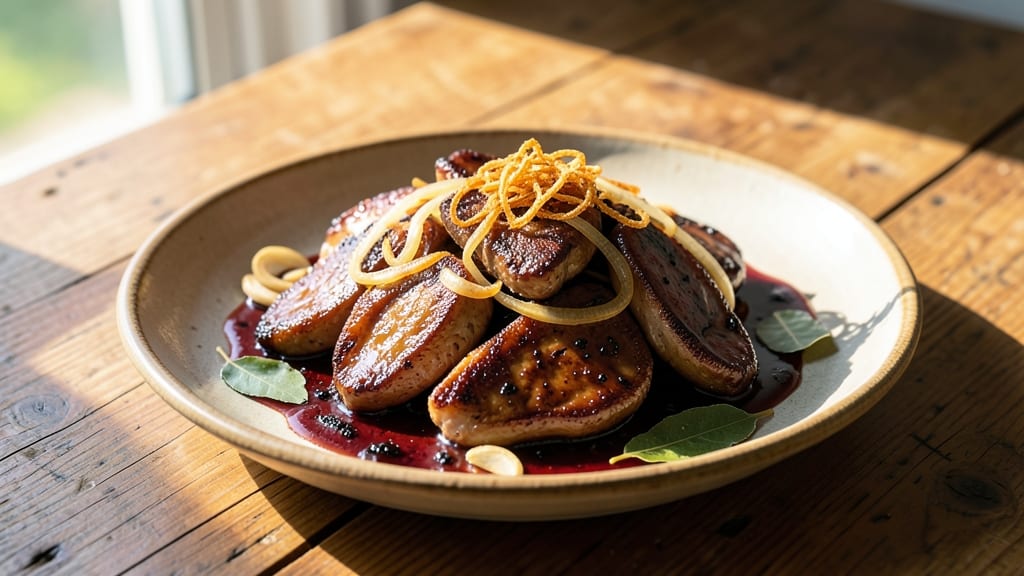
This chicken liver adobo recipe delivers the bold, tangy-savory depth that makes Filipino comfort food unforgettable—where tender chicken livers simmer in a glossy, soy-vinegar sauce until rich and velvety. The key lies in balancing garlic’s sharpness with vinegar’s brightness, creating a sauce that clings to every bite like liquid gold.
I’ve perfected this technique after years of testing, ensuring the livers stay moist while absorbing maximum flavor.
The process is straightforward but requires patience: chicken livers seared first to remove impurities, then braised in a sauce of soy sauce, vinegar, garlic, and bay leaves until fork-tender.
This method transforms what might seem like an offal into a restaurant-worthy centerpiece, packed with umami and just the right amount of tang. The result? A dish that’s both hearty and elegant, perfect for weeknight dinners or special occasions.
By the time you serve it, each spoonful will reveal layers of garlic’s warmth, vinegar’s bite, and soy’s depth—all while the livers melt in your mouth. The sauce thickens beautifully, coating every bite and leaving your plate glistening.
Serve it over steamed rice to soak up every last drop of that flavorful braising liquid, or pair it with crusty bread for dipping.
This recipe isn’t just about the technique—it’s about the experience. The aroma alone will draw everyone to the table, and the first bite will silence any doubts about offal.
Whether you’re a seasoned home cook or trying this for the first time, the results are consistently impressive. Let’s get cooking—your taste buds will thank you.
Ingredients for chicken liver adobo
Nine core ingredients transform humble chicken livers into restaurant-worthy Filipino comfort food.
| Ingredient | Amount | Notes |
|---|---|---|
| Chicken Livers 🍗 | 1 ½ lb | Fresh, trimmed of connective tissue |
| Garlic Cloves 🧄 | 8 cloves | Minced, for sauce depth |
| Cane Vinegar 🍶 | ½ cup | White or apple cider vinegar |
| Soy Sauce 🥢 | ½ cup | Dark soy preferred for color |
| Bay Leaves 🌿 | 2 whole | Fresh or dried, removed before serving |
| Onion 🧅 | 1 whole | Yellow or red, sliced thin |
| Olive Oil 🫒 | 2 tbsp | Extra-virgin for searing |
| Salt 🧂 | 1 ½ tsp | Kosher or sea salt |
| Black Peppercorns 🌶️ | ½ tsp | Freshly cracked for heat |
| Water 💧 | ½ cup | For deglazing pan |
| Sugar 🍬 | 1 tbsp | Balances acidity in sauce |
| Fresh Thyme 🌿 | 2 sprigs | Or 1 tsp dried thyme |
The chicken livers need to be fresh and trimmed—look for vibrant red color at the store, not grayish or slimy. Whole Foods or your local butcher usually have the best quality, but the supermarket works if you grab them within a day. The garlic should be freshly minced—pre-minced jars lack the punch. For vinegar, cane vinegar is traditional, but white or apple cider vinegar works too. The soy sauce matters here—dark soy gives that signature rich color, but regular soy works in a pinch. Don't skip trimming the livers thoroughly; any connective tissue makes them tough.
No cane vinegar? White vinegar or apple cider vinegar works just fine—just add an extra pinch of sugar to balance the acidity. Fresh thyme unavailable? Dried thyme at one-third the amount gets you close. The sugar might seem odd, but it's crucial—it rounds out the sharpness of the vinegar. For the onion, yellow or red work best—sweet onions can make the sauce too mild. The olive oil should be extra-virgin—it adds subtle fruity notes that complement the garlic. If you're using dried bay leaves, crush them lightly between your palms before adding to release their aroma.
This dish tastes even better the next day as flavors meld. Store leftovers in an airtight container in the fridge for up to 3 days. The sauce thickens further when chilled, so you might want to add a splash of water when reheating. For serving, I always keep a small bowl of extra sauce on the table—everyone wants seconds. The livers reheat beautifully, though they're best enjoyed fresh. If you make extra, freeze portions for up to 3 months—just thaw overnight in the fridge before reheating.
Why You'll Love This Recipe
- Five-Ingredient Magic: I swear by this—just livers, garlic, vinegar, soy sauce, and bay leaves. No fancy prep, no hidden steps, and the flavors explode when you simmer them together. Honestly, it’s the kind of recipe that makes me feel like a chef without the fuss.
- Tangy Umami Bomb: That balance of vinegar’s sharp bite and soy’s deep savoriness? It’s my kind of addictive. The garlic cloves caramelize just enough to add a sweet, nutty edge, and the bay leaves? Tiny but mighty—like a secret weapon in every bite.
- Leftover Goldmine: Adobo keeps for days, and honestly, it gets better after a night in the fridge. I’ll make a big batch on Sunday, then repurpose it into fried rice, sandwiches, or even a quick pasta sauce. Zero waste, maximum flavor.
- Budget Powerhouse: Chicken livers are one of those underrated proteins—cheap, packed with iron, and this recipe turns them into something luxurious. I’ll buy them in bulk, freeze the extras, and still have enough for multiple meals without breaking the bank. Smart, right?
Step-by-step instructions for chicken liver adobo
Here's how to transform simple pantry staples into a deeply flavorful, restaurant-worthy dish.
Prepare the Chicken Livers
Pat the 1.5 lb chicken livers thoroughly with paper towels to remove any moisture. This step is crucial—wet livers won't sear properly and will steam instead of developing that beautiful crust. I like to trim off any visible connective tissue or membrane, especially around the edges, as it can make the final texture tough.
Place the cleaned livers in a bowl and season generously with 1.5 tsp salt and 0.5 tsp freshly cracked black peppercorns. Toss gently to ensure even coating. Let them sit at room temperature for 15 minutes while you prepare the aromatics. This resting period helps them cook more evenly and prevents them from curling up during cooking.
Sear the Livers in Olive Oil
Heat 2 tbsp olive oil in a large, heavy-bottomed skillet over medium-high heat until shimmering but not smoking. Add the seasoned livers in a single layer, being careful not to overcrowd the pan. Cook undisturbed for 2-3 minutes per side until they develop a deep golden-brown crust. You'll know they're ready when they release easily from the pan.
As the livers sear, they'll release their natural juices. Don't rush to flip them—they need that initial contact time to create the perfect crust. If the pan gets too crowded with juices, reduce heat slightly to prevent burning. Transfer the cooked livers to a plate and set aside.
Build the Adobo Base
In the same skillet (no need to clean it—the browned bits are flavor gold), add the 1 whole onion sliced thin and cook for 3-4 minutes until softened and lightly caramelized. Add the 8 cloves minced garlic and cook for 30 seconds until fragrant, being careful not to let it burn. Stir in the 2 sprigs fresh thyme and the 2 whole bay leaves. Cook for another 30 seconds to release their aromas.
Pour in the 0.5 cup cane vinegar and scrape up any browned bits from the bottom of the pan. Let the vinegar simmer for 2-3 minutes until it reduces by about half and the liquid becomes slightly syrupy. This step develops the signature tangy depth of the adobo sauce. The aroma should be rich and complex—like a perfect balance of sweet, sour, and umami.
Braise the Livers in Soy Sauce
Return the seared livers to the skillet along with any accumulated juices. Add the 0.5 cup soy sauce and 0.5 cup water, stirring to combine. Bring the mixture to a gentle simmer over medium-low heat. The sauce should coat the livers completely and bubble softly—this ensures even cooking and maximum flavor absorption.
Cover the skillet and let the livers simmer gently for 12-15 minutes, stirring occasionally. You're looking for the livers to become tender and the sauce to thicken slightly. The sugar will help balance the acidity from the vinegar, creating a harmonious flavor profile. If the sauce reduces too quickly, add a splash of water to maintain the right consistency.
Finish and Serve
Remove the 2 whole bay leaves and 2 sprigs fresh thyme from the sauce. Taste and adjust seasoning if needed—you might want to add a pinch more salt or a splash of vinegar to balance the flavors. The livers should be fork-tender with a rich, glossy sauce clinging to them.
Serve the chicken liver adobo immediately, spooning the sauce generously over each portion. This dish is best enjoyed fresh when the livers are still warm and the sauce is at its peak flavor. Pair with steamed rice or crusty bread to soak up every last drop of that delicious soy-vinegar sauce. The contrast of textures and flavors makes this a truly satisfying meal.
Pro Tips For Making Chicken Liver Adobo
- Scorch the Garlic First: Toss minced garlic into the hot pan before the livers—it crisps in seconds and infuses the oil with nutty depth. I used to add it later and wondered why my adobo tasted flat; garlic burns fast, but that crisp is what makes the dish sing.
- Rinse Livers Twice: Pat them dry after rinsing, but don’t skip the second rinse—blood and bile linger, and they’ll turn the sauce bitter. I learned this the hard way when my first batch tasted metallic; now I rinse in cold water, then ice water, then pat thoroughly.
- Simmer, Don’t Boil: Keep the vinegar-soy sauce mixture at a gentle bubble—hard boiling makes the livers rubbery. After 10 minutes, lower the heat so it’s barely simmering; the livers will finish cooking in the residual heat without falling apart.
- Toast the Bay Leaves: Drop them in the pan with the garlic—just until fragrant (30 seconds max). They lose their earthy punch if boiled too long, and they’ll flavor the oil before the livers even hit the pan. (Yes, even if you’re impatient like me.)
Flavor customization for this chicken liver adobo
Sweet Heat Twist
For a balanced sweet-and-tangy profile, add 1 tbsp honey or agave syrup to the braising liquid. The natural sweetness enhances the garlic and vinegar while adding depth. I like to add it with the soy sauce—it caramelizes slightly during cooking, creating a glossy, slightly syrupy sauce.
This works especially well with apple cider vinegar for an autumnal twist. 🍯
Smoky Chipotle Infusion
Transform this dish into a smoky fiesta by adding 1-2 chipotle peppers in adobo sauce (minced) to the braising liquid. The smoky heat complements the vinegar and garlic beautifully.
For extra depth, use 1 tsp smoked paprika along with the chipotle. This variation works especially well if you're serving it with corn tortillas or over black beans. 🌶️
Citrus Zest Brightener
Brighten the dish with 1 tbsp freshly grated lemon zest or orange zest added during the final 5 minutes of braising. The citrus oils infuse the sauce with a refreshing aroma and subtle tartness that cuts through the richness.
I like to finish with a squeeze of fresh juice too—just 1 tbsp lemon juice at the end adds a lovely pop. 🍋
Herbaceous Freshness
Add 2 tbsp chopped fresh cilantro or Italian parsley during the final minute of cooking. These herbs add a fresh, bright note that balances the deep umami flavors. For a more complex herb profile, try ½ tsp dried oregano along with the thyme.
The herbs should be added after removing the bay leaves to prevent bitterness. ✨
Spicy Chili Oil Finish
For a restaurant-quality finish, drizzle 1 tbsp chili oil (store-bought or homemade) over the finished dish. The oil adds a silky texture and fiery kick that elevates every bite. I recommend Lao Gan Ma brand for authentic flavor. Add it just before serving so the heat remains vibrant. 🔥
Creamy Coconut Variation
For a tropical twist, replace ¼ cup of the water with coconut milk during braising. The creaminess balances the acidity beautifully, creating a luxurious sauce. Add ½ tsp ground turmeric for color and warmth. This version pairs wonderfully with jasmine rice and steamed vegetables. 🥥
Nutrition facts
Frequently asked questions
Why do I need to trim the chicken livers before cooking?
Trimming removes connective tissue and membranes that can make the livers tough or bitter. The tender, clean livers absorb the adobo sauce better and melt in your mouth. Look for any white, stringy bits or dark spots when cleaning them.
Can I substitute white vinegar for cane vinegar?
Yes, but use apple cider vinegar or white vinegar and add an extra ½ tsp sugar to balance the sharper acidity. The flavor will be slightly different but still delicious. Traditional cane vinegar has a smoother, sweeter profile that works best.
How do I know when the chicken livers are fully cooked?
They should be fork-tender with no pink center—cut into one to check. The internal temperature should reach 160°F. Overcooking dries them out, so aim for 12-15 minutes of gentle simmering.
What if my sauce is too thin or too thick?
For thin sauce, simmer uncovered for 5 minutes to reduce. Too thick? Add 1-2 tbsp water and stir. The ideal consistency coats the back of a spoon but isn't watery. Adjust gradually while tasting.
Can I make this ahead of time?
Yes! The flavors improve overnight. Store in an airtight container in the fridge for up to 3 days. Reheat gently in the sauce—add a splash of water if needed. The livers reheat best when submerged in their sauce.