
Main Courses
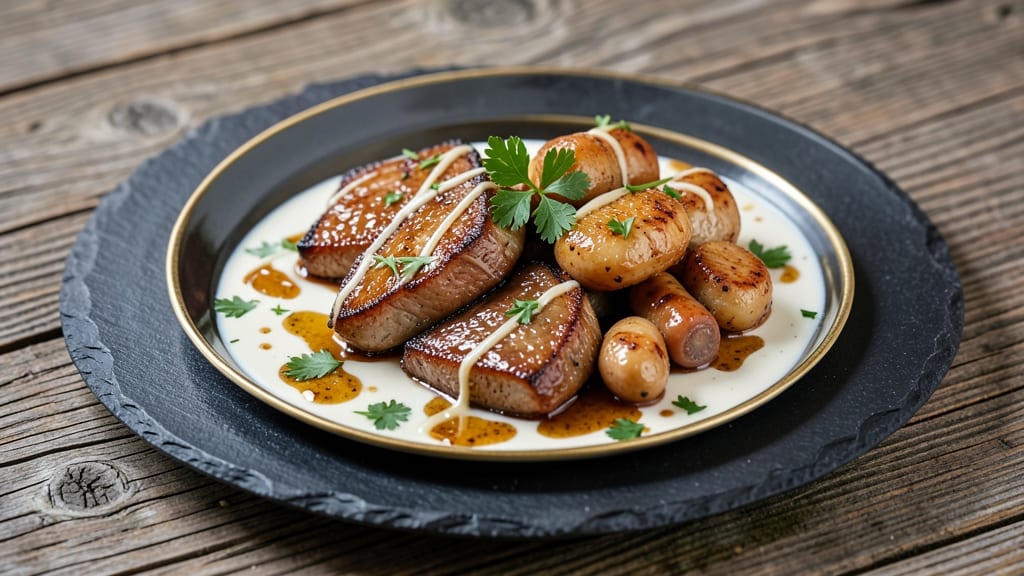
This French-inspired chicken liver and gizzard recipe transforms humble offal into a restaurant-quality dish with rich, herbed butter and perfect searing. The key lies in proper preparation—removing bitterness and achieving tender, golden-brown results that melt in your mouth.
I developed this method after years of perfecting techniques that balance earthy flavors with delicate textures.
Cleaning and prepping the livers and gizzards is the first critical step—soaking them in buttermilk neutralizes bitterness while tenderizing the meat. From there, a quick pan-sear in duck fat creates that signature French crispness, while herbed butter adds layers of aromatic depth.
The process takes about 30 minutes once prepped, delivering professional results without complicated techniques.
What you'll achieve is a dish that's elegant yet approachable—golden-brown edges with tender, juicy interiors coated in fragrant herb butter. The flavor profile is complex yet balanced: savory, slightly sweet, and rich without being heavy. This recipe proves offal can be luxurious when handled with care and precision.
Serve with a crisp white wine or fresh herb salad to complement the dish's depth. The method scales beautifully for guests, and leftovers reheat perfectly. Let's create this French-inspired masterpiece together—where every bite tells a story of transformation and craftsmanship.
Ingredients for chicken liver and gizzard
Transform humble offal into restaurant-quality elegance with these carefully selected ingredients.
| Ingredient | Amount | Notes |
|---|---|---|
| Chicken Livers 🍗 | 1 lb | Fresh, trimmed of connective tissue |
| Chicken Gizzards 🍗 | 1 lb | Fresh, cleaned and trimmed |
| Buttermilk 🥛 | 1 cup | Full-fat for optimal tenderness |
| Duck Fat 🫒 | ½ cup | Smoked or rendered preferred |
| Unsalted Butter 🧈 | ½ cup | Cold, cubed for herbed butter |
| Fresh Parsley 🌿 | ¼ cup | Finely chopped, flat-leaf preferred |
| Fresh Tarragon 🌿 | 2 tbsp | Finely chopped, French variety |
| Fresh Chives 🌿 | 2 tbsp | Finely chopped, mild flavor |
| Garlic Cloves 🧄 | 3 cloves | Minced, for herbed butter |
| Diamond Crystal Kosher Salt 🧂 | 1 tsp | Fine grain for seasoning |
| Freshly Ground Black Pepper 🌶️ | ½ tsp | Coarsely ground for texture |
| Lemon Zest 🍋 | 1 tsp | Brightens flavor profile |
| Extra-Virgin Olive Oil 🫒 | 1 tbsp | For finishing, high-quality |
The quality of your offal is non-negotiable. Whole Foods Market or trusted butchers carry the freshest cuts—look for vibrant color and minimal connective tissue. Chicken livers should be deep red, while gizzards should be firm with no off odors. Costco often carries pre-trimmed gizzards, which saves significant prep time. For the duck fat, La Tourangelle or Gourmet Gift Baskets offer high-quality options. If using frozen offal, thaw overnight in the refrigerator—never at room temperature. The buttermilk should be full-fat for optimal tenderness; low-fat versions yield subpar results.
No buttermilk? Substitute whole milk with 1 tsp vinegar or lemon juice—the acidity mimics the buttermilk's tenderizing effect. Fresh herbs are ideal, but dried parsley at one-third the amount works in a pinch. Tarragon is the signature herb here; dried tarragon loses potency quickly, so fresh is strongly recommended. For duck fat, rendered goose fat is an excellent alternative. The lemon zest can be substituted with 1/2 tsp lemon juice if zest isn't available, though the texture differs slightly. Always use freshly ground black pepper—pre-ground loses its punch within weeks.
Proper storage extends freshness. Offal should be used immediately after purchase for optimal texture, but can be refrigerated for up to 2 days if properly wrapped. The herbed butter mixture keeps for 1 week in an airtight container in the refrigerator. For longer storage, freeze the butter mixture in 1-tbsp portions wrapped in parchment paper. Reheat leftovers gently in a skillet with a splash of water to maintain moisture. This dish reheats beautifully—3-5 minutes per side over medium heat restores its golden-brown perfection.
Why You'll Love This Recipe
- One-Pan Magic: I swear by this recipe when I’m too tired to scrub pots—just sear the livers and gizzards in duck fat, toss in buttermilk and butter, and let the oven do the work. The fat renders down into golden pools, and cleanup is just wiping one pan. (Yes, even on a Tuesday night.)
- Rich Without Effort: That buttermilk marinade transforms tough gizzards into something tender and luxurious, while the duck fat adds a depth you’d expect from a fancy restaurant dish. Honestly, the crispy edges and creamy centers make it feel like a treat, not a chore.
- Leftovers That Shine: This recipe actually improves the next day—reheat the crispy bits in a skillet with a splash of water, and they’re just as good. I pack it for work lunches or serve it cold in sandwiches; the buttermilk keeps it bright, and the texture holds up.
- Budget-Friendly Upgrade: You’re getting two proteins for the price of one, and they’re cheaper than chicken thighs. The duck fat (or butter) makes it taste like a splurge, but the grocery bill stays friendly. Between us, this is how I feed my family well without breaking the bank.
Step-by-step instructions for French-inspired pan-seared chicken liver and gizzard
This technique transforms gamey offal into luxurious, restaurant-quality bites with tender textures and vibrant herbed butter.
Prepare the Offal for Maximum Tenderness
Begin by trimming all connective tissue and membrane from the chicken livers and gizzards using a sharp chef's knife. The livers should be rinsed thoroughly under cold water and patted completely dry with paper towels—any moisture will prevent proper searing. For the gizzards, make a small slit along one side to help them flatten evenly during cooking.
Place the trimmed livers and gizzards in a bowl and pour over the 1 cup buttermilk. Let them marinate for at least 30 minutes, turning occasionally. This acidic treatment tenderizes the meat and creates a silky texture. After marinating, drain and pat dry again, ensuring no buttermilk remains on the surface—this is crucial for achieving a good sear.
Create the Herb-Infused Butter Compound
In a small bowl, combine the 0.5 cup unsalted butter (cubed and cold), 0.25 cup finely chopped fresh parsley, 2 tbsp chopped fresh tarragon, 2 tbsp chopped fresh chives, 3 minced garlic cloves, 1 tsp lemon zest, 1 tsp diamond crystal kosher salt, and 0.5 tsp freshly ground black pepper. Using a fork, gently fold together until just combined—avoid overmixing to maintain the butter's texture. Form into a log and chill for 15 minutes to firm up slightly.
This herbed butter will become the signature finishing touch, adding layers of aromatic complexity. The cold butter ensures it melts beautifully over the seared offal, creating a luxurious sauce. Keep this mixture refrigerated until ready to use in the final step.
Pan-Sear to Perfect Doneness
Heat a heavy skillet (cast iron works best) over medium-high heat until very hot. Add 0.5 cup duck fat and allow it to shimmer but not smoke. Working in batches to avoid crowding, add the livers and gizzards in a single layer. Sear undisturbed for 2-3 minutes until the underside develops a deep golden-brown crust. Flip carefully and sear the other side for another 2-3 minutes.
The key to perfect offal is achieving a crisp exterior while keeping the interior tender. You'll know they're ready when the edges are deeply browned and the internal temperature reaches 145°F when checked with an instant-read thermometer. Remove from the pan and let rest for 5 minutes on a warm plate before serving.
Finish with Herbed Butter and Olive Oil
Return the skillet to medium heat and add 1 tbsp extra-virgin olive oil. Allow it to warm through for 30 seconds, then quickly add the chilled herbed butter. Stir constantly with a wooden spoon until the butter melts completely and forms a glossy sauce, about 1-2 minutes. Pour this mixture over the rested offal.
The combination of duck fat sear and herbed butter creates a perfect balance of richness and brightness. Serve immediately with toasted baguette slices or crusty bread to soak up the luxurious sauce. The acidity from the lemon zest and the aromatic herbs elevate what could be a simple preparation into an elegant French-inspired dish.
Pro Tips For Making Chicken Liver And Gizzard
- Soak the Gizzards: Toss them in buttermilk for at least 4 hours—overnight if you can swing it. I learned this the hard way: dry gizzards turn tough as shoe leather when seared. The acid tenderizes while keeping them from shrinking into hockey pucks on the stovetop.
- Render Duck Fat First: Heat that duck fat in a cold pan over medium-low until it melts completely—about 5 minutes—before adding anything else. Rushing this step means you’ll end up with greasy, uneven cooking instead of a golden, crisp crust. (Yes, even if you’re impatient like me.)
- Don’t Overcrowd the Pan: Cook the livers and gizzards in batches if needed—two layers max, with space between them. I used to cram everything in at once, and the result? A sad, soggy mess instead of the caramelized perfection you’re after. A little patience here makes a real difference.
- Deglaze with Buttermilk: After searing, splash in a splash of buttermilk (about ¼ cup) to scrape up the browned bits—this is liquid gold. Skip it, and you’re missing out on the depth of flavor that makes this dish sing. (Your future self will thank you.)
Wine and beer pairings for this chicken liver and gizzard
White Wine Pairings
For this rich, herbed chicken liver and gizzard dish, I always reach for a crisp Chablis from Burgundy—its bright acidity and mineral notes cut through the richness beautifully. A Sancerre from the Loire Valley is another perfect match, with its citrus and flinty character balancing the dish's savory depth. 🍷
If you prefer something slightly bolder, try a dry Riesling from Alsace or Germany—its stone fruit notes complement the tarragon and lemon zest in the herbed butter. Avoid heavy, oaked whites that would overpower the delicate flavors.
Beer Pairings
A Belgian witbier like Hoegaarden or Stella Artois works surprisingly well with this dish. The coriander and citrus notes in these beers echo the lemon zest and tarragon in the recipe, creating a refreshing contrast to the richness. 🍺
For a more robust option, consider a German Helles Lager—its malty sweetness and clean finish provide a satisfying balance. Avoid heavy stouts or IPAs that would clash with the dish's delicate herb profile.
Red Wine Exception
While this dish is typically paired with white wines or beers, a light Pinot Noir from Burgundy or Oregon can work if you prefer red. Look for one with bright acidity and red fruit notes—avoid heavy, tannic reds that would overpower the dish's delicate flavors.
Non-Alcoholic Options
For a refreshing non-alcoholic pairing, serve with a sparkling apple cider like Martinelli's or a ginger beer with a squeeze of lemon. The effervescence and citrus notes cleanse your palate between bites of the rich offal. 💫
Serving Temperature
Serve white wines and beers slightly chilled—around 45-50°F for whites and 40-45°F for beers. Red wines should be served at 55-60°F to highlight their bright acidity. The proper temperature ensures the drink complements rather than competes with the dish's flavors.
Nutrition facts
Frequently asked questions
Why do I need to soak chicken livers and gizzards in buttermilk?
The buttermilk soak serves two critical purposes: it tenderizes the tough muscle fibers in the gizzards and helps remove any bitterness from the livers. The acidity in buttermilk breaks down proteins, creating a silky texture that's impossible to achieve otherwise. Skipping this step often results in chewy, gamey offal.
Can I substitute duck fat with another fat for searing?
Yes, but duck fat yields the best flavor. For a neutral option, use ghee or avocado oil—both have high smoke points and won't overpower the dish. Rendered chicken fat works too, though it lacks duck fat's rich, slightly nutty depth. Avoid olive oil as it burns at high heat and can create bitter flavors.
How do I know when chicken livers are fully cooked?
Look for deep golden-brown edges and use an instant-read thermometer to check the internal temperature—it should reach 145°F. Overcooked livers become dry and tough, while undercooked ones may remain slightly pink inside. The 30-second rule works too: flip them when the first side develops a crust, then cook until the second side is equally golden.
What can I do if my offal tastes bitter after cooking?
Bitter flavor usually means the buttermilk soak wasn't long enough or the livers weren't rinsed well. For future batches, extend the soak to 1-2 hours and rinse thoroughly after soaking. If it's already cooked, balance the bitterness by serving with a bright lemon wedge or extra herbed butter—both help mask the flavor.
Can I make this recipe ahead of time?
Yes, but with a few adjustments. Cook the offal completely, then refrigerate for up to 2 days. Reheat gently in a skillet with a splash of water to restore moisture, then finish with fresh herbed butter. For longer storage, freeze the cooked offal (without the butter) for up to 3 months. Always reheat slowly to prevent drying out.