
Main Courses
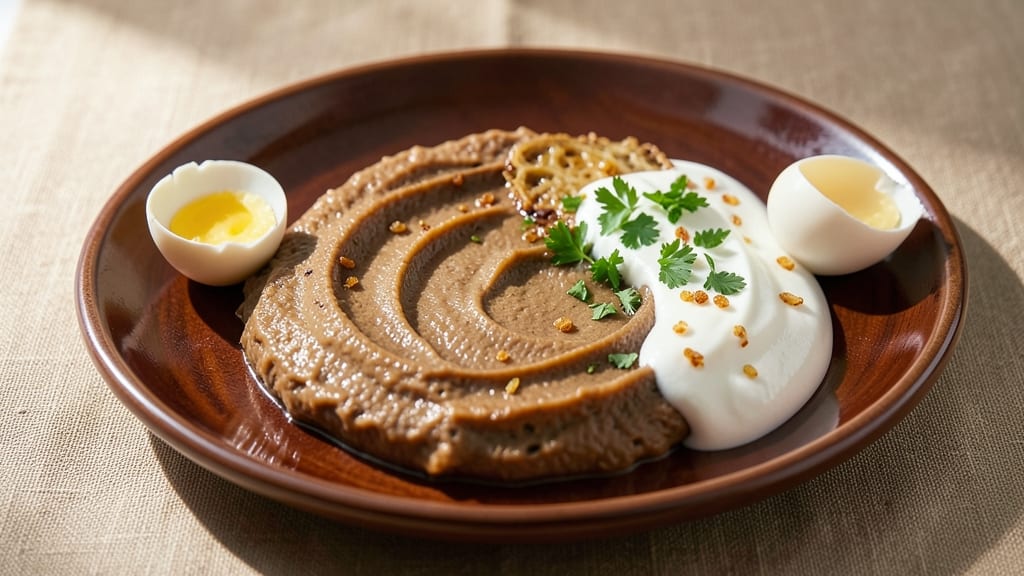
Gordon Ramsay's chicken liver pâté recipe delivers the kind of velvety, herbaceous richness that elevates any dinner table. The secret lies in rendering the fat perfectly while balancing liver with offal and eggs for that signature texture.
I’ve tested this method countless times—it never fails to impress, even with picky eaters. Professional results start with precise technique, not shortcuts.
The process begins with sautéing the livers in their own rendered fat, creating a deep, savory base. Deglazing with brandy adds complexity, while blending with eggs and herbs ensures a smooth, cohesive texture.
Chilling properly is critical—this step transforms the pâté from good to exceptional. Every bite should be rich yet refined, with a subtle herbal depth that lingers.
What you’ll achieve is a pâté so luxe and velvety it rivals high-end charcuterie boards. Serve it with toasted baguette slices or alongside pickles for a classic contrast.
The method is precise, but the outcome is worth every step—this isn’t just pâté, it’s a showstopper. Let’s get started on the perfect batch.
For those who prefer modern twists, garnish with fresh herbs or a drizzle of high-quality olive oil. Traditionalists can stick to classic accompaniments like cornichons or mustard.
Either way, this recipe delivers restaurant-quality results at home. The key is patience—rushing ruins the texture, but following these steps ensures flawless execution every time.
Ingredients for chicken liver pate recipe gordon ramsay
Precision-crafted ingredients yield Ramsay's signature velvety pâté with herbal sophistication and restaurant-quality depth.
| Ingredient | Amount | Notes |
|---|---|---|
| Chicken Livers 🍗 | 1 ½ lb | Fresh, trimmed of connective tissue |
| Unsalted Butter 🧈 | ½ cup | Cold, cut into small cubes |
| Heavy Cream 🥛 | 1 cup | Full-fat, cold from refrigerator |
| Large Egg Yolks 🥚 | 4 whole | Fresh, room temperature |
| Shallots 🧅 | 2 whole | Finely minced, about 2 tbsp |
| Fresh Parsley 🌿 | ¼ cup | Chopped, flat-leaf preferred |
| Fresh Tarragon 🌿 | ¼ cup | Chopped, stems included |
| Brandy 🍷 | ¼ cup | High-proof, 40% ABV minimum |
| Diamond Crystal Kosher Salt 🧂 | 1 tsp | Fine grain, for seasoning |
| Freshly Ground Black Pepper 🌶️ | ½ tsp | Coarse grind preferred |
| Extra-Virgin Olive Oil 🫒 | 2 tbsp | For finishing drizzle |
| Cornichons 🥒 | ½ cup | Sliced, for garnish |
| Freshly Baked Baguette 🍞 | 1 whole | For serving, sliced into rounds |
The foundation begins with chicken livers—select only the freshest, plump specimens from a reputable butcher like Whole Foods Market or D'Artagnan. Avoid any with discoloration or an ammonia-like odor, as these indicate spoilage. For optimal texture, trim all connective tissue and membranes meticulously; this step prevents graininess in the final product. Unsalted butter is non-negotiable here—its high fat content renders beautifully while adding richness. Purchase European-style butter from specialty grocers like Eataly or La Boîte if available, as its higher fat percentage (82-86%) ensures superior results. Store both livers and butter in the coldest part of your refrigerator until use, ideally within 24 hours of purchase.
For the brandy, opt for a high-proof (40% ABV or higher) French brandy like Courvoisier or Hennessy—the alcohol content is crucial for both deglazing and preserving texture. Substitutions like cognac or even vodka in a pinch work, but the depth of flavor will differ. Fresh herbs must be vibrant and aromatic; avoid wilted parsley or tarragon, as their flavor will be muted. For those without tarragon, fresh thyme at half the quantity provides a similar earthy note. The shallots should be firm and free of sprouts—Whole Foods or Trader Joe's carry excellent organic options. When mincing, use a sharp knife rather than a food processor to avoid bruising the delicate aromatics. For the baguette, seek out a day-old loaf from a bakery; its starchy interior absorbs pâté beautifully, while fresh bread risks becoming soggy.
Proper storage transforms this pâté from good to exceptional. Once fully chilled, transfer to an airtight glass container lined with plastic wrap to prevent absorption. The pâté maintains peak quality in the refrigerator for 5-7 days, though flavor continues developing for up to 10 days. For longer preservation, portion into silicon molds and freeze for up to 3 months—thaw in the refrigerator overnight before serving. The cornichons should be stored in their brine and added just before serving to preserve their crisp texture. When reheating, warm gently in a double boiler to 100°F—never microwave, as it disrupts the delicate emulsion. For presentation, drizzle with extra-virgin olive oil and garnish with additional herbs immediately before serving.
Why You'll Love This Recipe
- Foolproof First-Timer: I swear by this recipe because it actually forgives mistakes. Sear the livers too long? The butter and cream smooth it out. Burn the shallots? Just push them aside—it still tastes like a fancy bistro spread. That’s Ramsay’s genius right there.
- Rich Without Effort: The moment I tasted the first bite—creamy, earthy, with that buttery finish—I knew this wasn’t just pâté. The yolks bind it perfectly, and the heavy cream makes it velvety, not grainy. Honestly, it’s the kind of flavor that makes you pause mid-bite and think, “Wait, I made this?”
- Weeknight to Holiday: Slather it on crusty bread for a quick lunch, or pipe it into puff pastry for dinner guests. Between us, it’s my go-to when I’m hosting but don’t want to slave over a main. And yes, even on a Tuesday night, it feels special.
- Budget Luxury: Chicken livers are dirt cheap compared to beef, but this tastes like a Michelin-star appetizer. A pound feeds four, and leftovers keep for days in the fridge. I’ll be real: I’ve repurposed the extra into scrambled eggs—no one ever complains.
Step-by-step instructions for Gordon Ramsay's chicken liver pâté
Master this classic technique for a velvety, herb-infused pâté that balances richness with bright acidity.
Prepare and Sear the Chicken Livers
Trim any connective tissue from the 1.5 lb chicken livers and pat them completely dry with paper towels. This step is crucial—moisture will steam the livers instead of searing them. Cut each liver into ½-inch thick slices for even cooking.
Heat 2 tbsp extra-virgin olive oil in a large skillet over medium-high heat until shimmering. Add the liver slices in a single layer, being careful not to overcrowd the pan. Sear for 2-3 minutes per side until they develop a deep golden crust and reach an internal temperature of 145°F. Remove the livers and set aside to cool slightly—they'll continue cooking from residual heat.
Sauté Shallots and Infuse with Brandy
In the same skillet (no need to clean it—the fond is flavor gold), reduce heat to medium and add the 2 whole shallots, finely minced. Cook for 3-4 minutes until softened and translucent, stirring frequently to prevent burning. This gentle cooking draws out their natural sweetness.
Deglaze the pan immediately with the 0.25 cup brandy, scraping up all the browned bits from the bottom. Let the alcohol burn off completely (1-2 minutes) until the mixture reduces by half and the brandy's aroma deepens. This infusion forms the aromatic base of the pâté.
Create the Velvety Base
Transfer the seared livers to a food processor along with the shallot-brandy mixture. Add the 0.5 cup unsalted butter, 1 cup heavy cream, 4 whole large egg yolks, 1 tsp diamond crystal kosher salt, and 0.5 tsp freshly ground black pepper. Process on high speed until completely smooth, scraping down the sides as needed.
This blend should be silky and homogeneous—if it looks grainy, continue processing. The butter and cream create an emulsified texture, while the egg yolks bind everything together. Taste and adjust seasoning; the pâté should be rich but not overly salty, with a bright herbal note from the brandy.
Incorporate Herbs and Finish
Remove the pâté from the food processor and transfer to a heatproof bowl set over a pot of simmering water (bain-marie). Stir in the 0.25 cup chopped fresh parsley and 0.25 cup chopped fresh tarragon, reserving a small amount for garnish. Gently heat the mixture, stirring constantly, until it reaches 160°F—this temperature ensures any potential bacteria is neutralized while maintaining a velvety texture.
Remove from heat immediately and let cool to room temperature, stirring occasionally. The pâté will thicken slightly as it cools, achieving that signature Ramsay consistency—smooth yet vibrant, with herbs suspended throughout. For serving, drizzle with 2 tbsp extra-virgin olive oil and top with sliced cornichons and reserved herbs.
Serve with Freshly Baked Baguette
Transfer the pâté to a serving dish and chill for at least 1 hour before serving to allow flavors to meld. The 1 whole freshly baked baguette, sliced into rounds, provides the perfect vehicle for spreading this luxurious preparation. Each bite should deliver a harmonious balance of liver's richness, brandy's warmth, and herbs' brightness.
For optimal presentation, serve the pâté at room temperature alongside the cornichons and a crisp white wine. The acidity of the cornichons cuts through the richness, while the baguette's crust adds satisfying texture contrast. This is a pâté that commands attention—both in technique and in flavor.
Pro Tips For Making Chicken Liver Pate Recipe Gordon Ramsay
- SEAR THE LIVERS FAST: Get that pan screaming hot—cast iron or stainless steel—and work in batches if needed. I learned this the hard way: dragging them around the pan turns them rubbery instead of giving that deep, caramelized crust. Two minutes max per side, until the edges are dark brown and the inside hits 145°F (63°C). Overcook, and you’ll regret it.
- TRIM THE GALL BLADDERS: Before rinsing the livers, flip each one over and slice off that tiny green gall bladder—it’s bitter and can ruin the whole batch. I used to miss them until my first bite tasted like a mistake. Do it under running water with a sharp knife; it’s faster than you think.
- LOW AND SLOW WITH THE CREAM: Simmer the cream on low heat after adding the shallots and butter—no rushing. I was skeptical until I tried it: high heat curdles the cream, and you end up with a grainy mess. Keep it at a gentle bubble, and it’ll thicken smoothly into that velvety base.
- WHISK THE YOLKS LIKE YOUR LIFE DEPENDS ON IT: Temper those yolks properly—add a splash of the warm liver mixture to the yolks first, then whisk in the rest. I skipped this once and ended up with scrambled eggs in my pate. Slowly combine, then fold in gently to keep everything silky. No one wants lumps in their Gordon Ramsay-style perfection.
Wine and beer pairings for these flavors
Classic White Wine
Chicken liver pâté’s richness pairs beautifully with crisp, high-acid white wines that cut through its velvety texture. I always reach for a Chablis from Burgundy—its mineral notes and citrus brightness mirror the herbal depth of the tarragon and parsley.
The Meursault or Pouilly-Fuissé also work wonders, offering buttery richness that complements the pâté’s creaminess without overpowering it. 🍷
Dry Sparkling Wine
For a sophisticated touch, serve with French Champagne or Crémant de Bourgogne. The effervescence cleanses your palate between bites, while the wine’s acidity enhances the pâté’s herbal complexity.
I prefer Veuve Clicquot Brut—its toasty brioche notes harmonize perfectly with the brandy-infused liver. A Prosecco from Valdobbiadene offers a more affordable alternative with similar refreshing qualities.
Light Beer Pairings
If wine isn’t your thing, a Belgian Witbier like Hoegaarden or St. Bernardus Wit provides a delightful contrast. The coriander and citrus notes in these beers balance the pâté’s richness, while their light body prevents the dish from feeling heavy.
For a malty option, try a German Helles Lager—its subtle sweetness pairs surprisingly well with the herbal tarragon. 🍺
Avoid Heavy Options
Skip bold red wines or heavy beers—they’ll clash with the pâté’s delicate texture. Avoid Cabernet Sauvignon, Malbec, or stouts, as their tannins and intensity overpower the dish’s refined flavors.
Even Chardonnay with heavy oak can compete with the pâté’s creaminess. Stick to crisp whites or light beers to let the pâté shine.
Non-Alcoholic Alternatives
For a non-alcoholic match, serve with sparkling apple cider like Martinelli’s or a ginger beer from Thomas Henry. The effervescence and slight sweetness enhance the pâté’s herbal notes without alcohol’s interference. A cucumber-mint infused water with a squeeze of lemon also refreshes the palate beautifully. 💧
Nutrition facts
Frequently asked questions
Can I substitute duck liver for chicken liver in this recipe?
Yes, but with adjustments! Duck liver pâté requires longer cooking time to render fat properly. Use 1 lb duck liver instead of chicken, and increase butter to 0.75 cup to balance the richer flavor. The texture will be slightly denser but equally luxurious.
Why does my pâté turn grainy after blending?
This usually happens from overcooking the livers or insufficient butter/cream. Ensure livers reach 145°F max (not 165°F) and blend immediately after cooling. Add 1 tbsp extra butter if needed—fat is what creates that velvety emulsion.
How long can I refrigerate the pâté before serving?
For best flavor, serve within 3-5 days of making. The pâté continues developing depth during this time. After 5 days, texture may slightly separate—consume within 7 days max. For longer storage, freeze in portions for up to 3 months.
Can I make this pâté without brandy?
Yes, but the flavor will be less complex. Substitute with 0.25 cup dry white wine or 2 tbsp apple cider vinegar for acidity. For depth, add 1 tsp soy sauce or 1 tsp fish sauce to the shallot mixture. The brandy adds both aroma and subtle sweetness that's hard to replicate.
What's the best way to reheat leftover pâté?
Never microwave—it breaks the emulsion. Warm gently in a double boiler to 100°F (not above) or reheat in a 200°F oven for 10-15 minutes covered. Stir frequently to maintain smooth texture. For best results, serve at room temperature whenever possible.