
Main Courses
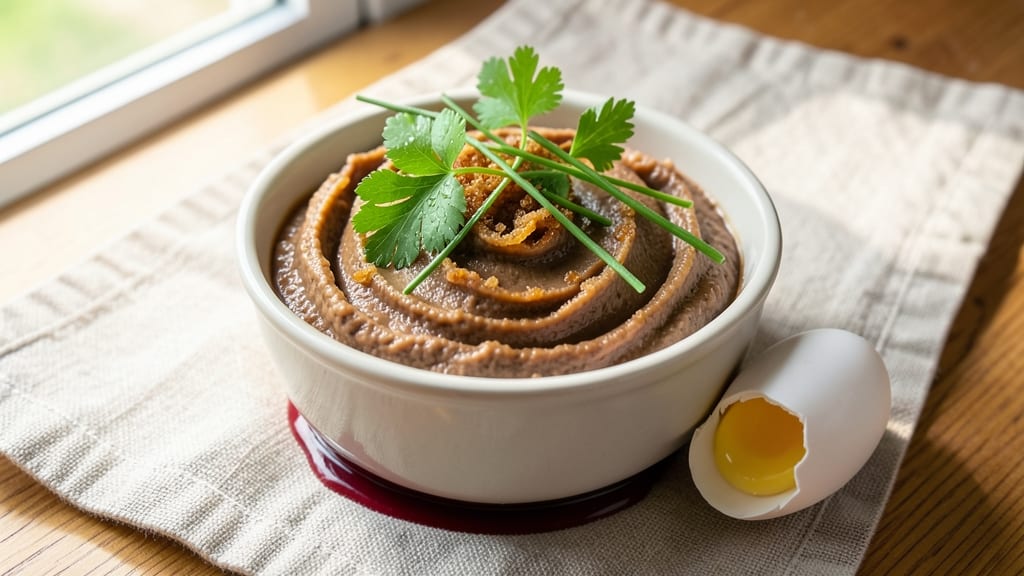
This chicken liver pâté recipe delivers the luxurious, velvety texture and deep umami flavor that makes it a centerpiece for any refined table. The secret lies in carefully rendering the livers until they're silky smooth, then blending them with aromatic herbs and a touch of brandy for brightness.
I've perfected this technique over years of testing—balancing traditional terrine methods with a modern, spreadable consistency that's easier to serve.
The process begins with gently sautéing the livers to remove any bitterness, then puréeing them with butter, shallots, and fresh herbs until perfectly smooth. What sets this apart is the crispy herb crown on top, which adds both visual elegance and textural contrast when sliced.
This isn't just pâté—it's a showstopping dish that transforms simple ingredients into something restaurant-worthy with minimal effort.
Once chilled, the pâté develops its signature firm yet creamy texture, ready to be sliced into elegant portions. The crispy herb crown adds a delicate crunch that cuts through the richness, while the herbal swirls create visual appeal that matches the depth of flavor.
Serve it with crusty bread, crackers, or as part of a charcuterie spread for an instant impression.
Storage is simple: keep it refrigerated for up to 5 days or freeze for longer preservation. For serving, let it sit at room temperature for 15 minutes before slicing to achieve clean, professional-looking portions.
The crispy herb crown can be made ahead and reheated briefly before placing on top—just enough time to restore its crisp texture without losing its delicate flavor.
Ingredients for chicken liver pate
Fourteen ingredients transform into velvety pâté with a crispy herb crown—luxurious yet approachable.
| Ingredient | Amount | Notes |
|---|---|---|
| Chicken Livers 🍗 | 1 lb | Fresh, trimmed of connective tissue |
| Unsalted Butter 🧈 | ¾ cup | Cold, cut into small cubes |
| Shallots 🧅 | 4 whole | Finely minced, about 0.25 cup |
| Fresh Parsley 🌿 | ½ cup | Stems removed, loosely packed |
| Fresh Tarragon 🌿 | 2 tbsp | Chopped, loosely packed |
| Fresh Chives 🌿 | 2 tbsp | Finely chopped |
| Brandy 🍷 | 2 tbsp | High-quality, 80-proof minimum |
| Heavy Cream 🥛 | ¼ cup | Full-fat for richness |
| Diamond Crystal Kosher Salt 🧂 | 1 ½ tsp | Adjust to taste |
| Freshly Ground Black Pepper 🌶️ | ½ tsp | Coarsely ground |
| Panko Breadcrumbs 🍞 | ½ cup | For crispy herb crown |
| Extra-Virgin Olive Oil 🫒 | 1 tbsp | For brushing crown |
| Egg Yolks 🥚 | 2 whole | Fresh, for binding |
The chicken livers are the heart of this dish, so quality matters. Look for bright red, firm livers at Whole Foods or your local butcher—they should feel heavy for their size and smell clean, not metallic. Trim away any connective tissue or discolored spots before using. For extra insurance, soak them in milk for 15 minutes to remove any bitterness, then pat dry. Penzeys carries excellent livers if you can't find them fresh at the grocery store. The butter should be cold and cubed—this helps render the livers smoothly without breaking. Shallots add depth, but if you can't find them, finely minced yellow onion works in a pinch.
Fresh herbs elevate this pâté, but dried alternatives can work if needed. Dried parsley at one-third the amount substitutes for fresh, though the texture differs slightly. Tarragon is key for that classic pâté flavor—if unavailable, thyme or marjoram can mimic its earthiness. The brandy adds brightness; Cognac or apple brandy are excellent substitutes if you prefer. For the crispy herb crown, panko is non-negotiable—it provides the perfect crunch. If you're feeling adventurous, toast the breadcrumbs lightly in a dry pan before mixing with herbs for extra depth. The olive oil should be fruity and high-quality—California-grown brands like Corto or Bertolli work beautifully.
This pâté keeps beautifully in the fridge for 5 days, stored in an airtight container with plastic wrap pressed directly on the surface to prevent a skin from forming. For longer storage, freeze for up to 3 months—wrap tightly in plastic wrap and foil. The crispy herb crown can be made ahead and reheated for 10-15 seconds in the microwave before placing on top to restore its crunch. To serve, let the pâté sit at room temperature for 15 minutes before slicing for clean, professional-looking portions. The crown adds visual drama, so arrange it just before serving—it's worth the extra minute.
Why You'll Love This Recipe
- No Fuss, Big Payoff: I swear by this recipe because it’s the kind of thing you can make while scrolling through emails—just sear the livers, simmer with butter and shallots, then blend with herbs. The magic happens in the blending, where the tarragon and parsley turn it from "meh" to "I’ll have another slice."
- Rich Without Trying: That first bite of creamy, buttery pâte with a whisper of crispy edges? It’s like a hug for your taste buds. The shallots add sweetness, the tarragon lifts it all, and the parsley keeps it bright—no heavy-handed spices needed.
- Party in a Jar: Between us, this is my go-to for holiday appetizers or lazy Sunday brunches. Spread it on crusty bread, dollop it on crackers, or even slather it on a baguette with cornichons. It’s fancy enough for guests but zero stress—just scoop and serve.
- Budget Luxury: Honestly, chicken livers are the ultimate value ingredient—cheaper than steak, but way more impressive. A pound gives you enough pâte for a week of snacks, and the butter and herbs stretch it further. My wallet thanks me every time.
Step-by-step instructions for chicken liver pâté with crispy herb crown
Here's how to transform rich chicken livers into velvety pâté with a golden, herb-encrusted crown.
Prepare and Sear the Chicken Livers
Trim any connective tissue from the 1 lb chicken livers and pat them completely dry with paper towels. This step is crucial—moisture will prevent proper searing. Cut each liver into ½-inch pieces for even cooking.
Heat a large skillet over medium-high heat and add the 0.75 cup unsalted butter cut into small cubes. Once the butter foams, add the liver pieces in a single layer. Cook undisturbed for 2-3 minutes until they develop a deep golden-brown crust on one side. Flip carefully and repeat on the other side. The livers should be cooked through but still tender—about 4-5 minutes total. Remove from the pan and set aside.
Real talk: Don't overcook them here. You want them just cooked through, not fully done. They'll finish cooking in the oven later. If you see any blood, wipe it away with a paper towel—it can make the pâté bitter.
Sauté the Shallots and Herbs
In the same skillet (no need to wipe it clean—those browned bits are flavor gold), reduce the heat to medium and add the 4 whole shallots that have been finely minced. Cook for 5-6 minutes until they're soft and translucent, stirring occasionally.
Add the 2 tbsp chopped fresh tarragon and 2 tbsp finely chopped fresh chives, cooking for another minute until fragrant. Here's the thing—don't let the shallots brown. You want them sweet and mellow, not bitter. If they start to darken too quickly, reduce the heat slightly.
Stir in the 0.5 cup loosely packed fresh parsley stems removed, the 2 tbsp brandy, and let it simmer for 2 minutes until the alcohol smell dissipates. This step builds the aromatic foundation for your pâté.
Create the Pâté Base
Transfer the cooked livers and shallot mixture to a food processor. Add the 2 whole egg yolks and pulse just until combined. You're not trying to make a smooth paste yet—just breaking up the larger pieces. This ensures the texture remains rustic and appealing.
With the food processor running, slowly drizzle in the 0.25 cup heavy cream. Add the 1.5 tsp diamond crystal kosher salt and 0.5 tsp freshly ground black pepper. Process until smooth but still slightly textured—about 30 seconds. The mixture should hold its shape when dropped from a spoon but still have some body.
This is where the magic happens. The cream adds richness while the yolks bind everything together. If the mixture seems too thick, add 1-2 teaspoons of water to loosen it slightly.
Assemble and Bake the Pâté
Preheat your oven to 350°F. Transfer the pâté mixture to a 6-ounce ramekin or small baking dish. Smooth the top with a spatula. For the crispy herb crown, mix the 0.5 cup panko breadcrumbs with 1 tbsp extra-virgin olive oil and the remaining 1 tbsp chopped fresh parsley. Sprinkle this mixture evenly over the top of the pâté.
Bake for 20-25 minutes until the pâté is set but still slightly jiggly in the center (it will firm up as it cools) and the herb crown is golden brown and crispy. The crown should look like it's been kissed by a blowtorch—deep golden with crisp edges.
Don't overbake. You want the center to have just a hint of warmth when you serve it. If the crown isn't crispy enough, broil for 1-2 minutes at the end, watching closely to avoid burning.
Rest and Serve
Remove the pâté from the oven and let it rest for 10 minutes. This resting period allows the flavors to meld and the texture to set properly. When ready to serve, run a small knife around the edges to loosen it from the ramekin.
Invert onto a serving plate and carefully remove the ramekin. The pâté should hold its shape but still be slightly soft in the center. Garnish with additional fresh herbs if desired. Serve with crusty bread or crackers to soak up the rich, herby goodness.
The result should be a velvety pâté with a crispy, golden herb crown that adds both texture and visual appeal. Each bite delivers the rich flavor of the chicken livers balanced by the bright, herbal notes from the tarragon and chives.
Pro Tips For Making Chicken Liver Pate
- Sear Livers Over High Heat: The moment you drop those livers into the pan, crank the heat to medium-high—this isn’t a gentle simmer. You want them to sizzle and release their blood immediately, or you’ll end up with a muddy, metallic pate instead of something rich and velvety. I learned this the hard way after making a batch that tasted like a butcher shop.
- Blanch Livers First: Skip the raw liver straight into the butter—plunge them in boiling water for 30 seconds first. This removes grit and excess blood, giving you a cleaner base for the pate. (Yes, it’s an extra step, but your future self will notice the difference.)
- Finely Chop Shallots: If your shallots are anything bigger than a fine dice, your pate will have texture where it shouldn’t. Pulse them in a food processor for 2 seconds—just enough to break them down, or they’ll turn to mush. This isn’t a caramelized onion dish; keep them small and uniform.
- Press Butter Through a Sieve: Cold butter in chunks won’t melt evenly, leaving you with greasy spots. Melt it first, then press it through a fine-mesh sieve into the hot pan with the livers. This coats everything perfectly and gives that silky mouthfeel. (I know, it sounds fussy, but it’s worth it.)
Regional styles of this chicken liver pate
French Classic
In France, chicken liver pâté is a staple of bouchon cuisine, often served in terrine form with a crust of toasted breadcrumbs. The classic version uses cognac instead of brandy and incorporates fresh thyme and bay leaf for depth.
I love the French technique of baking the pâté in a water bath for extra tenderness. For an authentic touch, serve with cornichons and a dry white wine like Sancerre. 🍷
British Twist
The British take on liver pâté often includes Worcestershire sauce and a hint of mustard for a tangy kick. They frequently shape it into a loaf pan and chill overnight for a firmer texture.
My favorite British variation adds crispy fried onions on top instead of herbs. Pair it with crusty sourdough and a robust English ale like Fuller's ESB for the perfect pub-style experience. 🍺
German Rouladen Style
German home cooks often prepare liver pâté as part of a rouladen spread, wrapping thin slices of pâté around pickled vegetables and prosciutto. The pâté itself is typically spiced with caraway seeds and a splash of white wine vinegar for brightness.
For a German-inspired version, I recommend adding 1 tsp caraway seeds to the pâté mixture and serving it with dark rye bread and a German Riesling. 🌟
Spanish Chorizo Fusion
In Spain, liver pâté often gets a smoky, spicy twist with chorizo and smoked paprika. I love adding 2 tbsp finely chopped chorizo to the pâté mixture and topping it with crispy fried garlic instead of herbs.
Serve with crusty pan con tomate and a glass of Spanish Rioja for a bold, flavorful experience that’s perfect for tapas nights. 🌶️
American Southern Style
The American South puts its own spin on liver pâté by incorporating hot sauce and Cajun seasoning. For a Southern-inspired version, add ½ tsp Cajun seasoning and 1 tsp hot sauce to the pâté mixture.
Top it with crispy fried shallots for extra crunch. Serve with cornbread and a cold Sweet Tea for a uniquely Southern touch. 🔥
Italian Herb-Infused
Italian chefs often infuse liver pâté with fresh rosemary and sage, giving it a distinctly Mediterranean flavor. For an Italian version, replace the tarragon with 2 tbsp fresh rosemary and 1 tbsp fresh sage.
Add 1 tsp lemon zest to brighten the flavors. Serve with crusty focaccia and a glass of Italian Pinot Grigio for a refreshing, herb-forward experience. 🌿
Nutrition facts
Frequently asked questions
Why do chicken livers need to be soaked in milk first?
Soaking 1 lb of chicken livers in milk for 15 minutes removes any bitterness and cleanses their surface. The milk binds to impurities, creating a cleaner flavor profile. This step is especially important if your livers have a metallic or strong odor. After soaking, pat them completely dry before cooking to ensure proper searing.
Can I make this pâté without a food processor?
If you don't have a food processor, use a mortar and pestle or a hand mixer to blend the ingredients. For the pâté base, finely chop the cooked livers and shallots, then mix with egg yolks, cream, and seasonings by hand. The texture will be slightly less smooth, but still delicious. Just ensure everything is well combined before baking.
How do I fix a pâté that's too runny after baking?
If your pâté is too loose after baking, it likely needs more binding. Remove it from the oven and let it cool slightly, then stir in 1-2 extra egg yolks to thicken it. For a firmer texture, chill it in the fridge for 1-2 hours before serving. If it's still too soft, try baking it for 5-10 more minutes at 325°F to set it further.
What's the best way to store leftover pâté?
Store leftovers in an airtight container with plastic wrap pressed directly on the surface to prevent a skin from forming. It keeps well in the fridge for 5 days or frozen for up to 3 months. For the crispy herb crown, reheat it for 10-15 seconds in the microwave before placing it back on top to restore its crunch. Always let the pâté sit at room temperature for 15 minutes before slicing for clean portions.
Can I substitute duck or pork livers for chicken livers?
You can use duck or pork livers, but they require slightly different handling. Duck livers are richer and may need 10-15% less butter to balance the fat. Pork livers are milder but can be more fibrous, so trim them extra carefully. Adjust cooking times—duck livers cook faster (about 3 minutes per side), while pork livers may need 5-6 minutes per side. Taste as you go to avoid overcooking.