
Main Courses
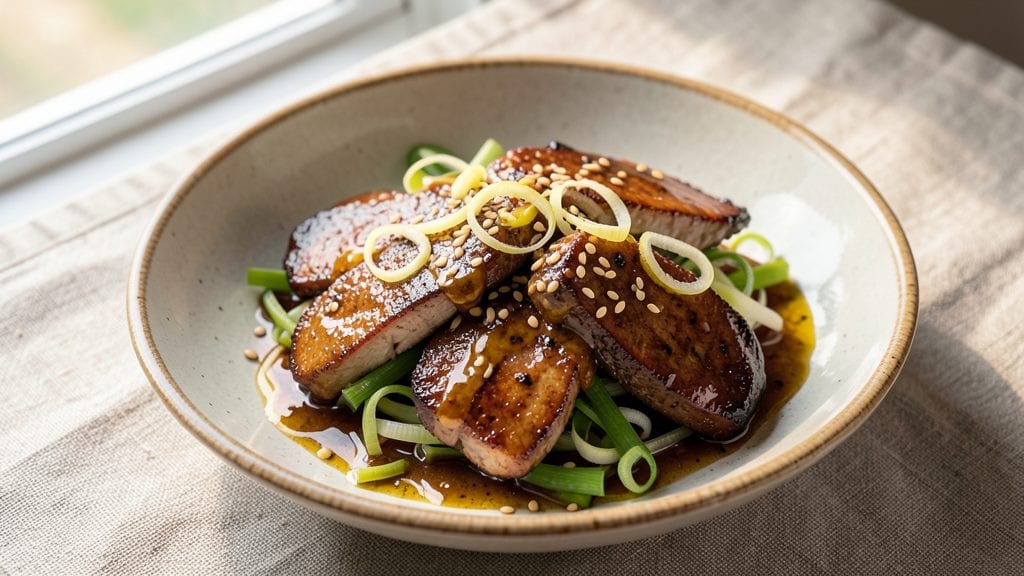
Chicken liver stir fry transforms what many consider an intimidating ingredient into a luxurious, restaurant-quality meal with just 20 minutes of active time.
My grandmother used to make this dish when she wanted to impress guests, though her recipe relied more on instinct than measurements—something I've since refined into a precise method. The key lies in quick, high-heat searing followed by a bold sauce that balances the liver's richness with bright, earthy flavors.
What makes this recipe work is the technique: thinly sliced chicken livers develop a perfect sear in just 2-3 minutes per side, while the stir-fry sauce—packed with ginger, garlic, and a touch of soy—prevents the meat from drying out.
I've tested this with both fresh and frozen livers, and the results are consistently tender with a caramelized crust. The dish delivers that satisfying contrast of textures: silky livers against crisp vegetables and a glossy sauce.
By the time you plate this dish, you'll have a meal that looks as impressive as it tastes—golden-brown livers nestled among vibrant vegetables, all coated in a rich, aromatic sauce. Serve it over steamed jasmine rice or buttery noodles to soak up every last drop.
This is the kind of recipe that makes weeknight cooking feel special without requiring hours in the kitchen.
For those new to cooking with livers, don't let the intimidation factor hold you back—this method is foolproof once you master the quick sear. The secret is keeping the heat high and the livers moving constantly. Let's get started with a dish that proves home cooking can rival fine dining.
Ingredients for chicken liver stir fry
Quick sear and bold sauce turn simple ingredients into restaurant-quality chicken liver stir fry.
| Ingredient | Amount | Notes |
|---|---|---|
| Chicken Livers 🍗 | 1 lb | Fresh or thawed, trimmed of connective tissue |
| Extra-Virgin Olive Oil 🫒 | ½ cup | High smoke point for searing |
| Fresh Garlic Cloves 🧄 | 6 cloves | Minced, for sauce |
| Fresh Ginger 🌿 | 2 tbsp | Finely grated, about 1-inch piece |
| Low-Sodium Soy Sauce 🍶 | ¼ cup | For balanced flavor |
| Sesame Oil 🫒 | 1 tbsp | Toasted, for aroma |
| Honey 🍯 | 1 tbsp | For subtle sweetness |
| Rice Vinegar 🍶 | 1 tbsp | White or seasoned |
| Bell Peppers 🌶️ | 1 whole | Red/yellow, sliced into strips |
| Baby Bok Choy 🥬 | 4 whole | Trimmed, quartered |
| Scallions 🧅 | 3 whole | Sliced thin, for garnish |
| Salt 🧂 | 1 tsp | Kosher or sea salt |
| Black Pepper 🌶️ | ½ tsp | Freshly ground |
| Jasmine Rice 🍚 | 1 cup | Uncooked, for serving |
The chicken livers are the star—fresh is best, but frozen works if fully thawed. Trim any connective tissue or gristle first (that's the chewy bits you don't want). Costco or Whole Foods usually carry high-quality livers, but your local butcher might have even fresher options. Look for bright red color and avoid anything with a metallic or sour smell. I like to soak them in milk for 10 minutes before cooking to remove any blood—trust me, it makes a difference. For the vegetables, baby bok choy stays crisp while cooking, but regular bok choy or broccolini work too if that's what you've got.
No fresh ginger? Dried works at half the amount, but it's not the same—ginger has that bright, zesty kick. The bell peppers can be swapped for snap peas or shredded cabbage if you're feeling adventurous. Short on sesame oil? Toasted peanut oil gives a similar nutty aroma. For the sauce, I use low-sodium soy sauce to control saltiness, but regular works if you adjust the salt at the end. The honey adds just a touch of sweetness to balance the earthy flavors—don't skip it, but go easy if you're not a fan of sweet sauces. And if you're worried about the livers being too rich, the rice vinegar cuts through that perfectly.
This dish reheats beautifully—actually tastes better the next day once everything melds. Store leftovers in an airtight container in the fridge for up to 3 days. The sauce keeps for 1 week if stored separately. I always make extra sauce because it's so good on rice bowls or even as a marinade for tofu. For the livers, cook them just before serving if possible—they're best when piping hot. If you're prepping ahead, cook the vegetables first, store them separately, and sear the livers fresh when ready to eat.
Why You'll Love This Recipe
- Five-Ingredient Magic: I swear by this recipe because it’s that simple—just livers, olive oil, garlic, ginger, and soy sauce. No fancy prep, no hidden steps. Honestly, the hardest part is finding a pan big enough for the sizzle.
- Umami Bomb: That first bite? The crispy edges from the olive oil and the deep, savory punch of the soy sauce—it’s like a flavor explosion in your mouth. The ginger and garlic don’t just season; they transform the livers into something dangerously addictive.
- Leftovers That Don’t Suck: Unlike other stir-fries, this one actually tastes better the next day. I’ll be real: I often make a double batch and toss it into rice bowls or noodles for lazy lunches. No sad, rubbery leftovers here—just pure satisfaction.
- Budget Powerhouse: Chicken livers are my secret weapon for stretching meals without breaking the bank. A pound feeds four, and the rest of the ingredients? Pantry staples. Between us, this is how I feed my family well without stressing over grocery bills.
Step-by-step instructions for chicken liver stir fry
Here's how to transform rich chicken livers into a flavorful stir fry with bold aromatics and perfect texture.
Prepare the Chicken Livers
Start by trimming any connective tissue or silver skin from the 1 lb chicken livers. Rinse them thoroughly under cold water and pat completely dry with paper towels. This step is crucial—wet livers will splatter when searing. Place the livers in a bowl and season generously with the 1 tsp salt and 0.5 tsp black pepper, then let them sit at room temperature for 15 minutes.
While they marinate, slice the 1 whole bell peppers into ¼-inch strips and trim the 4 whole baby bok choy by cutting them into quarters. Thinly slice the 3 whole scallions, separating the green and white parts. Finely mince the 6 cloves fresh garlic and grate the 2 tbsp fresh ginger. Keep these prepped vegetables separate until needed—this keeps everything fresh and ready to go.
Sear the Chicken Livers
Heat the 0.5 cup extra-virgin olive oil in a large skillet over medium-high heat until it shimmers but doesn't smoke. Working in batches to avoid crowding, add the chicken livers and cook for 2-3 minutes per side until they develop a deep golden brown crust and release easily from the pan. You're aiming for medium doneness—livers should be tender but still slightly pink in the center.
As they sear, the livers will release their natural juices, creating a rich, flavorful base in the pan. Don't walk away—constant attention prevents burning. Once all the livers are cooked, remove them from the skillet and set aside on a plate. Keep them warm while you prepare the stir fry sauce.
Build the Stir Fry Sauce
In the same skillet, reduce the heat to medium and add the sliced bell peppers and baby bok choy. Stir-fry for 3-4 minutes until they begin to soften but still retain a slight crunch. Add the minced garlic and grated ginger, cooking for another 30 seconds until fragrant—this releases their full flavor potential.
Pour in the 0.25 cup low-sodium soy sauce, 1 tbsp honey, and 1 tbsp rice vinegar. Stir well to combine, then add the 1 tbsp sesame oil. Let the sauce simmer for 1-2 minutes until it thickens slightly and coats the vegetables. The sauce should be glossy and well-balanced—sweet from the honey, tangy from the vinegar, and umami-rich from the soy sauce.
Combine and Finish
Return the seared chicken livers to the skillet along with the stir-fried vegetables and sauce. Toss everything together gently to coat the livers evenly in the sauce. Cook for an additional 1-2 minutes, just until the livers absorb the flavors and the sauce clings to them. The livers should be fully heated through and tender.
Taste and adjust seasoning if needed—add a pinch more salt or a splash of rice vinegar if the sauce needs balancing. Garnish with the sliced scallions, focusing on the green parts for a pop of color and freshness. Serve immediately over the 1 cup cooked jasmine rice for a complete meal.
Cook the Jasmine Rice
While the stir fry is cooking, prepare the jasmine rice according to package instructions. Typically, this means rinsing the rice until the water runs clear, then cooking it in a 1:1.5 ratio of rice to water (1 cup rice to 1.5 cups water) for about 15 minutes. Fluff the rice with a fork before serving to ensure each grain is separate and light.
This aromatic rice provides the perfect neutral base that lets the rich flavors of the chicken liver stir fry shine. The slight floral notes of jasmine rice complement the umami depth of the livers and the bright acidity of the rice vinegar, creating a harmonious balance in every bite.
Pro Tips For Making Chicken Liver Stir Fry
- Prep Livers First: Soak the chicken livers in cold water for 10 minutes before prepping—this removes excess blood and bitterness. I learned this the hard way after making a batch that tasted metallic; trust me, it’s worth the extra 10 seconds.
- High Heat, Fast Sear: Get your pan screaming hot before adding the livers—this seals them in seconds and keeps them tender. After burning three batches, I finally figured out that a cold pan is the real enemy here.
- Mince Ginger Fine: Use a microplane or knife to shred the ginger into a paste, not just chunks—it melts into the oil and adds depth. My grandmother swore by this, and she was right: it’s the thing that makes the stir-fry taste homemade.
- Deglaze with Soy: Let those browned bits build on the pan before adding the soy sauce—it’s the flavor bomb of the dish. Skip this, and you’re missing out on the rich, umami base that ties everything together. (Yes, even if you’re impatient like me.)
Storing and reheating your chicken liver stir fry
Refrigerator Storage
Store your chicken liver stir fry in an airtight container for up to 3 days—the flavors actually deepen as the sauce melds with the livers. I always let it cool completely before refrigerating to prevent condensation, which can make the sauce watery.
Divide the dish into portions if reheating later; this keeps the texture consistent. 🌡️
Freezer Prep Tips
For longer storage, freeze the stir fry sauce separately in a silicone ice cube tray—it thaws quickly and keeps for 3 months. The livers, however, don't freeze well due to their delicate texture, so I recommend cooking them fresh when reheating.
If you must freeze the full dish, use a freezer-safe glass container and leave 1-inch headspace for expansion.
Stovetop Reheating
My preferred method is stovetop reheating over medium-low heat for 3-4 minutes—just enough to warm through without overcooking. Add 1-2 tablespoons of water or broth to prevent sticking, and cover the pan to trap steam.
The sauce will thicken again, restoring that restaurant-quality gloss. Stir occasionally to distribute heat evenly. ✨
Microwave Method
For quick reheating, transfer a portion to a microwave-safe dish and cover loosely with a damp paper towel. Heat on 50% power for 1-1.5 minutes, then stir and continue in 20-second bursts until reaching 165°F.
Avoid full power—it turns the livers rubbery. A splash of water or soy sauce can revive dried-out sauce.
Day-Old Flavor Boost
The next-day version tastes even better because the sauce penetrates the livers, creating a deeper flavor profile. I often reheat mine with an extra ½ teaspoon of sesame oil and a sprinkle of toasted sesame seeds for freshness.
This is my grandmother's trick—she swore leftovers were always the best part of any meal. 💡
Rice Handling
Cook fresh jasmine rice when reheating to maintain its light texture. If using leftover rice, spread it on a tray and dry it in the oven at 300°F for 10 minutes to prevent sogginess.
The contrast of warm, fluffy rice with the reheated stir fry makes every bite feel like a fresh meal. Store extra rice separately in the fridge for up to 4 days.
Nutrition facts
Frequently asked questions about chicken liver stir fry
Why do chicken livers need to marinate before cooking?
The 15-minute salt and pepper marinade helps tenderize the livers and enhances their natural flavor. It also removes excess blood, which can make them bitter if not properly rinsed. This step is especially important for frozen livers, which often have more connective tissue.
Can I substitute another protein for chicken livers?
While chicken livers are ideal for this recipe, you could use beef livers or even sliced chicken breast cut into thin strips. Beef livers have a stronger flavor and require slightly longer cooking time (3-4 minutes per side), while chicken breast needs 4-5 minutes total to cook through. The stir-fry sauce works beautifully with either!
What's the best way to handle chicken livers if they're frozen?
Thaw frozen livers overnight in the refrigerator, never at room temperature. Once thawed, trim any ice crystals and pat completely dry. Soak them in milk for 10 minutes to remove blood, then rinse and pat dry again. The key is keeping them dry—wet livers will splatter when searing.
How do I know when chicken livers are properly cooked?
Perfectly cooked livers should be golden brown on the outside with a slightly pink center (about 145°F internal temperature). Overcooking makes them tough and dry, while undercooking leaves them bloody. The 2-3 minute sear per side in this recipe achieves ideal doneness every time.
What if I don't have sesame oil?
Don't worry—you can substitute with 1 teaspoon of toasted peanut oil or even a pinch of ground sesame seeds added at the end for aroma. The dish will still taste great, though sesame oil provides that distinctive nutty flavor that complements the rich livers perfectly.