Side Dishes
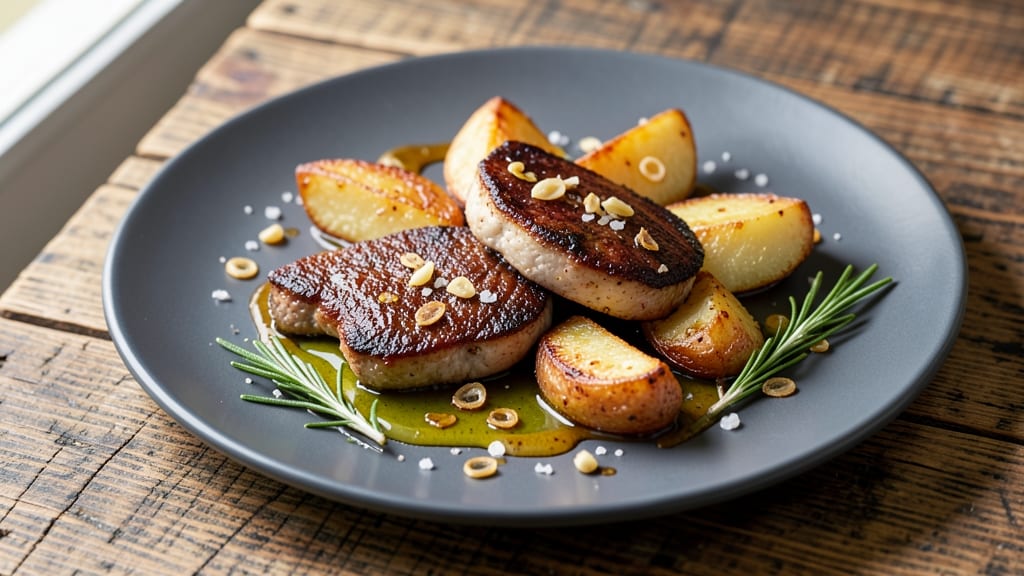
This chicken liver and potatoes recipe transforms humble offal into a restaurant-worthy dish with crispy edges and rich, velvety texture. Growing up in small-town Georgia, I learned how offal dishes elevate simple meals—this version keeps that tradition alive while adding modern precision.
The secret lies in quick searing over high heat, which creates that signature caramelized crust while keeping the centers tender.
Potatoes play a crucial role here, acting as both a canvas and a counterpoint to the liver's richness. I prefer pan-fried wedges tossed in garlic butter, which add a golden, crispy contrast that balances the dish's depth.
The combination of buttery potatoes and pan-seared liver delivers a perfect harmony of textures—tender meets crispy, rich meets earthy.
What makes this recipe stand out is its foolproof technique for handling chicken liver, which can easily turn rubbery if overcooked. With just 20 minutes of active prep and 15 minutes of cooking, you'll have a dish that feels indulgent yet remains approachable.
The key is patience—let the liver rest after searing, and the flavors will meld beautifully.
Serve this dish with a simple arugula salad or crusty bread to soak up every last drop of the pan juices. The result is a complete meal that feels special without requiring hours in the kitchen. Let's get started—your taste buds will thank you.
Ingredients for chicken liver with potato
Simple ingredients that deliver restaurant-quality flavor with minimal effort.
| Ingredient | Amount | Notes |
|---|---|---|
| Chicken Livers 🍗 | 1 lb | Fresh, trimmed of connective tissue |
| Russet Potatoes | 2 large | Cut into 1-inch wedges, skin on |
| Unsalted Butter 🧈 | ½ cup | Cold, cubed for crispy edges |
| Garlic Cloves 🧄 | 4 cloves | Minced for garlic butter |
| Extra-Virgin Olive Oil 🫒 | 2 tbsp | High smoke point preferred |
| Diamond Crystal Kosher Salt 🧂 | 1 ½ tsp | For seasoning and finishing |
| Fresh Thyme Leaves 🌿 | ½ tsp | Or 1/4 tsp dried thyme |
| Fresh Parsley Leaves 🌿 | ¼ cup | Chopped for garnish |
| Fresh Lemon Juice 🍋 | 1 tbsp | Brightens the dish |
| Heavy Cream 🥛 | ¼ cup | For pan deglazing |
| Black Peppercorns 🌶️ | ½ tsp | Freshly cracked |
| All-Purpose Flour 🌾 | 2 tbsp | For dredging livers |
The chicken livers are the star, so don't skimp. Look for fresh, bright red livers at your local butcher or grocery store's meat counter—avoid any with a grayish tint, which means they've started to spoil. I always ask for them to be trimmed of any connective tissue, which makes all the difference in texture. Whole Foods or local butchers often have the freshest cuts. For the potatoes, Russets are non-negotiable—their high starch content gives you that perfect crispy edge. Cut them into even wedges so they cook uniformly. If you're feeling fancy, use a mandoline for perfectly thin slices, but a sharp chef's knife works just as well.
No fresh thyme? Dried works at one-third the amount, but the flavor won't be as vibrant. Running out of parsley? Fresh cilantro or chives add a nice bright note. The heavy cream in the pan deglazing can be swapped for whole milk or half-and-half if you're watching calories, though the texture won't be quite as rich. For the butter, European-style unsalted butter like Plugrá melts more smoothly and adds a deeper flavor. If you can't find it, regular unsalted butter works fine—just make sure it's cold when you cube it for those crispy edges. The lemon juice can be bottled, but fresh is always better if you've got it.
Chicken livers should be used within 2 days of purchase for best results—store them in an airtight container in the coldest part of your fridge. The potatoes can be prepped a day ahead and stored in cold water to prevent browning. For the butter and cream, keep them at room temperature for about 30 minutes before using so they incorporate smoothly into the pan juices. This dish reheats surprisingly well—just warm it gently in a skillet with a splash of water to keep it moist. Leftovers keep for 3 days in the fridge, though I rarely have any.
Why You'll Love This Recipe
- One-Pan Magic: I swear by this recipe because it’s literally one pan, one skillet, and zero stress. Slice those livers thin, toss them in with the potatoes, and let the butter and olive oil work their magic—no flipping, no fuss, just golden-brown perfection by the time the potatoes are tender.
- Rich & Earthy: Between us, chicken livers have a reputation they don’t deserve. Sautéed in olive oil with garlic until they’re just crispy at the edges, then finished with butter? That deep, savory punch paired with the buttery potatoes is ridiculously satisfying—like a hug for your taste buds.
- Budget Feast: This dish turns a $5 bag of livers into a meal that feels like a splurge. It’s the kind of thing I make when I’m trying to stretch my grocery budget but still want something hearty enough to fill everyone up—no sad leftovers here, either.
- Weeknight Workhorse: Honestly, I’ve served this for everything from lazy Sundays to post-gym dinners. The potatoes soak up all the flavor, and the livers? They’re rich enough to feel special but simple enough to throw together while scrolling through emails. (Yes, even on a Tuesday night.)
Step-by-step instructions for chicken liver and potatoes
Here's how to transform simple ingredients into a luxurious dish with perfectly crispy edges and velvety textures.
Prepare the Chicken Livers for Crispy Perfection
Remove the chicken livers from the refrigerator and let them sit at room temperature for 15 minutes. This ensures even cooking. Pat them completely dry with paper towels—moisture is the enemy of crispy edges, and you want those livers to develop that beautiful golden-brown crust.
In a small bowl, combine the 2 tablespoons all-purpose flour, 1.5 teaspoons diamond crystal kosher salt, and 0.5 teaspoon freshly cracked black peppercorns. Toss the livers in this mixture until evenly coated. Let them rest for 5 minutes while you prepare the potatoes—this gives the flour time to adhere properly, creating a sturdy crust that won't crumble during cooking.
Roast the Potatoes Until Golden and Crisp
Preheat your oven to 425°F and arrange a rack in the middle position. Toss the 2 large russet potatoes, cut into 1-inch wedges, with 2 tablespoons extra-virgin olive oil and 0.5 teaspoon diamond crystal kosher salt on a rimmed baking sheet. Spread them in a single layer, ensuring they don't overlap—this promotes even browning.
Roast for 25-30 minutes, flipping the wedges halfway through, until they're deep golden brown and crispy around the edges. You'll know they're done when the skin starts to crackle slightly and the flesh becomes tender when pierced with a fork. Remove them from the oven and set aside—they'll stay warm while you finish the livers.
Pan-Sear the Livers for Maximum Crispiness
Heat a large skillet over medium-high heat until it's just smoking hot. Add 0.5 cup cold cubed unsalted butter and let it melt, swirling the pan to coat the bottom evenly. Once the butter foams and turns golden, add the floured livers in a single layer—don't overcrowd the pan, or they'll steam instead of sear.
Cook undisturbed for 2-3 minutes per side until they develop a deep mahogany crust and the internal temperature reaches 145°F. You'll see the edges begin to crisp and pull away from the pan—this is your signal to flip. Transfer the livers to a plate and tent loosely with foil to keep them warm while you prepare the garlic butter sauce.
Create the Garlic Butter Sauce for Rich Flavor
In the same skillet (no need to clean it—the browned bits are pure flavor), reduce the heat to medium and add the 4 minced garlic cloves. Cook for 30 seconds until fragrant but not browned—burnt garlic will make the sauce bitter. Pour in the 0.25 cup heavy cream and 1 tablespoon fresh lemon juice, scraping up any browned bits from the bottom of the pan with a wooden spoon.
Simmer for 2-3 minutes until the sauce thickens slightly and coats the back of a spoon. Stir in the 0.5 teaspoon fresh thyme leaves and let it steep for 1 minute to infuse the flavors. The sauce should be glossy and rich, with a subtle tang from the lemon that brightens the richness of the livers.
Finish and Serve with Fresh Herbs
Return the livers to the skillet and spoon the garlic butter sauce over them, tossing gently to coat. Let them simmer for 1 minute to absorb the flavors. Transfer the livers and sauce to a serving platter, then sprinkle with the 0.25 cup chopped fresh parsley leaves for a pop of color and freshness.
Serve the crispy potato wedges alongside the pan-seared livers, drizzling any remaining sauce from the skillet over the top. Each bite should deliver a perfect balance of textures—crispy potatoes, tender yet firm livers with a golden crust, and a velvety sauce that ties everything together. The contrast of temperatures and textures makes this dish truly special.
Pro Tips For Making Chicken Liver With Potato
- SCORE THE LIVERS: Run the livers through a meat grinder or slice them paper-thin—this keeps them tender and lets them cook fast. I used to chop them roughly, and they’d turn to rubber; now they stay juicy. (Yes, it’s extra work, but the texture difference is worth it.)
- COLD START POTATOES: Toss peeled potatoes in cold water for 10 minutes before slicing—it removes excess starch so they crisp instead of turning gluey. I learned this the hard way after a soggy batch ruined a weeknight dinner.
- LOW AND SLOW GARLIC: Bloom the garlic in butter over low heat until it’s just golden, not browned—this prevents bitterness. My first time, I rushed it and ended up with a dish that tasted like a chemistry experiment.
- SALT THE POTATOES: Toss sliced potatoes with 1 tsp salt before cooking—it seasons them deep and keeps them from tasting bland. I skip this when I’m lazy, but the dish is noticeably better when I don’t. (Your future self will notice.)
Perfect pairings for this recipe
Classic French Pairing
For a true French bistro experience, serve your chicken liver with crispy duck confit on the side. The rendered duck fat adds a luxurious richness that complements the liver's depth. I often pair it with buttery brioche toast to soak up every last drop of the pan sauce.
The contrast of textures—crispy confit, tender liver, and soft bread—is pure magic. 🥖
Bright Greens Balance
A simple arugula salad with lemon vinaigrette cuts through the richness beautifully. Toss 4 cups baby arugula with 2 tbsp extra-virgin olive oil, 1 tbsp fresh lemon juice, and a pinch of flaky sea salt.
The peppery bite refreshes your palate between each decadent bite of liver. For extra flair, add toasted pine nuts or shaved Parmesan.
Wine Pairing Perfection
I reach for a Burgundy red like Domaine Drouhin or a Pinot Noir from Oregon when serving this dish. The earthy, fruity notes in these wines mirror the liver's richness while the acidity in Pinot cleanses your palate.
For white wine lovers, a dry Chardonnay with subtle oak adds a creamy contrast. Avoid heavy, tannic wines—they'll clash with the delicate sauce. 🍷
Beverage Alternatives
If wine isn't your thing, try a dry Riesling for a crisp, slightly sweet counterpoint. For beer enthusiasts, a Belgian witbier like Hoegaarden with its citrusy coriander notes works surprisingly well.
The effervescence helps cut through the dish's richness. I also love pairing it with a sparkling water with a twist of lemon for a refreshing contrast during summer months.
Garnish Game-Changers
Elevate your plating with crispy fried shallots scattered over the top—they add a delicate crunch that contrasts beautifully with the liver's texture. A drizzle of truffle oil (just ½ teaspoon) adds an earthy aroma that feels luxurious.
For a pop of color, edible flowers like nasturtiums add a floral note that brightens the plate. These finishing touches make the dish feel restaurant-worthy. ✨
Bread Basket Essentials
No meal is complete without a crusty baguette or sourdough loaf on the side. The bread soaks up the pan juices beautifully, and guests will reach for it again and again.
For extra indulgence, serve garlic butter for dipping. I like to warm the bread in the oven for 5 minutes at 375°F to enhance its crispiness. 🥖
Nutrition facts
Frequently asked questions
Why do chicken livers need to rest after cooking?
Resting allows the livers to reabsorb their juices, preventing them from becoming dry or rubbery. After searing, tent them loosely with foil for 5 minutes—this keeps them warm while their texture firms up beautifully. Skipping this step can make them tough, especially if you're serving them immediately.
Can I substitute beef liver for chicken liver in this recipe?
Yes, but expect a slightly different texture and flavor. Beef liver is firmer and more gamey, so you may want to reduce cooking time slightly (1-2 minutes per side) to avoid overcooking. The potatoes and sauce will still work perfectly, but adjust seasoning to taste—beef liver often needs more salt.
How do I prevent the potatoes from turning mushy?
Keep them in a single layer on the baking sheet and avoid overcrowding. Roast at 425°F for 25-30 minutes, flipping halfway, until they're golden and crispy. For extra insurance, pat them dry before seasoning—moisture steams the potatoes instead of crisping them.
What's the best way to reheat leftovers?
Gently warm in a skillet over low heat with a splash of water or broth to prevent drying. Cover the pan to trap steam, and add a pat of butter to keep things moist. Reheat for 3-4 minutes—just until warmed through. Microwaving can make the livers rubbery, so avoid it if possible.
Can I make this dish ahead of time?
Prep the potatoes and flour the livers a day ahead, storing them separately in airtight containers. Cook the livers fresh—searing creates the best texture. For the sauce, make it up to 1 day ahead and reheat gently before serving. The flavors meld better when everything's cooked fresh, but prep work saves time!