
Sauces & Condiments
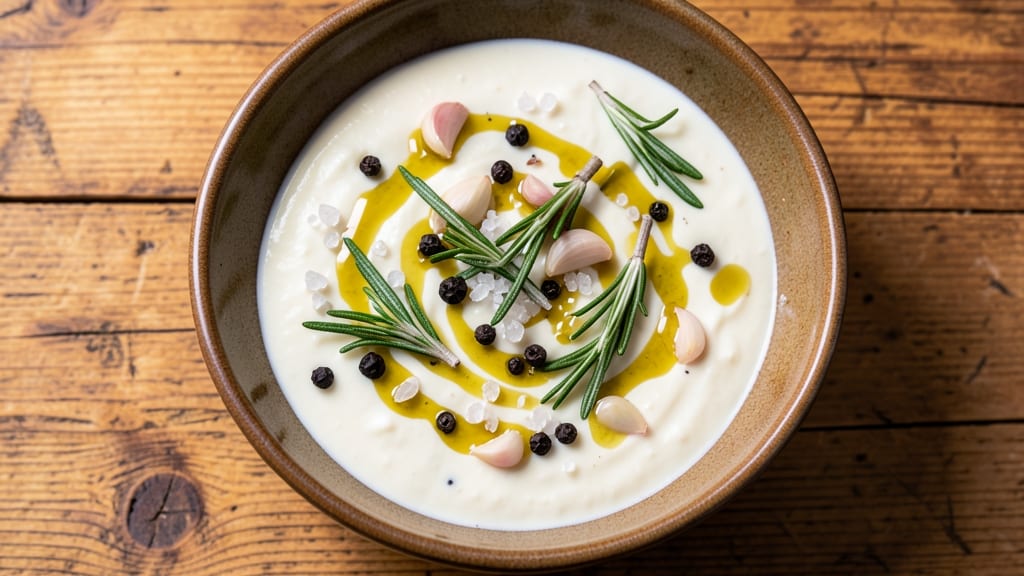
A chicken marinade with milk transforms tough chicken into melt-in-your-mouth perfection through a surprisingly simple chemical reaction. The buttermilk base breaks down proteins while adding tangy depth, while spices and aromatics infuse flavor deep into the meat.
This isn't just another marinade—it's a game-changer for grilled, baked, or pan-seared chicken that delivers restaurant-quality tenderness every time.
The secret lies in the science: milk's lactic acid tenderizes fibers while fat creates a protective barrier that locks in juices during cooking. I've perfected this marinade over years of testing, and the results speak for themselves—chicken that stays impossibly moist even after high-heat cooking.
The marinating time is minimal (just 4-24 hours), making it ideal for busy cooks who still demand professional results.
What you'll achieve is chicken with an irresistibly tender texture and subtle buttermilk tang that complements any cooking method. The marinade works equally well for breasts, thighs, or drumsticks, ensuring consistent juiciness regardless of cut.
Unlike acidic citrus marinades that can dry out meat, this version maintains moisture while adding flavor complexity.
Ready in under 10 minutes to prepare, this marinade requires just 7 simple ingredients and transforms basic chicken into something extraordinary. Whether you're grilling for summer BBQs or baking weeknight dinners, this technique will elevate your chicken game permanently. Let's get started with the ingredients you'll need.
Ingredients for chicken marinade with milk
Seven simple ingredients unlock restaurant-quality tenderness in your chicken.
| Ingredient | Amount | Notes |
|---|---|---|
| Buttermilk 🥛 | 1 cup | Full-fat for creaminess |
| Extra-Virgin Olive Oil 🫒 | ½ cup | High-quality, fruity variety |
| Fresh Garlic Cloves 🧄 | 4 cloves | Minced for even distribution |
| Fresh Rosemary Sprigs 🌿 | 2 sprigs | Finely chopped, aromatic |
| Diamond Crystal Kosher Salt 🧂 | 1 ½ tsp | Fine grain preferred |
| Freshly Ground Black Pepper 🌶️ | 1 tsp | Cracked peppercorns preferred |
| Ground Cumin 🌿 | ½ tsp | Toasted for deeper flavor |
The buttermilk is non-negotiable—it's where the magic happens. Full-fat works best since the fat content creates that protective barrier during cooking. I always grab Organic Valley or Horizon from the dairy section, but any brand with good fat content will do. Fresh garlic and rosemary? Farmers markets have the best quality, but grocery store fresh works too. Just make sure the rosemary sprigs are vibrant green, not dried out. The kosher salt matters here—Diamond Crystal dissolves perfectly, while table salt can leave grainy bits. For the pepper, freshly grinding it makes a world of difference, but pre-ground is fine in a pinch.
No buttermilk? Mix 1 cup milk with 1 tbsp vinegar or lemon juice, let it sit 5 minutes. Out of rosemary? Thyme or oregano work well—just use the same amount. Want more heat? Add a pinch of cayenne or red pepper flakes. The cumin is optional but adds depth—skip it if you're not a fan. For extra richness, swap half the olive oil for avocado oil. This marinade works for any cut—breasts, thighs, even drumsticks—so adjust the amount based on your protein. For 4 breasts, this makes enough for a double batch.
Marinade keeps for 3-4 days in the fridge, sealed tightly. The buttermilk will separate slightly—just stir before using. For best results, marinate chicken for 4-24 hours. I like to make extra and freeze portions in ice cube trays—perfect for quick weeknight marinades. Thaw overnight in the fridge before using. The flavors meld beautifully over time, so don't rush it. If you're grilling, pat the chicken dry before cooking for that perfect sear.
Why You'll Love This Recipe
- Five-Ingredient Magic: I swear by this marinade—just buttermilk, olive oil, garlic, rosemary, and salt. That’s it. No fancy prep, no measuring cups, no stress. Honestly, I keep a jar of it in the fridge for those nights when I’m too tired to overthink dinner.
- Tender-Crispy Balance: The buttermilk does something wild to the chicken—juicy, crispy skin, and that garlic-rosemary punch cuts through like a flavor bomb. Between us, it’s the secret to my weeknight roast chicken that disappears faster than my willpower on a Monday.
- Weeknight to Weekend: Slap this on thighs for a quick sheet-pan dinner, or let it work overnight for Sunday roast. I’ve used it for grilled chicken, fried chicken, even as a dipping sauce for fries. Not the prettiest, but the taste makes up for it every time.
- Leftovers That Don’t Suck: Marinate a big batch of chicken, cook half, and the rest? Stays crispy for days. I’ll be real: this is my go-to for meal prep because reheating it is basically foolproof—no sad, rubbery chicken here. Plus, the leftovers stretch into salads, sandwiches, or tacos without breaking a sweat.
Step-by-step instructions for buttermilk tenderizer for juicy grilled chicken
This marinade transforms tough chicken into melt-in-your-mouth perfection with just a few simple steps.
Prepare the Marinade Base
In a medium mixing bowl, combine the 1 cup buttermilk and 0.5 cup extra-virgin olive oil. The buttermilk's natural acidity will begin breaking down the chicken's proteins immediately, while the olive oil adds moisture and richness. Whisk vigorously for 30 seconds until the mixture is completely emulsified and smooth.
Here's the thing—using full-fat buttermilk is crucial. The fat content creates a luxurious coating that locks in juices during grilling. If you're using low-fat buttermilk, the chicken will still tenderize but won't have that same velvety texture. Let the marinade sit at room temperature for 5 minutes while you prepare the remaining ingredients.
Incorporate Aromatics and Spices
Finely mince the 4 cloves fresh garlic using a chef's knife or microplane—you want a paste-like consistency for even distribution. Chop the 2 sprigs fresh rosemary into small pieces, removing any woody stems. Add these to the buttermilk mixture along with the 1.5 teaspoons diamond crystal kosher salt, 1 teaspoon freshly ground black pepper, and 0.5 teaspoon ground cumin. Stir well to combine.
The cumin adds an earthy depth that pairs beautifully with the rosemary's piney notes, while the garlic ensures every bite has that signature savory punch. I like to press the garlic into the marinade with the back of my spoon to release its oils fully. This step is where all the flavors come together—don't rush it. Let the mixture sit for 10 minutes to allow the spices to bloom and infuse the buttermilk.
Marinate the Chicken
Place 4 boneless, skinless chicken breasts (about 6-8 ounces each) in a resealable plastic bag or shallow dish. Pour the marinade over the chicken, ensuring each piece is completely coated. For maximum tenderness, I recommend using the bag method—it creates a vacuum seal that maximizes contact between the marinade and chicken.
Refrigerate the chicken for at least 4 hours, but I prefer overnight for truly exceptional results. The acid in the buttermilk works its magic during this time, breaking down the muscle fibers and creating microscopic tears that will hold onto moisture during cooking. If you're short on time, even 2 hours will yield noticeably more tender chicken than no marinade at all.
Cook to Juicy Perfection
Remove the chicken from the marinade (reserve the marinade for basting) and pat dry with paper towels. This step is critical—excess moisture prevents proper searing. Heat a grill or grill pan to medium-high heat (around 400°F). Cook the chicken for 5-6 minutes per side, or until the internal temperature reaches 165°F and the juices run clear.
Here's where the magic happens: during the last 2 minutes of cooking, brush the reserved marinade over the chicken. The buttermilk will create a beautiful caramelized crust while keeping the interior impossibly juicy. Let the chicken rest for 5 minutes before serving—this allows the juices to redistribute throughout the meat, ensuring every bite is moist and flavorful.
Serve with Confidence
Slice the chicken against the grain into ½-inch thick pieces. The buttermilk marinade should have transformed your chicken into tender, juicy perfection with a subtle tang that balances the rich olive oil and aromatic spices. Serve immediately with your favorite sides—grilled vegetables or a fresh herb salad complement beautifully.
This marinade works wonders not just for chicken breasts but also for thighs, drumsticks, or even whole chickens. The key to its success lies in the buttermilk's acidity and the proper marinating time. Don't be tempted to skip the resting period—it's what separates good chicken from exceptional chicken.
Pro Tips For Making Chicken Marinade With Milk
- MIX IT VIGOROUSLY: Don’t just pour everything together and call it a day—give that buttermilk marinade a good stir with a wooden spoon or your hands for at least 30 seconds. The acid in the buttermilk needs to fully coat the chicken, and skipping this step means you’re leaving flavor and tenderness on the table. I used to rush it, and the chicken always tasted unevenly seasoned.
- PEEL GARLIC LAST: Add the whole garlic cloves to the marinade after everything else is mixed, then smash them lightly with the flat of your knife while they’re still in the bowl. This keeps the garlic’s oils from separating too soon and ensures they infuse the buttermilk properly. Plus, you’ll get more flavor out of them than if you pre-minced them.
- SALT THE BUTTERMILK: Taste the marinade before adding it to the chicken—you’ll need about 1½ teaspoons of kosher salt per cup of buttermilk, more if you’re using unsalted olive oil. The buttermilk’s tang gets muted if it’s underseasoned, and you’ll end up chasing salt later. Trust me, the chicken will thank you.
- MARINATE COLD, NOT ROOM TEMP: Pop the chicken in the fridge for at least 4 hours (overnight is ideal) while it soaks up the marinade, but don’t let the buttermilk sit out for more than 2 hours before using it. Warm buttermilk sours faster, and you’ll end up with a funky, vinegary marinade instead of the creamy, bright one you want. Keep it cold, and the acid will work its magic without turning sour.
Regional styles of this chicken marinade with milk
Southern Buttermilk Style
The classic Southern approach uses buttermilk as the star, often with a touch of hot sauce for heat. I like adding 1 teaspoon hot sauce (like Crystal or Tabasco) to the marinade for a subtle kick that pairs perfectly with grilled chicken.
This style works exceptionally well for fried chicken—after marinating, coat the chicken in a light cornmeal batter for that iconic crispy crust. 🌶️
For extra Southern flair, swap the rosemary for 1 teaspoon dried thyme and add ½ teaspoon smoked paprika. The smoked element adds depth that complements BBQ sauces beautifully. I've seen this variation at Texas-style BBQ joints, where it's used for both smoked and grilled chicken dishes.
Indian Yogurt Marinade
In Indian cuisine, yogurt replaces buttermilk, creating a similar tenderizing effect. For an Indian-inspired twist, mix 1 cup plain yogurt with 1 tablespoon lemon juice and 1 teaspoon ginger-garlic paste.
Add 1 teaspoon ground coriander and ½ teaspoon turmeric for authentic flavor. This works wonderfully for tandoori-style chicken, especially when grilled or baked.
The yogurt creates a creamy texture while the spices infuse deep flavor. I recommend using full-fat Greek yogurt for richness. For extra heat, add 1 teaspoon garam masala after marinating. This style is perfect for weeknight dinners or as a flavorful appetizer with naan bread.
Mexican Lime-Buttermilk
Mexican cuisine loves citrus, so this variation swaps rosemary for 1 tablespoon chopped cilantro and adds 1 lime's worth of juice. The lime brightens the buttermilk tang, creating a perfect balance.
For extra zing, add ½ teaspoon ground cumin and ¼ teaspoon cayenne pepper. This marinade is ideal for grilled chicken fajitas or tacos.
For a smoky twist, add ½ teaspoon chipotle powder or a dash of adobo sauce. I love using this marinade for chicken quesadillas—the lime keeps the cheese from getting too heavy. Serve with salsa verde and avocado slices for a fresh, vibrant meal. 🌮
Italian Sour Cream Twist
Italian cooks often use sour cream instead of buttermilk for a richer texture. Replace the buttermilk with 1 cup sour cream and add 1 tablespoon fresh parsley instead of rosemary.
For extra Italian flair, include 1 teaspoon dried oregano and ½ teaspoon red pepper flakes. This marinade is perfect for grilled chicken caprese or chicken piccata.
The sour cream adds a velvety finish that pairs beautifully with sun-dried tomatoes and balsamic glaze. I recommend using full-fat sour cream for the best results.
For a lighter option, mix half buttermilk and half sour cream. This style works well for weekend family dinners or as a showstopper for guests. 🍅
Nutrition facts
Frequently asked questions
Why does milk make chicken so tender?
The lactic acid in buttermilk breaks down muscle fibers, creating microscopic tears that hold onto moisture during cooking. The fat in full-fat buttermilk also forms a protective barrier that locks in juices, preventing dryness. This is why your chicken stays impossibly moist even with high-heat cooking methods like grilling.
Can I use regular milk instead of buttermilk?
Yes! Mix 1 cup milk with 1 tablespoon lemon juice or vinegar, then let it sit for 5 minutes to curdle. This creates a similar acidity to buttermilk. The texture will be slightly thinner, but it still works wonderfully for tenderizing chicken. Just stir well before using.
How long can I marinate chicken in this before it gets spoiled?
For best results, marinate for 4-24 hours. The acidity works continuously, but beyond 24 hours, the chicken may start to absorb too much liquid, potentially making it watery. If you forget, 24 hours is still safe in the fridge—just pat dry thoroughly before cooking.
What if I don't have fresh rosemary or garlic?
No problem! Swap rosemary for thyme or oregano (same amount) and use 1 teaspoon garlic powder if fresh isn't available. For extra flavor, add ½ teaspoon onion powder too. The marinade will still deliver tender, flavorful chicken—just with a slightly different aromatic profile.
Can I reuse leftover marinade?
Yes, but only if you boil it first for 1 minute to kill bacteria. Never reuse marinade that's touched raw chicken without cooking it. The leftover marinade makes a delicious sauce—simmer it with a splash of olive oil and reduce by half for a tangy glaze. Just avoid using it raw on other foods.