
Main Courses
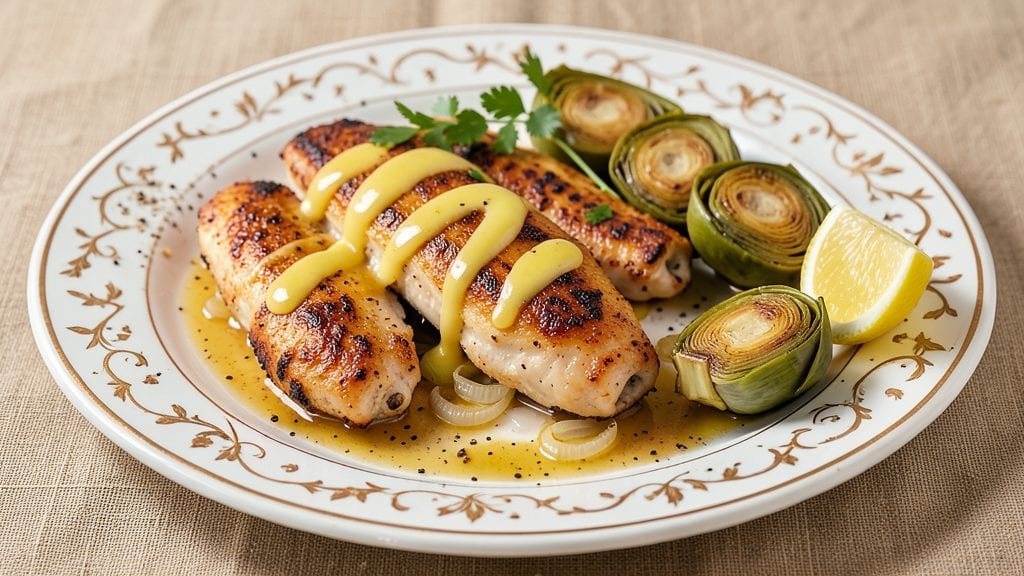
This chicken piccata with artichoke hearts delivers the perfect balance of crispy chicken, bright lemon-caper sauce, and tender artichokes in every bite. The secret lies in searing the chicken until golden and creating a sauce that's tangy, rich, and just thick enough to coat everything beautifully.
After years of perfecting this dish, I've found the right technique to ensure crispy chicken without drying it out, while the artichokes add a satisfying texture contrast.
The process starts with pan-searing the chicken breasts until they develop a golden crust, then removing them to make room for sautéing the artichoke hearts until tender.
While they cook, you'll build the signature lemon-caper sauce using butter, flour, white wine, lemon juice, and capers—simmering until it thickens into a glossy, flavorful coating. The result is a restaurant-quality dish that's surprisingly simple to make at home.
What makes this recipe stand out is how each component comes together: the crispy chicken, the velvety sauce, and the artichokes that stay tender yet hold their shape.
The lemon-caper sauce isn't just a topping—it's the star, cutting through the richness of the chicken with its bright acidity and briny capers. Serve it over pasta, rice, or with a side of roasted vegetables for a complete meal that feels special without requiring hours in the kitchen.
This dish is ideal for weeknight dinners when you want something elegant but not complicated, or for impressing guests with a restaurant-worthy meal. The technique is straightforward, but the results are anything but basic—crispy, tender, and packed with flavor. Let's get cooking!
Ingredients for chicken piccata with artichoke hearts
The foundation of perfect piccata: crispy chicken, bright sauce, and tender artichokes working together harmoniously.
| Ingredient | Amount | Notes |
|---|---|---|
| Boneless, Skinless Chicken Breasts 🍗 | 1 ½ lb | Pounded to even thickness |
| Artichoke Hearts 🍃 | 14 oz | Marinated, drained, quartered |
| Unsalted Butter 🧈 | 6 tbsp | Cold, cut into pieces |
| All-Purpose Flour 🌾 | 2 tbsp | For roux, sifted |
| Dry White Wine 🍷 | ½ cup | Sauvignon Blanc preferred |
| Fresh Lemon Juice 🍋 | ¼ cup | From 2-3 lemons |
| Capers 🥫 | 2 tbsp | Rinsed, drained |
| Fresh Parsley 🌿 | ¼ cup | Chopped, for garnish |
| Garlic Cloves 🧄 | 4 cloves | Minced, for sauce |
| Kosher Salt 🧂 | 1 tsp | Plus extra for seasoning |
| Ground Black Pepper 🌶️ | ½ tsp | Freshly ground |
| Extra-Virgin Olive Oil 🫒 | 1 tbsp | For sautéing artichokes |
| Lemon Zest 🍋 | 1 tsp | From 1 lemon |
The chicken breasts are non-negotiable—look for plump, evenly sized pieces at Whole Foods or your local butcher shop. Pounding them to ¼-inch thickness ensures even cooking without drying out. For artichoke hearts, Trader Joe's marinated variety is my go-to—they're consistent and save prep time. If using canned artichokes, always drain and rinse thoroughly to remove excess brine. The butter should be cold and cubed (store-bought sticks work perfectly) to create that signature crispy crust on the chicken.
No white wine? Chicken broth with a splash of white vinegar mimics the acidity perfectly. Capers can be swapped for brined artichoke hearts if unavailable, though they won't provide the same briny punch. Fresh lemon juice is essential—bottled just doesn't cut it (trust me, your sauce will taste flat). For the parsley, dried works in a pinch, but fresh adds that vibrant pop of color and flavor. The garlic should be minced finely—this ensures it blends seamlessly into the sauce without any noticeable chunks. If you're short on time, pre-minced garlic from a jar works, though freshly minced has superior flavor.
This dish reheats beautifully—simply warm through in a skillet with a splash of water or broth. The sauce thickens as it cools, so if it seems too thin when first made, let it sit for 10-15 minutes before serving. Store leftovers in an airtight container in the fridge for up to 3 days or freeze for 2 months. For meal prep, I like to portion the chicken and sauce separately—reheat the sauce first, then gently warm the chicken to maintain crispiness. The artichokes can be sautéed ahead and stored separately, adding them back just before serving to keep their texture perfect.
Why You'll Love This Recipe
- One-Pan Magic: I swear by this recipe because it’s that kind of dish—just chicken, artichokes, and a quick flour-butter sear, all in one pan. No chopping mountains of veggies or juggling three pots; the artichoke hearts just get tossed in whole, and the wine deglazes everything into a silky sauce. (Yes, even on a Tuesday night.)
- Tangy Crispy Bliss: The moment the lemon-zest butter sauce hits those golden chicken cutlets? Pure satisfaction. The flour gives it that addictive crust, while the artichokes add a briny, tender bite that cuts through the richness. Honestly, the first time I made this, I nearly licked the plate.
- Date Night Ready: This isn’t just a weeknight staple—it’s the dish I pull out when I want to impress without stressing. Serve it over pasta for a heartier meal or with crusty bread to soak up that wine-infused sauce. My partner’s favorite? The way the artichokes hold their shape but still melt in your mouth.
- Leftovers I Actually Crave: Most piccata recipes turn into sad, dry chicken the next day. Not this one. The sauce thickens just enough to reheat beautifully, and the artichokes stay plump. I’ll be real: I’ve packed this for lunch twice because it’s that good cold, too—just toss it with a little olive oil and fresh herbs. Budget-friendly and foolproof.
Step-by-step instructions for chicken piccata with artichoke hearts
Master this technique and you'll achieve perfectly crispy chicken with a bright, tangy sauce every time.
Prepare the Chicken for Crispy Perfection
Begin by pounding the 1.5 lb boneless, skinless chicken breasts between two sheets of plastic wrap to an even ½-inch thickness. This ensures even cooking and prevents dryness. Season both sides generously with the 1 tsp kosher salt and 0.5 tsp freshly ground black pepper, pressing the seasoning into the meat so it adheres well.
Heat 1 tablespoon of the extra-virgin olive oil in a large skillet over medium-high heat until shimmering. Add the chicken and cook undisturbed for 3-4 minutes per side until golden brown and crispy. You'll know it's ready when the edges release easily from the pan. Transfer to a plate and tent with foil to keep warm while you prepare the sauce.
Sauté Artichoke Hearts and Build the Sauce Base
In the same skillet, reduce heat to medium and add the 14 oz quartered artichoke hearts. Cook for 4-5 minutes until heated through, stirring occasionally. Remove the artichokes with a slotted spoon and set aside, leaving the rendered chicken fat in the pan.
Add 2 tablespoons of the sifted all-purpose flour to the skillet and whisk vigorously to create a roux. Cook for 1-2 minutes until the flour turns golden and fragrant. This forms the foundation for your sauce, thickening it beautifully without losing the chicken's flavor.
Deglaze with Wine and Lemon
Pour in the 0.5 cup dry white wine and scrape up any browned bits from the bottom of the pan using a wooden spoon. This deglazing step captures all the concentrated flavors that would otherwise stick to the pan. Let the wine simmer for 3-4 minutes until reduced by half.
Add the 4 minced garlic cloves and cook for 30 seconds until fragrant. Then stir in the 0.25 cup fresh lemon juice and 1 tsp lemon zest. The combination of wine, lemon, and garlic creates that signature bright, tangy flavor that defines piccata. Let the mixture simmer for an additional 2 minutes to meld the flavors.
Finish with Butter and Capers
Reduce heat to low and add the 6 tbsp cold, cubed unsalted butter. Stir constantly until the butter melts completely and the sauce becomes glossy and emulsified. This step adds richness and helps create that signature velvety texture of a proper piccata sauce.
Add the 2 tbsp rinsed and drained capers and the reserved artichoke hearts. Return the chicken to the skillet and spoon the sauce generously over the top. Let everything simmer together for 1-2 minutes to heat through and allow the flavors to meld completely.
Garnish and Serve Immediately
Sprinkle the 0.25 cup chopped fresh parsley over the top for a pop of color and freshness. Serve the chicken piccata immediately over pasta, crusty bread, or with a side of roasted vegetables to capture that perfect crispy texture and vibrant sauce.
The chicken should be golden and crispy with a bright, tangy sauce clinging to each piece. Each bite should deliver a perfect balance of crispy chicken, briny capers, and the bright lemon-wine sauce. The artichoke hearts add a delightful textural contrast that makes this dish truly special.
Pro Tips For Making Chicken Piccata With Artichoke Hearts
- Cut Chicken Thin: Split those breasts against the grain—no, not the grain in the flour bag, the muscle fibers—into even ½-inch slices. Thinner cuts cook faster and stay juicier, especially when you’re drowning them in wine and lemon later. I used to fight this step, but trust me, your piccata will actually hold together better.
- Dry the Artichokes: Pat those jarred artichoke hearts completely dry before adding them to the pan—even if they’re “drained.” Leftover moisture steams them instead of searing, and you’ll end up with sad, limp hearts instead of crispy, golden bites. Toss them on a towel and press with another towel if needed.
- Deglaze Hot: As soon as you remove the chicken, pour in that white wine while the pan is still screaming hot. The residual heat will emulsify the butter and flour into a glossy sauce instead of a lumpy glop. I learned this after scraping burnt bits off my first attempt—don’t be that person.
- Save the Wine: Use the good wine you’d actually drink—just ¼ cup. The rest of the bottle isn’t going to magically improve your sauce. (Yes, even if it’s a $10 bottle you’re nervous about.) A splash of lemon juice at the end adds brightness without the boozy overpower. Your wallet and taste buds will thank you.
Dietary considerations for this recipe
Gluten-Free Adaptation
The classic piccata sauce relies on flour for thickening, but you can easily make it gluten-free by substituting the 2 tbsp all-purpose flour with 2 tbsp cornstarch or gluten-free flour blend. I recommend King Arthur gluten-free flour for the best texture.
Simply whisk the cornstarch with the chicken fat in the pan to create a smooth, lump-free roux. The sauce will still achieve that velvety consistency without compromising flavor. 🌾
Dairy-Free Options
For a dairy-free version, replace the 6 tbsp unsalted butter with an equal amount of dairy-free butter (I love Miyoko's or Earth Balance) or vegan butter.
The sauce will still emulsify beautifully, though you may need to add an extra 1 tbsp of lemon juice to help balance the richness. The artichoke hearts and lemon will keep the dish bright and tangy while maintaining the signature piccata flavor. 🧈
Lower-Carb Modifications
If you're watching carbs, skip the pasta and serve the chicken piccata over cauliflower rice or zucchini noodles. I also recommend adding roasted Brussels sprouts or asparagus as a side to keep the meal satisfying and low-carb.
The artichoke hearts already provide natural fiber, so you won’t miss the traditional starches. The crispy chicken and tangy sauce remain the star of the dish. 🥦
Vegetarian Swap
For a vegetarian version, replace the chicken with firm tofu or tempeh, cut into similar-sized pieces. Press the tofu to remove excess moisture, then pan-fry until golden and crispy.
The artichoke hearts and lemon-caper sauce will still shine, providing that signature bright, briny flavor. I like using organic tempeh for extra protein and a nutty depth. 🍄
Allergen-Friendly Tips
If you're avoiding shellfish, ensure your capers are 100% pure with no added seafood-based ingredients. Many brands use vinegar and salt, so double-check the label. For those with nut allergies, always use a clean skillet and avoid cross-contamination with nut butters or oils.
The dish is naturally free of common allergens like eggs and dairy when using the right substitutes. 🚫
Nutrition facts
Frequently asked questions
Can I use chicken thighs instead of breasts for this recipe?
Chicken thighs work beautifully and stay juicier than breasts. Use 4 bone-in, skin-on thighs (about 1.5 lbs total) and adjust cooking time to 5-6 minutes per side until golden and crispy. The skin will render fat, enriching the sauce naturally.
How do I prevent the sauce from getting too thin?
Simmer the sauce longer or reduce the wine first. After deglazing with wine, cook it down until reduced by half before adding lemon and butter. If it's still too thin, mix 1 tsp cornstarch with cold water and whisk into the sauce until thickened.
What's the best way to reheat leftovers?
Reheat gently in a skillet over low heat with a splash of water or broth to prevent drying. Keep the sauce separate until serving to maintain crispiness. For artichokes, add them back to the pan just before serving to keep their texture tender.
Can I make this dish ahead of time?
Yes, but with strategy! Cook the chicken and sauce separately, then store components in airtight containers. Reheat the sauce first, then warm chicken in a separate pan. Add artichokes last to preserve their texture. Assemble just before serving for maximum crispiness.
What's the secret to extra crispy chicken?
Pound to ¼-inch thickness and pat completely dry before seasoning. Use medium-high heat in a cold skillet to render fat slowly, then sear undisturbed for 3-4 minutes per side. The key is patience—don't flip too soon!