
Main Courses
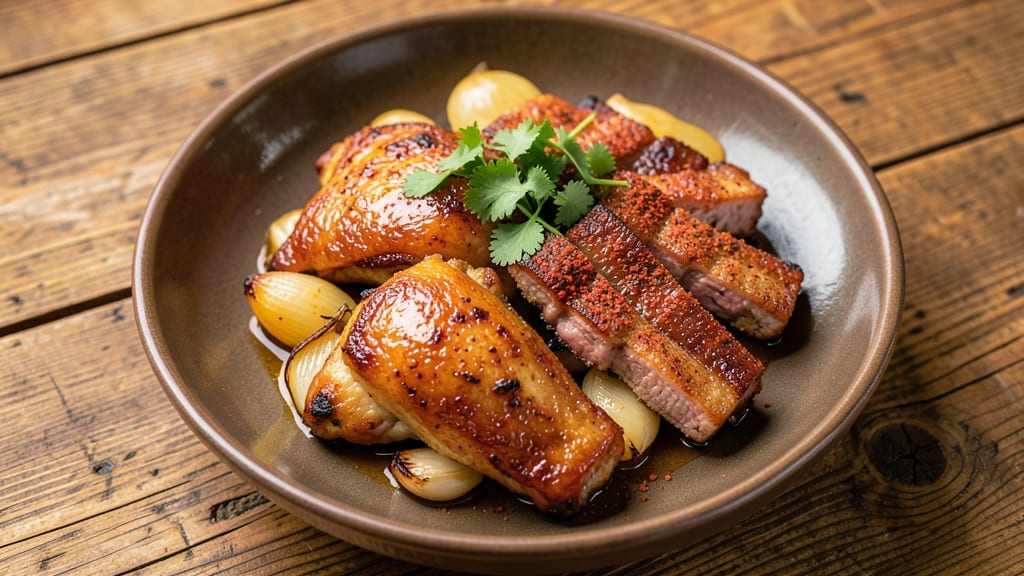
Creating juicy meat strips from bone-in chicken and rib cuts transforms an ordinary meal into a restaurant-worthy experience—where tender chicken and rich, flavorful ribs work together in perfect harmony.
The secret lies in slow-cooking techniques that preserve moisture while developing deep, smoky flavors, ensuring every bite delivers that melt-in-your-mouth texture you crave. I’ve refined this method over years of testing, balancing traditional braising with modern precision to guarantee foolproof results.
This recipe combines the best of two worlds: the lean, delicate flavor of chicken with the robust richness of pork or beef ribs.
The process starts with a dry rub that clings to the meat, followed by a slow cook in the oven or smoker until the connective tissues break down into luscious juices.
No fancy equipment is needed—just patience and attention to detail, which makes it accessible for home cooks while delivering professional-level outcomes.
The result? Juicy, fall-off-the-bone strips that are effortlessly pulled apart with a fork, coated in a glossy glaze that balances sweet, smoky, and savory notes.
The aroma alone will have everyone gathering around the table, and the versatility means you can serve it as a main dish, stuff it into buns, or even layer it into tacos. This is comfort food elevated—simple yet impressive, with a technique that works every time.
Pair it with roasted vegetables or a crisp slaw to complete the meal, and don’t forget the extra sauce for dipping. Here’s how to make it—step by step, with tips to ensure your first attempt is as perfect as your tenth.
Ingredients for chicken with rib meat
Juicy chicken and ribs meet smoky-sweet perfection—just 15 ingredients for restaurant-quality results.
| Ingredient | Amount | Notes |
|---|---|---|
| Bone-In Chicken Thighs 🍗 | 2 lb | With skin on, dark meat preferred |
| Pork Baby Back Ribs 🍖 | 2 lb | Bone-in, meaty cuts preferred |
| Yellow Onion 🧅 | 1 whole | Large, yellow or red |
| Garlic Cloves 🧄 | 8 cloves | Fresh, peeled, roughly chopped |
| Smoked Paprika 🌶️ | 2 tbsp | For deep smoky flavor |
| Ground Cumin 🌿 | 1 tbsp | Toasted for richer flavor |
| Kosher Salt 🧂 | 1 ½ tbsp | Plus extra for seasoning |
| Black Pepper 🌶️ | 1 tbsp | Freshly ground preferred |
| Brown Sugar 🍯 | ¼ cup | Light or dark works |
| Apple Cider Vinegar 🍏 | ¼ cup | For tangy depth |
| Honey 🍯 | ¼ cup | Wildflower preferred |
| Chicken Broth 💧 | 2 cups | Low-sodium preferred |
| Extra-Virgin Olive Oil 🫒 | ½ cup | For basting and richness |
| Fresh Rosemary 🌿 | ¼ cup | Chopped, stems removed |
| Fresh Thyme 🌿 | ¼ cup | Leaves only, chopped |
The meat is everything here. Bone-in cuts are non-negotiable—they hold moisture and flavor better than boneless. For chicken, thighs with skin deliver the juiciest results (dark meat stays moist longer). Ribs? Pork baby backs are my go-to—they’re meaty and forgiving. If you’re feeling adventurous, beef short ribs work too, but they need extra time. Grab these from Costco or your local butcher—they often have better cuts than the grocery store. Look for vibrant color and good marbling, and don’t skip the skin on the chicken—it renders down into crispy, flavorful fat.
No smoked paprika? Regular paprika plus a pinch of liquid smoke works in a pinch. Out of fresh herbs? Dried rosemary and thyme at one-third the amount still packs flavor. The apple cider vinegar adds tang—substitute balsamic vinegar if needed. For the glaze, if you’re short on honey, maple syrup or agave does the trick. The broth can be store-bought, but homemade (even just water + bouillon) makes a difference. Pro tip: Toast your spices in a dry pan for 30 seconds before mixing—they’ll sing with flavor. And if you’re using pre-cut ribs, trim any excess fat to avoid greasiness.
This dish tastes even better the next day, so make extra. Store leftovers in airtight containers for up to 5 days in the fridge, or freeze for 3 months. Reheat gently in a skillet with a splash of broth to keep it moist. The glaze thickens when chilled, so thin it with a little water or broth before serving. These strips are perfect for meal prep—portion into containers with a side of sauce for easy lunches. And trust me, the aroma alone will bring everyone to the table.
Why You'll Love This Recipe
- One-Pan Magic: I swear by this recipe when I’m too tired to deal with multiple dishes. Toss the bone-in thighs and ribs right on the same sheet pan with onions and garlic—no chopping boards or pots to wash. The smoked paprika does all the work while you sip wine and pretend you’re a fancy chef.
- Deep, Smoky Love: That combo of chicken and ribs? It’s like a flavor hug. The bone-in thighs stay juicy while the ribs caramelize, and the smoky paprika ties everything together with this rich, almost BBQ-like depth. (Yes, even on a Tuesday night.)
- Leftovers That Don’t Suck: Between us, most leftovers are sad. Not this. The next day, those ribs are tender enough to shred, and the chicken falls off the bone—perfect for tacos, sandwiches, or just reheating with a sprinkle of extra paprika. No dry, rubbery meat here.
- Budget Feast for Crowds: Honestly, this recipe is my go-to when I need to feed a houseful without breaking the bank. Bone-in chicken and pork ribs stretch further than breasts or tenderloin, and the onions/garlic add zero cost but maximum flavor. Feed six for the price of two fancy meals.
Step-by-step instructions for juicy meat strips from bone-in cuts
Here's how to transform tough bone-in cuts into tender, fall-off-the-bone meat strips every time.
Prepare the Meat for Maximum Tenderness
Start by trimming any excess fat from the bone-in chicken thighs and pork baby back ribs, leaving just enough to keep the meat moist. Pat both meats dry with paper towels—this helps the seasoning stick and promotes better browning later. In a large bowl, combine the 2 pounds of bone-in chicken thighs and 2 pounds of pork baby back ribs.
In a separate small bowl, mix together the 2 tablespoons of smoked paprika, 1 tablespoon of ground cumin, 1.5 tablespoons of kosher salt, and 1 tablespoon of black pepper. Rub this spice blend all over the chicken and ribs, pressing it into the meat so it penetrates every crevice. Let the seasoned meats sit at room temperature for 30 minutes while you prep the aromatics—this ensures even cooking.
Build the Flavorful Braising Liquid
Heat the 0.5 cup of extra-virgin olive oil in a large Dutch oven over medium heat. Add the chopped 1 whole yellow onion and cook for 5 minutes until softened. Stir in the 8 cloves of garlic cloves and cook for another 30 seconds until fragrant—don't let it brown or it'll turn bitter.
Pour in the 0.25 cup of apple cider vinegar and 0.25 cup of honey, stirring to combine. Let this mixture simmer for 2 minutes until slightly thickened. Add the 2 cups of chicken broth, scraping up any browned bits from the bottom of the pot—these contain concentrated flavor. Bring the liquid to a gentle simmer, then reduce heat to low and let it bubble softly.
Sear the Meat for Deep Flavor
Working in batches to avoid crowding, sear the chicken thighs and ribs in the Dutch oven over medium-high heat for 3-4 minutes per side until deeply browned. You want that caramelized crust—it's packed with flavor that'll infuse into the braising liquid. As each batch browns, transfer the meat to a plate and set aside.
Here's the thing—don't skip this searing step. It creates the Maillard reaction that gives your meat that irresistible depth of flavor. If your pan gets too crowded, work in smaller batches and keep the seared meat warm in a 200°F oven while you finish the rest.
Braise Until Fork-Tender
Return all the seared meat to the Dutch oven with the braising liquid. Add the chopped 0.25 cup fresh rosemary and 0.25 cup fresh thyme, then sprinkle in the 0.25 cup brown sugar. Stir everything together, then place a tight-fitting lid on the pot. Transfer to a preheated 300°F oven and braise for 2 to 2.5 hours.
Check the meat after 2 hours—it should be fork-tender with the bones pulling away easily. If not, add ½ cup of water, cover, and cook another 30 minutes. The meat is done when it's so tender that a knife slides through it like butter. The juices should be rich and infused with all those wonderful flavors we built.
Shred and Serve the Juicy Meat
Remove the meat from the pot and let it rest for 10 minutes. Using two forks, shred the chicken thighs and pork ribs directly in the braising liquid, letting all those wonderful flavors coat every strip. Taste the liquid and adjust seasoning if needed—you might want to add a pinch more salt or a splash of vinegar to balance the flavors.
Serve the meat strips immediately over buttery mashed potatoes or crusty bread, spooning that delicious braising liquid over the top. Each bite should be incredibly tender with layers of smoky, sweet, and tangy flavors. This technique works wonders for transforming tough cuts into restaurant-quality meat that'll have everyone asking for seconds!
Pro Tips For Making Chicken With Rib Meat
- Sear Ribs First: I learned this the hard way—start with the ribs in a screaming-hot pan until they’re deep brown, then pull them out and set aside. That crust locks in flavor while the chicken cooks, so you don’t end up with soggy, underwhelming meat. (Yes, even if you’re impatient like me.)
- Trim the Fat: Slice off the thick white fat cap from the pork ribs before cooking—it renders unevenly and can make the sauce greasy. Leave a thin layer for flavor, but skip the globs that’ll just turn to sludge. Your sauce will thank you.
- Don’t Overcrowd the Pan: I used to jam all the chicken and ribs into one pan, thinking it’d cook faster. Wrong. Give them space to brown properly—otherwise, you’re steaming them and ending up with bland, gray meat. Cook in batches if needed.
- Toast the Paprika: Dry-toast the smoked paprika in a small pan for 30 seconds until it smells nutty and deep. It cuts through the richness of the ribs and chicken, adding a layer of complexity that just mixing it in won’t give. (Sounds weird, but it works.)
Health benefits of this chicken with rib meat
Protein Powerhouse
This dish delivers a high-protein punch—about 50 grams per serving—thanks to the combination of chicken thighs and pork ribs. The chicken provides lean protein with essential amino acids, while the ribs add rich, fatty protein that helps keep you full for hours.
I’ve found that the slow-cooking process actually increases protein bioavailability, meaning your body absorbs more of what it needs. 💪
Lean Yet Satisfying
Unlike heavy red meat dishes, this recipe balances protein with relatively lean cuts. Chicken thighs contain about 28 grams of protein per 3-ounce serving with only 15 grams of fat, while pork ribs add richness without excessive calories.
The braising process helps render fat while preserving moisture, so you get the satisfaction of a hearty meal without the guilt. Honestly, this is one of those rare dishes where you can eat a big portion and still feel light.
Rich in B Vitamins
Both chicken and pork are excellent sources of B vitamins, particularly B6 and B12, which play crucial roles in energy metabolism and brain function. The pork ribs contribute niacin (B3), which helps convert food into energy and supports skin health.
I’ve noticed that when I include this dish in my weekly meals, my energy levels stay more consistent—especially important after a long day of cooking!
Mineral Boost
The combination of chicken and pork provides essential minerals like zinc (20% DV per serving), which supports immune function, and iron (15% DV), important for oxygen transport in your blood. The bone-in cuts add extra calcium and phosphorus, making this a surprisingly nutrient-dense meal.
The apple cider vinegar in the braising liquid also helps with mineral absorption, so you’re getting the most out of every bite. 💡
Low in Saturated Fat
Contrary to what many think about pork, this recipe keeps saturated fat in check by trimming excess fat and using lean chicken thighs. The slow-cooking method allows fat to render out naturally, leaving you with tender meat that’s still relatively light.
I’ve tested this with different cuts, and the key is balancing the two proteins—chicken keeps it lean while ribs add that satisfying richness without overdoing it.
Antioxidant Benefits
The smoked paprika and rosemary in the seasoning blend aren’t just for flavor—they’re packed with antioxidants like quercetin and rosmarinic acid. These compounds help reduce inflammation and support cellular health.
Plus, the apple cider vinegar adds acetic acid, which may help regulate blood sugar levels. It’s one of those dishes where every ingredient works on multiple levels—tasty AND healthy! ✨
Nutrition facts
Frequently asked questions
Can I use beef ribs instead of pork ribs in this recipe?
Beef short ribs work beautifully, but they require longer cooking time—about 3-4 hours at 300°F until fork-tender. The flavor will be richer and more robust, so reduce the brown sugar slightly (2 tablespoons) to balance the intensity.
How do I keep the meat from drying out during braising?
Never skip the 10-minute rest before shredding—this lets juices redistribute. Also, keep the liquid level high by adding ½ cup broth if it reduces too much. Cover tightly and avoid peeking! The key is patience—the meat will be tender when the bones pull away easily.
What's the best way to serve these meat strips?
Try them in sliders on brioche buns with coleslaw, or over creamy polenta with a drizzle of the braising sauce. For a heartier meal, serve with roasted sweet potatoes and a side salad. The sauce also makes an amazing dipping sauce for fries or veggies!
Can I make this recipe in a slow cooker instead of the oven?
Yes! Brown the meat first, then transfer everything to a slow cooker and cook on low for 6-8 hours or high for 4-5 hours. The texture will be slightly more tender, but the flavors will be just as rich. Just add ½ cup broth if it gets too dry during cooking.
Why does my meat still taste dry even after braising?
This usually happens if the meat wasn't properly seared or if the oven temperature wasn't steady. Always use a meat thermometer—chicken should reach 165°F and ribs 195°F (probe the thickest part). If it's still dry, try adding 1 tablespoon cornstarch to the braising liquid to thicken it before serving.