
Main Courses
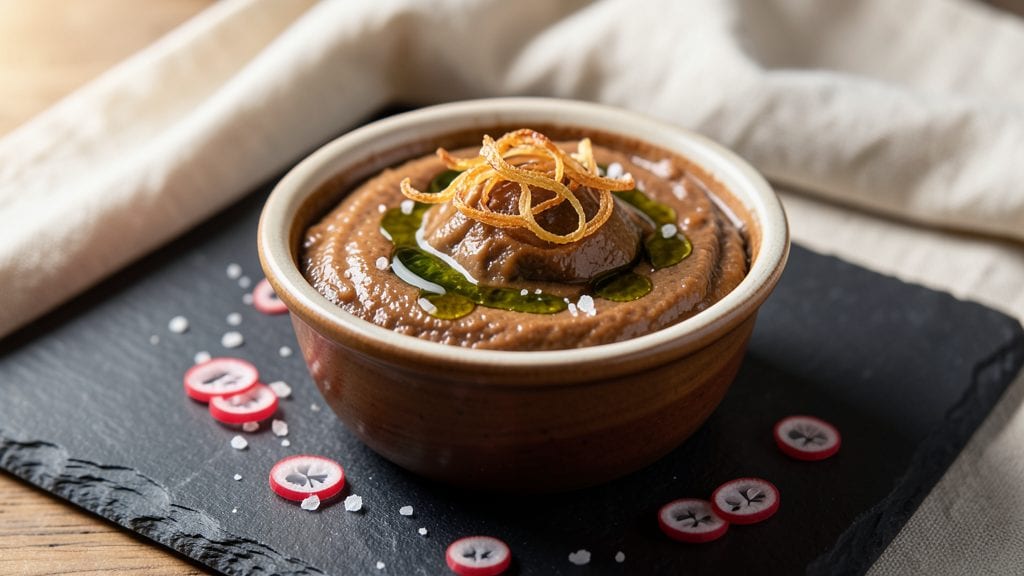
Creating a dairy-free chicken liver pâté that rivals traditional versions requires precision and the right substitutions—this recipe delivers a velvety, umami-rich spread using coconut cream and olive oil instead of butter.
My years perfecting pâtés taught me how to balance textures and flavors without dairy, and this version stays cohesive while delivering deep, savory richness. The secret lies in rendering the fat properly and blending with just enough moisture to create that signature spreadable consistency.
This recipe transforms simple ingredients into a luxurious appetizer that’s perfect for holiday gatherings or elegant weeknight dinners. With just 15 minutes of active prep and 30 minutes of baking, you’ll achieve a pâté that’s smooth, flavorful, and holds its shape beautifully.
The coconut cream adds creaminess without dairy, while olive oil enhances the natural richness of the chicken livers—no one will guess it’s dairy-free.
What you’ll end up with is a silky, golden-brown pâté with a delicate crust on top, ready to be served on toasted baguette slices or with crackers. The umami depth comes from carefully rendered fat and high-quality ingredients, ensuring every bite is packed with flavor.
This version is foolproof, restaurant-quality, and adaptable for those avoiding dairy while still delivering that classic pâté experience.
Pair it with pickled vegetables or fresh herbs for a sophisticated presentation, or use it as a filling for crepes. The possibilities are endless, but the technique remains the same: render, blend, and bake to perfection. Let’s get started on creating this dairy-free masterpiece that impresses every time.
Ingredients for dairy free chicken liver pate
Precision ingredients transform simple livers into a luxurious dairy-free pâté with velvety texture and rich umami depth.
| Ingredient | Amount | Notes |
|---|---|---|
| Chicken Livers 🍗 | 1 ½ lb | Fresh, trimmed of connective tissue |
| Full-Fat Coconut Cream 🥥 | 1 cup | Unsweetened, chilled overnight |
| Extra-Virgin Olive Oil 🫒 | ½ cup | Lightly fruity, not robust |
| Shallots 🧅 | 4 whole | Peeled, finely minced |
| Garlic Cloves 🧄 | 6 cloves | Peeled, finely minced |
| Diamond Crystal Kosher Salt 🧂 | 1 ½ tsp | For seasoning and rendering |
| Fresh Thyme Leaves 🌿 | 1 tbsp | Finely chopped, stems removed |
| Fresh Parsley Leaves 🌿 | ½ cup | Finely chopped, for garnish |
| Dijon Mustard 🍯 | 1 tbsp | Mild, for binding |
| Unsalted Butter 🧈 | 2 tbsp | For crust, optional dairy substitute |
| Vegetable Stock 💧 | ¼ cup | Low-sodium, homemade preferred |
| Granulated Sugar 🍚 | 1 tsp | Balances umami |
| Freshly Ground Black Pepper 🌶️ | ½ tsp | Cracked, not powdered |
| Baguette Slices 🍞 | 8 slices | For serving, lightly toasted |
The chicken livers are the foundation—opt for fresh, high-quality from a reputable butcher, as they render fat more efficiently and deliver superior flavor. Whole Foods Market or specialty grocers often carry the best cuts, but standard grocery stores will suffice if you select plump, vibrant livers with minimal bruising. Trim any connective tissue meticulously, as it can create a gritty texture in the final pâté. For optimal results, purchase livers the day you plan to cook and refrigerate them uncovered for 30 minutes to draw out excess blood, which enhances their natural richness. The coconut cream must be full-fat and unsweetened—brands like Goya or Thai Kitchen provide the highest quality, and chilling it overnight solidifies the cream, making it easier to separate the thick layer needed for this recipe.
Substitutions require careful consideration to maintain texture and cohesion. Coconut cream unavailable? Use cashew cream (soaked cashews blended with water) at double the quantity, though the flavor profile will shift slightly toward nuttiness. For the olive oil, a neutral-flavored oil like avocado oil works, but avoid robust varieties like pepper-infused oils that may overpower the delicate balance. The shallots and garlic can be swapped for yellow onion and extra garlic, though shallots provide a more refined sweetness. Fresh herbs can be substituted with dried thyme and parsley at one-third the amount, but fresh is ideal for vibrant color and aroma. If omitting the optional butter for a fully dairy-free version, increase the olive oil by 1 tablespoon to compensate for the lost binding properties.
Rendered pâté keeps beautifully in an airtight container lined with plastic wrap to prevent contact with the crust. Store in the refrigerator for up to 5 days, though the flavor deepens after the first 24 hours. For longer storage, portion into silicone molds or ramekins and freeze for up to 3 months, allowing the pâté to thaw gradually in the refrigerator before serving. The coconut cream-based version holds its shape exceptionally well when chilled, making it perfect for elegant presentations. To reheat, warm gently in a water bath at 300°F for 10-15 minutes, ensuring the center reaches 160°F to eliminate any potential bacteria from the livers while preserving the silky texture.
Why You'll Love This Recipe
- No-Fuss Ingredients: I swear by this list—just livers, coconut cream, and a handful of pantry staples. No fancy cheese substitutes or weird blends; the rich coconut fat does all the heavy lifting while keeping it simple.
- Garlic-Kissed Richness: That first bite? The crispy shallots and garlic cloves caramelize into something dangerously good—like a hug for your taste buds, but with actual umami. The coconut cream ties it all together without a single dairy note.
- Party-Ready in Minutes: Slap it on crackers for a charcuterie board, dollop it into a toasted baguette for game day, or serve it with crusty bread at a last-minute dinner. It’s the kind of dish that makes you look like a host even when you’re just winging it.
- Budget-Friendly Luxury: Chicken livers are the secret weapon—cheaper than steak but packed with flavor, and the coconut cream stretches it into a whole spread. Honestly, this is the kind of recipe that makes me feel fancy without breaking the bank.
Step-by-step instructions for dairy free chicken liver pate
Transforming rich chicken livers into a velvety, dairy-free spread requires precision and patience.
Prepare and Render the Chicken Livers
Begin by trimming any connective tissue from the 1.5 lb chicken livers and pat them thoroughly dry with paper towels. This step is critical—excess moisture prevents proper browning. In a large skillet over medium heat, add the livers in a single layer and cook undisturbed for 3-4 minutes per side until they develop a deep golden crust. You'll notice the livers release their natural fats during cooking, which adds incredible richness to the final pate.
Once the livers are browned on both sides, transfer them to a cutting board and let them rest for 5 minutes. This resting period allows the juices to redistribute, making them easier to handle. Then, finely chop the livers into small, uniform pieces—about the size of a pea. Set them aside in a bowl and cover to keep warm.
Sauté Aromatics in Olive Oil
In the same skillet (no need to clean it—the fond adds flavor), add 0.5 cup extra-virgin olive oil over medium heat. Once the oil shimmers, add the 4 whole shallots and 6 cloves garlic cloves, both finely minced. Sauté for 5-6 minutes until the shallots soften and turn translucent, and the garlic releases its aromatic oils. You should smell a sweet, oniony depth—this is the foundation of your pate's flavor.
Next, stir in 1 tbsp finely chopped fresh thyme leaves and cook for an additional 30 seconds until fragrant. Remove the skillet from heat and let the aromatics cool slightly. This step ensures the flavors meld together before blending with the livers.
Blend Ingredients for a Silky Texture
In a food processor fitted with the metal blade, combine the chopped chicken livers, sautéed shallots and garlic, 1 cup full-fat coconut cream, 1 tbsp Dijon mustard, 0.25 cup vegetable stock, 1 tsp granulated sugar, and 0.5 tsp freshly ground black pepper. Pulse the mixture in short bursts until it reaches a smooth, velvety consistency. Scrape down the sides of the processor as needed to ensure even blending. The texture should resemble thick, rich pudding—this is the hallmark of a perfect pate.
Taste the mixture and adjust seasoning if needed. The sugar balances the umami richness of the livers, while the Dijon mustard adds a subtle tang. If the pate seems too thick, add 1-2 tablespoons of water to loosen it slightly. Transfer the blended mixture to a mixing bowl and set aside.
Finish and Chill for Serving
In a small saucepan over low heat, gently warm the 2 tbsp unsalted butter until it melts. Stir the butter into the blended liver mixture until fully incorporated. The butter adds a luxurious mouthfeel and complements the dairy-free coconut cream. Spoon the pate into a serving dish and smooth the top with a spatula. Cover with plastic wrap and refrigerate for at least 4 hours, or preferably overnight. This chilling step allows the flavors to fully develop and the texture to set perfectly.
Before serving, garnish the pate with 0.5 cup finely chopped fresh parsley leaves. The parsley adds a bright, fresh contrast to the rich liver flavors. Serve the pate chilled with the 8 slices lightly toasted baguette slices. The crusty bread provides the ideal vehicle for spreading this luxurious, dairy-free creation.
Pro Tips For Making Dairy Free Chicken Liver Pate
- Sear Livers Fast: Hit the chicken livers with a screaming-hot pan—no lingering over medium heat. They’ll release blood and turn rubbery if you’re gentle; 30 seconds per side until deeply browned is all you need. (Yes, they’ll finish cooking later, but that crust is non-negotiable.)
- Blot Those Livers: Pat the chicken livers thoroughly with paper towels before searing—wet surfaces steam instead of brown. I learned this the hard way after ending up with pale, sad-looking patés that tasted like they were still raw inside.
- Sweat Shallots Slow: Don’t rush the shallots—let them cook in the olive oil for 5–7 minutes until they’re translucent and just starting to caramelize. Rushed shallots add bitterness; patient ones make the whole pate sing. (And skip the garlic until the very end—it burns faster than you’d think.)
- Whisk Coconut Cream: Before mixing it into the livers, whisk the full-fat coconut cream until it’s smooth—no lumps, no streaks. I used to just dump it in, and the texture ended up grainy. A quick whisk ensures that silky, velvety finish that makes this dairy-free version actually luxurious.
Common mistakes when making your dairy free chicken liver pate
Overcooking the Livers
Chicken livers cook faster than you think—3-4 minutes per side is all they need to render their fat without turning rubbery. I’ve seen home cooks leave them in the pan too long, resulting in a dry, gritty pâté.
Keep a close eye on them and remove them as soon as they develop a deep golden crust. Overcooked livers lose their natural richness and become tough, ruining the silky texture you’re working toward. 🔥
Skipping the Resting Step
After browning, let the livers rest for 5 minutes before chopping. This allows the juices to redistribute, preventing a watery pâté. I learned this lesson the hard way—once I rushed ahead and ended up with a bland, soupy mixture.
The resting step is non-negotiable for that perfect balance of moisture and flavor.
Using Low-Quality Livers
Not all chicken livers are created equal. Opt for fresh, high-quality livers from a trusted butcher—avoid pre-packaged ones from the grocery store’s back corner. I source mine from local farms or specialty markets like Charleston’s City Market, where the livers are plump and vibrant.
Cheap, pale livers with connective tissue will create a gritty, off-flavor pâté that no one will enjoy.
Ignoring the Coconut Cream Separation
Full-fat coconut cream must be chilled overnight to separate properly. If you use it straight from the can, you’ll end up with a watery pâté. The thick cream layer (the top 2-3 inches) is what you need—discard the watery part below.
I once forgot to chill mine and ended up with a runny mess. Pro tip: Scoop out the thick cream with a spoon for the best results. 🥥
Overmixing the Blend
Once you transfer the mixture to the food processor, pulse in short bursts—3-4 seconds per pulse—until smooth. Overmixing introduces air, which can make the pâté grainy. I’ve seen home cooks blend until it’s completely smooth, only to end up with a texture closer to mashed potatoes.
Stop when it’s just combined, then scrape down the sides and pulse again if needed.
Rushing the Chill Time
Refrigerating the pâté for at least 4 hours (overnight is ideal) is crucial for flavor development and proper texture. I’ve served pâté too soon, and it was either too soft or lacked depth.
The chilling step allows the flavors to meld and the fat to set, giving you that perfect spreadable consistency. Don’t skip it—patience is key here. ⏰
Nutrition facts
Frequently asked questions
Can I substitute coconut cream with another dairy-free option?
Yes! For a nutty flavor, use cashew cream (blend soaked cashews with water) at double the quantity. For a neutral option, try avocado oil or olive oil (reduce by 2 tablespoons to maintain texture). The coconut cream adds natural creaminess, but these alternatives work well for those with coconut allergies.
How do I know when the chicken livers are perfectly cooked?
Look for a deep golden crust and 3-4 minutes per side of undisturbed cooking. The livers should be firm to the touch but still tender. Overcooking turns them rubbery—remove them immediately when browned. A quick internal temp check of 160°F ensures safety while preserving texture.
Can I make this pâté ahead of time?
This pâté tastes even better after 24 hours in the fridge. Store it in an airtight container with plastic wrap pressed directly on the surface to prevent a skin from forming. For longer storage, freeze in portions for up to 3 months. Thaw overnight in the refrigerator before serving.
What’s the best way to serve this dairy-free pâté?
Toasted baguette slices or water crackers are classic choices, but it also pairs beautifully with roasted vegetables or as a filling for crepes. For extra flair, top with pickled onions or fresh herbs. The rich texture holds up well as an appetizer or even a light main course with a crisp green salad.
Why did my pâté turn out grainy?
Graininess usually means overmixing or under-rendered fat. Pulse the food processor in short bursts (3-4 seconds) and ensure your livers are fully browned before blending. If the texture is still off, blend with 1 tablespoon warm olive oil to smooth it out. The coconut cream should be thick and chilled, not watery.