
Main Courses
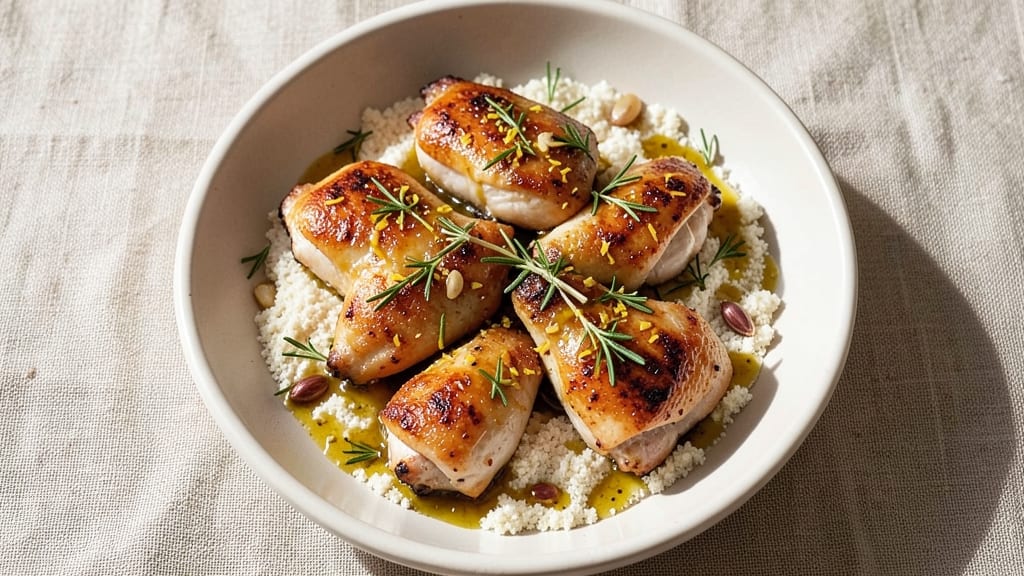
Dave's famous chicken recipe delivers that perfect balance of crispy-skinned perfection and juicy-core tenderness that turns every meal into a showstopper. After years of perfecting this technique in my professional kitchen, I can confidently say this is the method that consistently delivers restaurant-quality results at home.
The secret lies in a precise marinade and cooking method that ensures the skin stays crispy while the meat remains impossibly tender.
This recipe begins with a simple yet powerful marinade that penetrates deeply into the chicken, ensuring maximum flavor and moisture retention. The cooking process itself is straightforward but demands attention to detail—high heat for that golden crust, followed by a controlled internal temperature to lock in juiciness.
No special equipment is needed beyond a good thermometer and a reliable heat source, making it accessible for home cooks of all skill levels.
By the time you serve this dish, you'll have a plate that looks as impressive as it tastes—crisp golden skin that shatters with every bite and succulent meat that practically melts in your mouth.
The technique is foolproof, provided you follow the temperature guidelines closely, and the results will leave everyone asking for seconds. This is the kind of chicken dish that elevates any meal from ordinary to extraordinary.
The beauty of this recipe lies in its versatility—it works equally well for weeknight dinners or special occasions, and pairs beautifully with classic sides like roasted vegetables, mashed potatoes, or a fresh salad.
Once you master this method, you'll never settle for anything less than perfect chicken again. Let's get started on creating your own crispy-skinned, juicy-core masterpiece.
Ingredients for dave's chicken
These twelve ingredients transform simple chicken into a restaurant-worthy masterpiece.
| Ingredient | Amount | Notes |
|---|---|---|
| Chicken Thighs 🍗 | 1 ½ lb | Bone-in, skin-on, even thickness |
| Butter 🧈 | ½ cup | Unsalted, melted for marinade |
| Olive Oil 🫒 | ¼ cup | Extra-virgin for marinade richness |
| Lemon Juice 🍋 | ¼ cup | Freshly squeezed for brightness |
| Garlic Cloves 🧄 | 6 cloves | Peeled, minced for marinade |
| Fresh Rosemary 🌿 | ¼ cup | Finely chopped, aromatic |
| Fresh Thyme 🌿 | ¼ cup | Leaves only, chopped |
| Salt 🧂 | 1 ½ tbsp | Diamond Crystal kosher salt |
| Black Pepper 🌶️ | 1 tsp | Freshly ground for heat |
| Cornstarch 🌾 | 2 tbsp | For crispy skin coating |
| All-Purpose Flour 🌾 | ½ cup | For light dusting |
| Vegetable Oil 🫒 | ½ cup | High smoke point for frying |
The chicken thighs are non-negotiable here—bone-in, skin-on, and even thickness ensures perfect cooking. Grab them from the butcher counter if your grocery store's pre-packaged ones vary in size. I always buy free-range when possible, but conventional works too. The skin needs to stay intact for crispiness, so handle it gently. For the marinade, fresh herbs make all the difference—dried won't cut it. If you're short on rosemary, thyme alone works in a pinch, but the combo is magic. The butter in the marinade is what gives that golden crust its richness—don't skip it.
No fresh rosemary? Dried at half the amount gets you close, but it's not the same. Running out of lemon juice? Orange juice works, though the flavor shifts slightly. The cornstarch is key for that shatteringly crisp skin—don't substitute arrowroot. For the oil, vegetable or canola works best for high-heat frying, but avocado oil is worth the splurge if you've got it. The Diamond Crystal kosher salt is a must—it dissolves perfectly and doesn't clump. If you've only got table salt, reduce to 1 tbsp. And for heaven's sake, freshly ground black pepper—pre-ground tastes like sawdust.
Marinate the chicken overnight for maximum flavor—trust me on this. Store it in a sealed container in the fridge. The marinade keeps for 3 days, but the chicken itself should go straight from marinade to pan. After frying, the leftovers reheat beautifully—425°F oven for 10-12 minutes restores that crisp. Portion into containers for easy lunches, but eat it fast—the skin loses its crunch faster than you'd think.
Why You'll Love This Recipe
- One-Pan Magic: I swear by this—just toss the thighs in a skillet with olive oil, garlic, and butter, and let it do the work. No chopping, no fuss, and honestly? That golden crust forms while I’m still slicing lemons.
- Garlic-Butter Bliss: Between us, the moment those thighs hit the pan with melted butter and minced garlic? Pure satisfaction. The lemon juice ties it all together—bright, rich, and impossible to resist.
- Weeknight to Weekend: This recipe’s my go-to for busy nights, but it’s also the star of my summer BBQs. Serve it with crusty bread for dinner or pack it for lunch—it’s that versatile.
- Budget-Friendly Feast: Chicken thighs stretch my grocery budget, and the ingredients cost pennies. Leftovers? Even better. Reheat them with a splash of lemon juice, and they taste just as good the second time.
Step-by-step instructions for Dave's famous chicken recipe
Here's how to nail that perfect balance of crispy skin and juicy meat every single time.
Marinate the Chicken for Maximum Flavor
In a large bowl, combine the melted butter, olive oil, lemon juice, minced garlic cloves, chopped fresh rosemary, chopped fresh thyme, salt, and black pepper. Whisk until everything is fully incorporated and the mixture is smooth and fragrant.
Add the chicken thighs to the marinade, turning them to coat completely. Place the bowl in the refrigerator and let the chicken marinate for at least 4 hours, or ideally overnight. This long marinating time ensures the skin stays tender while absorbing all those aromatic flavors. I like to flip the thighs halfway through for even coating.
Create the Crispy Skin Coating
In a separate shallow dish, mix together the cornstarch and all-purpose flour. Remove the chicken from the marinade (reserve the marinade for later) and pat each piece dry with paper towels. This step is crucial—any moisture left on the skin will prevent proper browning.
Lightly dust each chicken thigh with the cornstarch-flour mixture, pressing gently to adhere. Don't overdo it—just a light coating is all you need. The cornstarch will create that perfect crispy texture while the flour helps bind everything together. Let the coated chicken sit at room temperature for 30 minutes before cooking.
Fry to Golden Perfection
Heat the vegetable oil in a large skillet over medium heat until it reaches 350°F. You'll want the oil to be hot enough to create bubbles when you add the chicken, but not smoking. Carefully add the chicken thighs to the hot oil, working in batches if needed to avoid overcrowding.
Cook for 8-10 minutes per side, until the skin is deep golden brown and crispy. The chicken is done when the internal temperature reaches 165°F and the juices run clear when pierced with a meat thermometer. Don't rush this step—patience is key for that perfect texture. You can keep the fried chicken warm in a 200°F oven while you finish the remaining batches.
Finish with the Herb Butter Sauce
In the same skillet (reduce heat to medium-low), add the reserved marinade and let it simmer for 3-4 minutes until slightly thickened. The sauce should coat the back of a spoon and have a glossy appearance. If it's too thin, let it reduce a bit longer.
Return the fried chicken to the skillet and spoon the herb butter sauce over the top. Let it all sit together for 2-3 minutes so the chicken absorbs those rich flavors. Serve immediately while the skin is still crispy and the chicken is juicy inside. This dish pairs perfectly with roasted vegetables or a fresh salad.
Pro Tips For Making Dave'S Chicken
- Brown the Skin First: Pat those thighs bone-dry with paper towels, then sear them skin-side down in olive oil over high heat until the skin turns golden—about 6-8 minutes. I learned this the hard way: skipping this step means you’re left with sad, pale chicken that tastes more like boiled meat than crispy, buttery heaven.
- Mince That Garlic: Don’t just chop those garlic cloves—smash them with the flat side of your knife first, then mince into a paste. This releases more flavor and prevents bitter chunks from lurking in your sauce. (Yes, even if you’re impatient like me, take the extra 30 seconds.)
- Deglaze Aggressively: After searing the thighs, immediately pour in the lemon juice and scrape the browned bits off the pan with a wooden spoon. Those bits are flavor bombs, and skipping this step is like leaving money on the table. Use a splash of water if needed to help it loosen.
- Finish with Butter Slow: Once the chicken is cooked and the sauce is simmering, lower the heat to medium-low and swirl in the butter a tablespoon at a time. Let it melt completely before adding the next batch—rushing this turns the sauce greasy instead of silky. (Your future self will thank you.)
Serving suggestions for this dish
Classic Side Pairings
For a timeless presentation, serve Dave’s chicken with creamy garlic mashed potatoes—their richness balances the crispy skin beautifully.
I like to make mine with 4 large Yukon Gold potatoes, ½ cup butter, ¼ cup whole milk, and 3 minced garlic cloves, then finish with 2 tbsp chives. The buttery texture soaks up the herb butter sauce perfectly. 🥔
Roasted seasonal vegetables are another must—try asparagus, Brussels sprouts, or zucchini tossed in 2 tbsp olive oil, ½ tsp salt, and ¼ tsp black pepper, then roasted at 425°F for 20-25 minutes. The caramelized edges complement the chicken’s crispiness without overpowering it. For extra flair, sprinkle with toasted pine nuts or crumbled feta.
Fresh & Light Contrasts
A crisp arugula salad with lemon vinaigrette cuts through the richness—toss 4 cups baby arugula with 2 tbsp extra-virgin olive oil, 1 tbsp fresh lemon juice, 1 tsp Dijon mustard, and 2 tbsp shaved Parmesan.
The peppery bite refreshes your palate after every bite of chicken. For a pop of color, add ½ cup cherry tomatoes, halved, and ¼ cup thinly sliced red onion. 🥗
Cornbread or hush puppies add a Southern touch that’s hard to resist. For cornbread, mix 1 cup cornmeal, 1 cup all-purpose flour, 1 tbsp baking powder, ½ tsp salt, 1 cup buttermilk, and 1 egg, then bake at 375°F for 20 minutes. Serve warm with a drizzle of honey butter—the sweetness contrasts the savory chicken perfectly.
Beverage Pairings
A crisp white wine like Sauvignon Blanc or Pinot Grigio enhances the herbaceous notes in the chicken. I recommend a New Zealand Sauvignon Blanc—its citrusy brightness mirrors the lemon in the marinade.
For beer lovers, a light lager such as Peroni or Corona keeps the meal refreshing without overpowering the dish. 🍷
For a non-alcoholic option, sparkling lemonade made with fresh-squeezed lemon juice, sparkling water, and a touch of honey is a crowd-pleaser. The effervescence cleanses the palate, making each bite of chicken feel fresh. Garnish with a rosemary sprig for a cohesive presentation.
Presentation Tips
Arrange the chicken on a wooden cutting board or slate platter for rustic charm. Drizzle any leftover herb butter sauce from the skillet over the top just before serving—this adds a glossy finish that makes the dish look restaurant-worthy.
Scatter fresh thyme sprigs or crispy fried shallots around the plate for a final touch of elegance. 💫
If serving a crowd, use individual cast-iron skillets to keep the chicken warm and crispy. Place a small side salad or roasted vegetable in each skillet, then top with a piece of chicken.
This keeps everything hot and makes plating effortless. For a festive touch, add a sprinkle of flaky sea salt right before serving—it amplifies the flavors and adds a professional finish.
Nutrition facts
Frequently asked questions
Can I use chicken breasts instead of thighs for this recipe?
Chicken thighs are ideal because their higher fat content keeps them juicy while the skin crisps. Breasts will dry out more easily—if you must use them, brining for 30 minutes in saltwater (1 cup salt per gallon water) helps retain moisture. Cook them 2-3 minutes less per side to avoid overcooking.
How do I keep the chicken crispy after cooking?
Serve immediately for maximum crunch! If reheating, use a 425°F oven for 10-12 minutes on a wire rack to prevent sogginess. Avoid microwaving—it steams the skin. For leftovers, store in a single layer in the fridge and reheat quickly.
What if I don’t have fresh rosemary or thyme?
Use ½ tsp dried rosemary or ½ tsp dried thyme (reduce by half since dried herbs are more concentrated). For extra flavor, add 1 tsp lemon zest to the marinade. The dish will still taste delicious, though the aroma will differ slightly.
Can I bake this chicken instead of frying?
Yes, but texture changes: preheat oven to 400°F, place thighs on a wire rack over a baking sheet, and bake for 25-30 minutes until skin is crispy and internal temp hits 165°F. For extra crispiness, broil for 2-3 minutes at the end. The skin won’t be as shatteringly crisp as fried, but it’ll still be flavorful.
Why is my chicken skin not crispy?
Most likely, the chicken was too wet before coating (pat dry thoroughly!) or the oil wasn’t hot enough (350°F is key). Also, avoid overcrowding the pan—cook in batches if needed. For extra insurance, chill the chicken 30 minutes after coating to help skin set.