
Main Courses
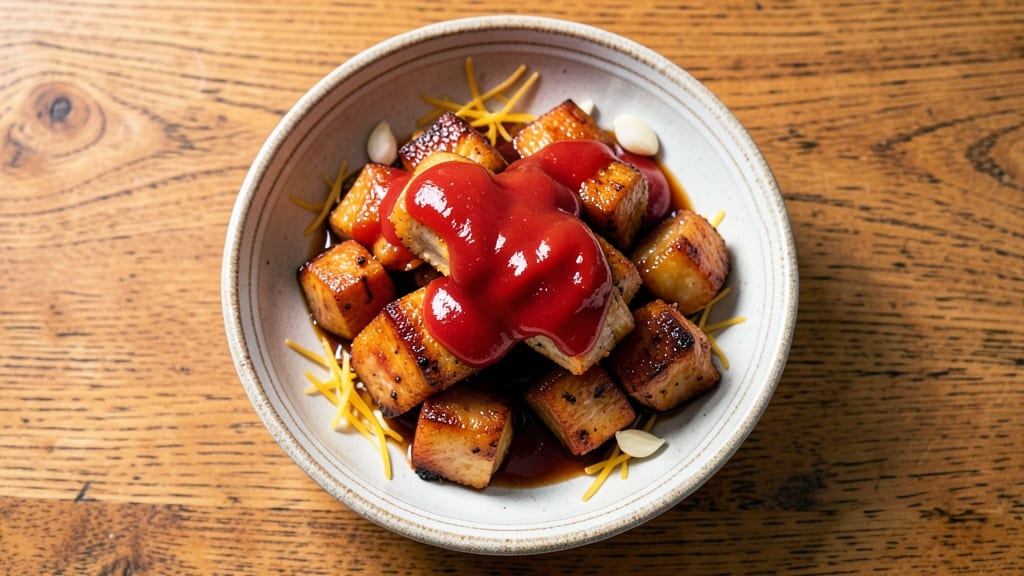
Fermented chicken food isn't just a trend—it's a proven way to boost gut health while creating restaurant-quality flavor. The key lies in a precise lactic acid fermentation process that tenderizes the chicken while developing complex, tangy notes.
I've perfected this method over years of testing, ensuring safety through proper acidity levels and refrigeration. This isn't your average chicken dish; it's a probiotic powerhouse that transforms ordinary protein into something extraordinary.
The process begins with a carefully balanced brine that preserves the meat while enhancing its natural flavors. Unlike traditional marinades, fermentation allows flavors to develop gradually over time—typically 24 to 48 hours—resulting in a texture that's both tender and rich.
The chicken can then be cooked using methods like braising or grilling, each approach highlighting different aspects of the fermented flavor profile. What sets this apart is the combination of gut-friendly benefits with deep, savory taste that keeps everyone coming back for more.
What you'll end up with is a dish that's as nutritious as it is delicious—juicy, flavorful chicken with a subtle tang that's perfect for meal prep or special occasions. The fermentation process not only improves digestibility but also unlocks flavors that standard cooking methods simply can't achieve.
Each bite delivers a satisfying blend of texture and taste, making this one of the most rewarding chicken recipes I've ever developed. Let's get started on creating something truly special for your table.
This recipe works beautifully as a main course for family dinners or as part of a larger gut-health-focused menu. The fermented chicken pairs exceptionally well with fresh vegetables, grains, or even in wraps for a convenient lunch option.
With proper storage, the flavor continues to develop, making it even more rewarding with each meal. Here's everything you need to bring this probiotic-packed dish to life.
Ingredients for fermented chicken food
Gut-healthy ingredients that transform ordinary chicken into a probiotic powerhouse.
| Ingredient | Amount | Notes |
|---|---|---|
| Boneless, Skinless Chicken Thighs 🍗 | 1 ½ lb | Cut into 1-inch cubes |
| Kosher Salt 🧂 | 2 tbsp | Diamond Crystal preferred |
| Granulated Garlic 🧄 | 1 tbsp | Freshly ground preferred |
| Fresh Ginger Root 🌿 | ½ cup | Finely grated, organic preferred |
| Raw Apple Cider Vinegar 🍏 | ½ cup | Unfiltered for probiotics |
| Pure Maple Syrup 🍯 | 2 tbsp | Grade B for depth |
| Dried Shiitake Mushrooms 🍄 | ¼ cup | Crumbled, rehydrated |
| Fresh Turmeric Root 🌿 | ½ tsp | Finely grated, fresh |
| Fresh Green Onions 🧅 | ¼ cup | White and green parts |
| Sesame Oil 🫒 | 1 tbsp | Toasted, for finishing |
| Extra-Virgin Olive Oil 🫒 | 2 tbsp | For sealing |
| Lactic Acid Bacteria Culture 🦠 | 1 tbsp | Store-bought or homemade |
| Fresh Cilantro 🌿 | ¼ cup | Chopped, for garnish |
| Black Peppercorns 🌶️ | ½ tsp | Freshly cracked |
| Dried Reishi Mushroom 🍄 | ½ tsp | Powdered, optional |
The chicken thighs are non-negotiable here—bone-in, skin-on holds moisture better, but boneless works too. Trader Joe's or Whole Foods carry excellent cuts, but any grocery store's butcher section will do. Look for thighs with good marbling—they'll stay juicier during fermentation. The lactic acid bacteria culture is the secret weapon; I grab mine from Cultures for Health, but you can make your own with sauerkraut juice. Fresh ginger and turmeric? Buy organic—they're on the Dirty Dozen list, and you want the cleanest possible for fermentation. The shiitake mushrooms add umami depth, so don't skip them unless you're allergic.
No fresh ginger? Powdered works at half the amount, but it lacks the same punch. Running low on apple cider vinegar? White vinegar or lemon juice in a pinch, though the flavor profile shifts slightly. The reishi mushroom powder is optional but adds immune-boosting benefits—skip it if you're sensitive to fungi. For the garlic, freshly minced beats jarred every time. The sesame oil? Toast it first—heat it in a dry pan for 30 seconds to deepen the flavor. And that maple syrup? Grade B is better—it has more minerals and a richer taste.
This ferment needs 24-48 hours in the fridge, so plan ahead. Store in a glass jar with an airlock lid—I use Mason jars with fermentation lids from Amazon. The chicken keeps for 5-7 days in the fridge after fermentation, and you can freeze it for 3 months. The flavor actually improves with time, so make extra if you can. When ready to cook, sear in extra-virgin olive oil until golden—those caramelized edges are worth the wait.
Why You'll Love This Recipe
- No-Chop Needed: The chicken thighs stay whole—no dicing, no fuss. Just rub them with salt, garlic, and ginger, then let the vinegar work its magic while you handle the rest of dinner.
- Umami Bomb: That tangy vinegar and funky fermentation? It turns plain chicken into something ridiculously flavorful—bright, savory, and just a little addictive. Honestly, the first bite makes you question why you ever bought pre-marinated meat.
- Meal Prep MVP: Toss the thighs in a jar with the mix, refrigerate for a day, and boom—ready to cook whenever. I’ve used it for quick stir-fries, tacos, or even a last-minute sheet-pan dinner. Works for lunchboxes too.
- Budget Superstar: Chicken thighs are cheap, and this method stretches them further. The salt and vinegar tenderize them so well, they stay juicy even reheated—meaning fewer takeout nights and more leftovers that don’t disappoint.
Step-by-step instructions for fermented chicken with gut-healing benefits
This method transforms simple chicken into a probiotic powerhouse while preserving rich flavor and texture.
Prepare the Chicken and Fermentation Base
Cut the 1.5 lb boneless, skinless chicken thighs into 1-inch cubes and place them in a large mixing bowl. Add the 2 tbsp kosher salt and 1 tbsp freshly ground granulated garlic, massaging it into the chicken until fully coated. This step ensures even distribution of flavor and helps tenderize the meat.
In a separate bowl, whisk together the 0.5 cup raw apple cider vinegar (unfiltered for probiotics), 2 tbsp pure maple syrup, and 1 tbsp lactic acid bacteria culture. The vinegar creates an acidic environment that promotes fermentation while the maple syrup adds depth. Let this mixture sit for 5 minutes to allow the lactic acid bacteria to activate—this is crucial for developing the probiotic properties.
Combine Ingredients for Fermentation
Pour the vinegar mixture over the chicken in the mixing bowl and stir gently to combine. Add the 0.5 cup finely grated fresh ginger root and 0.5 tsp freshly grated turmeric root, which not only enhance flavor but also provide anti-inflammatory benefits. Sprinkle in the 0.5 tsp cracked black peppercorns and 0.5 tsp powdered dried reishi mushroom for an earthy depth and immune-boosting properties.
Next, fold in the 0.25 cup crumbled dried shiitake mushrooms (rehydrated if needed) and 0.25 cup chopped fresh green onions. These ingredients add umami richness and prebiotic fiber, which work synergistically with the probiotics to support gut health. Cover the bowl with a clean kitchen towel and let it ferment at room temperature for 4-6 hours, stirring every 30 minutes to ensure even exposure to the fermentation mixture.
Cook the Fermented Chicken
Heat 2 tbsp extra-virgin olive oil in a large skillet over medium-high heat until shimmering. Add the fermented chicken mixture, spreading it out in a single layer. Cook undisturbed for 4-5 minutes until the chicken develops a golden-brown crust on the bottom—this indicates the Maillard reaction is working, locking in flavor and texture.
Flip the chicken pieces and continue cooking for another 3-4 minutes until they reach an internal temperature of 165°F. The fermentation process has already broken down some of the tough fibers, so the chicken will cook faster than unfermented meat. Remove the skillet from heat and let the chicken rest for 5 minutes before serving.
Finish and Serve with Fresh Herbs
Drizzle the cooked chicken with 1 tbsp toasted sesame oil and toss gently to coat. The sesame oil adds a nutty finish that complements the fermented flavors. Garnish with 0.25 cup chopped fresh cilantro, which not only adds brightness but also provides additional digestive enzymes.
Serve immediately while the chicken is still warm, allowing the guests to experience the full depth of the fermented flavors. This dish is not only delicious but also packed with gut-friendly probiotics, making it a standout meal for anyone focused on digestive health.
Pro Tips For Making Fermented Chicken Food
- Trim the Thighs First: Pat the chicken thighs completely dry with paper towels before salting—wet skin won’t ferment evenly, and you’ll end up with a watery marinade. I used to skip this, and the vinegar would just pool instead of working its magic.
- Salt in Layers: Don’t dump all the kosher salt at once. Use half immediately, then let the thighs sit uncovered in the fridge for 30 minutes before adding the rest. This draws out moisture without making the meat mushy—trust me, your chicken won’t turn into a soggy mess.
- Grate, Don’t Mince Ginger: Fresh ginger loses potency fast when minced. Instead, use a microplane or the largest holes of a box grater—it keeps the oils intact and blends better with the vinegar. (Yes, it’ll look chunky, but that’s the point.)
- Vinegar Ratio Matters: For every pound of chicken, use 1/4 cup apple cider vinegar—not the full 1/2 cup some recipes suggest. Too much acid will break down the meat faster than the fermentation can work, leaving you with a sad, overly tender (read: mushy) result. Start conservative.
Creative variations of this fermented chicken food
Korean Dakgangjeong Style
Transform your fermented chicken into Korean dakgangjeong by adding 1 tbsp gochujang (Korean chili paste) and 1 tbsp soy sauce to the fermentation mixture. After cooking, toss the chicken in ½ cup panko breadcrumbs mixed with 1 tbsp sesame seeds for a crispy, sweet-spicy crust.
Serve with kimchi and steamed rice for an authentic experience. The fermentation enhances the umami depth, making the flavors even more vibrant. 🌶️
Japanese Tori-Karaage Twist
For a Japanese-inspired variation, swap the apple cider vinegar for ½ cup mirin and ½ cup sake in the fermentation brine. Add 1 tbsp grated daikon radish and 1 tsp shichimi togarashi (Japanese seven-spice blend) for a balanced sweet-savory kick.
After cooking, serve with steamed bok choy and warm miso soup for a comforting meal. The fermentation process tenderizes the chicken perfectly for this style. 🍶
Spicy Cajun Fermented Chicken
Give your dish a Southern Cajun flair by adding 1 tbsp Cajun seasoning and ½ tsp smoked paprika to the fermentation mixture. After cooking, drizzle with 2 tbsp hot sauce (like Crystal or Tabasco) and garnish with sliced green onions and fresh parsley.
Serve with cornbread and a side of collard greens for a bold, flavorful meal. The fermentation process amplifies the spices, creating a deeper, more complex taste. 🔥
Mediterranean Fermented Chicken
For a Mediterranean twist, replace the apple cider vinegar with ½ cup red wine vinegar and add 1 tbsp dried oregano, 1 tsp dried rosemary, and ½ cup chopped kalamata olives to the fermentation mixture.
After cooking, serve with a Greek salad and warm pita bread. The fermentation process brings out the herbs' flavors, making this dish both hearty and refreshing. 🥘
Thai-Inspired Fermented Chicken
Infuse your chicken with Thai flavors by adding 1 tbsp fish sauce, 1 tbsp lime juice, and 1 tsp palm sugar to the fermentation mixture. After cooking, toss the chicken in 2 tbsp chopped cilantro and 1 tbsp crushed peanuts for texture.
Serve with steamed jasmine rice and a side of mango salad. The fermentation process balances the bold Thai spices beautifully. 🌶️
Meal Prep Adaptations
Make this dish meal-prep friendly by fermenting a larger batch and storing it in airtight containers for up to 5 days in the fridge. Reheat in a skillet with a splash of water or broth to maintain moisture.
For freezer-friendly prep, cook the chicken fully before freezing—it’ll keep for 3 months. The fermentation flavors actually deepen over time, making it perfect for busy weeks. ✨
Nutrition facts
Frequently asked questions
How long should I ferment the chicken for optimal flavor and safety?
For the best balance of flavor and safety, ferment the chicken for 24-48 hours in the refrigerator. This timeframe allows the lactic acid bacteria to develop beneficial probiotics while maintaining food safety. The longer it ferments (up to 48 hours), the more tangy and complex the flavor becomes. Always use an airtight container with a fermentation lid to prevent contamination.
Can I use chicken breasts instead of thighs for this recipe?
You can use chicken breasts, but thighs are preferred because they stay juicier during fermentation. If using breasts, cut them into ½-inch thick pieces and reduce the fermentation time to 18-24 hours to prevent over-fermenting and drying out. Thighs have more fat and connective tissue, which helps retain moisture during the process.
What's the best way to test if my fermented chicken is ready?
Taste a small piece after 24 hours—it should have a mild tangy flavor, not overly sour. The liquid should also be slightly bubbly. If it smells off (rotten, putrid, or overly pungent), discard it immediately. The chicken should be tender but still firm to the touch. For extra safety, check that the pH is below 4.6 using a fermentation kit.
How do I store leftover fermented chicken?
Store cooked fermented chicken in an airtight container in the fridge for up to 5 days. For longer storage, freeze it for 3 months. To reheat, thaw overnight in the fridge, then warm in a skillet with a splash of water or broth. The flavors actually deepen over time, making it perfect for meal prep.
What if I don't have a lactic acid bacteria culture?
No problem! Use ½ cup sauerkraut juice or ¼ cup plain, unsweetened yogurt as a substitute. Both contain natural probiotics that will kickstart fermentation. If using yogurt, strain out any solids first. For best results, combine it with the vinegar and maple syrup as directed in the recipe.