
Main Courses
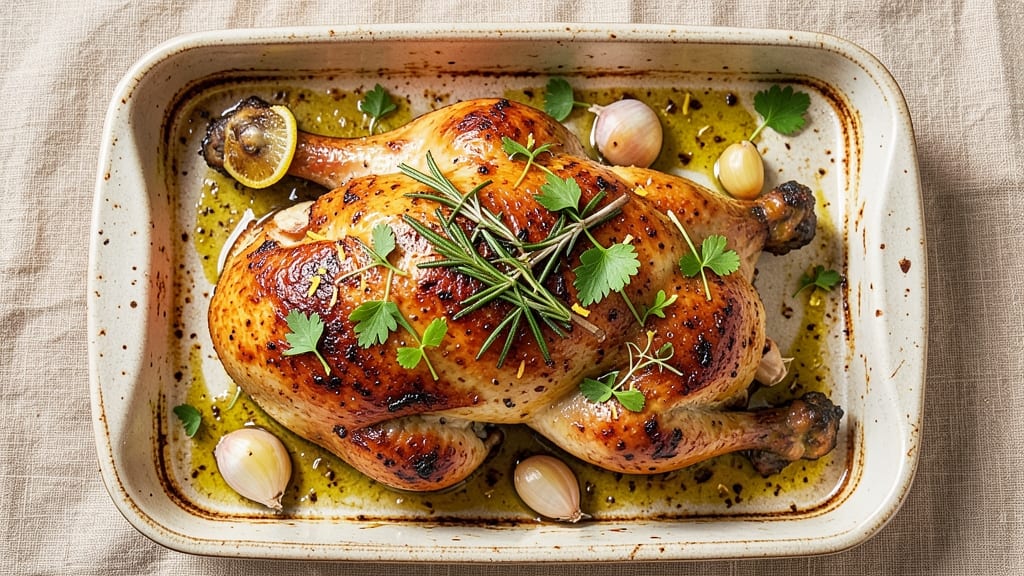
Jamie Oliver's chicken in a bag recipe delivers restaurant-quality herb-roasted chicken with minimal effort—just season, stuff, and bake. Growing up in small-town Georgia, I learned that the secret to juicy roasted chicken lies in proper seasoning and moisture retention, and this method perfects both.
The parchment bag technique ensures crispy skin while keeping the meat tender and flavorful throughout.
What makes this recipe truly impressive is how it transforms simple ingredients into an elegant yet hands-off meal. You'll start with whole chicken pieces, stuff them with fresh herbs and aromatics, then seal everything in parchment paper before roasting.
This method creates a self-basting effect, guaranteeing moist, flavorful meat without constant basting or monitoring. The herb-infused aroma alone will have everyone anticipating dinner.
By the time you pull this chicken from the oven, you'll have golden, crispy skin with perfectly juicy meat inside—no dryness, no overcooking, just restaurant-quality results. The herbs and aromatics infuse the chicken deeply, creating layers of flavor in every bite.
This is the kind of dish that makes weeknight cooking feel special without requiring hours of prep or attention.
The beauty of this recipe extends beyond the main course. The pan juices make an excellent gravy for serving, and the crispy skin pairs beautifully with roasted vegetables or a fresh salad.
Perfect for family dinners, holiday gatherings, or when you want impressive results with minimal effort. Let's get started on this foolproof method that delivers professional-quality roasted chicken every time.
Ingredients for jamie oliver chicken in a bag
Herb-infused aromatics and parchment magic transform simple chicken into restaurant-quality roast.
| Ingredient | Amount | Notes |
|---|---|---|
| Whole Chicken Pieces 🍗 | 4 pieces | Bone-in, skin-on, 6-8 oz each |
| Fresh Rosemary 🌿 | ¼ cup | Finely chopped, stems removed |
| Fresh Thyme 🌿 | ¼ cup | Leaves only, stems removed |
| Fresh Parsley 🌿 | ¼ cup | Flat-leaf, finely chopped |
| Garlic Cloves 🧄 | 6 cloves | Peeled and smashed |
| Lemon Zest 🍋 | 1 tbsp | From 1 organic lemon |
| Extra-Virgin Olive Oil 🫒 | ¼ cup | High-quality, fruity |
| Kosher Salt 🧂 | 1 ½ tbsp | Diamond Crystal preferred |
| Freshly Ground Black Pepper 🌶️ | 1 tsp | Cracked peppercorns preferred |
| Unsalted Butter 🧈 | 2 tbsp | Cold, cubed |
| Parchment Paper 📄 | 1 sheet | Heavy-duty, 18x12 inches |
| Yellow Onion 🧅 | 1 whole | Thinly sliced |
| Carrot 🥕 | 1 whole | Julienned |
The chicken pieces are the foundation—bone-in, skin-on cuts ensure maximum flavor and moisture retention during roasting. Look for free-range or organic chicken at specialty markets like Whole Foods or local butchers for superior texture and taste. The herbs should be vibrant and fresh, not wilted or dried out. I prefer organic rosemary and thyme from the grocery store's produce section, as they tend to have more robust flavor. For garlic, freshly peeled cloves are essential—they release more aromatic oils during cooking. The lemon zest adds brightness, so use an organic lemon to ensure the peel is free from wax.
No fresh rosemary? Dried rosemary at one-third the amount works in a pinch, though it lacks the same depth of flavor. Short on thyme? Fresh oregano or marjoram can substitute, but adjust to taste. The olive oil should be extra-virgin with noticeable fruity notes—avoid the cheap, bland supermarket varieties. For the butter, unsalted is critical to control the seasoning balance. The parchment paper must be heavy-duty; regular parchment may tear under the weight of the chicken. If you're missing the onion or carrot, leeks or celery root provide similar aromatic depth.
Store fresh herbs in a damp paper towel-lined container in the refrigerator for up to 5 days. The chicken can be prepped and refrigerated in the parchment bag for up to 12 hours before roasting. Once cooked, the chicken reheats beautifully—350°F for 15 minutes restores moisture. The pan juices can be frozen for up to 3 months for future gravy use. Portion the herbs separately if you plan to use them in other dishes—they keep well in an airtight container in the fridge.
Why You'll Love This Recipe
- Bag’s Magic: I swear by this trick—just toss whole chicken pieces in a bag with rosemary, thyme, and minced garlic, then let the oven do the work. No flipping, no fussing, just perfect crispy skin that practically falls off the bone.
- Herb-Packed Punch: That fresh rosemary and thyme? They infuse the chicken so deeply it’s like every bite is a little burst of Mediterranean sunshine. Honestly, the parsley at the end ties it all together—bright, fresh, and impossible to resist.
- Leftovers? More Like Leftovers: Between us, this recipe makes way more than you’ll eat in one go. The leftovers reheat like a dream—crispy skin stays crispy, the herbs don’t wilt—and suddenly you’ve got a week’s worth of lunches sorted.
- Budget-Friendly Feast: Whole chicken pieces are cheaper than you think, and this method stretches them further than roasting. Plus, the herbs? A few sprigs go a long way, so you’re not breaking the bank for flavor that actually matters.
Step-by-step instructions for herb-infused roast chicken
Here's the method for Jamie Oliver's signature technique—juicy, flavorful chicken with minimal effort.
Prepare the Herb Marinade
In a small bowl, combine the 0.25 cup fresh rosemary, 0.25 cup fresh thyme, 0.25 cup fresh parsley, 6 cloves garlic cloves, 1 tablespoon lemon zest, 0.25 cup extra-virgin olive oil, 1.5 tablespoons kosher salt, and 1 teaspoon freshly ground black pepper. Mix vigorously until the herbs are fully incorporated and the oil emulsifies into a vibrant green paste.
This aromatic blend ensures every bite carries bright herbal notes and citrus brightness. For best results, use a mortar and pestle to crush the garlic cloves slightly before adding them—this releases more flavor. Let the marinade sit for 5 minutes while you prepare the chicken, allowing the flavors to meld.
Coat the Chicken and Wrap in Parchment
Pat each of the 4 pieces whole chicken pieces dry with paper towels—this is critical for crispy skin. Using your hands, rub the herb marinade all over each piece, pressing gently to ensure even coverage. The skin should glisten slightly from the olive oil.
Lay a sheet of parchment paper on your work surface and place one chicken piece in the center. Fold the parchment over the chicken, creating a sealed pouch. Repeat with the remaining pieces. The parchment traps steam during roasting, keeping the meat moist while allowing the skin to crisp beautifully.
Roast with Onion and Carrot for Extra Flavor
Preheat your oven to 425°F. On a rimmed baking sheet, arrange the 1 whole yellow onion (thinly sliced) and 1 whole carrot (julienned) in a single layer. Place the parchment-wrapped chicken pieces directly on top of the vegetables—they'll caramelize slightly during roasting, adding depth to the dish.
Roast for 35-40 minutes until the chicken reaches an internal temperature of 165°F when measured in the thickest part of the thigh. The skin should be deep golden brown with crisp edges, while the meat remains tender and juicy. If the skin browns too quickly, tent loosely with foil after 25 minutes to prevent over-browning.
Rest and Serve for Maximum Juiciness
Remove the chicken from the oven and transfer it to a cutting board. Let it rest for 10-15 minutes before serving—this allows the juices to redistribute throughout the meat. The parchment pouches can remain on during resting, but remove them just before carving to showcase the beautiful herb crust.
Slice the chicken against the grain for maximum tenderness. Serve immediately with the pan juices (strain if desired) drizzled over the top. The caramelized onions and julienned carrots make excellent side dishes or can be served alongside for a complete meal.
Pro Tips For Making Jamie Oliver Chicken In A Bag
- CRANK THE HEAT FIRST: The bag method only works if you start with a screaming-hot oven—425°F (220°C) for the first 20 minutes. I used to skip this, and my chicken ended up steamed instead of golden. That initial blast gets the skin crisping while the herbs infuse properly.
- CHOP HERBS FINELY (NO, SERIOUSLY): Jamie’s recipe relies on those herbs clinging to the chicken, not floating in the bag like confetti. Use a sharp knife and make them tiny—think "rice grain" size—so they stick to the skin and render flavor into the meat. I learned this after pulling out a bag with whole sprigs of rosemary still intact.
- DON’T OVERFILL THE BAG: This isn’t a chicken stuffing contest. Fill the bag no more than ¾ full—herbs, garlic, and chicken should have room to breathe. I once crammed a whole chicken thigh in there, and the bag leaked like a sieve halfway through cooking. Leave space, or you’ll regret it.
- SEAR THE CHICKEN FIRST (IF YOU’RE AMBITIOUS): Skip the bag entirely for the first 5 minutes—pat the chicken dry, then sear skin-side down in a hot pan until deeply golden. Transfer it straight into the bag with the herbs. The extra effort gives you a crispy crust and deeper flavor, even though it adds 10 minutes. Worth it.
Troubleshooting perfect results
Undercooked Chicken
If your chicken isn't reaching 165°F in the thickest part of the thigh after 40 minutes, it's likely undercooked. First, check your oven's accuracy with an oven thermometer—many ovens run 25°F hotter or colder than set.
If your oven is accurate, increase the temperature to 450°F for the final 10 minutes of cooking. For extra insurance, let the chicken rest 5 minutes longer before checking the temperature again. 🌡️
Dry or Tough Skin
Dry, rubbery skin happens when the chicken dries out too quickly. To prevent this, reduce your oven temperature to 375°F and roast for 5-10 minutes longer. I also recommend adding 2 tablespoons cold butter inside the parchment pouch before sealing—this creates steam and keeps the skin tender.
If the skin is already dry, brush it with a mix of 1 tablespoon melted butter and 1 teaspoon olive oil before serving.
Parchment Not Sealing
If your parchment isn't creating a tight seal, steam escapes, leading to dry chicken. Fold the parchment tightly around the chicken, overlapping edges by 1-2 inches, then crimp the edges with your fingers.
For extra security, use butcher's twine to tie the pouch closed. Alternatively, use heavy-duty aluminum foil instead—it seals better but may not crisp the skin as beautifully.
Uneven Cooking
If some pieces cook faster than others, rotate the baking sheet halfway through cooking. For thicker cuts like drumsticks, place them skin-side up on the baking sheet—this ensures even browning. If you notice one piece browning too quickly, tent it loosely with foil after 25 minutes.
For extra insurance, use a wire cooling rack under the chicken to allow heat to circulate evenly.
Herb Flavor Too Mild
If your herbs aren't infusing enough flavor, try crushing them slightly before mixing with the oil. Use a rolling pin or mortar and pestle to bruise the rosemary and thyme stems—this releases more aromatic oils.
For an extra boost, add 1 teaspoon dried oregano to the marinade. Also, don't skip the resting time—the longer the chicken rests, the more the flavors penetrate the meat.
Pan Juices Too Thin
Thin pan juices happen when the chicken doesn't release enough moisture. To fix this, place the baking sheet on the middle rack of the oven—this allows the drippings to pool and caramelize.
For richer juices, add 1 cup chicken stock to the baking sheet before roasting. After cooking, strain the juices and reduce them by half on the stovetop for a quick gravy. 💫
Nutrition facts
Frequently asked questions
Why does wrapping chicken in parchment make it juicier?
The parchment creates a steam chamber that locks in moisture while allowing the skin to crisp. This method mimics professional restaurant techniques where chicken is roasted with aromatics—just like Jamie Oliver's approach. The trapped steam keeps the meat tender while the high heat outside creates that perfect golden crust.
Can I use this method for boneless, skinless chicken breasts?
Not ideal—the parchment technique works best with bone-in, skin-on pieces that retain moisture. For breasts, try marinating them in the same herb blend, then roast uncovered at 375°F for 20-25 minutes with a butter basting halfway. The skin and bone act as natural insulators that prevent drying.
What if I don't have fresh herbs?
Use dried herbs at one-third the amount (e.g., 1 tsp dried rosemary instead of 1 tbsp fresh). For extra depth, add 1 tsp smoked paprika or ½ tsp dried oregano to the marinade. The flavor won't be identical, but it'll still deliver aromatic results. Always toast dried herbs in a dry pan for 30 seconds before mixing to enhance their flavor.
How do I make this a complete meal?
Pair with roasted potatoes and Brussels sprouts on the same baking sheet—they'll absorb the herb aromatics. For a lighter option, serve with a mixed greens salad tossed in the reduced pan juices. The caramelized onions and carrots from the recipe make a perfect side or can be added to mashed potatoes.
Can I prep this ahead of time?
Yes! Assemble the chicken in parchment bags up to 12 hours ahead and refrigerate. Let them sit at room temperature for 30 minutes before roasting. For make-ahead meals, cook the chicken, then store it in the fridge for up to 3 days. Reheat at 350°F for 15 minutes covered with foil, then crisp the skin under the broiler for 2-3 minutes.