Main Courses
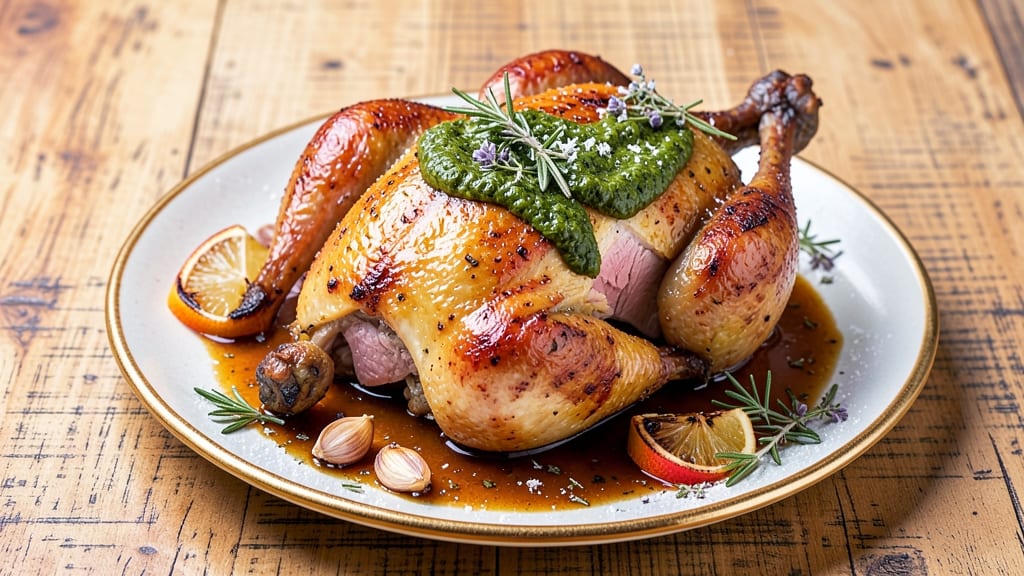
Jamie Oliver’s Trevor’s Chicken recipe delivers restaurant-quality roast chicken with a crispy herb crust and impossibly juicy center—exactly how it should be. Growing up in small-town Georgia, I learned that perfect roast chicken requires precision in seasoning and timing, just like Jamie’s method.
The secret lies in the herb crust, which locks in moisture while creating that signature golden-brown exterior.
This recipe transforms a simple roast chicken into a showstopper with minimal effort. You’ll start with a whole chicken, rubbed with a blend of fresh herbs and garlic, then roasted until the skin is crisp and the meat falls off the bone.
The key is letting the chicken rest after cooking—this ensures every slice stays juicy, not dry. Jamie’s technique balances rich, savory flavors with bright, aromatic herbs for a dish that feels both comforting and elegant.
What you’ll end up with is a golden, herb-encrusted roast chicken that’s crisp on the outside and tender throughout, served with pan juices that elevate any side dish. The aroma alone will have everyone gathering at your table, and the first bite delivers that perfect harmony of textures and flavors.
This is the kind of chicken that makes Sunday dinners feel special without requiring hours in the kitchen.
Serve with roasted vegetables or buttery mashed potatoes to complete the meal. The leftovers reheat beautifully, making this recipe ideal for meal prep or feeding a crowd. Let’s get started on creating your own restaurant-worthy chicken.
Ingredients for jamie oliver trevor's chicken
Fresh herbs, quality butter, and precise seasoning transform a simple chicken into restaurant-worthy perfection.
| Ingredient | Amount | Notes |
|---|---|---|
| Whole Chicken 🍗 | 4 lb | Fresh, preferably organic, skin-on |
| Fresh Rosemary 🌿 | ¼ cup | Finely chopped, stems removed |
| Fresh Thyme 🌿 | ¼ cup | Leaves only, finely chopped |
| Fresh Sage 🌿 | ¼ cup | Leaves only, finely chopped |
| Garlic Cloves 🧄 | 6 cloves | Minced, for herb paste |
| Extra-Virgin Olive Oil 🫒 | ¼ cup | High quality, fruity |
| Unsalted Butter 🧈 | ½ cup | Cold, cubed for crust |
| Diamond Crystal Kosher Salt 🧂 | 1 ½ tbsp | Coarse, for seasoning |
| Freshly Ground Black Pepper 🌶️ | 1 tsp | Freshly cracked |
| Lemon Zest 🍋 | 1 tbsp | From 1 organic lemon |
| Fresh Parsley 🌿 | ⅛ cup | Chopped, for garnish |
The chicken is the foundation, so opt for a fresh, organic bird weighing about 4 pounds—this size ensures juicy meat without excessive fat. Whole Foods or local butchers often carry premium options. Look for vibrant skin and firm flesh; if possible, choose a chicken raised without antibiotics. The herb blend is critical—fresh rosemary, thyme, and sage from the grocery store's produce section (not dried) will give you that bright, aromatic flavor. If you're short on time, Trader Joe's sells pre-chopped herb mixes that work in a pinch, though fresh is ideal. The garlic should be freshly minced—pre-minced garlic loses flavor quickly.
No fresh herbs? Dried will work at one-third the amount, but the texture won't be as vibrant. Substitute parsley for half the sage if needed, as it adds freshness. For the butter, full-fat is non-negotiable—low-fat versions won't create the same crisp crust. If you're avoiding dairy, olive oil or avocado oil can replace butter, though the crust will be less golden. The lemon zest adds brightness; if you don't have a zester, grate the peel finely and strain out any bitter pith. For a deeper flavor, add a splash of white wine or chicken stock to the herb paste—just 1 tablespoon makes a noticeable difference.
This chicken reheats beautifully—cover with foil and warm at 325°F for 20 minutes to keep it moist. Leftovers keep for 3-4 days in the fridge, though the first day is always the best. For longer storage, freeze portions for up to 3 months. The herb crust can be prepped ahead; store the paste in an airtight container in the fridge for up to 2 days. To serve, let the chicken rest 15-20 minutes before carving—this ensures every slice stays juicy, just like Jamie’s method. The pan juices are worth saving; strain and reduce them slightly for a quick gravy.
Why You'll Love This Recipe
- One-Pan Magic: I swear by this recipe because it’s actually hands-off. Tuck that whole chicken into a roasting pan with the herbs and garlic, let it do its thing, and you’re free to stir a pot of pasta or chop veggies—no basting, no fuss. The rosemary and thyme infuse the chicken so effortlessly, you’ll forget you didn’t slave over it.
- Herb Bomb Flavor: Between us, this isn’t just "seasoned"—it’s layered. The garlic cloves roasted right on the skin? Buttery, golden perfection. The sage and rosemary? They turn the chicken into something aromatic and rich, like a Sunday roast without the pretension. Honestly, my picky-eater husband asks for seconds before I even serve it.
- Budget-Friendly Feast: A whole chicken is the ultimate pantry hero—cheaper than breasts, uses every bit, and this recipe turns it into something restaurant-worthy. Fresh herbs might seem like a splurge, but a few sprigs go a long way, and the flavor? Worth every penny. Plus, it feeds four for under $15—my wallet and my family thank me.
Step-by-step instructions for Jamie oliver's trevor's chicken recipe
This method delivers a perfectly herb-crusted roast with a juicy center and crispy skin every time.
Prepare the Herb Paste and Season the Chicken
In a food processor, combine the 0.25 cup fresh rosemary, 0.25 cup fresh thyme, 0.25 cup fresh sage, 6 cloves garlic, 0.25 cup extra-virgin olive oil, 1 tbsp lemon zest, 1.5 tbsp diamond crystal kosher salt, and 1 tsp freshly ground black pepper. Process until you get a smooth, vibrant green paste—this will be your flavor base. The lemon zest adds brightness that cuts through the richness of the chicken.
Remove the chicken from its packaging and pat it completely dry inside and out with paper towels. This step is crucial—moisture on the skin prevents proper browning. Using your fingers, gently loosen the skin over the breast and thighs, creating pockets. Spread half of the herb paste under the skin, being careful not to tear it. Rub the remaining paste all over the outside of the chicken, pressing firmly to ensure it adheres well.
Create the Butter Crust and Truss the Chicken
Place the 0.5 cup unsalted butter in a small bowl and let it soften slightly at room temperature. Using your hands, gently press the butter into the herb crust on the outside of the chicken, working it into the crevices. This creates a flavorful, golden-brown crust that seals in juices. The butter should melt slightly but not become liquid.
Truss the chicken by tying the legs together with kitchen twine, then tuck the wing tips under the body. This helps the chicken cook more evenly and protects the delicate breast meat. Place the chicken on a rack set inside a roasting pan, breast-side up. Let it sit at room temperature for 30 minutes before roasting—this ensures even cooking throughout.
Roast to Golden Perfection
Preheat your oven to 425°F and let it fully preheat for at least 15 minutes. Slide the chicken into the oven and roast for 45 minutes. After this initial time, reduce the heat to 375°F and continue roasting for an additional 45-60 minutes, or until the internal temperature reaches 165°F when measured at the thickest part of the thigh.
You'll know it's ready when the skin is deep golden brown and crispy, and the juices run clear when you pierce the thigh with a meat thermometer. Avoid opening the oven during cooking—every time you do, you lose heat and steam, which can prolong cooking time and affect the crispiness of the skin.
Rest and Garnish for Maximum Juiciness
Once the chicken reaches the correct internal temperature, remove it from the oven and transfer it to a cutting board. Tent loosely with foil and let it rest for 15-20 minutes. This resting period is essential—it allows the juices to redistribute throughout the meat, ensuring every slice is moist and flavorful. If you skip this step, the chicken will be dry and tough.
While the chicken rests, chop the 0.125 cup fresh parsley finely. After resting, carefully remove the twine and garnish the chicken with the parsley. The parsley adds a fresh finish that complements the rich herb crust. Serve the chicken immediately, slicing it against the grain for the most tender texture. The result is a juicy, herb-infused roast with crispy skin that will impress anyone at the table.
Pro Tips For Making Jamie Oliver Trevor'S Chicken
- CRANK THE HEAT FIRST: That whole chicken needs a screaming-hot oven to start—425°F (220°C) for the first 20 minutes. I used to wimp out with 375°F, and the skin stayed pale. High heat = crispy skin before the juices escape. (Yes, even if you’re impatient like me.)
- STUFF THE CAVITY RIGHT: Pack those herbs (rosemary, thyme, sage) and garlic loosely—don’t overcrowd, or they’ll steam instead of caramelize. I learned this the hard way when my first batch tasted like a bouquet, not a roast. Leave room for the chicken to breathe.
- SKIP THE OVERCOOKING TEST: That 165°F (74°C) internal temp is non-negotiable, but don’t rely on visuals alone. A pale juices test isn’t enough—some chickens release pink liquid even when done. Use a meat thermometer, or you’ll end up with dry, sad meat.
- DRIZZLE THE GARLIC WATER: Save that garlic-infused water from rinsing the cloves and pour it over the chicken halfway through cooking. It’s the little upgrade that makes the pan sauce sing. (Your future self will thank you.)
Pro cooking tips for this recipe
Herb Paste Mastery
The secret to Jamie’s signature flavor lies in the herb paste—don’t skip blending it smooth. I use a food processor for even distribution, but a mortar and pestle works too if you’re old-school. The key is to process until fully combined, not just chopped.
If your herbs are particularly fibrous, add 1 tbsp water to help emulsify the paste. This ensures every bite gets that aromatic punch. 🌿
Dry Skin = Crispy Skin
Pat that chicken bone-dry before seasoning—this isn’t optional. I’ve ruined perfect roasts by skipping this step, and you’ll end up with soggy skin. Use two layers of paper towels and really press hard, especially under the wings and thighs where moisture hides.
Pro tip: Let the chicken sit uncovered in the fridge for 30 minutes before drying to evaporate any remaining dampness.
Butter Temperature Trick
The butter crust needs to be soft but not melted when you press it into the herbs. I place my butter bowl in warm water for 5 minutes to soften it just enough. If it’s too cold, the crust won’t adhere; if too warm, it’ll slide off.
Work quickly once it’s on the chicken—this is where most home cooks mess up. The butter should melt slightly during roasting, creating that golden, crackling crust we all crave. 🧈
Two-Stage Roasting
Jamie’s method uses high heat first to render fat and crisp the skin, then lower heat to cook through gently. I start at 425°F for 45 minutes to get that perfect crust, then drop to 375°F to finish.
This two-stage approach prevents the chicken from drying out while ensuring even doneness. Use a meat thermometer—the thigh should hit 165°F before you pull it out.
Resting is Sacred
I cannot stress this enough: 15-20 minutes of resting is non-negotiable. The chicken continues cooking off the heat, and those juices need time to redistribute. If you cut into it too soon, you’ll end up with dry meat.
Tent loosely with foil and let it breathe—this is where the magic happens. The first time I skipped this, I nearly cried over my dry chicken. Never again. 💡
Pan Juice Magic
Don’t pour out those pan juices! Strain them through a fine-mesh sieve, then reduce by half over medium heat to make a quick gravy. Add 1 tbsp cold butter at the end for shine. This gravy elevates the whole dish—it’s the difference between good and restaurant-quality.
I serve it in a small bowl alongside the chicken for dipping. The herbs in the juices infuse the gravy with the same bright flavors as the crust. 🍽️
Nutrition facts
Frequently asked questions
Why does Jamie Oliver's recipe use fresh herbs instead of dried?
Fresh herbs deliver bright, vibrant flavors that dried versions can't match. The recipe calls for rosemary, thyme, and sage because their fresh aromatics create that signature herb-crusted taste. Dried herbs work in a pinch (use 1/3 the amount), but they lack the moisture and complexity that make this dish special.
Can I make this recipe with chicken thighs instead of a whole bird?
For 4 bone-in thighs (about 4 lbs total), follow the same herb paste method but reduce roasting time to 35-40 minutes at 425°F until the internal temp hits 165°F. The skin will crisp beautifully, though thighs stay juicier than breasts. Serve with a squeeze of lemon for brightness.
What's the best way to reheat leftovers without drying them out?
Cover the chicken with foil and warm at 325°F for 20-25 minutes—this keeps it moist. For extra flavor, add 1 tbsp chicken stock to the pan before reheating. Avoid microwaving, as it creates rubbery meat. Leftovers stay delicious for 3-4 days in the fridge.
How do I know when the chicken is fully cooked?
Use a meat thermometer to check the thickest part of the thigh—it should read 165°F. The juices should run clear when pierced, and the skin will be deep golden brown. If unsure, cut into the breast—it should be opaque and no longer pink. Never rely on color alone!
Can I substitute butter for something else in the crust?
For a dairy-free option, use olive oil or avocado oil (mix with the herb paste). The crust won't be as golden, but the flavor stays rich. If avoiding all fat, try 1 tbsp melted coconut oil mixed with the paste. The butter is key for that signature crispness, though!