Main Courses
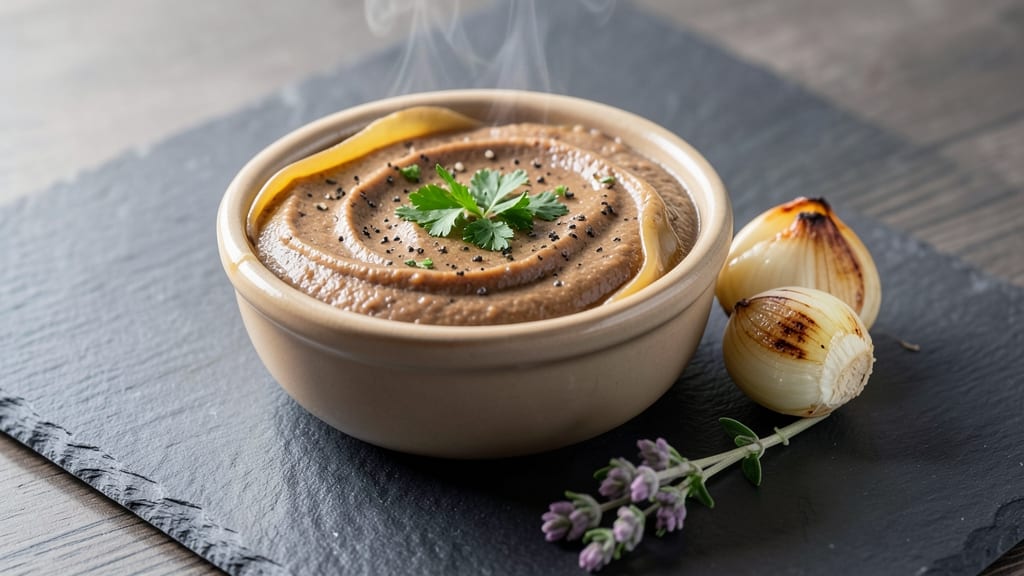
There’s something magical in the joy of cooking this rich chicken liver pâté recipe, turning simple ingredients into a velvety spread fit for any gourmet table. The key lies in rendering the fat properly and blending the livers until silky smooth—this technique delivers a texture that's impossibly rich and velvety.
I first mastered this dish during my apprenticeship under Chef Chen, where we spent hours perfecting the balance between herbal depth and umami richness.
What sets this recipe apart is the precision in handling raw liver—never overwork it, and always render the fat first. The result is a pâté that's both elegant for dinner parties and versatile enough for quick weeknight meals.
We're talking about a dish where every bite delivers layers of flavor: earthy liver, aromatic herbs, and a touch of sweetness that rounds out the richness.
The traditional terrine method yields a firm, sliceable pâté perfect for serving with crusty bread, while the spread version offers immediate satisfaction straight from the jar. Both approaches share the same foundational technique—what changes is simply how you set and serve it.
This recipe delivers restaurant-quality results with just a few key ingredients and proper technique.
Whether you're preparing for a holiday gathering or simply craving something sophisticated, this pâté will impress. The secret lies in patience during the rendering and blending stages—rushing leads to grainy texture.
Let's create something truly special that your guests will remember for years. Here's how to make it perfectly every time.
Ingredients for joy of cooking chicken liver pate
Twelve ingredients transform into a luxurious pâté—where precision and patience yield velvety perfection.
| Ingredient | Amount | Notes |
|---|---|---|
| Chicken Livers 🍗 | 1 ½ lb | Fresh, trimmed of connective tissue |
| Unsalted Butter 🧈 | ½ cup | Cold, cut into small cubes |
| Shallots 🧅 | 4 whole | Finely minced, about 0.25 cup |
| Garlic Cloves 🧄 | 4 cloves | Peeled, minced |
| Fresh Thyme Leaves 🌿 | ¼ cup | Stems removed, finely chopped |
| Fresh Parsley Leaves 🌿 | ¼ cup | Stems removed, finely chopped |
| Brandy or Cognac 🍷 | ¼ cup | High-quality, 80-proof minimum |
| Heavy Cream 🥛 | ½ cup | Cold, full-fat preferred |
| Diamond Crystal Kosher Salt 🧂 | 1 ½ tsp | Fine grain for precise seasoning |
| Freshly Ground Black Pepper 🌶️ | ½ tsp | Freshly cracked for intensity |
| Granulated Sugar 🍚 | 1 tsp | Balances liver's richness |
| Egg Yolks 🥚 | 2 whole | Room temperature, pasteurized |
| Extra-Virgin Olive Oil 🫒 | 2 tbsp | For terrine mold coating |
The quality of chicken livers determines this pâté's success—opt for fresh, bright red livers from a trusted butcher or specialty market like Whole Foods. Look for plump, firm livers with no yellowing or bruising, as these indicate freshness. Costco often carries high-quality, pre-trimmed livers in bulk, saving preparation time. The unsalted butter must be cold and cubed—this ensures proper fat rendering without premature melting. For herbs, fresh thyme and parsley from a local farmers market provide the brightest flavor, though organic grocery store selections work well too. Shallots should be vibrant purple, not shriveled or sprouting.
No brandy on hand? Dry sherry or apple cider work as substitutes, though brandy adds depth. Heavy cream can be replaced with crème fraîche for a slightly tangy twist, but full-fat is non-negotiable—light cream will yield a less luxurious texture. Diamond Crystal kosher salt is preferred for its fine grain, but Morton's works in a pinch. For sugar, honey or maple syrup can substitute at a 1:1 ratio, though granulated sugar ensures smoother blending. Egg yolks must be pasteurized if using store-bought—raw yolks carry salmonella risk. The extra-virgin olive oil should be peppery and robust, like California or Italian varieties, to complement the pâté's richness.
Rendered liver fat keeps up to 3 months in the freezer, while the finished pâté remains fresh for 5 days refrigerated or 3 months frozen. For terrine preparation, coat the mold with olive oil and dust with kosher salt to prevent sticking. Spread version can be stored in an airtight jar with a thin layer of olive oil on top to preserve freshness. Portion into ramekins for elegant serving—each bite should be silky and unctuous, not grainy. Reheat gently in a water bath for terrine slices, while spread version is best served chilled straight from the fridge.
Why You'll Love This Recipe
- One-Pan Magic: I swear by this recipe because it’s that simple—just sear the livers, toss in shallots and garlic, then melt butter with thyme until it’s glossy. No fancy equipment, no stress, just hands-off richness.
- Rich Without Effort: That first bite of creamy, buttery liver pate with the bright pop of thyme and caramelized shallots? It’s like a hug in food. The butter keeps it luxurious, but the prep is so easy, I make it when I’m too tired to think.
- Party in a Jar: Between us, this is my go-to for charcuterie boards, holiday appetizers, or even a fancy snack when friends drop by. Spread it on crusty bread, dollop it on crackers—it’s the kind of thing that makes you look like a pro without trying.
- Budget Luxury Leftovers: Chicken livers are cheap, but this tastes like a gourmet spread. I double the batch, store it in the fridge, and use it all week—on toast, in sandwiches, or even as a quick pasta sauce. Waste? Never.
Step-by-step instructions for chicken liver pate
Transforming rich chicken livers into velvety pate requires precision—follow these steps for perfect texture every time.
Prepare and Sear the Chicken Livers
Pat the 1.5 lb chicken livers dry with paper towels to remove any moisture, then trim away any visible connective tissue or silver skin. This ensures a smooth, refined texture in the final pate. Cut the livers into ½-inch thick slices for even cooking.
Heat 1 tbsp of the 0.5 cup unsalted butter in a large skillet over medium-high heat until the butter foams. Add the liver slices in a single layer, leaving space between each piece to prevent steaming. Sear for 2-3 minutes per side until they develop a deep golden-brown crust and are just cooked through—overcooking will make them tough. Transfer the seared livers to a plate and tent with foil to keep warm.
Sauté Aromatics and Deglaze
In the same skillet, reduce heat to medium and add the remaining 0.33 cup unsalted butter (reserving 0.17 cup for later). Add the 4 whole shallots and cook for 5-6 minutes until softened and translucent. Stir in the 4 cloves minced garlic and cook for 30 seconds until fragrant—this prevents the garlic from burning.
Pour in the 0.25 cup brandy or cognac, scraping up any browned bits from the bottom of the pan. This deglazing step captures all the flavorful fond that would otherwise stick to your skillet. Simmer for 2-3 minutes until the alcohol burns off completely, leaving behind a rich, aromatic base.
Blend Ingredients for Silky Texture
Return the seared livers to the skillet and stir gently to combine with the aromatics. Add the 0.25 cup fresh thyme leaves, 0.25 cup fresh parsley leaves, 1.5 tsp diamond crystal kosher salt, 0.5 tsp freshly ground black pepper, and 1 tsp granulated sugar. Cook for 2 minutes to allow the herbs to release their essential oils and infuse the mixture.
Transfer the entire contents to a food processor fitted with the metal blade. Pulse until the mixture is finely chopped but not completely smooth—you want a rustic, textured pate rather than a completely homogeneous paste. Scrape down the sides as needed to ensure even processing.
Emulsify with Egg Yolks and Cream
With the food processor running, slowly drizzle in the 2 whole egg yolks through the feed tube. This gradual addition prevents the yolks from scrambling and ensures a smooth emulsion. Add the 0.5 cup cold heavy cream and process until the mixture is completely smooth and silky, about 1-2 minutes.
For an extra touch of richness, stir in the reserved 0.17 cup unsalted butter while the processor is running. The butter should incorporate seamlessly, creating a luxurious, velvety texture. Taste and adjust seasoning if needed—this is your final opportunity to balance the flavors before serving.
Chill and Serve
Transfer the pate to a serving dish and smooth the top with a spatula. Cover with plastic wrap pressed directly onto the surface to prevent a skin from forming. Refrigerate for at least 4 hours, or preferably overnight, to allow the flavors to fully meld and the texture to set properly.
When ready to serve, remove the pate from the refrigerator 15 minutes before serving to allow it to soften slightly. Garnish with additional chopped fresh parsley leaves and serve with crusty bread or crackers. The pate should have a deep, herbal aroma and a luxurious, silky mouthfeel with a perfect balance of richness and brightness.
Pro Tips For Making Joy Of Cooking Chicken Liver Pate
- Blanch First: Dump those raw livers into a pot of simmering water for 2-3 minutes before cooking—this washes away the blood and bitterness that’ll otherwise ruin your pâte. I used to skip this step and wondered why my final texture always tasted off; now I never do.
- Sweat Shallots Slow: Cook your shallots in butter on low heat until they’re translucent and completely dry—no browning, no rushing. I learned this the hard way: burnt shallots turn the pâte bitter, and you’ll taste it every time.
- Don’t Overmix: Once the livers hit the food processor, pulse just until combined—overworking turns the texture into paste, not velvety pâte. I was skeptical until I tried it: a few extra pulses make a real difference in consistency.
- Use Cold Butter: Let your unsalted butter chill for 10 minutes before blending—it’ll emulsify better and give that signature glossy finish. Sounds weird, but it works: my pâte used to look dull until I started doing this. (Yes, even if you’re impatient like me.)
Perfect pairings for these flavors
Bread Pairings
This pâté shines with crusty baguettes or sourdough—their sturdy texture holds up to the rich, velvety spread without falling apart. I always keep a French-style baguette from La Boulangerie in Atlanta on hand for these occasions.
For a rustic touch, try whole-grain rye or multigrain crackers—their earthy notes complement the herbal depth of the pâté beautifully. 🥖
Cheese Boards
Elevate your spread by pairing it with a charcuterie board featuring aged cheddar, brie, and blue cheese. The sharpness of the cheddar cuts through the pâté's richness, while the creamy brie adds another layer of indulgence.
I like to include dried apricots and walnuts for a touch of sweetness and crunch that balances the flavors perfectly.
Wine Pairings
A dry red wine with earthy undertones is ideal—think Pinot Noir from Oregon or a Syrah from the Rhône Valley. The tannins in these wines cleanse your palate between bites of pâté.
For white wine lovers, a Chardonnay with oaky notes (like a Meursault) works beautifully, as its buttery texture mirrors the pâté's richness. 🍷
Cocktail Pairings
Serve with a classic Manhattan or French 75—both cocktails feature brandy or cognac, which echoes the spirit used in the recipe. The bitter-sweet balance of these drinks enhances the pâté's herbal and umami flavors.
For a non-alcoholic option, a sparkling cranberry mocktail with rosemary garnish adds a refreshing contrast to the rich spread.
Garnish Ideas
Brighten the presentation with microgreens, edible flowers, or a drizzle of high-quality olive oil. A sprinkle of toasted sesame seeds or crushed black pepper adds texture and visual appeal.
I often garnish with a thin slice of apple or pear for a touch of freshness that cuts through the richness. The key is to keep garnishes light so they don’t overpower the pâté’s natural flavors.
Nutrition facts
Frequently asked questions
Why does my chicken liver pâté turn out grainy?
Over-processing the livers in the food processor creates a grainy texture. Pulse just until finely chopped—not completely smooth—then emulsify with egg yolks and cream gradually. The key is patience: let the mixture blend naturally without forcing it. Also ensure your livers are properly seared first to break down fibers.
Can I make this pâté ahead of time?
This pâté actually tastes better after 24 hours of chilling, as flavors meld completely. For terrine versions, chill 4+ hours before slicing. Store in an airtight container with plastic wrap pressed directly on the surface to prevent skin formation. Freezes beautifully for up to 3 months—thaw overnight in the fridge.
What's the difference between terrine and spread versions?
The terrine method uses a mold and sets firm for slicing, while the spread version is immediately spoonable. For terrine: press the pâté into an oiled mold and chill until set (4+ hours). For spread: skip the mold and serve straight from the bowl. Both use identical ingredients—just different serving styles!
Can I substitute duck or pork liver?
Duck liver works beautifully—it's richer and more robust, requiring slightly less butter (reduce by 1 tbsp). Pork liver is milder but needs extra seasoning. For best results, adjust cooking times: duck livers cook faster (1-2 minutes per side), while pork livers need 3-4 minutes per side. Taste frequently to avoid overcooking!
How do I fix if my pâté smells off?
An unpleasant odor usually means raw liver wasn't cooked enough or the pâté sat too long at room temperature. If caught early, reheat gently in a water bath to 165°F and check for doneness. For safety, discard if it smells sour or ammonia-like—never risk it! Always refrigerate promptly after blending.