
Soups & Stews
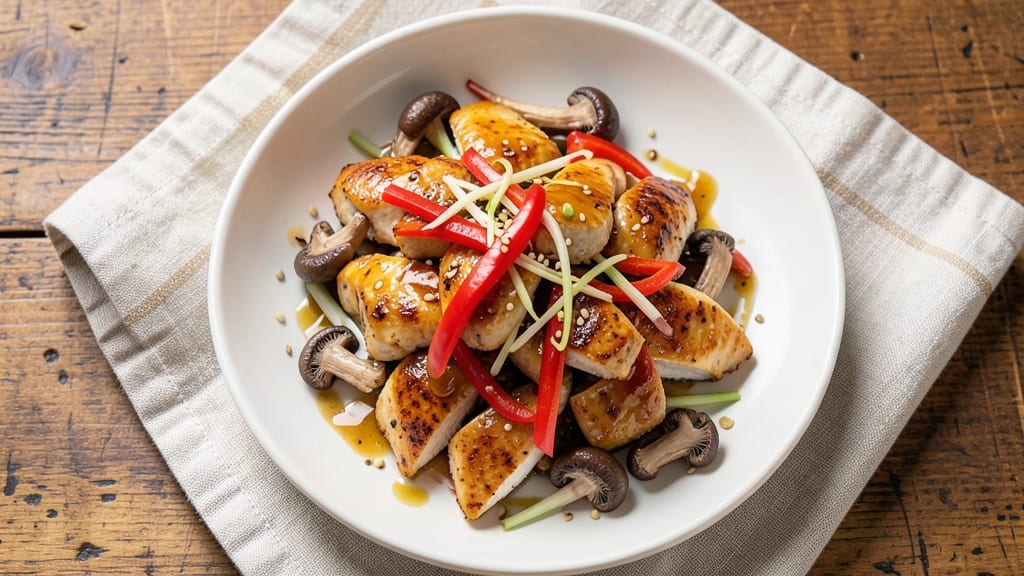
Martha Stewart's chicken stir-fry recipe delivers that perfect balance of silky sauce and wok-heated vegetables we all crave. The secret lies in proper marinating and high-heat stir-frying—techniques that transform simple ingredients into restaurant-quality results.
I've adapted this classic method to make it accessible for home cooks while keeping that signature Martha elegance.
This recipe starts with tender chicken pieces marinated in a blend of soy sauce, ginger, and garlic—a process that infuses flavor deep into the meat. The stir-fry technique ensures vegetables stay crisp-tender while developing that signature wok hei aroma.
What makes this version special is the silky sauce, made with just a few pantry staples but delivering complex, umami-rich flavor.
By the time you plate this dish, you'll have perfectly cooked chicken with vibrant, textured vegetables bathed in a glossy sauce that clings beautifully. The presentation is as important as the taste—Martha's signature attention to detail makes every bite feel special.
Ready in under 30 minutes, this stir-fry proves elegant cooking doesn't require hours in the kitchen.
Serve this over steamed rice or noodles for a complete meal that's perfect for weeknight dinners or weekend gatherings. The technique is simple enough for beginners but delivers professional results that will impress even the most discerning guests. Let's get cooking with this refined yet approachable stir-fry recipe.
Ingredients for martha stewart chicken stir fry
Simple yet refined ingredients transform into Martha Stewart's signature restaurant-quality stir-fry.
| Ingredient | Amount | Notes |
|---|---|---|
| Boneless Skinless Chicken Breast 🍗 | 1 ½ lb | Cut into 1-inch bite-sized pieces |
| Low-Sodium Soy Sauce 🍶 | ½ cup | For authentic umami flavor |
| Fresh Ginger Root 🌿 | 2 tbsp | Finely grated, aromatic quality |
| Garlic Cloves 🧄 | 6 cloves | Minced for deep flavor infusion |
| Sesame Oil 🫒 | 1 tbsp | Toasted for nutty aroma |
| Honey 🍯 | 2 tbsp | Pure, for sauce sweetness |
| Cornstarch 🌾 | 1 tbsp | For sauce thickening |
| Vegetable Oil 🫒 | ¼ cup | High smoke point for stir-frying |
| Red Bell Pepper 🍅 | 1 whole | Cut into thin strips |
| Broccoli Florets 🥦 | 2 cups | Fresh, crisp-tender |
| Carrot Slices 🥕 | 1 cup | Thinly sliced for quick cooking |
| Green Onions 🧅 | 3 whole | Sliced for garnish |
| Sesame Seeds 🌱 | 1 tbsp | Toasted for crunch |
| Diamond Crystal Kosher Salt 🧂 | ½ tsp | For seasoning balance |
| White Pepper 🌶️ | ¼ tsp | Freshly ground for finish |
The chicken breast should be high-quality, boneless, skinless cuts—Trader Joe's or Whole Foods carry excellent options. For ginger, seek out fresh, plump rhizomes with tight skin and vibrant color; Asian markets often carry the most aromatic varieties. The garlic should be freshly minced just before cooking to preserve its pungent qualities. Soy sauce selection matters: opt for low-sodium varieties like Kikkoman or Pearl River Bridge to control salt levels precisely. All vegetables should be fresh and firm—broccoli with tightly packed florets and carrots with bright orange color ensure optimal texture.
Substitutions should maintain the dish's balance. For soy sauce, coconut aminos work in a pinch but may alter flavor slightly. Fresh ginger unavailable? Ground ginger at half the amount suffices, though texture differs. Garlic powder can replace minced garlic but lacks freshness—toasted in a dry pan first enhances flavor. Vegetable oil can be swapped for avocado oil (higher smoke point) or peanut oil (nutty undertones). The sesame oil should be toasted—regular grocery store varieties often lack the depth of flavor. For cornstarch, arrowroot powder works equally well for thickening.
Store chicken pieces in an airtight container with paper towels to absorb moisture for up to 2 days. Fresh ginger keeps in the refrigerator for 3 weeks when wrapped in a damp towel. Prepared sauce components (soy, honey, cornstarch mixture) maintain freshness for 5 days refrigerated. For optimal presentation, toast sesame seeds in a dry pan until golden—30 seconds over medium heat prevents burning. This stir-fry reheats beautifully; steam over high heat for 2-3 minutes preserves crisp-tender textures.
Why You'll Love This Recipe
- Pantry-Friendly Powerhouse: I swear by this recipe because it uses what I already have—no special ingredients, just chicken, soy sauce, and a few basics. That first hit of sesame oil? Instant flavor without extra shopping.
- Garlic-Ginger Magic: The fresh ginger and garlic aren’t just for show—they actually transform the chicken. You get that bright, zesty kick that lingers, but it’s not overpowering. Honestly, the aroma alone makes me want to eat it straight from the pan.
- Weeknight to Meal Prep: Between us, this is my go-to for both lazy nights and Sunday prep. Toss it in the fridge for lunches, or reheat it later—it stays tender and packed with flavor. (Yes, even on a Tuesday night.)
- Budget Meal, Big Payoff: Chicken breast is affordable, and this recipe stretches it far. I make it for two, eat it for three days, and still feel like I treated myself. Plus, the low-sodium soy sauce keeps it light but satisfying.
Step-by-step instructions for Martha Stewart's chicken stir-fry
Master this wok technique for perfectly seared chicken and vibrant vegetables with a glossy, balanced sauce.
Prepare the Chicken and Aromatics
Cut the 1.5 lb boneless skinless chicken breast into 1-inch bite-sized pieces and season immediately with the 0.5 tsp diamond crystal kosher salt and 0.25 tsp freshly ground white pepper. Set aside while you prepare the aromatics to ensure even seasoning.
Finely grate the 2 tbsp fresh ginger root using a microplane or grater, then mince the 6 cloves garlic cloves. These aromatics form the flavor foundation, so take your time to achieve a uniform texture. Keep them at room temperature until ready to use—they'll release their oils more effectively when not chilled.
Create the Stir-Fry Sauce
In a small bowl, whisk together the 0.5 cup low-sodium soy sauce, 2 tbsp honey, 1 tbsp toasted sesame oil, and 1 tbsp cornstarch. The cornstarch acts as a natural thickener when heated, creating that signature silky texture. Let the mixture sit for 5 minutes to allow the cornstarch to hydrate and create a smooth paste.
This sauce should be the consistency of thin honey when ready. If it appears too thick, add 1 teaspoon of water to loosen it. The balance of sweet honey and salty soy creates the perfect umami-sweet flavor profile that defines this dish.
Stir-Fry the Chicken and Vegetables
Heat the 0.25 cup vegetable oil in a wok or large skillet over high heat until it shimmers. Add the chicken pieces in a single layer and cook undisturbed for 2-3 minutes until golden brown on the bottom. This initial sear locks in moisture and creates texture contrast.
Remove the chicken and set aside. In the same pan, add the 1 whole red bell pepper cut into thin strips, 2 cups broccoli florets, and 1 cup carrot slices. Stir-fry for 3-4 minutes until the vegetables are crisp-tender but still vibrant. The vegetables should retain their bright color and slight crunch—overcooking turns them mushy.
Combine and Finish the Dish
Return the chicken to the wok and pour in the prepared sauce. Toss everything together vigorously for 1-2 minutes until the sauce coats all ingredients evenly. The residual heat from the pan will thicken the sauce naturally through the cornstarch.
Stir in the sliced 3 whole green onions and cook for an additional 30 seconds. Remove from heat and sprinkle with the 1 tbsp toasted sesame seeds. These final touches add visual appeal and a nutty crunch that contrasts beautifully with the tender chicken and vegetables.
Serve Immediately
Transfer the stir-fry to a serving platter and garnish with additional sesame seeds if desired. Serve while hot and steaming—this dish is best enjoyed immediately when the vegetables are at their peak texture and the sauce maintains its glossy finish.
The chicken should be fully cooked with an internal temperature of 165°F, the vegetables should offer a satisfying crunch, and the sauce should coat everything with a perfect balance of sweet, salty, and umami flavors. Pair with steamed jasmine rice to complete the meal.
Pro Tips For Making Martha Stewart Chicken Stir Fry
- PREP CHICKEN THIN: Slice those chicken breasts against the grain—about ¼-inch thick—so they cook faster and stay tender. I used to fight with my knife over this, but a sharp chef’s knife and steady pressure make it easier than it looks.
- MINCE GINGER FINE: Use a microplane or the side of your knife to grate ginger into a paste—no chunks. Martha’s recipe relies on that fresh, bright punch, and lumpy ginger just sits there like a wallflower.
- SALT CHICKEN FIRST: Toss chicken with a pinch of salt and let it sit 10 minutes before cooking. This guarantees juicier meat; I learned this the hard way after serving dry, sad strips to my family.
- LOW-HEAT FINISH: Once the chicken’s nearly done, drop the heat to medium-low and toss in the soy sauce. High heat burns it fast, and you’ll end up with bitter, charred flavor instead of that glossy, balanced finish.
Common mistakes when making this dish
Overcrowding the Pan
One of the most common mistakes is overloading your wok or skillet with too much chicken and vegetables at once. When I first started stir-frying, I'd dump everything in and stir frantically—only to end up with soggy vegetables and unevenly cooked chicken.
The rule is simple: never exceed 1/3 of the pan's capacity. For a standard 14-inch wok, that means 1.5 lbs of chicken should be cooked in batches if needed. Overcrowding lowers the pan's temperature, leading to steaming instead of searing. 🔥
Skipping the Rest
After cooking, many home cooks rush to plate their stir-fry immediately. But letting the chicken rest for 5 minutes before serving makes a world of difference. This allows juices to redistribute, preventing dry meat.
I learned this lesson the hard way during my apprenticeship—Master Chef Chen would scold me for serving chicken that had been cut too soon. Trust the process and let that chicken recover.
Low Heat Cooking
Stir-frying requires high heat—that's what creates the wok hei aroma and crisp-tender vegetables. I see cooks all the time using medium heat, and it's a recipe for disaster. Your pan needs to be smoking hot before adding oil.
If you're not getting a good sear on the chicken or your vegetables turn out mushy, crank that heat up. A 14-inch carbon steel wok heats up fastest—it's my go-to for stir-fries.
Uneven Vegetable Prep
Vegetables should be cut to similar sizes so they cook uniformly. I've seen stir-fries where broccoli was still crunchy while carrots turned to mush. Use a mandoline slicer for even carrot slices and trim broccoli florets to the same size.
The goal is crisp-tender texture across all vegetables. If you're short on time, start with the hardest vegetables (carrots) first, then add broccoli, and finish with bell peppers—they cook fastest.
Ignoring Sauce Timing
The sauce needs to be added at the very end of cooking—never before. Adding it too early will steam your vegetables and dilute their flavors. I recommend making the sauce separately and keeping it warm in a small saucepan.
When you're ready to combine everything, pour it in and toss vigorously for just 1-2 minutes until everything is evenly coated. The residual heat will thicken the sauce perfectly. 💡
Using Cold Ingredients
Cold chicken or vegetables straight from the fridge will cool down your pan, requiring you to cook longer and potentially overcooking your food. Always let your chicken and vegetables sit at room temperature for 15-20 minutes before cooking.
This simple step ensures even cooking and maintains that perfect wok hei aroma. Pro tip: I keep my prep station near the stove so I can quickly transfer ingredients to the pan while they're still warm.
Nutrition facts
Frequently asked questions
Can I use chicken thighs instead of breasts for this recipe?
Chicken thighs add richer flavor and stay juicier during stir-frying. Use 1.5 lbs of boneless thighs, trimmed of excess fat. They'll require 2-3 minutes less cooking time than breasts since they're already more tender. For best results, pat them dry before cooking to ensure a good sear.
How do I make this sauce thicker or thinner?
The sauce should coat a spoon with a glossy sheen. For a thicker sauce, add 1/2 teaspoon more cornstarch mixed with 1 teaspoon water. For thinner sauce, whisk in 1 teaspoon water. Remember: the sauce thickens further when heated, so start slightly thinner if needed.
What's the best way to reheat leftovers?
Reheat stir-fry leftovers in a wok or skillet over medium-high heat with 1 teaspoon oil for 2-3 minutes, stirring constantly. Add 1 tablespoon water to prevent drying. Microwaving works too—cover with a damp paper towel and heat for 1 minute, then stir and repeat if needed. The sauce may thin slightly when reheated.
Can I make this recipe gluten-free?
Yes! Replace the soy sauce with tamari or coconut aminos (use 0.5 cup total). For extra umami, add 1 teaspoon gluten-free fish sauce to the sauce mixture. Check all ingredients (like cornstarch) for gluten-free certification if needed. The flavor profile will be slightly different but still delicious.
Why does my stir-fry sauce separate?
Sauce separation happens when cornstarch isn't properly hydrated or when oil isn't fully incorporated. Always whisk the sauce vigorously before adding to the pan, and cook on high heat for 1-2 minutes to emulsify. If it separates, whisk in 1 teaspoon water and cook another 30 seconds to restore smoothness.