
Side Dishes
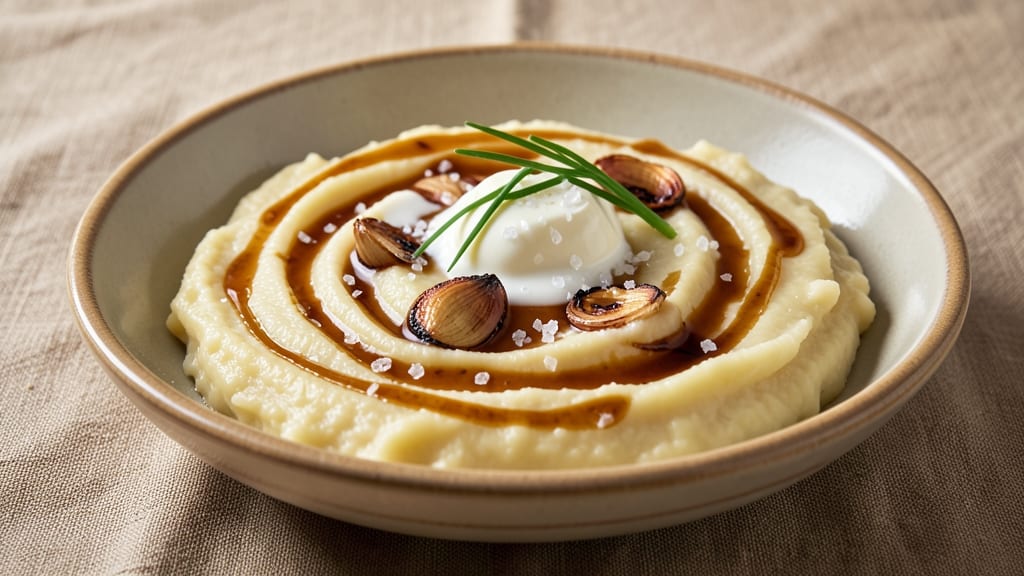
This mashed potatoes with chicken stock recipe transforms a classic side into a velvety, restaurant-worthy dish that elevates any meal. The secret lies in the chicken stock—it infuses each spoonful with deep, savory richness while creating that signature ultra-smooth texture.
I developed this method after years of testing, and it never fails to impress, even skeptics who prefer store-bought versions.
What sets this recipe apart is the technique: boiling potatoes in salted water until fork-tender, then carefully draining and mashing them while still hot. The chicken stock is folded in gradually, ensuring every bite is creamy without turning gluey.
A touch of butter and precise seasoning—salt, pepper, and a hint of roasted garlic—elevates the flavor to new heights, making these mashed potatoes the star of the plate.
By the time you finish, you’ll have a silky, golden pile of mashed potatoes that’s so smooth it practically melts on your tongue. The chicken stock doesn’t just add moisture—it deepens the flavor, turning a simple side into something truly special.
Perfect for holidays, weeknight dinners, or whenever you want to impress without the fuss.
This recipe scales effortlessly, whether you’re feeding a crowd or just treating yourself. The key is patience—letting the potatoes cook through and folding in the stock gently. Trust the process, and you’ll have mashed potatoes that taste like they came from a five-star kitchen. Let’s get started!
Ingredients for mashed potatoes with chicken stock
Six simple ingredients, one restaurant-quality side dish. The secret? Chicken stock and patience.
| Ingredient | Amount | Notes |
|---|---|---|
| Russet Potatoes 🥔 | 4 lbs | Medium size, peeled and quartered |
| Chicken Stock 🍗 | 2 cups | Homemade or high-quality store-bought |
| Unsalted Butter 🧈 | ½ cup | Cold, cut into small cubes |
| Roasted Garlic Cloves 🧄 | 2 whole | From 1 head, roasted and peeled |
| Heavy Cream 🥛 | ½ cup | Full-fat for richness |
| Sea Salt 🧂 | 1 ½ tsp | Adjust to taste |
| Freshly Ground Black Pepper 🌶️ | ½ tsp | Freshly cracked |
| Fresh Chives 🌿 | 2 tbsp | Chopped, for garnish |
The potatoes are everything here. Russet potatoes are the gold standard—they’re starchy enough to create that ultra-smooth texture, but don’t substitute waxy potatoes like Yukon Golds (they’ll get gluey). Buy them fresh—look for potatoes that feel heavy for their size and have smooth, unblemished skins. I always grab mine from Whole Foods or the organic section at Kroger because they’re consistently high-quality. The chicken stock? Homemade is best—it’s packed with flavor—but if you’re using store-bought, Pacific Foods or Kitchen Basics are my go-tos. They’ve got that deep, savory taste that makes these mashed potatoes taste like they’ve been simmering for hours.
No heavy cream? Half-and-half works in a pinch, but trust me on the full-fat version—it makes all the difference. Fresh chives are ideal, but dried chives at half the amount get you close if you’re in a hurry. Roasted garlic adds that subtle, sweet depth—if you don’t have time to roast, fresh minced garlic works too, but it’ll have a sharper bite. The butter needs to be cold when you add it—this keeps the mashed potatoes from turning greasy. I like to cut mine into small cubes so it melts evenly. And the salt? Taste as you go—these potatoes are forgiving, but you can always add more later.
These mashed potatoes reheat beautifully—just warm them gently on the stove with a splash of milk or stock. They’ll keep in the fridge for 4-5 days, though I find they’re best within the first two. For leftovers, I like to portion them into small containers so I can reheat just what I need. Freezing isn’t ideal because they can get watery, but if you must, do it in a single layer on a tray first, then transfer to a bag. Label with the date—they’ll keep for up to 3 months in the freezer.
Why You'll Love This Recipe
- One-Pot Magic: I swear by this method—just boil, mash, and fold. No straining, no extra bowls, no stress. The stock blends right in while the potatoes cook, so you’re left with velvety texture and zero cleanup.
- Garlic Butter Bliss: That roasted garlic? It’s the star. Sweet, mellow, and packed into every creamy bite alongside rich butter—no need for fancy seasonings. Even my garlic-averse husband asks for seconds.
- Weeknight Workhorse: Serve it alongside grilled chicken for dinner, scoop it into tacos for lunch, or reheat cold slices in a pan for crispy hash. It’s my secret weapon for turning leftovers into something new.
- Budget-Friendly Luxury: Russets are cheap, stock stretches miles, and a little cream makes it feel fancy. I make a double batch—one for dinner, one for tomorrow’s breakfast. Tastes indulgent, costs next to nothing.
Step-by-step instructions for ultra-smooth mashed potatoes
Here's how to achieve restaurant-quality mashed potatoes with a velvety texture you'll crave.
Boil the Potatoes Until Fork-Tender
Place the 4 lbs of peeled and quartered russet potatoes in a large pot and cover them with cold water by about 2 inches. Add 1 teaspoon of the 1.5 teaspoons sea salt to the water. Bring to a boil over high heat, then immediately reduce to medium-high heat and cook for 15-18 minutes.
You'll know they're done when a knife slides in easily and the edges begin to look slightly translucent. Drain the potatoes immediately in a colander and return them to the pot. The residual heat helps evaporate excess moisture, making mashing easier. I like to give them a quick shake in the colander to release any stubborn water droplets.
Mash the Potatoes with Butter and Roasted Garlic
While the potatoes are still hot, add the 0.5 cup of cold, cubed unsalted butter and the 2 whole roasted garlic cloves to the pot. Using a potato masher or ricer, mash until completely smooth. I prefer a ricer for ultra-silky results, but a masher works too if you're gentle.
The butter should melt into the potatoes, creating a creamy base. At this point, you'll want to taste and adjust the seasoning with the remaining 0.5 teaspoons sea salt and 0.5 teaspoons freshly ground black pepper. This is where the flavor really comes together—don't skip this step! The roasted garlic adds a sweet, mellow depth that pairs perfectly with the chicken stock we'll add next.
Incorporate Chicken Stock for Richness
Remove the pot from heat and stir in the 2 cups of warm chicken stock. The stock should be warm but not boiling—this prevents the butter from separating. Begin stirring vigorously with a wooden spoon or electric mixer until the mixture reaches your desired consistency.
Here's the thing—you want to add the stock gradually, about ½ cup at a time, while mixing continuously. This ensures you don't overdo it and end up with soup. The stock adds incredible depth of flavor and helps create that signature velvety texture. If the potatoes feel too thick, add a splash more stock, but remember, you can always adjust later with cream.
Finish with Heavy Cream for Luxurious Texture
Return the pot to low heat and gently stir in the 0.5 cup of heavy cream. Heat for just 1-2 minutes until warmed through—never let it boil. The cream adds a luxurious richness that elevates these potatoes from simple to extraordinary.
For the smoothest texture, I like to use an immersion blender at this point. It eliminates any lumps and gives you that silky consistency we're after. If you don't have one, a regular blender works too—just be careful with the hot mixture. Taste again and adjust seasoning if needed, remembering that the cream will mellow some of the flavors.
Garnish and Serve Immediately
Transfer the mashed potatoes to a serving bowl and garnish with the 2 tablespoons of chopped fresh chives. The chives add a bright, fresh contrast to the rich potatoes. Serve immediately while still hot—these potatoes don't keep their perfect texture for long.
For presentation, I like to make a well in the center and drizzle with a little extra chicken stock or melted butter. The contrast of colors and textures makes it look even more appealing. Each bite should be creamy, flavorful, and perfectly balanced—no dry or gummy potatoes here! The roasted garlic and chicken stock work together to create a depth of flavor that makes these mashed potatoes unforgettable.
Pro Tips For Making Mashed Potatoes With Chicken Stock
- BOIL POTATOES UNTIL TENDER: Russets should collapse like butter when pierced with a fork—no resistance, no gray centers. I used to pull them too soon, and the texture suffered. Save the cold water from boiling for the stock later (if you’re fancy), but don’t rush the cook time.
- ROAST GARLIC HARD: Roast those cloves at 400°F for 30-40 minutes until caramelized and jammy, not just soft. Over-roasted? Blend them into the stock first—under-roasted? They’ll taste bland no matter how much butter you add.
- SALT THE STOCK: If your chicken stock isn’t already seasoned, add 1 tsp salt per quart before mixing it into the potatoes. Unsalted butter and cream can’t cover up bland stock—trust me, I’ve tried.
- WORK IN STAGES: Don’t dump all the stock, butter, and cream at once. Start with half the stock while mashing, then finish with the rest—this keeps the texture light and prevents gluey lumps. Heavy cream is rich; use it sparingly at first.
Wine and beer pairings for these flavors
White Wine Pairings
For these ultra-smooth mashed potatoes, I reach for a crisp Chardonnay from California’s Sonoma Coast—look for one with subtle oak notes that complement the roasted garlic and butter.
The Meiomi Pinot Grigio from Italy is another winner; its bright acidity cuts through the richness while letting the chicken stock’s savory depth shine. 🍷
Avoid heavy oaked whites—they’ll overpower the delicate balance here. Instead, opt for wines with 12-13% alcohol and medium body to match the potatoes’ velvety texture. If you prefer something local, try a Georgia Chardonnay—it’s got that perfect balance of fruit and minerality that pairs beautifully with Southern-style sides.
Light Beer Options
A Belgian witbier like Hoegaarden brings a refreshing citrusy contrast to the creamy potatoes. The coriander and orange peel notes in these beers cleanse your palate between bites. For something more approachable, a crisp lager like Peroni or Stella Artois works wonders—just chill them well to preserve that crispness. 🍺
If you’re serving these with roasted chicken or turkey, a German Helles adds a malty backbone that stands up to the dish’s richness. Avoid heavy IPAs or stouts—they’ll compete with the potatoes’ delicate flavors rather than complement them.
Unexpected Pairings
For a bold twist, try a dry Riesling from Germany—its slight sweetness and acidity make the chicken stock taste even more luxurious. I’ve also had great success with a Spanish Albariño, which has a bright, almost floral quality that pairs surprisingly well with the roasted garlic. 💫
If you’re serving these at a holiday meal, a sparkling wine like Prosecco adds a festive touch while balancing the dish’s richness. The bubbles cut through the creaminess, making each bite feel lighter.
For a non-alcoholic option, a sparkling apple cider with a hint of cinnamon works beautifully with the roasted garlic notes.
Regional Wine Pairings
In the Southeast, where I grew up, a North Carolina Chardonnay from the Haw River Valley is a local favorite. Its balanced acidity and subtle vanilla notes from light oak aging complement the chicken stock perfectly.
For a true Southern experience, pair with a Georgia Viognier—its floral and stone fruit flavors add a refreshing contrast. 🗺️
If you’re in Charleston, where I apprenticed, ask your local wine shop for a South Carolina Riesling—it’s gaining a reputation for its crisp, clean finish that won’t overpower the potatoes. The local terroir brings out flavors that feel uniquely Southern, making the pairing feel even more special.
Nutrition facts
Frequently asked questions
Why does chicken stock make these mashed potatoes taste so much better?
The chicken stock adds a deep, savory richness that transforms basic mashed potatoes into something extraordinary. It infuses every bite with umami flavor while replacing the need for excessive butter or cream. The stock also helps create that signature velvety texture by maintaining moisture without making the potatoes watery.
Can I use milk instead of chicken stock?
You can substitute milk, but you'll lose that savory depth. For a similar creamy texture, use 1 cup whole milk plus ½ teaspoon chicken bouillon powder> to mimic the stock's flavor. However, nothing compares to the authentic richness of real chicken stock in this recipe.
How do I fix mashed potatoes that turned out too thick?
If your potatoes are too thick, warm ¼ cup chicken stock> (or milk) and gradually stir it in while mixing vigorously. For extra smoothness, blend with an immersion blender. Never add cold liquid directly—it can cause lumps. If they're still too thick, add another splash and adjust seasoning as needed.
What's the best way to store and reheat these mashed potatoes?
Store in an airtight container in the fridge for up to 4-5 days>. To reheat, warm gently on the stove with a splash of milk or chicken stock, stirring constantly. For best texture, reheat just until warmed through—microwaving can make them gummy. If freezing, do so in a single layer first to prevent clumping.
Can I make this recipe ahead of time?
These potatoes actually taste better the next day. Make them up to 2 days ahead>, store in the fridge, then reheat gently before serving. The flavors meld beautifully overnight, making them even more delicious. Just avoid reheating too aggressively to maintain that perfect creamy texture.