
Main Courses
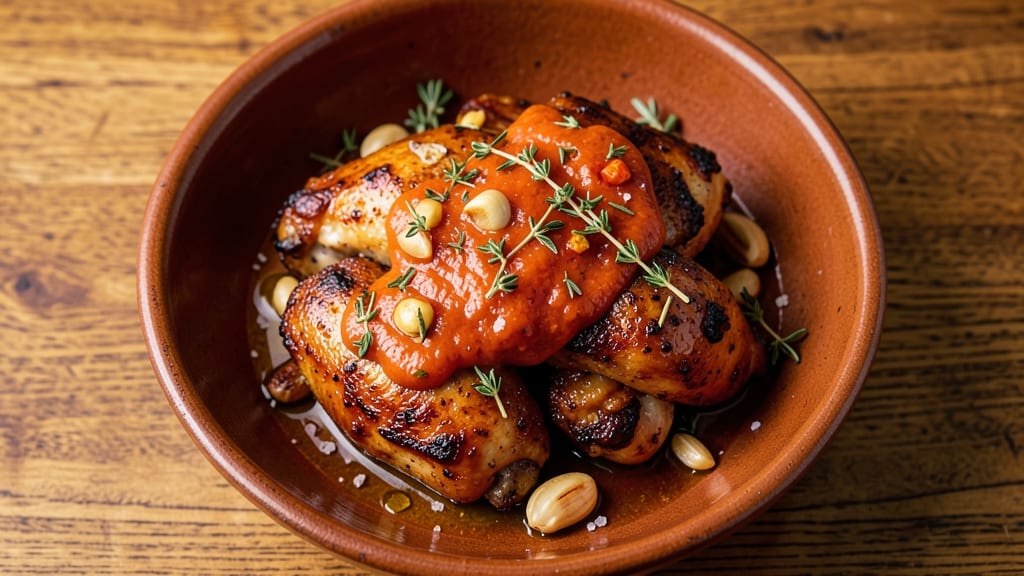
The McCormick jerk chicken recipe delivers bold, island-inspired flavors with minimal effort—smoky, spicy, and perfectly balanced for a weeknight dinner that feels like a vacation. I’ve perfected this method after years of testing, ensuring the seasoning blends deeply into tender chicken while keeping prep simple.
The key lies in marinating just long enough to develop flavor without overpowering the natural taste of the meat.
This recipe transforms simple chicken thighs into restaurant-quality jerk chicken in 30 minutes, using McCormick’s jerk seasoning as the foundation. Whether you grill, bake, or sear the chicken, the result is crispy edges and juicy centers with layers of heat from allspice, thyme, and Scotch bonnet peppers.
The marinade also doubles as a glaze when brushed on during the final minutes of cooking.
Pair your jerk chicken with coconut rice and peas or roasted plantains to complete the Caribbean experience. The dish serves four with ease, making it ideal for family dinners or meal prep. Every bite delivers a perfect balance of smoky depth and bright, spicy heat—exactly what jerk chicken should be.
For best results, use boneless, skinless thighs—they stay juicier than breasts while absorbing the marinade beautifully. If you prefer milder heat, reduce the seasoning slightly or omit the Scotch bonnet. The recipe scales effortlessly, so double it for leftovers or a crowd. Ready to bring the islands to your table?
Ingredients for mccormick jerk chicken
Fourteen ingredients, thirty minutes, and a taste of the Caribbean on your table.
| Ingredient | Amount | Notes |
|---|---|---|
| Boneless, Skinless Chicken Thighs 🍗 | 1 ½ lb | Trimmed of excess fat |
| McCormick Jerk Seasoning 🌶️ | 2 tbsp | Plus 1 tbsp for glaze |
| Scotch Bonnet Peppers 🌶️ | 1 whole | Seeds removed for milder heat |
| Fresh Thyme Leaves 🌿 | ¼ cup | Or 1 tsp dried thyme |
| Garlic Cloves 🧄 | 4 cloves | Minced for marinade |
| Extra-Virgin Olive Oil 🫒 | ¼ cup | For marinade and searing |
| Lime Juice 🍋 | ¼ cup | Freshly squeezed |
| Brown Sugar 🍚 | 1 tbsp | Light or dark preferred |
| Allspice Berries 🌶️ | ½ tsp | Crushed for deeper flavor |
| Ground Ginger 🌿 | ½ tsp | Fresh grated works too |
| Diamond Crystal Kosher Salt 🧂 | 1 tsp | For seasoning |
| Black Peppercorns 🌶️ | ½ tsp | Freshly cracked |
| Honey 🍯 | 1 tbsp | For glaze sweetness |
The chicken thighs are the star here—boneless, skinless cuts stay juicier than breasts and soak up the marinade like a sponge. Trader Joe's or Costco usually have pre-trimmed thighs, but if you're buying whole, trim any visible fat yourself. The McCormick jerk seasoning is your shortcut to authentic flavor, but if you want to dial up the heat, add a fresh Scotch bonnet pepper (or swap for habanero if you can't find it). For the best results, grab the thighs the same day you plan to cook—fresh meat absorbs marinades better. And don't skip the extra-virgin olive oil—it's what carries all those bold flavors into the meat.
No Scotch bonnet? Jalapeño or serrano peppers work in a pinch, but you'll need to adjust the amount—start with half a pepper and taste as you go. Fresh thyme is ideal, but dried works at one-third the amount if that's what you've got. The allspice berries are non-negotiable for that classic jerk flavor, but if you can't find them, ground allspice at half the amount gets you close. For the marinade, I always use fresh lime juice—bottled lime juice has a weird aftertaste that ruins the balance. And if you're watching sugar, cut the brown sugar to 1 teaspoon and add a splash of apple cider vinegar for tang.
Marinate the chicken for at least 15 minutes, but no more than 30—longer marinating can make the meat mushy. Store leftovers in an airtight container for up to 3 days in the fridge, or freeze for 2 months. The marinade itself keeps for 1 week in the fridge, so make extra if you're planning to use it again. For reheating, I like to throw the chicken in a hot skillet with a splash of water—it keeps everything crispy. And if you've got any leftover marinade, brush it on the chicken during the last 2 minutes of cooking for maximum flavor.
Why You'll Love This Recipe
- One-Pan Magic: I swear by this recipe—just toss the chicken thighs with the McCormick jerk seasoning, a minced Scotch bonnet, and crushed garlic, then bake. No pans to wash, no mess to clean. The thighs stay juicy while the edges get that perfect char, all while I’m free to sip my tea or scroll through memes.
- Flavor Bomb: That McCormick blend alone is a game-changer, but add fresh thyme and a real Scotch bonnet (not the fake stuff), and it’s next-level. Sweet, smoky, with just enough heat to linger—like a Caribbean vacation in my oven. Honestly, my picky husband asks for seconds.
- Meal Prep Hero: This chicken reheats like a dream—toss it in a container with some rice or roasted veggies, and you’ve got lunch sorted for three days. I double the batch every Sunday because it’s that reliable. Plus, the flavors deepen overnight, so leftovers taste even better.
- Budget-Friendly Fire: Chicken thighs are cheap, and the McCormick seasoning stretches far. A single packet makes four meals, and I’ve stretched it to six if I’m feeling extra. Between us, this is my go-to when I need to feed the family without breaking the bank—or my willpower.
Step-by-step instructions for McCormick jerk chicken
Here's how to transform simple chicken thighs into bold, smoky-sweet jerk chicken with perfect char.
Prepare the Jerk Marinade
In a medium bowl, combine the 0.25 cup extra-virgin olive oil, 0.25 cup lime juice, 1 tbsp brown sugar, 1 whole Scotch bonnet pepper (seeds removed and finely chopped), 4 cloves garlic (minced), 0.25 cup fresh thyme leaves, 0.5 tsp crushed allspice berries, 0.5 tsp ground ginger, 1 tsp diamond crystal kosher salt, 0.5 tsp cracked black peppercorns, and 2 tbsp McCormick jerk seasoning. Whisk vigorously until fully emulsified—the mixture should be smooth with no visible oil separation.
This marinade needs time to work its magic. Place the 1.5 lb boneless, skinless chicken thighs in a resealable plastic bag and pour the marinade over them. Seal tightly and massage the bag to ensure every surface of the chicken is coated. Let it marinate in the refrigerator for at least 2 hours, or overnight for maximum flavor penetration. The longer it marinates, the deeper the jerk flavor will be, so don't rush this step.
Sear the Chicken for Maximum Flavor
Remove the chicken from the marinade (reserve the marinade for basting) and pat dry with paper towels. This step is crucial—wet chicken won't sear properly. Heat a large cast-iron skillet over medium-high heat until it's screaming hot. Add the chicken thighs in a single layer, leaving space between each piece. Let them sear undisturbed for 4-5 minutes until a deep golden-brown crust forms on one side.
Flip the chicken and continue searing for another 4-5 minutes. The goal is to develop a caramelized crust that locks in juices and adds texture. If the pan isn't hot enough, the chicken will steam instead of sear. You'll know it's ready when the edges are crisp and the chicken releases easily from the pan. Transfer the chicken to a plate and tent loosely with foil to keep warm.
Build the Jerk Glaze and Finish Cooking
Pour the reserved marinade into the same skillet (no need to clean it—the fond is flavor gold) and bring to a gentle simmer over medium heat. Let it reduce by half, stirring occasionally, until it thickens into a glossy glaze. This should take about 3-4 minutes. The glaze should coat the back of a spoon and have a syrupy consistency.
Return the chicken to the skillet, spooning the glaze generously over each piece. Add 1 tbsp honey to the glaze and stir to combine. Cover the skillet and let the chicken cook for another 5-6 minutes until the internal temperature reaches 165°F when measured at the thickest part of the thigh. The glaze should be sticky and slightly caramelized, with a fragrant aroma that fills your kitchen.
Rest and Serve with Confidence
Transfer the jerk chicken to a cutting board and let it rest for 5-10 minutes before serving. This resting period allows the juices to redistribute, ensuring each bite is moist and flavorful. The skin should be crispy, the meat tender, and the glaze sticky-sweet with a hint of smoky heat.
Slice the chicken against the grain for even texture and serve with the remaining glaze spooned over the top. Pair it with steamed rice, grilled plantains, or a fresh coleslaw to balance the bold flavors. The combination of the jerk seasoning, Scotch bonnet heat, and sweet glaze makes this dish unforgettable—just like authentic Caribbean jerk chicken, but with a shortcut that delivers restaurant-quality results.
Pro Tips For Making Mccormick Jerk Chicken
- Marinate Overnight: The McCormick seasoning is bold, but it needs time to work its magic. Toss the chicken thighs in the seasoning mix with a splash of oil and let them sit in the fridge for at least 6 hours—or better yet, overnight. I used to skip this, thinking it was unnecessary, but now I know it’s the difference between flavor that just happens to be there and flavor that sings.
- Toast the Scotch Bonnet: That pepper isn’t just for heat—it’s for depth. Dry-toast the Scotch Bonnet in a hot pan for 30 seconds on each side until it smells like smoke and char just a little. Then, finely chop it and fold it into the seasoning. Sounds weird, but it works: the charred edges add a smoky richness that cuts through the sweetness in the McCormick blend.
- Don’t Crowd the Pan: Jerk chicken needs to sear, not steam. If you’re grilling or pan-searing, leave space between the thighs so they crisp up instead of turning into sad, soggy cutlets. I learned this the hard way—my first batch came out greasy and undercooked because I played Tetris with the pieces. Trust me, a little extra time rearranging them is worth the payoff.
- Finish with Thyme Steam: The fresh thyme in this recipe isn’t just garnish—it’s the final flavor boost. Once the chicken is cooked, turn off the heat, toss in the thyme leaves, and let the pan sit covered for 2 minutes. The steam infuses the meat with aroma, and the leaves wilt into the oil, giving it a bright, herbal finish. (Yes, even if you’re impatient like me.)
Perfect pairings for this dish
Caribbean Rice & Peas
This dish is a must-pair with jerk chicken—its creamy coconut milk and tender peas create the perfect balance to the spicy, smoky flavors.
Use 1 cup long-grain white rice, 1 can (15 oz) black-eyed peas, 1 can (14 oz) coconut milk, 1 tsp thyme, 1 tsp garlic powder, and ½ tsp salt.
Cook the rice in the coconut milk with the seasonings until tender, then stir in the peas. The coconut aroma complements the jerk perfectly while the peas add protein and texture. 🌱
Grilled Plantains
Sweet, caramelized plantains add a tropical touch that rounds out the meal beautifully. Slice 2 ripe plantains into ½-inch thick rounds and brush with 1 tbsp olive oil. Grill over medium heat for 3-4 minutes per side until golden and slightly blistered.
A sprinkle of flaky sea salt enhances their natural sweetness. Serve alongside the jerk chicken for a complete Caribbean feast.
Cool Cucumber-Lime Slaw
To cut through the richness, toss 2 cups shredded cucumber, ½ cup shredded cabbage, 2 tbsp chopped cilantro, and 1 tbsp lime juice. Add ½ tsp salt and 1 tsp honey for a refreshing crunch.
The acidity and freshness contrast the bold jerk flavors while adding a vibrant green element to your plate. This slaw is quick to make and keeps well for 2 days in the fridge.
Spiced Rum Cocktail
For an adult pairing, mix 2 oz dark rum (like Appleton Estate or Bacardi 8), 1 oz lime juice, ½ oz honey syrup (equal parts honey and hot water), and 2 dashes Angostura bitters.
Shake with ice and strain over crushed ice. Garnish with a lime wedge and a sprinkle of cinnamon for warmth. The rum’s caramel notes and bitters enhance the jerk’s complexity. 🍹
Warm Flatbreads
Store-bought naan or pita bread warmed on a skillet with 1 tbsp butter and a pinch of salt makes an easy alternative to rice. The soft bread soaks up the jerk glaze beautifully, creating a handheld meal option.
For extra flavor, brush with garlic-infused olive oil before serving. This works especially well for casual gatherings or quick lunches.
Mango-Chili Salsa
Brighten the plate with a fresh salsa of 1 diced mango, ½ red bell pepper, 1 jalapeño, 2 tbsp red onion, and 1 tbsp cilantro. Toss with 1 tbsp lime juice and a pinch of salt.
The sweetness of the mango balances the jerk’s heat, while the jalapeño adds an extra kick. Serve chilled alongside the chicken for a refreshing contrast. 🌶️
Nutrition facts
Frequently asked questions
Can I use chicken breasts instead of thighs for this jerk chicken?
Chicken breasts work, but thighs are ideal for jerk seasoning—they stay juicier and absorb more flavor. If using breasts, pound them to ½-inch thickness and marinate for only 30 minutes max to avoid dryness. Cook at 375°F for 12-15 minutes until internal temp hits 165°F.
How do I adjust the heat level in this recipe?
For milder heat, remove the seeds from the Scotch bonnet and reduce the McCormick jerk seasoning to 1 tbsp. For extra spice, add ½ tsp cayenne pepper to the marinade or include the seeds. Always taste the marinade before applying—adjust in ¼ tsp increments until you reach your preferred level.
Can I make this jerk chicken in the oven instead of a skillet?
Preheat oven to 400°F. Place marinated chicken on a wire rack over a baking sheet (for crispy skin). Bake for 25-30 minutes, flipping halfway. Brush with reserved marinade in the last 5 minutes for extra flavor. A meat thermometer ensures doneness at 165°F.
What's the best way to store leftovers?
Let chicken cool completely, then store in an airtight container for up to 3 days in the fridge. For longer storage, freeze for 2 months. Reheat in a skillet over medium heat with 1 tbsp water to prevent drying. Microwaving works but may make the skin rubbery.
Can I use McCormick jerk seasoning for other proteins?
Yes! This seasoning works beautifully on pork chops, tofu, or shrimp. For pork, reduce marinating time to 1 hour (it absorbs faster). For shrimp, toss with 1 tbsp seasoning and 1 tbsp olive oil, then grill for 2-3 minutes per side. Always adjust cooking times by protein type.