
Main Courses
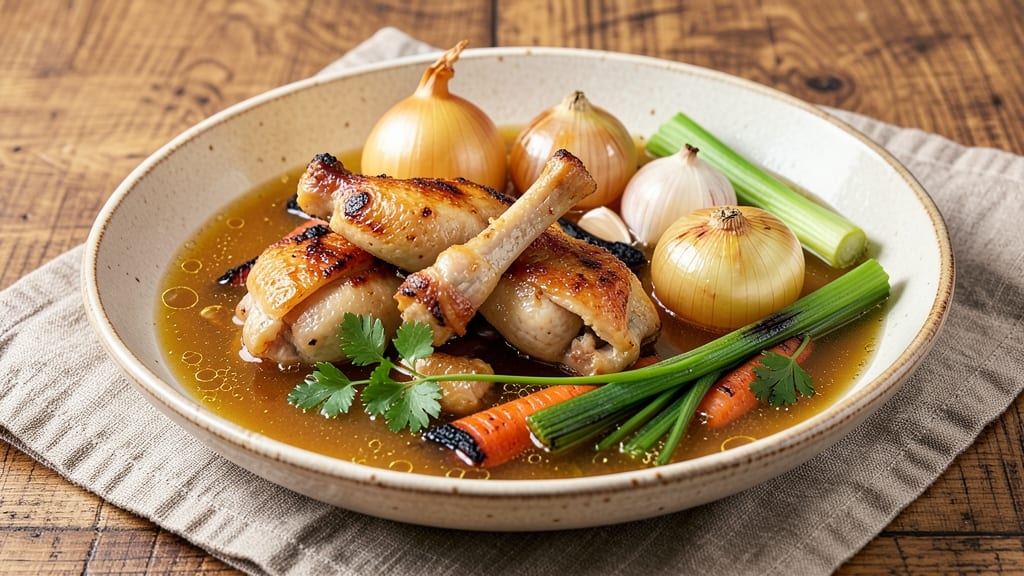
Creating Mrs Brown's chicken bouillon from scratch transforms a simple broth into a deeply flavorful foundation for countless dishes. This isn't just any chicken stock—it's a rich, aromatic elixir built layer by layer through slow simmering and precise seasoning.
Growing up in small-town Georgia, I learned that the secret to great cooking often lies in the basics, and this bouillon is the ultimate proof.
The process begins with high-quality chicken pieces and aromatic vegetables, simmered for hours to extract maximum flavor. What makes this bouillon special is the careful balance of herbs—parsley, thyme, and bay leaf—each contributing its unique depth.
The result is a clear, golden liquid with layers of savory complexity that elevates any dish it touches, from hearty stews to delicate sauces.
This homemade version delivers restaurant-quality richness without the expense or preservatives found in store-bought alternatives. The slow cooking method ensures a clean, flavorful base that's perfect for soups, gravies, or even as a sipping broth. When you taste the difference, you'll never go back to the bottled version.
For those who prefer a vegetarian option, I'll show you how to adapt this recipe using mushrooms and vegetable scraps while maintaining that same herbal depth. The key lies in proper simmering techniques and seasoning balance—both of which I'll walk you through step by step.
Let's create something truly special for your kitchen.
Ingredients for mrs brown's chicken bouillon
High-quality chicken pieces and aromatic vegetables create a deeply flavorful foundation for this homemade bouillon.
| Ingredient | Amount | Notes |
|---|---|---|
| Chicken Neck and Backbone Pieces 🍗 | 2 lb | Organic preferred for richer flavor |
| Yellow Onion 🧅 | 1 whole | Medium size, chopped coarsely |
| Carrots 🥕 | 4 whole | Medium size, roughly chopped |
| Celery Stalks 🌿 | 4 whole | With leaves, chopped |
| Garlic Cloves 🧄 | 6 cloves | Smash slightly for deeper flavor |
| Fresh Parsley Stems 🌿 | 4 whole | Tough stems only, chopped |
| Fresh Thyme Sprigs 🌿 | 4 whole | Stems only, chopped |
| Bay Leaves 🌿 | 2 whole | Dried or fresh |
| Black Peppercorns 🌶️ | 1 tsp | Crushed lightly |
| Kosher Salt 🧂 | 1 ½ tsp | Diamond Crystal preferred |
| Apple Cider Vinegar 🍏 | 1 tbsp | For brightness |
| Cold Water 💧 | 8 cups | Filtered preferred |
The chicken pieces are the heart of this bouillon, so look for organic or free-range at Whole Foods or your local butcher if possible. Chicken necks and backbones add incredible depth—Costco often has them pre-packaged, but the regular grocery store usually carries them too. For vegetables, fresh is best, but frozen carrots and celery work in a pinch. The parsley and thyme stems are just as flavorful as the leaves, so don't waste them. If you can't find fresh thyme, dried works at one-third the amount—just make sure it's labeled culinary, not ornamental.
No apple cider vinegar? Lemon juice or white wine vinegar works just as well. Short on parsley stems? Substitute with 2 celery leaves or a splash of fish sauce for umami depth. The bay leaves are non-negotiable—they add that earthy complexity that separates homemade bouillon from store-bought. For the salt, Diamond Crystal kosher salt dissolves perfectly, but any fine sea salt will do. The peppercorns should be crushed just before adding to release their oils—a mortar and pestle works best, but a heavy pan will do in a pinch.
This bouillon keeps beautifully—5 days in the fridge or 6 months frozen. I like to freeze it in ice cube trays for easy portioning. For the vegetarian version, swap the chicken for mushrooms and vegetable scraps, using the same ratio. The key is simmering time—at least 4 hours for maximum flavor extraction. Strain through a fine-mesh sieve for that crystal-clear, restaurant-quality finish.
Why You'll Love This Recipe
- No-Chop Necessary: I swear by the "dirty mirepoix" trick—just toss in whole onions, carrots, and celery with the chicken necks and backbones. The bones break down into pure, rich flavor without me ever touching a knife. (Yes, even on a Tuesday night.)
- Umami Bomb: That first sip of broth—where the garlic meets the caramelized onion and the chicken necks release their collagen—is chef’s kiss. It’s the kind of depth you’d pay $15 for at a restaurant, but here? It’s your own simmering secret.
- Leftovers That Shine: This isn’t just broth—it’s the base for everything. Freeze half for future soups, pasta, or rice dishes. Or use it to deglaze a pan for gravy. Honestly, I make a double batch just so I don’t have to start from scratch later.
- Budget Magic: Chicken necks and backbones are the unsung heroes of flavorful cooking. For under $5, you get enough broth to feed four people and save money compared to store-bought. Between us, this is how I stretch my grocery budget without sacrificing taste.
Step-by-step instructions for homemade chicken bouillon
This traditional approach delivers restaurant-quality depth with simple kitchen techniques.
Prepare the Base Ingredients for Maximum Flavor Extraction
Begin by thoroughly cleaning the 2 lb chicken neck and backbone pieces under cold water and patting them completely dry with paper towels. This step is crucial—any moisture will dilute your bouillon. Place them in a large stockpot and add the 1 whole yellow onion, 4 whole carrots, and 4 whole celery stalks, all chopped coarsely. The vegetables should be roughly the same size as the chicken pieces to ensure even cooking.
Add the 6 cloves garlic cloves (lightly smashed to release their aroma) along with the 4 whole fresh parsley stems, 4 whole fresh thyme sprigs, 2 whole bay leaves, 1 tsp crushed black peppercorns, and 1.5 tsp kosher salt. The herbs and spices should be distributed evenly around the chicken and vegetables. This aromatic bundle will infuse the broth with layers of herbal complexity that store-bought versions can't match.
Simmer Gently to Extract Rich, Concentrated Flavors
Pour in the 8 cups cold water and bring the mixture to a gentle simmer over medium-low heat. The water should just barely bubble at the edges—this prevents the proteins from clouding the broth. Once simmering, reduce the heat to maintain a barely perceptible bubble and let it cook uncovered for 2 hours. This low-and-slow approach allows collagen from the chicken bones to break down into gelatin, creating a naturally rich, velvety texture.
Here's where patience pays off: resist the urge to stir or skim. The natural impurities will settle to the bottom, leaving you with crystal-clear bouillon. After 2 hours, you'll notice the liquid has reduced slightly and developed a deep golden color. The chicken should be falling off the bones, and the vegetables will be tender but still holding their shape.
Strain and Finish with Acidic Brightness
Remove the stockpot from heat and let it sit for 10 minutes to allow any settled impurities to sink. Line a fine-mesh strainer with cheesecloth or a coffee filter for extra clarity, then carefully strain the broth into a clean bowl. Discard the solids—though they've given everything they've got, they're no longer needed. The strained liquid should be rich, golden, and deeply aromatic with herbal notes.
Return the strained broth to the pot and stir in the 1 tbsp apple cider vinegar. This final step brightens the flavors and balances the richness. Bring the broth to a gentle boil for 2 minutes to sterilize it, then reduce heat to maintain a simmer. Let it cook for an additional 5 minutes to fully incorporate the vinegar's tang. The result should be a vibrant, flavorful liquid with a glossy sheen and complex aroma that hints at all the herbs and spices used.
Cool and Store for Maximum Freshness
Remove the pot from heat and let the bouillon cool to room temperature. Once cooled, transfer it to airtight containers, leaving about ½ inch of headspace at the top to prevent oxidation. The bouillon will continue to develop flavor as it cools, so don't rush this step. For best results, refrigerate for up to 5 days or freeze in ice cube trays for up to 3 months. Each batch yields about 4 servings of deeply flavorful, homemade bouillon that will elevate any dish from simple to extraordinary.
This homemade version delivers a depth of flavor and herbal complexity that's impossible to replicate with commercial products. The gelatinous texture from the collagen gives it a luxurious mouthfeel, while the balanced acidity ensures it doesn't taste flat. Use it as a base for soups, grains, or sauces—your meals will thank you.
Pro Tips For Making Mrs Brown'S Chicken Bouillon
- Brown the Bones First: I learned this the hard way—skipping the browning step means your broth will taste like soup, not bouillon. Sear the chicken necks and backbones in batches over medium-high heat until deeply golden (about 8-10 minutes per side). The Maillard reaction here is non-negotiable for that rich, meaty depth.
- Chop Vegetables Small: Big onion chunks and thick celery stalks won’t break down enough to infuse flavor properly. Dice the onion into ¼-inch pieces, slice carrots into ½-inch rounds, and cut celery into ½-inch chunks. Smaller pieces release more flavor into the broth, and you’ll end up with a smoother, more cohesive taste.
- Simmer, Don’t Boil: After adding water, resist the urge to crank the heat—boiling makes the broth cloudy and bitter. Keep it at a gentle simmer (tiny bubbles, occasional skimming) for 3-4 hours. A slow cooker or Instant Pot on "high pressure" for 60 minutes works too, but don’t skip the straining step afterward.
- Strain Twice: One pass through a fine-mesh strainer leaves behind gritty bits. For crystal-clear bouillon, strain the liquid through a cheesecloth-lined colander first, then through a fine-mesh sieve. It’s extra work, but the result is worth it—no surprises when you pour it into ice cube trays.
Creative variations of these flavors
Herbal-Infused Variations
Swap the classic thyme and parsley for rosemary and tarragon—just 2 sprigs each—to create a bouquet garni with a piney, anise-like depth perfect for French-inspired dishes. I often use this variation for my coq au vin reductions.
For a Southern twist, add 1 sprig fresh sage and ½ tsp smoked paprika—this works beautifully in gumbo or bisque. 🌿
Vegetarian Mushroom Bouillon
Replace the chicken with 1 lb wild mushrooms (shiitake or cremini work best) and 2 cups vegetable scraps (carrot peels, celery ends). Add 1 tbsp soy sauce for umami depth and simmer for 3 hours to extract maximum flavor.
This version keeps all the herbal complexity while delivering a rich, savory base for vegetarian soups and risottos.
Spicy Cajun Adaptation
Kick up the heat by adding 1 bay leaf, 1 tsp Cajun seasoning, and ½ tsp cayenne pepper to the simmering broth. For extra depth, include 1 smoked sausage casing (like andouille) in the initial simmer.
This variation works perfectly as a base for jambalaya or gumbo. I like to use Tony Chachere's Cajun seasoning for that authentic kick.
Citrus-Brightened Version
Finish your bouillon with zest of 1 lemon and 1 orange instead of vinegar for a bright, citrus-forward profile. This works wonderfully in seafood dishes or as a base for poached fish.
The citrus zest adds a refreshing contrast to the rich herbal notes while preventing the broth from tasting flat. 🍊
Smoky BBQ Bouillon
Infuse your bouillon with smoky depth by adding 2 slices smoked bacon (or ½ cup liquid smoke) during the final 30 minutes of simmering. Finish with 1 tbsp molasses for caramelized richness. This version is perfect for pulled pork sandwiches or as a base for smoked brisket gravy.
I often use this when I'm cooking for my farm crew after a long day tending the pigs.
Winter Root Vegetable Boost
For autumn and winter cooking, add 1 small parsnip and 1 small rutabaga, both chopped, to the initial simmer. These root vegetables add natural sweetness that balances the herbal notes beautifully.
Simmer for an extra 15 minutes before straining. This variation works exceptionally well in hearty winter soups or as a base for braised dishes.
Nutrition facts
Frequently asked questions
Why use chicken necks and backbones instead of regular chicken pieces?
Chicken necks and backbones contain more collagen, which breaks down during simmering to create a naturally rich, velvety texture. This gelatinous quality gives your bouillon that restaurant-quality depth you can't find in store-bought versions. Plus, they're more flavorful than breast or thigh meat.
Can I make this bouillon in an Instant Pot or pressure cooker?
Yes! Use the same ingredients but reduce simmering time to 45 minutes on high pressure. After cooking, let the pressure release naturally for 10 minutes before straining. The result will be just as flavorful, though the texture may be slightly less gelatinous than with traditional simmering.
What's the best way to use leftover bouillon?
Freeze it in ice cube trays for easy portioning—just pop out what you need for soups, sauces, or grains. You can also reduce it by half for a concentrated flavor base, or use it to poach proteins like chicken or fish. The possibilities are endless for adding depth to any dish!
Why does my bouillon look cloudy after straining?
Cloudiness usually means proteins didn't fully break down or you skimmed too aggressively. For clearer bouillon, simmer uncovered for 30 extra minutes and strain through cheesecloth. If it's still cloudy, it's still perfectly safe and flavorful—just more rustic!
How can I make this vegetarian without losing flavor?
Use 1 lb mushrooms (shiitake or cremini) plus 2 cups vegetable scraps and add 1 tbsp soy sauce for umami. Simmer for 3 hours instead of 2 to extract maximum flavor. The result will be rich and savory, perfect for vegetarian dishes.