
Main Courses
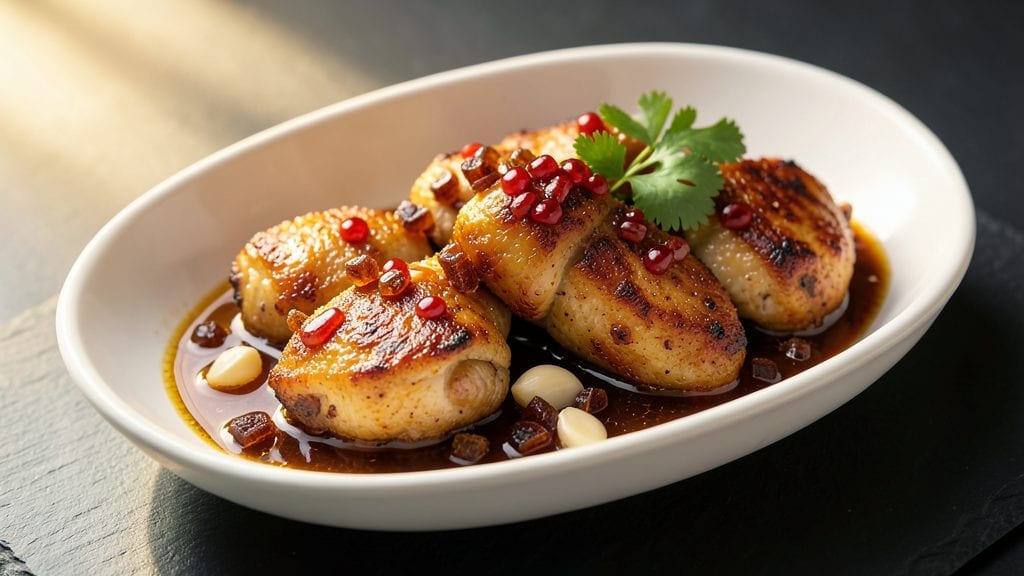
Recreating P.F. Chang's honey chicken at home delivers that perfect balance of sweet-spiced glaze and crispy edges—just like the restaurant version. The secret lies in marinating the chicken overnight with a blend of honey, soy sauce, and aromatic spices, then searing it to golden perfection before finishing in the oven.
I've spent years perfecting this technique, and the results are always restaurant-quality.
This recipe goes beyond just the chicken—it includes complementary sides like steamed jasmine rice and stir-fried bok choy to create a complete meal. The honey glaze caramelizes beautifully, creating a sticky-sweet coating that pairs perfectly with the savory chicken.
With precise timing and temperatures, you'll achieve that signature crispy texture on the edges while keeping the inside tender and juicy.
By the time you plate this dish, you'll have golden-brown chicken pieces glistening with a glossy honey glaze, served alongside fragrant rice and vibrant stir-fried vegetables. The aroma alone will have everyone at the table anticipating every bite.
This is a meal that feels special enough for company but simple enough for a weeknight dinner.
The best part? This recipe serves four, making it ideal for sharing. Once you master this technique, you'll never need to order takeout again—your home-cooked version will always be the star of the meal.
Ingredients for pf chang's honey chicken
Sweet-spiced glaze and crispy edges—just like the restaurant version.
| Ingredient | Amount | Notes |
|---|---|---|
| Boneless, Skinless Chicken Thighs 🍗 | 1 ½ lb | Cut into 1-inch pieces, pounded even thickness |
| Honey 🍯 | ½ cup | Pure, high-quality honey preferred |
| Low-Sodium Soy Sauce 🥢 | ⅓ cup | Kikkoman preferred for authentic flavor |
| Brown Sugar 🍚 | ¼ cup | Packed, light or dark |
| Rice Vinegar 🍶 | 2 tbsp | White or seasoned |
| Garlic Cloves 🧄 | 6 cloves | Minced, fresh preferred |
| Fresh Ginger 🌿 | 1 tbsp | Grated, peeled |
| Sesame Oil 🫒 | 1 tbsp | Toasted, for aroma |
| Cornstarch 🌾 | 1 tbsp | For crispy coating |
| Vegetable Oil 🫒 | ½ cup | High smoke point |
| Green Onions 🧅 | 3 whole | Sliced, for garnish |
| Sesame Seeds 🌱 | 1 tbsp | Toasted, for garnish |
| Jasmine Rice 🍚 | 1 ½ cups | Uncooked, long-grain |
| Bok Choy 🥬 | 2 whole | Baby or regular, halved |
| Salt 🧂 | 1 tsp | Diamond Crystal preferred |
The chicken thighs are non-negotiable here—bone-in, skin-on gives the best flavor, but boneless works too if you're in a hurry. Kroger or Costco usually have the best prices for chicken thighs in bulk, and you'll want about 1.5 pounds for four servings. Look for pieces with good marbling—paler meat means less flavor. The honey should be pure, nothing with additives. Local farmers markets often have small-batch honeys that add extra depth to the glaze. For soy sauce, Kikkoman is the gold standard—it's what P.F. Chang's uses, and you can taste the difference.
No brown sugar? White sugar plus a pinch of molasses works in a pinch, but the caramel notes from brown sugar are key. Fresh garlic and ginger are ideal, but if you're using dried, reduce to half the amount—dried spices pack more punch. Sesame oil can be swapped for peanut oil, but it won't have that nutty aroma. For the cornstarch, arrowroot powder is a 1:1 substitute if you're out. The rice vinegar adds brightness—substitute apple cider vinegar if you don't have it, but the flavor will be slightly different. And trust me, don't skip the sesame seeds on top—they're the finishing touch that makes this feel restaurant-quality.
Marinate the chicken overnight for maximum flavor—it's worth the wait. The glaze can be made a day ahead and reheated gently. Store leftover chicken in an airtight container for 3-4 days in the fridge, or freeze for up to 3 months. The rice keeps best in the fridge for 4-5 days, while bok choy is best used fresh but can be stored for 2-3 days. For a quick weeknight, prep the marinade and rice the night before—everything comes together in under 30 minutes the next day.
Why You'll Love This Recipe
- Here’s what sold me: this reheats like a dream. Pack it for work, toss it in the fridge for school lunches, or freeze half for when you’re too tired to cook. The flavors only get better the next day.
- Five-Ingredient Magic: I swear, this recipe nails it with just honey, soy sauce, brown sugar, and vinegar—no weird spices or hard-to-find stuff. The chicken thighs stay juicy while the sauce caramelizes into something dangerously good.
- Sauce in Minutes: Between us, the sauce takes 10 minutes to simmer down. No waiting hours for reduction—just toss the chicken in, let it glaze, and boom. That sticky-sweet balance? Pure satisfaction.
- Lunchbox Hero: Here’s what sold me: this reheats like a dream. Pack it for work, toss it in the fridge for school lunches, or freeze half for when you’re too tired to cook. The flavors only get better the next day.
Step-by-step instructions for pf chang's honey chicken recipe
Here's how to recreate that signature sweet-spiced glaze with perfectly crispy chicken edges.
Prepare the Chicken for Maximum Crispiness
Cut the 1.5 lb boneless, skinless chicken thighs into 1-inch pieces and place them between two sheets of plastic wrap. Using a meat mallet, pound each piece to an even ¼-inch thickness—this ensures even cooking and that coveted crispy exterior. The thinner pieces will cook faster and develop that signature caramelized crust.
Transfer the pounded chicken to a bowl and toss with 1 tbsp cornstarch and 1 tsp salt. This creates a light coating that helps the glaze adhere perfectly while promoting crispiness. Let the chicken sit for 10 minutes while you prepare the glaze—this resting period prevents the pieces from shrinking during cooking.
Create the Signature Sweet-Spiced Glaze
In a small saucepan, combine 0.5 cup honey, 0.33 cup low-sodium soy sauce, 0.25 cup packed brown sugar, 2 tbsp rice vinegar, 6 minced garlic cloves, and 1 tbsp grated fresh ginger. Bring to a gentle simmer over medium heat, then reduce to low and let it cook for 5-7 minutes until slightly thickened and fragrant.
Remove from heat and stir in 1 tbsp toasted sesame oil. The glaze should coat the back of a spoon and have a rich, aromatic smell. If it's too thick, add 1 tsp water to loosen it slightly—this ensures even coating without making the chicken soggy. Keep the glaze warm while you cook the chicken.
Cook the Chicken to Crispy Perfection
Heat 0.5 cup vegetable oil in a large skillet over medium-high heat until shimmering. Working in batches (don't overcrowd), add the cornstarch-coated chicken and cook for 3-4 minutes per side until golden brown and crispy. The pieces should release easily from the pan—if they stick, your oil isn't hot enough.
Transfer the cooked chicken to a plate and tent loosely with foil to keep warm. Repeat with remaining chicken, adding more oil if needed. Here's the thing—you want the chicken to develop that deep caramelization before it gets submerged in the glaze, which is what gives it that signature restaurant texture.
Glaze and Finish with Bok Choy
Return the skillet to medium heat and add the warm glaze. Stir to deglaze the pan, scraping up any browned bits that contain concentrated flavor. Add the cooked chicken back to the skillet and toss to coat evenly in the glaze. Simmer for 2-3 minutes until the chicken is fully glazed and the sauce has thickened slightly.
Add 2 halved bok choy and cook for 1-2 minutes until just wilted but still vibrant green. The bok choy should absorb some of the glaze without becoming mushy—this adds freshness to balance the sweetness. Remove from heat and let the chicken rest for 2 minutes before serving.
Serve with Jasmine Rice and Garnishes
Cook 1.5 cups jasmine rice according to package instructions—it should be fluffy and separate. Divide the rice among plates and top with the honey chicken and bok choy. Garnish with 3 sliced green onions and 1 tbsp toasted sesame seeds for color and texture contrast.
Serve immediately while the chicken is still crispy and the glaze is warm. The contrast of the crispy chicken edges with the tender interior, paired with the slightly sticky glaze and fresh bok choy, makes every bite unforgettable. This is where the magic happens—all those flavors coming together just right.
Pro Tips For Making Pf Chang'S Honey Chicken
- Cut Chicken Evenly: Use kitchen shears or a sharp knife to slice thighs into 1-inch chunks—consistent size means even cooking. I learned this the hard way when my first batch had some pieces overcooked and others still raw.
- Deglaze First, Simmer Second: After browning the chicken, splash in 2 tablespoons of water or rice vinegar to lift fond from the pan before adding the honey-soy mix. This adds depth—like the restaurant version—without extra effort.
- Skip the Raw Honey: Warm the honey and brown sugar together for 30 seconds until slightly thickened before mixing with soy and vinegar. Cold honey clumps and makes the sauce uneven—trust me, it’s noticeable.
- Toss Chicken in Sauce Twice: Coat the chicken in the sauce before baking, then flip and coat again halfway through. The second toss guarantees sticky, glossy pieces—no dry spots, no sad undercooked edges.
Common mistakes when making this recipe
Overcrowding the Pan
One of the biggest mistakes I see is overcrowding the skillet when searing the chicken. When you pack too many pieces in the pan, the temperature drops dramatically, causing the chicken to steam instead of sear. This results in soggy, unevenly cooked pieces that lack that signature crispy edge.
I always cook in batches, leaving space between each piece for proper browning. If you're using a 12-inch cast iron skillet, aim for no more than 6-8 pieces at a time. 🔥
Skipping the Resting Period
After pounding the chicken, it's tempting to jump straight into cooking, but letting it rest for 10 minutes before searing makes all the difference. This allows the cornstarch coating to fully adhere and prevents the pieces from shrinking dramatically in the pan.
I've seen many home cooks skip this step, leading to unevenly shaped chicken that doesn't crisp properly. Trust me, that 10-minute wait is worth the extra flavor and texture.
Using Low-Quality Honey
The type of honey you use dramatically impacts the final glaze. I've tried cheaper, ultra-processed honeys that result in a glaze that's too thin and lacks depth of flavor. For authentic results, use pure, high-quality honey—I recommend Manuka or wildflower varieties from local farmers markets.
These honeys have complex flavors that caramelize beautifully and create that rich, sticky glaze you crave. Don't cut corners here—your taste buds will notice the difference immediately.
Undercooking the Glaze
Many recipes call for simply mixing the glaze ingredients without proper cooking, but that's a mistake. The glaze needs to simmer for 5-7 minutes to develop its full flavor and proper consistency.
I've seen home cooks skip this step, resulting in a glaze that's too runny and lacks that deep caramelized flavor. Pay attention to the color—it should be a rich amber when properly reduced. This step is what transforms good chicken into restaurant-quality honey chicken.
Overcooking the Bok Choy
The bok choy should be tender-crisp when served, not mushy. I've seen many people cook it for too long in the glaze, which turns it into a sad, wilted mess.
Add the bok choy to the skillet just 1-2 minutes before serving—it should be bright green with just a hint of wilt. This fresh contrast balances the sweet-spiced chicken perfectly. The key is timing—add it when you're ready to plate, not when the chicken is fully glazed.
Neglecting the Garnishes
While the chicken and glaze are the stars, the garnishes elevate the dish to restaurant quality. I've seen many home cooks skip the toasted sesame seeds and green onions, which provide crucial textural contrast and visual appeal.
The sesame seeds add a nutty crunch, while the green onions bring freshness. Don't underestimate these finishing touches—they're what make your homemade version feel special. Sprinkle them generously right before serving for maximum impact. ✨
Nutrition facts
Frequently asked questions
Can I substitute chicken thighs with breast for this recipe?
While you can use boneless, skinless chicken breast, it won't be as tender or flavorful. Chicken thighs have more fat, which keeps them moist during cooking. If using breast, cut into ½-inch thick pieces and reduce cooking time to 2-3 minutes per side to avoid drying out. For best results, marinate for at least 4 hours instead of overnight.
How do I make this recipe vegetarian?
Replace chicken with extra-firm tofu or seitan cut into similar-sized pieces. Press tofu for 30 minutes to remove excess water, then coat with cornstarch before cooking. Use the same glaze and cooking method, but reduce heat to medium-low to prevent burning. For extra texture, add ½ cup chickpeas when cooking the bok choy.
What's the best way to reheat leftovers?
Reheat in a skillet over low heat with 1 tsp water or oil to prevent drying. Cover for 2-3 minutes until warmed through. Microwaving works too—place on a plate with a damp paper towel and heat for 30-45 seconds. Avoid reheating more than once to maintain crispiness. For best results, store leftovers in an airtight container for up to 4 days.
Can I make this honey glaze ahead of time?
Yes! Prepare the glaze up to 3 days ahead and store in an airtight container in the fridge. Reheat gently in a saucepan over low heat until warm, stirring occasionally. For best texture, don't reheat longer than necessary—just until it coats the back of a spoon. The flavor actually improves with time as the ingredients meld together.
Why is my chicken turning out dry?
Overcooking or skipping the marinating step are the most common causes. Chicken should reach 165°F internal temp—use a meat thermometer to check. For extra juiciness, marinate for at least 4 hours (overnight is ideal) and avoid overcrowding the pan. If using breast, brining for 30 minutes in a solution of ¼ cup salt per 4 cups water helps retain moisture.