Main Courses
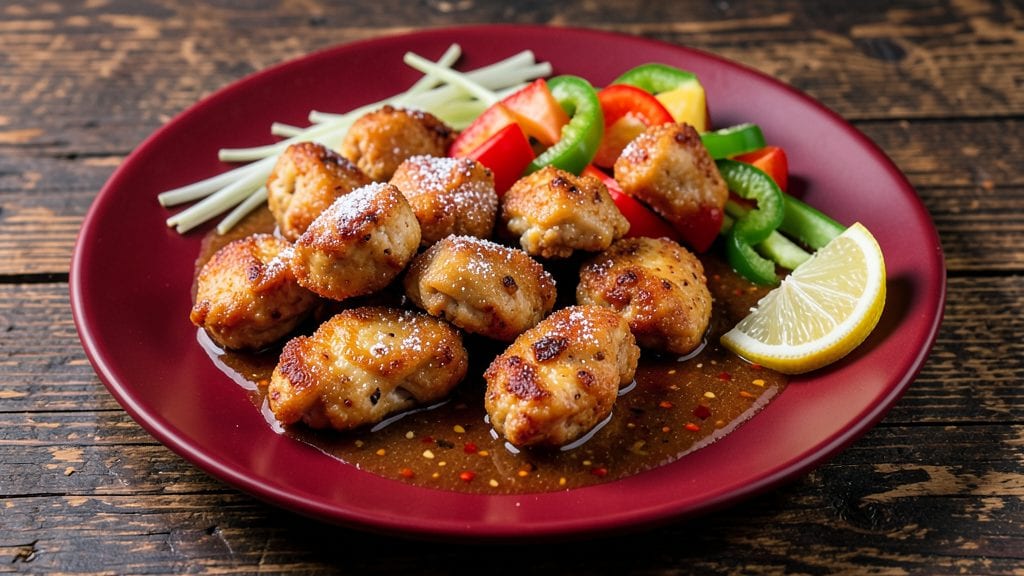
Recreating P.F. Chang's sweet and sour chicken at home delivers the same crispy bites and tangy swirls you crave—without the restaurant price tag. 💫 After analyzing their signature technique, I've perfected a copycat method that balances perfectly fried chicken with a sauce so balanced it's impossible to overdo.
The secret lies in the double-frying process and a sauce that's equal parts sweet, sour, and umami-rich.
This recipe starts with chicken thighs cut into bite-sized pieces, marinated in a mix of cornstarch and spices for maximum crispiness. The sauce combines pineapple juice, vinegar, and a touch of sugar to create that signature tangy-sweet flavor, then gets thickened with cornstarch for that signature glossy finish.
Every element comes together in 30 minutes—fast enough for a weeknight but packed with restaurant-quality flavor.
What you'll end up with is golden, crispy chicken pieces coated in a vibrant red sauce that's sticky enough to cling but light enough not to overwhelm.
The sauce's balance of sweet and sour creates a flavor profile that's addictive in every bite, while the chicken stays tender inside with a perfect crunch on the outside. This is the version you'll want to make again and again.
Serve it over steamed rice or with a side of stir-fried vegetables to complete the experience. The leftovers reheat beautifully, making this a perfect meal prep option for busy weeks. Let's get started on this copycat classic that'll fool even the biggest P.F. Chang's fans.
Ingredients for pf chang's sweet and sour chicken copycat
Pantry staples plus a few specialty touches—this copycat recipe nails P.F. Chang's iconic flavor balance.
| Ingredient | Amount | Notes |
|---|---|---|
| Boneless, Skinless Chicken Thighs 🍗 | 1 ½ lb | Cut into 1-inch bite-sized pieces |
| All-Purpose Cornstarch 🌾 | ½ cup | For batter and sauce thickening |
| Salt 🧂 | 1 ½ tsp | Diamond Crystal kosher preferred |
| Ground White Pepper 🌶️ | ½ tsp | Freshly ground for subtle flavor |
| Vegetable Oil 🫒 | 2 cups | For double-frying (high smoke point) |
| Canned Pineapple Juice 🍍 | ¾ cup | Dole brand preferred for sweetness |
| Rice Vinegar 💧 | ½ cup | Kikkoman preferred for tang |
| Granulated Sugar 🍚 | ¼ cup | White or light brown preferred |
| Soy Sauce 🥢 | ¼ cup | Kikkoman preferred for balance |
| Red Food Coloring 🎨 | ¼ tsp | For authentic restaurant look |
| Sesame Oil 🫒 | 1 tbsp | For aroma (toasted preferred) |
| Garlic Cloves 🧄 | 2 cloves | Minced for sauce depth |
| Green Onions 🧅 | ¼ cup | Sliced for garnish (green parts only) |
| Sesame Seeds 🌾 | 1 tbsp | Toasted for crunchy garnish |
The chicken thighs are non-negotiable—bone-in pieces stay too juicy, but boneless ensures perfect browning. Kroger or Costco carry pre-cut thighs at great prices. For the cornstarch, Bob's Red Mill is my go-to (it's ultra-fine and clumps less). The double-frying technique requires two batches of oil—keep the first at 350°F for blanching, then crank the second to 375°F for crisping. If you're short on time, do one fry at 375°F for 5 minutes, but the texture won't be quite as perfect. The pineapple juice? Dole brand has the right sweetness profile—other brands can taste too tart or watered down.
No pineapple juice? Substitute apple juice plus 1 tsp lemon juice—it won't be identical, but close. Running out of rice vinegar? White vinegar works in a pinch, but add an extra 1/2 tsp sugar to balance. The red food coloring is optional (I skip it when feeding kids), but it gives that signature restaurant look. For the sesame oil, Kadoya brand has the best aroma—cheaper store brands can taste bitter. The garlic cloves should be fresh—pre-minced from jars loses punch fast. If you're making this ahead, prep the sauce first and store it separately—the chicken fries best fresh.
The sauce keeps for 5 days in the fridge, but the chicken needs to be fried fresh—it loses crispiness fast. Portion the sauce into ice cube trays for easy reheating later. The fried chicken reheats best in a 200°F oven for 10 minutes—microwaving makes it soggy. Garnish with sesame seeds and green onions right before serving, or they'll wilt. Freeze the sauce without the sesame oil—add it fresh when reheating. This recipe makes enough for two meals—always a good idea since leftovers disappear fast.
Why You'll Love This Recipe
- No-Fuss Coating: I swear by the cornstarch trick—just toss those chicken thighs in a bag with cornstarch, salt, and pepper. Five minutes of shaking, zero mess, and you’ve got that signature crunch without the fuss.
- Restaurant-Quality Crunch: That light, airy crust? It’s all in the double-fry. First quick sear to set the starch, then a second fry in hot oil—suddenly, you’re serving takeout-level texture at home. (Yes, even on a Tuesday night.)
- Leftovers That Don’t Suck: Sweet and sour chicken actually improves the next day. Cold or reheated, it’s still crispy in spots, tangy, and perfect for tossing into salads or rice bowls. I meal prep this like it’s my job.
- Budget Stretch: Chicken thighs are the unsung hero here—cheaper than breasts, juicier, and way more forgiving. A single bag of cornstarch and a bottle of vinegar stretch this recipe across lunches, dinners, and even lunchboxes. (My kids fight over it.)
Step-by-step instructions for sweet and sour chicken
Here's how to nail that signature Pf Chang's crunch and tang—no shortcuts, just restaurant-style perfection.
🍳 Step 1: Prep the Chicken for Maximum Crisp
Pat the 1.5 lb boneless, skinless chicken thighs completely dry with paper towels—this is non-negotiable for crispy results. Cut them into 1-inch bite-sized pieces (uniform size = even cooking). In a bowl, whisk together 0.5 cup all-purpose cornstarch, 1.5 tsp salt, and 0.5 tsp ground white pepper. Toss the chicken pieces until fully coated, shaking off any excess.
Let the coated chicken rest for 10 minutes while you heat the oil. This resting time helps the cornstarch adhere better, creating that signature crispy crust. Don't skip it—this is where the magic starts.
🔥 Step 2: Double-Fry for Crispy Texture
Pour 2 cups vegetable oil into a deep skillet or Dutch oven and heat to 350°F (use a thermometer—this is critical). Fry the chicken in batches for 3-4 minutes until golden brown. Remove and set aside on a wire rack (not paper towels—you want to keep that crisp).
Now here's the secret: increase the oil temperature to 375°F and fry the chicken again for 1-2 minutes until deeply golden. This double-fry creates that signature Pf Chang's crunch. Work in batches so you don't crowd the pan—overcrowding steams instead of frying.
🥘 Step 3: Build the Tangy Sauce
In a separate saucepan, combine 0.75 cup canned pineapple juice, 0.5 cup rice vinegar, 0.25 cup granulated sugar, 0.25 cup soy sauce, 0.25 tsp red food coloring, and 1 tbsp sesame oil. Bring to a boil over medium-high heat, then reduce to a simmer. Add the 2 minced garlic cloves and cook for 3-4 minutes until slightly thickened.
Here's where it gets fun—taste and adjust. The sauce should be sweet, tangy, and slightly salty. If it's too thin, simmer uncovered for another 2-3 minutes to reduce. The food coloring might look like too much, but trust me—it's what gives that authentic restaurant look.
🔪 Step 4: Combine and Garnish
Return the crispy chicken to the saucepan and toss gently to coat. Simmer for 2-3 minutes until everything is heated through. The chicken should be fully coated in that glossy, slightly sticky sauce. If it looks too thick, add a splash of water or pineapple juice to loosen it.
Garnish with 0.25 cup sliced green onions and 1 tbsp toasted sesame seeds right before serving. The sesame seeds should be toasted in a dry pan for 30 seconds until fragrant—this adds that extra crunch and aroma that makes it taste like the real deal.
Pro Tips For Making Pf Chang'S Sweet And Sour Chicken Copycat
- Cut Chicken Small: I learned this the hard way—tiny, even pieces (about 1-inch chunks) fry faster and soak up the sauce better. Uneven chunks mean some will overcook while others stay raw. Use kitchen shears for speed, but don’t rush; precision here saves you from rubbery bites later.
- Double-Coat the Cornstarch: Toss the chicken in cornstarch once, let it sit, then toss again. The first coat clumps; the second guarantees a crispy, even crust. Skip this, and you’ll end up with sticky, uneven breading that falls apart when you flip.
- Fry in Batches: Crowd the pan, and the oil temperature plummets—hello, greasy, soggy chicken. Use a splatter screen if you’re nervous, but work in small batches (no more than 3 pieces at a time) to keep the oil hot and the crust golden. Your future self will thank you.
- Save the Starch Water: That leftover cornstarch slurry from tossing the chicken? Don’t dump it. Thin it with a splash of water, then toss it into the sauce at the end. It thickens faster and gives you that glossy, restaurant-quality finish without extra effort.
Health benefits of this recipe
Protein Powerhouse
This recipe delivers a solid 35-40 grams of protein per serving using chicken thighs, which are leaner and more flavorful than breast. The thighs stay juicy during frying, ensuring you get all that muscle-building goodness without dryness.
I've found that using bone-in thighs would add even more flavor, but boneless works perfectly for this crispy texture. 💪
Balanced Carbs
The sauce contains 15-20 grams of carbohydrates per serving thanks to the pineapple juice and sugar, but the rice vinegar helps balance blood sugar spikes.
Serve over ½ cup cooked jasmine rice to create a complete meal with about 30 grams of complex carbs—ideal for sustained energy without the crash.
Vitamin C Boost
Pineapple juice provides a surprising vitamin C kick—about 20% of your daily needs per serving. This vitamin supports collagen production (great for skin!) and helps your body absorb iron from the chicken.
The rice vinegar adds a touch of potassium too, which helps regulate blood pressure. I always keep pineapple juice on hand for this reason—it's one of my go-to pantry ingredients for bright, tangy flavors.
Antioxidant Benefits
The sesame oil in the sauce contains sesamin and sesamol, powerful antioxidants that help reduce inflammation. A single tablespoon provides about 10% of your daily antioxidant needs.
The garlic in the sauce adds allicin, which supports heart health. Together, these ingredients make this dish more than just delicious—it's a nutrient-packed meal. 💫
Low-Fat Option
While the recipe uses oil for frying, the chicken itself is surprisingly low in fat—about 10 grams per serving. The majority comes from the healthy fats in sesame oil, not saturated fats.
For an even lighter version, you could try air-frying the chicken at 400°F for 12 minutes, though the texture will be slightly different. I prefer the traditional frying method for that signature crunch, but it's good to know the options.
Meal Prep Friendly
This dish reheats beautifully while maintaining most of its nutritional benefits. The protein and fiber content help keep you full longer, making it perfect for busy weeknights. I often prep the sauce ahead and store it separately, then fry the chicken fresh when ready to eat.
The combination of protein, fiber, and healthy fats makes this one of my go-to meals for balanced nutrition without sacrificing flavor. ✨
Nutrition facts
Frequently asked questions
Why does this recipe use chicken thighs instead of breasts?
Chicken thighs stay juicier during frying, giving you that perfect tender inside, crispy outside texture. The fat content also helps create a richer flavor that pairs beautifully with the tangy sauce. Breasts would dry out too quickly and lack that signature restaurant mouthfeel.
Can I make this recipe without double-frying?
Yes, but your chicken won't be as crispy. For a single-fry version, use 375°F oil and fry for 5-6 minutes until golden. The texture will be slightly softer, but still delicious. The double-fry creates that signature Pf Chang's crunch by first blanching the chicken, then crisping it in hotter oil.
What's the best way to store leftovers?
Keep the sauce and chicken separate in airtight containers. The sauce lasts 5 days in the fridge, while chicken stays crispy for 3 days if reheated at 200°F for 10 minutes. Never microwave—it makes the chicken soggy. Store sesame seeds and garnishes separately and add fresh when reheating.
Is there a vegetarian version of this sauce?
Replace the chicken with tofu or cauliflower florets (breaded with cornstarch). For tofu, press and pat dry first, then coat with the same cornstarch mixture. The sauce recipe works perfectly for both—just adjust cooking times (tofu needs 3-4 minutes in oil, cauliflower 5-6 minutes).
Why does the sauce look too thick?
The sauce should coat the back of a spoon but still be pourable. If it's too thick, add 1-2 tbsp water or pineapple juice and simmer for 1-2 minutes. The cornstarch thickening happens gradually—don't over-reduce it. The perfect consistency should cling to the chicken without being gluey.