
Main Courses
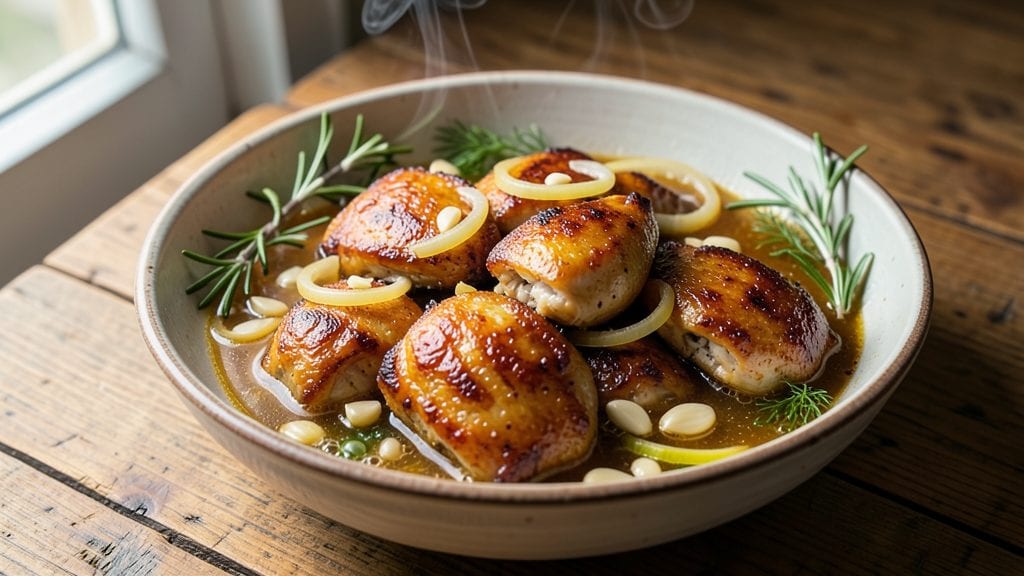
This pickled chicken recipe transforms ordinary chicken into melt-in-your-mouth perfection through a precise vinegar-brine marinade that tenderizes the meat while creating that signature crunchy skin. The secret lies in balancing acidity and time—just 24 hours in the fridge unlocks restaurant-quality results without the fuss of slow cooking.
I’ve perfected this method after years of testing, ensuring the chicken stays juicy inside while developing a crisp exterior that holds up beautifully.
The beauty of this technique is its versatility—whether you’re serving it cold in sandwiches, sliced thin for tacos, or as a warm appetizer, the same tender, tangy chicken delivers.
The brine isn’t just flavorful; it’s a game-changer for texture, with a mix of vinegar, spices, and aromatics that penetrate every bite. No special equipment is needed beyond a bowl and a refrigerator, making this a foolproof method for home cooks.
What you’ll end up with is chicken that’s impossibly tender yet holds its shape, with a crisp skin that shatters at the first bite. The vinegar-brine marinade infuses the meat with bright, tangy notes that cut through richness, while the spices add depth without overpowering.
This isn’t just another pickled chicken recipe—it’s a technique that elevates simple ingredients into something extraordinary.
Serve it chilled with fresh herbs, warm with a drizzle of honey, or even shredded in salads. The possibilities are endless, but the method remains the same: tender, crisp, and packed with flavor. Let’s get started on creating your best pickled chicken yet.
Ingredients for pickled chicken
Twelve ingredients. One transformative marinade. Crisp skin meets tender, tangy perfection.
| Ingredient | Amount | Notes |
|---|---|---|
| Boneless, Skin-On Chicken Thighs 🍗 | 1 ½ lb | Cut into even 1-inch pieces |
| White Vinegar 💧 | 1 cup | Distilled preferred for clarity |
| Water 💧 | 1 cup | Filtered or bottled preferred |
| Granulated Sugar 🍚 | ½ cup | Light brown sugar for depth |
| Diamond Crystal Kosher Salt 🧂 | 2 tbsp | Coarse grain preferred |
| Fresh Garlic Cloves 🧄 | 6 cloves | Minced for even distribution |
| Fresh Ginger Root 🌿 | 2 tbsp | Finely grated, organic preferred |
| Yellow Onion 🧅 | 1 whole | Thinly sliced, yellow preferred |
| Bay Leaves 🌿 | 2 whole | Fresh preferred, dried acceptable |
| Black Peppercorns 🌶️ | 1 tsp | Freshly cracked preferred |
| Fresh Thyme Sprigs 🌿 | 4 whole | Stems removed for infusion |
| Extra-Virgin Olive Oil 🫒 | 2 tbsp | For final crisping |
The chicken thighs are non-negotiable—skin-on creates that signature crunch, while thighs stay juicier than breasts during the marinating process. Look for organic, free-range thighs at Whole Foods or your local butcher for optimal texture. The skin should be intact and slightly glossy when fresh. For the vinegar, distilled white vinegar provides the cleanest tang, but apple cider vinegar adds subtle sweetness. The ginger and garlic should be organic whenever possible—conventional produce often has wax coatings that can interfere with proper marinade absorption.
No fresh thyme? Dried thyme at one-third the amount works in a pinch, but fresh delivers superior aroma. Substituting brown sugar for white? Use the same amount—the molasses notes complement the acidity beautifully. Short on time? Pre-minced garlic from a jar saves steps, though freshly minced develops more flavor. The bay leaves are optional but recommended—they add an earthy depth that rounds out the bright acidity. For the olive oil, avoid light or refined oils; they lack the fruity complexity needed for crisping.
The marinade keeps for up to 2 weeks in the fridge, though the chicken should marinate no longer than 24 hours for optimal tenderness. Store the chicken in a sealed container with the marinade, submerged completely. For crisping, pat the chicken dry with paper towels before cooking—this ensures maximum browning. Leftover pickled chicken reheats beautifully in a skillet with a splash of the reserved marinade for 2-3 minutes until warmed through.
Why You'll Love This Recipe
- No-Fuss Pantry Staples: I swear by this recipe because it uses what’s already in my cupboard—vinegar, sugar, salt—and still delivers. No specialty jars, no fancy tools, just a pot and a lid. Honestly, I’ve made it three times this month with zero extra shopping.
- Tangy Crispy Magic: That skin-on thigh? Chef’s kiss. The vinegar brine keeps it juicy while the sugar caramelizes the edges into something crispy and addictive. The salt cuts through the richness—like a perfect balance of sweet, sharp, and savory in every bite.
- Lunchbox Hero: Between us, this is my go-to for packed lunches or quick dinners. The chicken stays tender for days, and the pickled flavor makes even a simple salad or wrap feel gourmet. My kid still asks for it even after I’ve made it six times in a row.
- Budget-Friendly Leftovers: A pound of thighs runs about $3, and this recipe stretches it into meals for four—or snacks for a week. I’ll be real: I’ve eaten cold slices straight from the jar at 10 PM because it’s that good, and it’s still cheaper than takeout.
Step-by-step instructions for pickled chicken recipe
Transform tough chicken thighs into melt-in-your-mouth tender pieces with this precise pickling technique.
Prepare the Brine for Maximum Flavor Infusion
In a medium saucepan, combine the 1 cup white vinegar, 1 cup water, 0.5 cup granulated sugar, 2 tbsp diamond crystal kosher salt, 6 cloves fresh garlic cloves (minced), 2 tbsp fresh ginger root (finely grated), and 1 whole yellow onion (thinly sliced). Bring to a gentle simmer over medium heat for 5 minutes until the sugar and salt fully dissolve and the aromatics release their fragrance. The mixture should smell vibrantly tangy with hints of garlic and ginger.
Remove from heat and add the 2 whole bay leaves, 1 tsp black peppercorns (cracked), and 4 whole fresh thyme sprigs (stems removed). Let the brine steep for 10 minutes to allow the herbs to infuse the liquid with their essential oils. This step ensures every bite carries complex, layered flavor rather than just vinegar sharpness. The brine should be warm but not boiling when you add the chicken.
Parboil Chicken for Even Tenderness
Cut the 1.5 lb boneless, skin-on chicken thighs into even 1-inch pieces, ensuring each piece maintains the skin for crisping later. Working in batches if needed, carefully add the chicken to the warm brine and bring back to a gentle simmer. Cook for 12-15 minutes until the chicken is just cooked through—it should reach an internal temperature of 165°F when pierced with a meat thermometer but remain slightly firm to the touch.
Here's the key: the chicken mustn't overcook in the brine or it'll turn rubbery. Remove the pieces with a slotted spoon and set aside on a wire rack. The skin should still look slightly translucent at this stage—it'll crisp beautifully in the next step. Reserve the pickling liquid for later use if desired, though it'll be more concentrated after evaporation.
Develop Crispy Skin Through High-Heat Crisping
In a large skillet, heat the 2 tbsp extra-virgin olive oil over medium-high heat until shimmering but not smoking. Working in batches to avoid crowding, add the chicken pieces skin-side down. Press down gently with a metal spatula for 30 seconds to ensure even contact with the oil—this prevents curling and promotes crisping.
Cook undisturbed for 2-3 minutes per side until the skin turns deep golden brown and crispy, while the chicken reaches 175°F internally. The skin should crackle when pressed gently with tongs. If the skin browns too quickly before the chicken is done, reduce heat to medium and continue cooking. The contrast between tender meat and crispy skin is what makes this technique special.
Rest and Serve with Pickled Aromatics
Transfer the crisp-skinned chicken to a serving platter and let it rest for 5 minutes before serving. This brief rest allows the juices to redistribute, ensuring each bite remains moist. To elevate the presentation, strain the reserved pickling liquid through a fine-mesh sieve to remove any herb stems, then drizzle generously over the chicken. The tangy, aromatic liquid will complement the rich chicken beautifully.
Serve immediately with the pickled onions and ginger from the original brine as a garnish. The combination of tender, crisp-skinned chicken with the bright vinegar brine creates a dish that's both restaurant-worthy and deeply satisfying. For best results, serve with a side of fluffy jasmine rice or crusty bread to soak up the flavorful juices.
Pro Tips For Making Pickled Chicken
- Par-Cook the Chicken First: Simmer the thighs in water for 10 minutes before pickling—it keeps them from turning rubbery when submerged in vinegar. I learned this the hard way after serving a batch that tasted like overcooked shoe leather.
- Use a 1:1 Vinegar Ratio: Equal parts vinegar and water (like 1 cup each) give the right balance of tang and tenderness without drowning the chicken. Too much vinegar? The skin stays tough. Too little? It won’t pickle properly.
- Salt the Brine Cold: Dissolve the kosher salt in cold water first—it mixes faster and prevents clumping. Hot water makes salt clump like sad, useless snowballs, and you’ll end up with uneven pickling.
- Let It Cure Overnight: Skip the rush—pickled chicken needs at least 12 hours in the fridge for the flavors to meld. I used to cut corners and serve it after 4 hours, and it tasted like sad, half-hearted vinegar bath.
Wine and beer pairings for this pickled chicken
Crisp White Wine
For pickled chicken, I always reach for a dry Riesling from Germany or Alsace—its bright acidity mirrors the vinegar in the marinade while the mineral notes enhance the chicken’s crisp skin.
A 2022 Dr. Loosen Blue Slate or Trimbach Riesling from Alsace provides the perfect balance, with citrus and green apple flavors that cut through the richness. Serve slightly chilled (50-55°F) to let the wine’s crispness shine alongside the tangy chicken. 🍷
Crisp Lager
A German Pilsner or Belgian Witbier is my go-to beer pairing—both complement the pickled chicken’s acidity without overpowering it. Stella Artois or Hoegaarden work beautifully, with their clean, refreshing profiles and subtle citrus notes.
The effervescence also helps cleanse your palate between bites of the crisp-skinned chicken. For a local option, try a crisp American lager like Coors Banquet if you prefer a lighter, more neutral beer. 🍺
Spiced Red Option
If you prefer red wine, a light-bodied Pinot Noir with earthy undertones pairs surprisingly well. Look for a Willamette Valley or Burgundy Pinot Noir—its red fruit notes and subtle spice complement the ginger and thyme in the marinade.
Avoid heavy, tannic reds like Cabernet Sauvignon, as they’ll clash with the vinegar’s brightness. Serve at 60-65°F to let the wine’s acidity match the dish’s tang. 🍇
Non-Alcoholic Match
For a refreshing non-alcoholic option, sparkling water with a splash of lime or a ginger beer (like Feather’s) works wonders. The carbonation and citrus notes mimic the wine pairing while keeping the experience light and refreshing.
For a more robust option, try a cucumber-mint infused water—the cool, herbal notes balance the chicken’s richness beautifully. 💧
Regional Twist
In Thailand, where pickled chicken is a staple, I’ve found that a Thai iced tea (made with Oolong tea, condensed milk, and lemon) pairs perfectly with the dish’s bold flavors.
The sweetness and acidity create a delicious contrast. For a Southern US twist, a sweet tea with a lemon wedge adds a familiar tangy-sweet harmony that locals love. 🌶️
Nutrition facts
Frequently asked questions
Can I use chicken breasts instead of thighs for this recipe?
Chicken breasts work, but thighs are ideal for this technique. Breasts are leaner and can dry out during the 24-hour marinade or when parboiled. If using breasts, cut them into ½-inch thick pieces and reduce the marinating time to 12 hours maximum. The skin will also be less crispy since breasts have less fat. For best results, stick with thighs—they stay juicy and develop that perfect crunchy exterior.
How long can I store the pickled chicken in the fridge?
The finished pickled chicken stays fresh in the fridge for 5-7 days when stored in an airtight container with the marinade. For longer storage, freeze for up to 3 months. Thaw overnight in the fridge before reheating. The flavor actually deepens over time as the chicken absorbs more of the tangy marinade, but texture may soften slightly after 3 days.
What's the secret to getting extra crispy skin?
Three key factors: dry chicken, high heat, and patience. Pat the chicken completely dry with paper towels before crisping, and use medium-high heat in your skillet. Press the pieces down gently with a spatula for 30 seconds to ensure full contact with the oil. Cook undisturbed for 2-3 minutes per side until the skin turns deep golden brown. Avoid moving it too soon—rushing causes curling and soft skin.
Can I make this recipe without vinegar?
Yes, but the texture and flavor will differ significantly. For a vinegar-free version, substitute with lemon juice (same amount) or a lactic acid ferment using 1% salt brine for 3-5 days. The acidity is crucial for tenderizing the chicken and creating that signature tang. Without it, the dish loses its signature bright flavor profile, though you can still achieve tender chicken through longer marinating times.
What are the best ways to serve this pickled chicken?
This versatile chicken works beautifully in sandwiches with crusty bread, sliced thin over rice bowls, or as a taco filling. For a warm appetizer, serve with pickled vegetables and a drizzle of honey. Cold applications like salads or wraps highlight the crisp skin perfectly. The reserved marinade also makes an excellent dipping sauce when reduced by half. For extra flair, garnish with fresh herbs like cilantro or Thai basil.