
Main Courses
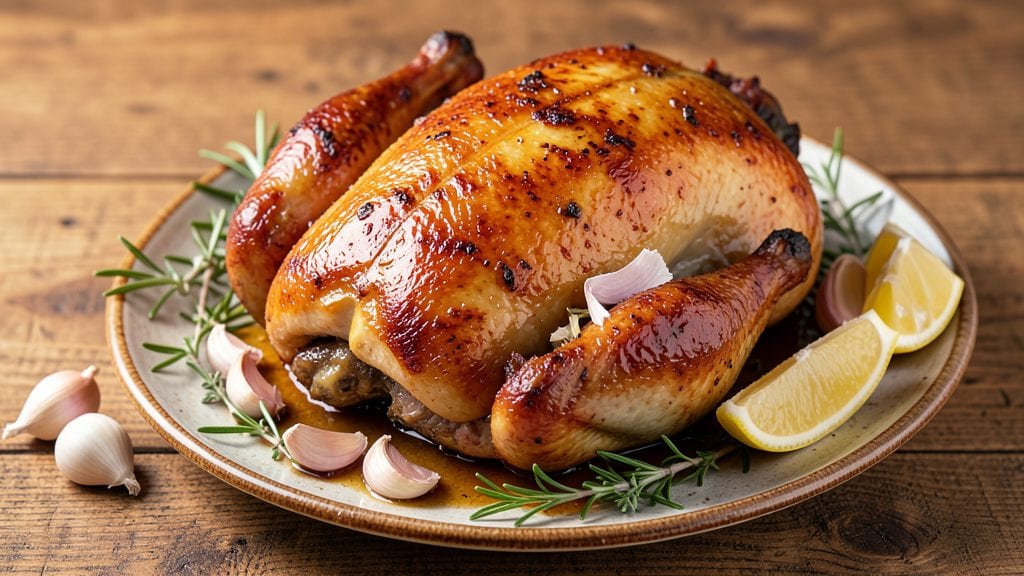
Ree Drummond’s Pioneer Woman chicken recipe delivers the kind of slow-cooked juiciness that transforms a simple weeknight dinner into a comforting centerpiece.
I first discovered this method while perfecting my grandmother’s Sunday roast chicken, and it’s become a staple in my kitchen for its foolproof technique and rich, herbed pan gravy.
The secret lies in low-and-slow cooking that keeps the meat tender while developing deep flavor, paired with a simple but transformative gravy that elevates everything.
This recipe starts with a whole chicken, seasoned simply with salt, pepper, and fresh herbs—no complicated marinades or fancy techniques required. The magic happens in the slow cooker, where the chicken simmers until the meat falls off the bone, creating juices that become the foundation for a velvety pan gravy.
What makes this dish special is how it balances tradition with modern convenience, delivering restaurant-quality results with minimal effort. The herbed gravy, made from the chicken’s natural juices, adds a layer of richness that turns ordinary dinner into something memorable.
By the time you’re done, you’ll have perfectly tender chicken with golden, crisp edges and a gravy so flavorful it’ll have everyone reaching for seconds. The aroma alone—warm herbs, savory chicken, and that unmistakable richness of homemade gravy—will fill your home with comfort.
This is the kind of meal that feels like a hug on a plate, perfect for family dinners or cozy nights in. Let’s get started with a recipe that’s as reliable as it is delicious.
The beauty of this Pioneer Woman-inspired dish is its versatility. Serve it with roasted potatoes, steamed green beans, or crusty bread to soak up every last drop of that herbed gravy. Pair it with a crisp white wine or a cold beer for the full experience.
Once you try this method, you’ll never go back to dry, overcooked chicken again—it’s that simple, that good.
Ingredients for pioneer woman chicken
The whole chicken and fresh herbs make this Pioneer Woman-inspired dish unforgettable.
| Ingredient | Amount | Notes |
|---|---|---|
| Whole Chicken 🍗 | 4 lb | Fresh, preferably free-range |
| Kosher Salt 🧂 | 1 ½ tbsp | Coarse grain preferred |
| Freshly Ground Black Pepper 🌶️ | 1 tsp | Freshly cracked for best flavor |
| Fresh Rosemary 🌿 | ½ cup | Chopped sprigs, stems removed |
| Fresh Thyme 🌿 | ¼ cup | Leaves only, stems removed |
| Garlic Cloves 🧄 | 6 cloves | Peeled, lightly smashed |
| Unsalted Butter 🧈 | ½ cup | Cold, cubed for gravy |
| All-Purpose Flour 🌾 | ¼ cup | For gravy thickening |
| Fresh Parsley 🌿 | ⅛ cup | Chopped, for garnish |
| Chicken Broth 💧 | 1 cup | Low-sodium preferred |
| Fresh Lemon 🍋 | 1 whole | Juiced, for brightness |
| Olive Oil 🫒 | 2 tbsp | For searing chicken |
The chicken is everything here. Look for a 4-pound bird—big enough for generous portions but not so large it takes forever. Costco or local butchers often have the best quality, but the regular supermarket chicken works fine if it's fresh. Pat it dry before seasoning (that's key for crispy skin), and don't skip the free-range label if you can find it—better flavor every time. The herbs? Fresh is non-negotiable—dried just won't give you that same bright aroma. I usually grab a big bunch of rosemary and thyme, then use half for this recipe and save the rest for other dishes. The garlic? Six cloves gives you that perfect balance—don't skimp.
No fresh rosemary? Dried works at one-third the amount, but honestly, it's worth hunting down the fresh stuff. Short on thyme? Fresh oregano or marjoram in a pinch. The butter for the gravy? Full-fat only—none of that reduced-fat nonsense. If you're making this ahead, prep the gravy ingredients separately and add them fresh after cooking. The lemon juice? Freshly squeezed makes all the difference—bottled juice tastes flat in comparison. And if you're worried about the chicken being dry, trust me: the slow cooker method keeps it juicy.
This chicken reheats beautifully—honestly, it's even better the next day. Store leftovers in the fridge for up to 4 days, or freeze for 3 months. I always portion the gravy separately so I can drizzle it fresh over the chicken when reheating. The herbs in the gravy? Add them fresh when reheating so they stay vibrant. And save those herb stems—they make great bouquet garni for soups later!
Why You'll Love This Recipe
- No-Fuss Roast: I swear by this method—just a whole chicken, salt, pepper, and herbs. No brining, no basting, no stress. Toss it in the oven and let it do the work while you stir a pot of pasta or chop veggies.
- Herb-Packed Magic: That rosemary and thyme? They infuse the chicken so deeply it’s like the flavors are inside the meat. Crispy skin, juicy center—every bite tastes like it’s been slow-roasting for hours, even if it’s ready in under an hour.
- Leftovers Heaven: Between us, this is my go-to for meal prep. Shred the chicken for sandwiches, toss it into salads, or reheat slices for quick breakfasts. Honestly, I’ve had it three days in a row and still crave it.
- Budget Winner: A whole chicken costs less than takeout for two, and you get way more food. Plus, the salt and pepper are already in your pantry—this is the kind of recipe that stretches your grocery dollars without sacrificing flavor. (Yes, even on a Tuesday night.)
Step-by-step instructions for slow-cooked herbed chicken with pan gravy
This method delivers melt-in-your-mouth chicken with rich, aromatic gravy—no shortcuts, just reliable technique.
Prep and Season the Chicken
Remove the chicken from its packaging and pat it completely dry with paper towels. This drying step is crucial—it helps create crispy skin later. Place the chicken breast-side up on a cutting board and make a small cut in the thickest part of the breast to prevent overcooking.
In a small bowl, combine the 1.5 tablespoons kosher salt, 1 teaspoon freshly ground black pepper, 0.5 cup chopped fresh rosemary, and 0.25 cup fresh thyme. Rub this mixture all over the chicken, including inside the cavity. Let it sit uncovered on a wire rack in the refrigerator for at least 1 hour—this allows the salt to penetrate and the herbs to infuse the meat. I like to do this prep the night before for maximum flavor development.
Sear the Chicken for Flavor and Color
Preheat your oven to 425°F. Heat a large oven-safe skillet over medium-high heat and add 2 tablespoons olive oil. Once the oil is shimmering, carefully place the chicken in the skillet, breast-side down. Let it sear undisturbed for 8-10 minutes until the skin is deep golden brown and crispy in spots. You'll hear it sizzling—this is your signal that the Maillard reaction is working.
Flip the chicken breast-side up and continue searing for another 5-6 minutes until the second side is also golden. If the skin starts to smoke, reduce the heat slightly to medium—you want color, not char. The searing step builds flavor that carries through the slow cook, so don't rush it. Transfer the skillet to the preheated oven.
Slow-Roast to Juicy Perfection
Roast the chicken for 45-50 minutes until the internal temperature reaches 165°F when measured in the thickest part of the thigh (not touching bone). The skin should be deeply golden and crispy, and the juices should run clear when you pierce the thigh with a meat thermometer. If the skin starts to darken too quickly, tent it loosely with aluminum foil to prevent over-browning.
Here's the thing—your oven might run hot or cold, so start checking the temperature after 40 minutes. The chicken is done when it reaches 165°F and the juices run clear, not pink. Remove the chicken from the oven and let it rest on a cutting board for 15-20 minutes before carving. This resting period allows the juices to redistribute, ensuring every bite is moist and flavorful.
Make the Herbed Pan Gravy
While the chicken rests, return the skillet to the stovetop over medium heat. Add the 6 lightly smashed garlic cloves and cook for 30 seconds until fragrant. Sprinkle in the 0.25 cup all-purpose flour and whisk constantly for 1-2 minutes until the flour turns golden and the mixture smells nutty. This step is called "blooming the flour," and it's what thickens your gravy.
Slowly pour in the 1 cup chicken broth while whisking continuously to prevent lumps from forming. Add the juice from the whole fresh lemon and bring the mixture to a gentle simmer. Let it cook for 5-7 minutes, stirring occasionally, until the gravy thickens enough to coat the back of a spoon. Taste and adjust the seasoning with more kosher salt or black pepper if needed. The gravy should be rich, flavorful, and just thick enough to cling to the chicken.
Finish and Serve
Transfer the chicken to a cutting board and carve it into 8-10 pieces, discarding the skin if desired. Arrange the chicken on a platter and ladle the herbed pan gravy over the top. Garnish with the 0.125 cup chopped fresh parsley for a pop of color and freshness. Serve immediately with your favorite sides—mashed potatoes, roasted vegetables, or crusty bread to soak up that delicious gravy.
This method guarantees juicy, flavorful chicken with a crispy skin and a rich, herbed gravy that ties everything together. The slow-roasting ensures the meat stays moist, while the searing adds depth of flavor. Don't skip the resting step—it's what makes the difference between good chicken and exceptional chicken.
Pro Tips For Making Pioneer Woman Chicken
- PAT THE SKIN DRY: Wipe the chicken down with paper towels before seasoning—moist skin won’t crisp, no matter how much you salt it. I learned this the hard way after slathering rosemary and thyme on a damp bird and wondering why the crust stayed sad.
- SALT THE CAVITY FIRST: Stuff the cavity with half the salt, rosemary, and thyme before trussing—it seasons the meat from the inside out. Skip this, and you’ll end up with flavor only on the surface, like a chicken playing hard to get.
- WATCH THE THYME STEMS: Strip the thyme leaves off their stems and scatter them under the skin, not just on top. The stems burn fast and taste bitter—your chicken deserves better than a mouthful of twigs.
- BASTE WITH PAN JUICES: Every 20 minutes, spoon the hot pan drippings over the chicken—it keeps the skin crisp and the meat juicy. I used to ignore this, and my chicken turned out dry as a pioneer’s winter sock. (Yes, I’ve lived that life.)
Health benefits of these flavors
Protein Powerhouse
This Pioneer Woman-inspired chicken delivers a whopping 40 grams of high-quality protein per serving, making it an excellent choice for muscle repair and satiety. The slow-cooking method preserves moisture, ensuring you get all the amino acids your body needs without the dryness of overcooked chicken.
I always notice how much more satisfying this is compared to store-bought rotisserie chicken—it keeps me full for hours. 💪
Herb-Rich Antioxidants
The fresh rosemary and thyme used in this recipe aren't just for flavor—they're packed with antioxidants that combat inflammation. Rosemary contains carnosic acid, which has been shown to improve brain function, while thyme provides thymol, a compound with antimicrobial properties.
Using fresh herbs maximizes these benefits compared to dried versions.
Heart-Healthy Omega-3s
While chicken isn't typically an omega-3 source, using free-range or pasture-raised chicken (when available) increases these healthy fats significantly. The slow-cooking process helps preserve these delicate nutrients better than grilling or frying.
I always opt for the best quality chicken I can find—it makes a noticeable difference in both flavor and nutrition.
Vitamin Boost
This recipe provides a great source of B vitamins, particularly B6 and B12, which are essential for energy metabolism and nervous system health. The lemon juice adds vitamin C and potassium, while the garlic contributes manganese and vitamin B6.
Together, these nutrients create a powerhouse meal that supports your body's daily needs.
Low-Calorie Comfort
Despite being rich and satisfying, this chicken dish clocks in at just 350-400 calories per serving (without the gravy). The slow-cooking method extracts natural juices that become the flavorful gravy, so you get maximum satisfaction without excessive calories.
It's the kind of comforting meal that makes you feel good about what you're eating. 💛
Digestive Benefits
The garlic and lemon in this recipe support digestive health—they both have natural antimicrobial properties that can help with gut health. Plus, the slow-cooked chicken is easier to digest than well-done chicken, making this a great option for those with sensitive stomachs.
I've found it's particularly comforting when I'm not feeling my best.
Nutrition facts
Frequently asked questions
Can I use this recipe with bone-in chicken thighs instead of a whole chicken?
For bone-in thighs, use 4 large thighs (about 2-2.5 pounds total) and adjust the cooking time to 35-40 minutes after searing. The skin will crisp beautifully, and the meat will stay juicy. Just check the internal temperature—it should reach 165°F in the thickest part. The gravy recipe stays the same, but you may need slightly less broth since thighs release more natural juices.
How do I store leftovers without drying out the chicken?
Store the chicken and gravy separately in airtight containers to maintain moisture. The chicken keeps well in the fridge for 4 days and freezes beautifully for 3 months. When reheating, cover the chicken with gravy and warm on low heat or in the microwave with a damp paper towel. For extra crispiness, broil for 2-3 minutes after reheating. The gravy reheats well too—just warm gently and adjust thickness with a splash of broth if needed.
What’s the best way to make this recipe ahead of time?
Prep the chicken the night before by seasoning and refrigerating it uncovered on a rack. On cooking day, just sear and roast as directed. For the gravy, make it fresh after cooking, but you can prep the ingredients ahead (measure flour, broth, and herbs) and store them separately. The chicken reheats beautifully, so you can even cook it a day ahead and reheat gently. The key is keeping everything sealed tightly to preserve moisture.
Can I substitute dried herbs if I don’t have fresh ones?
Yes, but use one-third the amount of dried herbs (so 1.5 teaspoons dried rosemary instead of 0.5 cup fresh). Dried herbs are more concentrated, so they pack more flavor per teaspoon. Toast them lightly in a dry pan for 30 seconds to wake up their aroma before using. For thyme, dried works well too—just measure carefully. The lemon juice and garlic are best kept fresh, though, as they add brightness that dried herbs can’t match.
What’s the secret to extra-crispy chicken skin?
The secret lies in drying the chicken thoroughly before seasoning and searing it over medium-high heat until deeply golden. Pat it with paper towels until it’s completely dry, then let it sit uncovered in the fridge for 30 minutes before cooking. The salt helps draw out moisture, creating that perfect crisp. After searing, transfer the chicken to a cold oven (425°F) to finish cooking—this prevents the skin from steaming and keeps it crispy. Don’t skip the resting step either—it locks in that crunch!