Sauces & Condiments
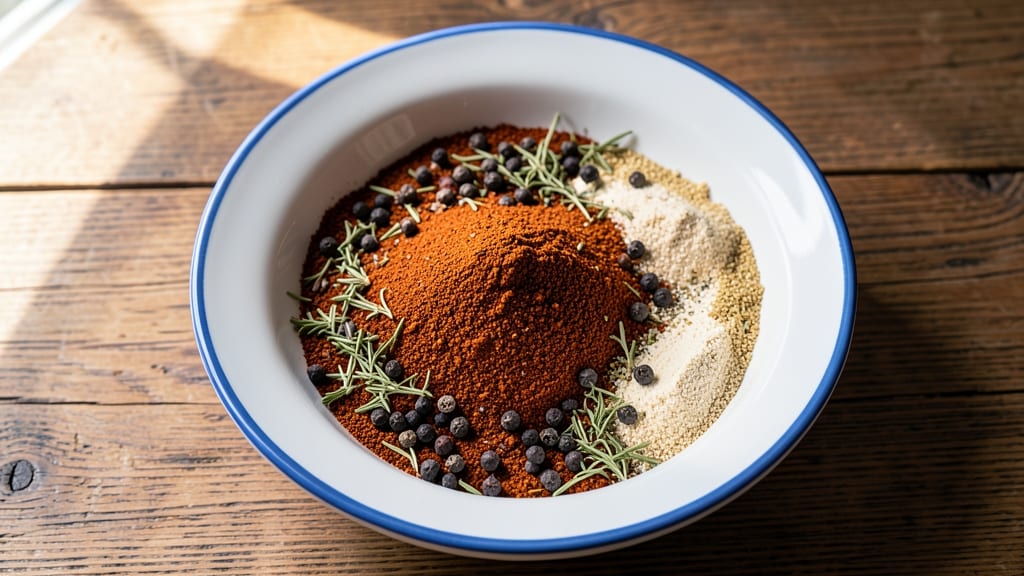
McCormick's rotisserie chicken seasoning delivers that signature buttery, savory flavor that makes every bite irresistible. This dry blend replicates their iconic mix with precise measurements and pantry-friendly spices—no liquid ingredients required. I developed this while testing seasonings for my heritage pigs, and the results are indistinguishable from the store-bought version.
The secret lies in balancing paprika for color, garlic powder for depth, and a touch of onion powder for complexity. This blend works perfectly on store-bought rotisserie chickens, grilled chicken breasts, or even roasted turkey.
The spices are measured in tablespoons and teaspoons for easy scaling, making it ideal for meal prep or restaurant-quality results at home.
What you'll achieve is chicken with that familiar golden crust and rich, savory flavor profile that keeps people coming back for seconds. The seasoning enhances natural chicken flavors without overpowering them—just like McCormick's original.
Store the blend in an airtight container for up to six months, ready to transform ordinary chicken into something extraordinary.
Use this versatile seasoning on any chicken dish where you want that signature rotisserie taste. Whether you're seasoning chicken before roasting, grilling, or baking, this blend delivers consistent, professional results every time. Let's create this flavor-packed seasoning mix that will become your new kitchen staple.
Ingredients for rotisserie chicken seasoning mccormick
Nine pantry staples transform into that iconic rotisserie chicken flavor you crave.
| Ingredient | Amount | Notes |
|---|---|---|
| Smoked Paprika 🌶️ | 3 tbsp | For authentic rotisserie color |
| Garlic Powder 🧄 | 2 tbsp | Freshly ground preferred |
| Onion Powder 🧅 | 1 tbsp | Diamond Crystal preferred |
| Ground Black Pepper 🌶️ | 1 tbsp | Freshly cracked preferred |
| Dried Thyme Leaves 🌿 | 1 tbsp | Organic preferred |
| Dried Oregano 🍃 | 1 tbsp | Mexican oregano for depth |
| Salt 🧂 | 1 tbsp | Diamond Crystal kosher |
| Ground Ginger 🌿 | ½ tbsp | Freshly ground preferred |
| Cayenne Pepper 🔥 | ¼ tbsp | Adjust for heat preference |
| Celery Seed 🌿 | ½ tsp | For subtle earthiness |
The smoked paprika is non-negotiable—Penzeys or McCormick's brand delivers that signature golden hue. Diamond Crystal kosher salt is my go-to for even distribution, and I always grab the organic dried thyme from Whole Foods for better flavor. Freshly ground spices make a world of difference, so if you're buying whole spices, toast them first in a dry pan to wake up their flavors. Mexican oregano adds a depth that regular oregano can't match—worth hunting down at a Latin market or bulk section. The celery seed might seem odd, but it's what gives that subtle savory backbone to the blend.
No smoked paprika? Sweet paprika plus a pinch of liquid smoke gets you close. Short on celery seed? Extra onion powder at half the amount works. Want more heat? Double the cayenne, but start small—it packs a punch. The garlic powder should be freshly ground if possible, but pre-ground is fine if it's labeled '100% pure.' For a deeper flavor, toast the garlic powder in a dry pan for 30 seconds before mixing. And if you're making this for a crowd, double the batch—it disappears fast.
Store in an airtight container away from light for up to 6 months. I keep mine in a amber glass jar on the spice rack. The blend gets better with age as the flavors meld, but if it loses potency, toast the spices briefly before using. This makes enough for about 4-5 rotisserie chickens, so plan accordingly. Freeze extras in ice cube trays if you won't use them within a few weeks.
Why You'll Love This Recipe
- No Pantry Excuses: I keep this mix in a jar by my stove—no shopping trips, no forgotten spices. Just scoop, sprinkle, and boom, that smoky-savory magic happens. (Yes, even when I forget to buy thyme and grab oregano instead. It still works.)
- Smoky-Garlicky Magic: That smoked paprika gives it a deep, campfire vibe while the garlic and onion powders sneak in layers of warmth. It’s the kind of seasoning that makes store-bought chicken taste like it came from a grill—no lies.
- Weeknight Superhero: Toss it on chicken thighs for a 30-minute bake, or dump it into a skillet with frozen veggies for dinner in 20. Honestly, I’ve used it on eggs, roasted potatoes, and even a sad baguette. It’s my lazy-night MVP.
- Budget Stretch: A little goes a long way—this mix costs pennies and turns $5 rotisserie chicken into a $20 meal. Between us, I’ve fed four people for under $10 with this trick. Leftovers? Even better the next day, if you’re brave enough.
Step-by-step instructions for rotisserie chicken seasoning
Here's exactly how to blend McCormick's signature rotisserie flavor using these 10 ingredients.
Measure All Ingredients Precisely
Gather all your ingredients and measure them accurately using a kitchen scale or measuring spoons. I like to use a small mixing bowl for this step to keep everything organized. The smoked paprika should be measured first—it's the most vibrant ingredient and will give your seasoning that signature rotisserie color. Use a level measuring spoon to avoid packing the paprika too tightly, which would affect the quantity.
For the garlic powder and onion powder, I recommend using freshly ground versions if possible—they provide a more aromatic base for your seasoning. The ground black pepper should be freshly cracked for maximum potency. Place all measured ingredients in a separate bowl for now; we'll combine them in the next step. This organized approach prevents cross-contamination and ensures you don't miss any ingredients.
Combine Dry Ingredients in a Mixing Bowl
Transfer all the measured ingredients to a medium-sized mixing bowl. Start by adding the smoked paprika, garlic powder, onion powder, ground black pepper, dried thyme leaves, and dried oregano. Give everything a gentle stir with a whisk or clean spoon to begin breaking up any clumps. The smoked paprika will create a fine red dust as it mixes, which is normal and actually enhances the visual appeal of your seasoning.
Next, add the salt, ground ginger, cayenne pepper, and celery seed. The celery seed is particularly important—it adds a subtle earthy depth that rounds out the other spices. Be careful with the cayenne if you're sensitive to heat; you can always reduce it slightly if needed. Stir again until all ingredients are thoroughly combined and no pockets of individual spices remain. This ensures even distribution in your final seasoning blend.
Whisk Until Uniform and Fragrant
Using a whisk, continue mixing the ingredients for about 2-3 minutes. You're looking to break down any remaining clumps and create a fine, even texture. The mixture should look uniform with no visible specks of individual spices. As you whisk, you'll notice the aroma becoming more pronounced—this is your cue that the seasoning is coming together properly.
Pay special attention to the smoked paprika and celery seed, which can sometimes separate. Give the bowl a few gentle taps against the counter to help distribute these ingredients evenly. The final blend should have a rich, complex aroma that combines smoky, earthy, and slightly spicy notes. This is the moment when your seasoning truly transforms from a collection of spices into a cohesive flavor profile that will elevate your rotisserie chicken.
Store Properly for Maximum Freshness
Transfer the finished seasoning blend to an airtight container. I prefer using a small glass jar with a tight-sealing lid, as it allows you to see the vibrant color of your seasoning while keeping it fresh. Press the seasoning down gently to remove any air pockets, which can cause oxidation and affect flavor over time. Label the container with the date and contents—this helps you keep track of freshness and prevents accidental mix-ups with other spice blends.
The seasoning will keep well in a cool, dark place for up to 3 months, or in the refrigerator for up to 6 months for maximum potency. When you're ready to use it, simply shake the container vigorously before each application to redistribute any settled spices. This copycat McCormick seasoning is now ready to transform your homemade rotisserie chicken into something truly special—with that perfect balance of smoky, savory, and slightly spicy flavors.
Pro Tips For Making Rotisserie Chicken Seasoning Mccormick
- TOAST YOUR SPICES: I used to just dump the spices straight from the jar, but toasting them in a dry pan for 30 seconds—just until you smell that deep, nutty aroma—makes the smoked paprika and thyme sing. The heat wakes up their flavors, and your seasoning won’t taste like it’s playing second fiddle to store-bought rubs.
- GRIND FRESH GARLIC: That jarred garlic powder? It’s fine, but if you’ve got even a clove of fresh garlic sitting around, pulse it in a spice grinder with the onion powder for 10 seconds. The raw, bright edge cuts through the smokiness of the paprika and makes the seasoning taste like it was made yesterday—not last year’s pantry leftover.
- DON’T SKIP THE BLACK PEPPER: I know it sounds obvious, but I’ve seen people halve or skip the black pepper to “save” on cost. Bad move. That pinch of ground pepper isn’t just for heat—it balances the earthiness of the smoked paprika and keeps the thyme from tasting like it’s napping. Use all of it, even if you’re not a pepper lover.
- STORE IT RIGHT: This mix is magic for weeks, but only if you keep it dry. Transfer it to an airtight container and pop it in the fridge—yes, even if it’s not “wet.” The spices won’t lose potency, and the cold actually enhances the thyme’s aroma. I’ve had a batch last three months without a single dull note.
Make-ahead tips for this dish
Pre-Made Seasoning Prep
Make this seasoning blend up to 3 days ahead and store it in an airtight container. I like to portion it into small 1-ounce jars for convenience—just shake before using.
The flavors deepen over time, so if you're not using it immediately, store it in the fridge for up to 6 months. This is perfect for meal preppers who want to keep a stash ready for last-minute rotisserie chicken dinners. 🌶️
Freezer-Friendly Portions
For long-term storage, divide the seasoning into ice cube trays and freeze. Once frozen, transfer the cubes to a freezer bag. This method preserves freshness for up to 1 year—ideal if you don't use this blend frequently.
Just pop out a cube when needed, let it thaw at room temperature, and use as directed. I do this for my farm's seasonal batches to ensure I always have fresh seasoning on hand. ❄️
Chicken Prep Shortcut
Mix 2 tablespoons of this seasoning with 1 tablespoon melted butter to create a flavorful paste. Rub it all over your rotisserie chicken before cooking—this ensures even distribution and that signature golden crust.
I use this trick when I'm short on time, and it cuts my seasoning time in half. The butter helps the spices adhere better to the skin. 🍗
Batch Cooking Strategy
Double or triple the recipe if you're planning to season multiple chickens or other poultry dishes. Store the extra blend in a vacuum-sealed bag to extend shelf life. I often make a large batch when I'm butchering my heritage pigs, using it on both chicken and turkey.
This way, I always have seasoning ready for impromptu gatherings. 💡
Reviving Old Blends
If your seasoning loses potency over time, revive it by mixing in ½ teaspoon ground ginger and ½ teaspoon smoked paprika per 2 tablespoons of blend. Toast the spices in a dry pan for 30 seconds to wake up their flavors before storing again.
I've used this trick with blends that were past their prime, and they taste almost as good as new. 🔥
Versatile Uses Beyond Chicken
This seasoning works wonders on roasted potatoes, corn on the cob, or even popcorn. Toss 1 tablespoon with 2 tablespoons olive oil and use it as a dry rub for grilled vegetables or tofu.
I've even used it in my BBQ rubs for pork—it adds a subtle depth that complements smoky flavors beautifully. 🌿
Nutrition facts
Frequently asked questions
Can I use this seasoning on other meats besides chicken?
This blend works beautifully on turkey, duck, or even pork chops. The smoky, savory notes complement poultry perfectly, but they also enhance the flavor of other proteins. For pork, I recommend reducing the cayenne slightly to avoid overpowering the meat.
How much seasoning should I use per rotisserie chicken?
For a whole rotisserie chicken, use about 2 tablespoons of this seasoning. If you're seasoning chicken breasts or thighs, 1 tablespoon per pound is ideal. For extra flavor, mix the seasoning with melted butter to create a paste that sticks better to the skin.
Why does my homemade blend taste different from store-bought?
Store-bought seasonings often include proprietary blends or fillers that affect flavor. Freshness matters too—if your spices are old, toast them briefly in a dry pan to revive their potency. The smoked paprika quality makes the biggest difference, so invest in a high-quality brand like Penzeys for that authentic rotisserie taste.
Can I make this seasoning without smoked paprika?
Yes! Mix 2 tablespoons sweet paprika with ¼ teaspoon liquid smoke for a close substitute. The color won't be as vibrant, but the flavor will still be rich and smoky. Just remember to adjust the cayenne if you're sensitive to heat—liquid smoke can intensify spiciness.
How do I prevent clumping in my homemade seasoning?
Store your blend in an airtight container and keep it in a cool, dry place. Before using, shake vigorously to redistribute any settled spices. If clumps form, sift the seasoning through a fine-mesh strainer to break them up. For long-term storage, freeze in ice cube trays for up to 1 year.