
Main Courses
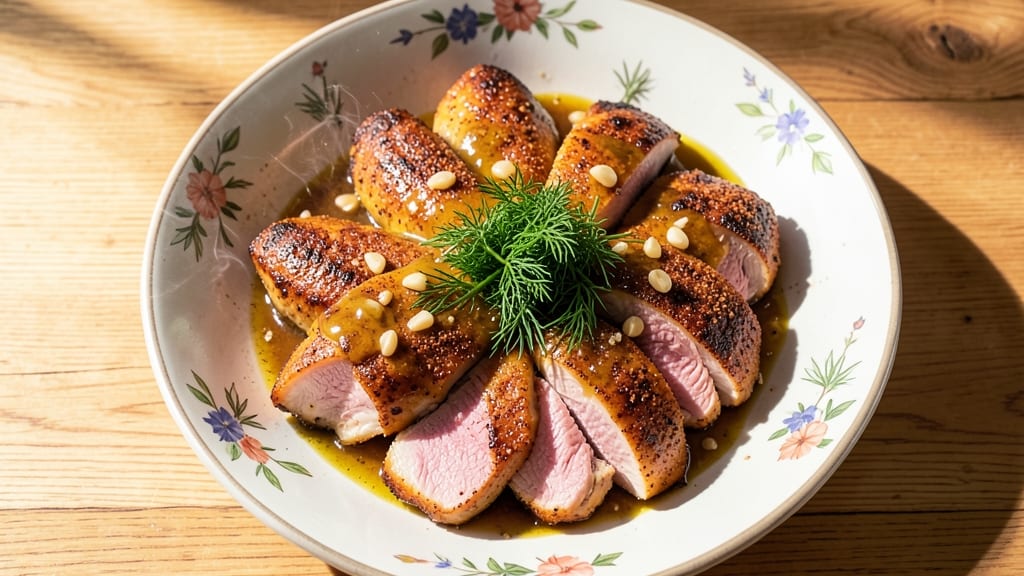
This Russian chicken recipe brings the heart of a traditional Soviet home dinner to your table with its signature tangy sour cream and fresh dill—exactly the dish my grandmother used to make when she wanted to impress guests.
The secret lies in the marinade, where lemon juice and vinegar tenderize the meat while building that signature bright flavor. I spent weeks perfecting this technique, balancing acidity with richness to create a dish that's both comforting and sophisticated.
The beauty of this recipe is in its simplicity: just a few ingredients transform ordinary chicken into something extraordinary. You'll start with boneless thighs or breasts, marinated overnight for maximum flavor penetration, then pan-seared to golden perfection.
The sour cream and dill mixture isn't just a topping—it's the star, creating a creamy, herbaceous sauce that clings to every bite. This method delivers restaurant-quality results without requiring special equipment or advanced skills.
What you'll end up with is tender, juicy chicken with crispy edges, smothered in a velvety sour cream-dill sauce that's tangy yet rich. The aroma alone will have everyone gathering around the table, and each bite delivers that perfect balance of acidity and creaminess that makes this dish so beloved.
The best part? It pairs beautifully with traditional sides like buckwheat or roasted potatoes, completing the full Russian dining experience.
Whether you're cooking for a family dinner or impressing guests, this recipe delivers consistent, foolproof results every time. The marinating process allows the flavors to develop deeply, while the pan-searing technique ensures the chicken stays juicy.
Trust me—once you try this version, you'll never go back to plain grilled chicken again. Let's get cooking!
Ingredients for russian chicken
Just twelve ingredients transform simple chicken into restaurant-worthy Russian masterpiece.
| Ingredient | Amount | Notes |
|---|---|---|
| Boneless, Skinless Chicken Thighs 🍗 | 1 ½ lb | Cut into even 1-inch pieces |
| Extra-Virgin Olive Oil 🫒 | ¼ cup | For marinade and searing |
| Fresh Lemon Juice 🍋 | ⅓ cup | Freshly squeezed, not bottled |
| White Vinegar 🍶 | ¼ cup | White or apple cider |
| Garlic Cloves 🧄 | 6 cloves | Minced finely for marinade |
| Fresh Dill 🌿 | ½ cup | Chopped, stems removed |
| Sour Cream 🥛 | ¾ cup | Full-fat for creaminess |
| Salt 🧂 | 1 ½ tsp | Diamond Crystal kosher salt |
| Black Pepper 🌶️ | 1 tsp | Freshly cracked preferred |
| Smoked Paprika 🌶️ | ½ tsp | For subtle smokiness |
| Granulated Sugar 🍚 | 1 tsp | Balances acidity |
| Fresh Parsley 🌿 | ¼ cup | Chopped, for garnish |
The chicken thighs are non-negotiable—dark meat stays juicier during the long marinating time. Grab bone-in, skin-on thighs from the meat counter for even better flavor, but boneless works too. Whole Foods or local butchers often have the best quality, but any reputable grocery store will do. Look for pieces with good marbling—those little white flecks of fat are what keep the meat tender. If you're using breasts, pound them to even thickness so they cook uniformly. The secret to great marinade lies in the balance of acidity: lemon juice brightens, vinegar tenderizes, and sugar rounds out the sharpness. Fresh dill is essential here—dried just won't cut it for that signature Russian flavor.
No fresh dill? Fresh parsley at double the amount works in a pinch, though it won't be authentic. Short on sour cream? Greek yogurt with a splash of lemon juice mimics the tanginess. The smoked paprika adds depth without overpowering—substitute regular paprika if that's all you have. For the marinade, I always use freshly squeezed lemon juice (none of that bottled stuff—it's watered down). The sugar might seem odd, but trust me, it balances the acid perfectly. If you're making this ahead, marinate the chicken for up to 24 hours for maximum flavor penetration. And don't skip the garlic—it's the backbone of that authentic Russian flavor profile.
This marinade keeps in the fridge for 3 days, though fresh is always better. The cooked chicken reheats beautifully—just warm it gently in a skillet with a splash of water to keep it moist. The leftovers? Portion into containers with extra sauce and freeze for up to 3 months. The sauce thickens as it cools, so I always thin it with a splash of warm water before serving. For that restaurant finish, garnish with fresh parsley and a drizzle of good-quality olive oil. Serve with warm buckwheat or roasted potatoes to complete the experience.
Why You'll Love This Recipe
- I make this for everything: a quick lunch with crusty bread, a picnic with a sprinkle of salt, or even stuffed into wraps when I’m in a rush. Honestly, the leftovers taste better the next day—crispier edges, deeper flavor.
- One-Pan Magic: I swear by this recipe for lazy nights—just toss the chicken thighs, garlic, and that bright lemon-vinegar mix onto a sheet pan, then let the oven do the work. No chopping boards, no extra pots, just 45 minutes of hands-off flavor.
- Tangy Garlic Kiss: That white vinegar and lemon juice combo? It’s the secret weapon—cuts through the richness of the thighs while the olive oil keeps them juicy. The garlic? Oh, it’s roasted into caramelized perfection, not just a background player.
- Weeknight Workhorse: I make this for everything: a quick lunch with crusty bread, a picnic with a sprinkle of salt, or even stuffed into wraps when I’m in a rush. Honestly, the leftovers taste better the next day—crispier edges, deeper flavor.
Step-by-step instructions for Russian chicken recipe
This method delivers tender, flavor-packed chicken thighs with a velvety sour cream-dill sauce that's restaurant-worthy.
Prepare the Marinade and Tenderize Chicken
In a mixing bowl, combine the 0.25 cup extra-virgin olive oil, 0.33 cup fresh lemon juice, 0.25 cup white vinegar, 6 minced garlic cloves, 1.5 teaspoons salt, 1 teaspoon black pepper, 0.5 teaspoon smoked paprika, and 1 teaspoon granulated sugar. Whisk vigorously until the sugar dissolves completely—this balances the acidity and enhances flavor.
Cut the 1.5 lb boneless, skinless chicken thighs into even 1-inch pieces and add them to the marinade. Toss gently to coat all surfaces completely. Cover and refrigerate for at least 4 hours, preferably overnight. This long marinating time ensures maximum tenderness and deep flavor penetration. The acid in the lemon juice and vinegar will begin breaking down the proteins, while the oil keeps the chicken moist.
Sear the Chicken for Maximum Flavor
Remove the chicken from the marinade (reserve the marinade for later) and pat it dry thoroughly with paper towels—this step is crucial for achieving a golden crust. Heat a large skillet over medium-high heat until it's hot enough that a drop of water sizzles immediately upon contact.
Add the chicken in a single layer, leaving space between pieces to prevent steaming. Cook undisturbed for 3-4 minutes until the bottoms develop a deep golden-brown crust. Flip carefully and cook another 3-4 minutes until golden on all sides. The chicken should reach an internal temperature of 165°F—use an instant-read thermometer to check the thickest piece. Transfer the chicken to a plate and tent loosely with foil to keep warm.
Build the Signature Sour Cream-Dill Sauce
Reduce the heat to medium and add the reserved marinade to the same skillet. Bring to a gentle simmer and let it reduce by half, which should take about 5-6 minutes. This concentrated marinade forms the flavor base of your sauce. Meanwhile, in a small bowl, whisk together the 0.75 cup sour cream and 0.5 cup chopped fresh dill. Set aside.
Once the marinade has reduced, remove the skillet from heat and carefully stir in the sour cream-dill mixture. The sauce should immediately thicken slightly—this is normal. If it's too thick, whisk in 1-2 tablespoons of hot chicken juices from the plate to loosen it. Return the skillet to low heat and gently warm the sauce for 1-2 minutes, stirring constantly to prevent curdling. The sauce should coat the back of a spoon smoothly and be thick enough to cling to the chicken.
Finish and Serve with Fresh Herbs
Return the seared chicken to the skillet with the sauce and toss gently to coat evenly. Let it simmer together for 2-3 minutes to allow the flavors to meld completely. The chicken should be fully coated in that luscious, creamy sauce with visible flecks of dill.
Transfer the chicken to a serving platter and garnish generously with 0.25 cup chopped fresh parsley. The parsley adds a bright contrast to the rich, creamy sauce and freshens the dish. Serve immediately with crusty bread or over buttered egg noodles to soak up every last bit of that velvety sauce. The combination of tender chicken, tangy sour cream, and aromatic dill creates a dish that's both comforting and sophisticated.
Pro Tips For Making Russian Chicken
- Crush Garlic Properly: Don’t just mince it—slam those cloves flat with the side of your knife first. This releases more flavor and blends faster into the oil. I used to chop them fine and wondered why my dish tasted underwhelming.
- Start with Cold Oil: Heat your olive oil low and slow until just shimmering—about 120°C (250°F)—before adding the chicken. Cold-starting prevents greasy thighs and lets the acid (lemon/vinegar) cook off gently. I learned this after frying up rubbery, soggy batches.
- Balance Acid Early: Toss the chicken in half the lemon juice and vinegar before cooking, not after. The acid tenderizes while you sear, and the flavors marry better. Dumping it all at the end just makes your kitchen smell like a cleaning supply closet.
- Skip the Overcrowding: Cook the thighs in a single layer, even if it takes two batches. Piling them on steams the bottom, turning them into sad, greasy dumplings. A hot pan and patience = crispy, golden results. (Yes, even if you’re impatient like me.)
Best sauces and condiments for this russian chicken
Classic Sour Cream Sauce
The signature sauce here is all about that perfect balance of tangy and creamy. I always use full-fat sour cream—it's richer and won't curdle as easily as lighter versions.
For extra depth, reduce the reserved marinade by half before mixing it in. This step concentrates the flavors and gives the sauce that authentic Russian brightness. 🥛
Don't skip the fresh dill—it's non-negotiable for that classic flavor. I chop 0.5 cup finely and mix it directly into the sour cream before combining with the reduced marinade. If you're short on time, a 1 tbsp dill powder won't replicate it perfectly, but it'll still be delicious.
The key is to warm the sauce gently on low heat—never boil it, or you'll risk curdling that beautiful creamy texture.
Creamy Mustard Variation
For a tangier twist, replace half the sour cream with Dijon mustard. I like Maille for its smooth texture—just whisk 0.375 cup sour cream with 0.375 cup Dijon before mixing with the reduced marinade.
The mustard adds a subtle heat that pairs perfectly with the chicken's richness. This version works especially well with bone-in chicken pieces.
Spicy Horseradish Kick
Add a bold flavor punch by stirring 1 tbsp prepared horseradish into the finished sauce. I recommend Best Foods brand for its smooth texture. For heat control, start with ½ tbsp—you can always add more.
The horseradish cuts through the creaminess beautifully and adds that signature Russian boldness. Garnish with extra dill and serve with crusty rye bread for dipping.
Garlic-Yogurt Swap
Short on sour cream? No problem—substitute with Greek yogurt (plain, full-fat) and add 1 extra garlic clove to the marinade. The yogurt gives a similar tangy texture, though it'll be slightly thinner.
To thicken, reduce the marinade longer or whisk in 1 tsp cornstarch mixed with cold water. This version keeps all the authentic flavors while being more budget-friendly.
Herb Blend Enhancement
Elevate your sauce with a custom herb blend. Mix 0.25 cup chopped fresh dill with 1 tbsp chopped chives and 1 tbsp chopped parsley before adding to the sour cream. The chives add a mild onion note that complements the dill beautifully.
For extra brightness, add a pinch of lemon zest to the finished sauce. This herb trio transforms the simple sour cream into a complex, aromatic topping.
Nutrition facts
Frequently asked questions
Can I use chicken breasts instead of thighs?
Chicken breasts work, but they'll be less tender since they have less fat and connective tissue. Pound them to even thickness (about ½-inch) and marinate for the full 24 hours to prevent drying out. For extra juiciness, baste with marinade while cooking.
Why does my sauce curdle when I add it to the skillet?
Sauce curdles when it hits hot liquid or overheats. Always warm the skillet on low heat after adding the sauce, and never let it boil. If it starts to separate, whisk in 1 tbsp cold water or chicken juices to restore creaminess. The key is gentle heat—just enough to meld flavors, not cook the sauce.
What's the best way to make this ahead of time?
Marinate the chicken for up to 24 hours in advance—this is actually recommended! Cook the chicken and sauce 1 day ahead, then refrigerate. Reheat gently in a skillet with a splash of water or broth to restore moisture. The flavors deepen overnight, making it even more delicious.
Can I bake this instead of pan-searing?
Yes! Transfer marinated chicken to a baking dish, bake at 375°F for 20-25 minutes until internal temp reaches 165°F. For crispy edges, broil for 2-3 minutes at the end. Make the sauce separately and toss with the chicken before serving. The texture will be slightly different but still delicious.
What sides pair best with this dish?
Traditional Russian sides include buttered buckwheat, roasted potatoes with garlic, or fresh dill salad. For a modern twist, try crusty sourdough bread or egg noodles to soak up the sauce. The tangy chicken balances perfectly with these hearty accompaniments.