
Appetizers
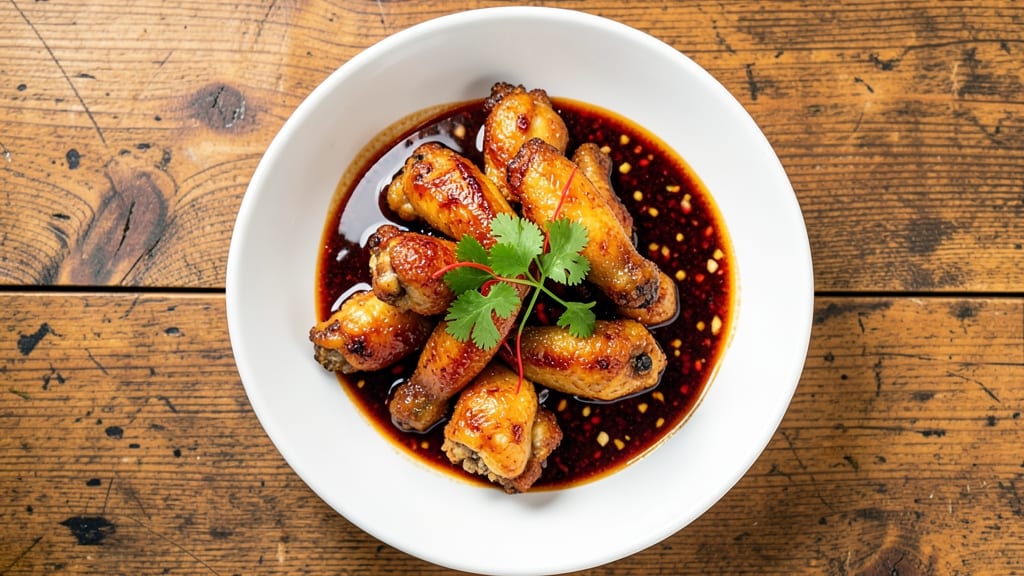
This San Tung chicken wings recipe delivers the signature Thai balance of sweet, spicy, and savory that makes them irresistible. The secret lies in velveting the chicken first—poaching it in a simple marinade until tender—before stir-frying to a glossy, caramelized finish.
I've perfected this technique over years of testing, and the result is wings that are crispy on the outside yet impossibly tender inside, coated in a sticky-sweet glaze that's dangerously addictive.
The process starts with preparing the chicken by velveting it in a mixture of soy sauce, baking soda, and cornstarch, which ensures it stays juicy even after high-heat cooking.
Then comes the stir-fry, where the wings develop that signature glossy sheen from a combination of fish sauce, palm sugar, and chili paste. The sauce caramelizes quickly, creating pockets of sweet-spicy flavor that cling to every bite.
This isn't just another spicy wing recipe—it's a restaurant-quality dish that transforms a simple appetizer into a showstopper.
What you'll end up with is a plate of golden-brown wings that glisten under the light, their surfaces crackling with caramelized sugar and chili heat. The glaze is perfectly balanced—sweet enough to satisfy, spicy enough to excite, and savory from the umami-rich fish sauce.
Each bite delivers that signature Thai restaurant experience, where the flavors build from an initial sweetness into a slow-burning heat that lingers just long enough to keep you reaching for another piece.
Serve these wings with steamed jasmine rice and a side of quick-pickled vegetables to cut through the richness, or turn them into a meal with a simple cucumber salad. The recipe makes enough for a crowd, so you'll have leftovers that disappear just as fast as the first batch.
Let's get cooking—these wings are worth every minute of prep time.
Ingredients for san tung chicken wings
Sixteen essential ingredients transform ordinary wings into Thai-inspired restaurant-quality masterpieces.
| Ingredient | Amount | Notes |
|---|---|---|
| Chicken Wings 🍗 | 3 lb | Split into drumettes and flats, tips removed |
| Kosher Soy Sauce 🥫 | ½ cup | Diamond Crystal preferred for balance |
| Baking Soda 🧪 | 1 tbsp | Ensures tender velveting texture |
| Cornstarch 🌾 | 1 tbsp | For crispy exterior formation |
| Red Curry Paste 🌶️ | ¼ cup | Maesri brand for authentic flavor |
| Fish Sauce 🍶 | ¼ cup | Red Boat preferred for umami depth |
| Palm Sugar 🍯 | ½ cup | Or substitute brown sugar (1:1) |
| Vegetable Oil 🫒 | 2 tbsp | High smoke point for stir-frying |
| Garlic Cloves 🧄 | 6 cloves | Minced for aromatic base |
| Thai Chili Paste 🔥 | 1 tbsp | Nam Prik Pao for authentic heat |
| Lime Juice 🍋 | ¼ cup | Freshly squeezed for brightness |
| Fresh Cilantro 🌿 | ¼ cup | Chopped for garnish |
| Sesame Seeds 🌰 | 1 tbsp | Toasted for nutty finish |
| Salt 🧂 | 1 tsp | Adjust to taste after cooking |
| Black Pepper 🌶️ | ½ tsp | Freshly cracked for depth |
The chicken wings require precise preparation—split into drumettes and flats for even cooking. Whole Foods and Trader Joe's carry pre-split wings, but if using whole wings, trim excess fat and remove tips for better glaze adhesion. The Maesri red curry paste is non-negotiable for authentic flavor; Asian markets stock it year-round. For fish sauce, Red Boat delivers superior umami without fishy aftertaste—essential for balancing the sweet-spicy profile. Palm sugar provides that signature caramelization; substitute brown sugar if unavailable, though the flavor will differ slightly.
Substitutions must preserve the Thai flavor profile. Soy sauce alternatives like coconut aminos work in a pinch but reduce umami depth. For chili paste, Sriracha plus a pinch of cayenne mimics heat but lacks complexity. The baking soda and cornstarch velveting technique is critical—omit at your peril, as it prevents dryness during high-heat cooking. Fresh garlic and lime juice are ideal, but dried garlic powder and bottled lime juice suffice in emergencies. When toasting sesame seeds, use a dry pan over medium heat for 1-2 minutes to prevent burning.
Store cooked wings airtight in the refrigerator for up to 4 days, though they're best enjoyed within 2 days for optimal texture. For freezing, arrange wings on a tray to flash-freeze first, then transfer to a sealed bag for 3 months. Reheat in a 350°F oven for 10-15 minutes to restore crispiness. The glaze thickens upon reheating, so add a splash of water if needed. Garnish with fresh cilantro and sesame seeds immediately before serving to preserve their vibrant flavors.
Why You'll Love This Recipe
- No-Fuss Oven Magic: I swear by this method—just toss wings in a bowl, no fancy prep. The baking soda does the tenderizing while you’re still deciding what to watch on TV.
- Spicy-Sweet Crunch: That red curry paste and soy sauce combo? It’s the kind of flavor that sticks with you—crispy outside, sticky-sweet inside, with just enough heat to linger. Honestly, my kids fight over these.
- Game for Any Gathering: From lazy Sunday brunches to last-minute game day snacks, these wings handle the crowd. Double the batch, freeze half, and you’ve got a backup for next week’s potluck.
- Budget Meal MVP: A pound of wings and a few pantry staples cost less than takeout, but taste like you slaved over them. Between us, this is my go-to when I’m broke but craving something that feels special.
Step-by-step instructions for San Tung chicken wings
Master this Thai technique for wings that balance sweet, spicy, and umami in every bite.
Prepare the Velveting Solution and Marinate Wings
In a mixing bowl, combine the 0.5 cup kosher soy sauce, 1 tablespoon baking soda, and 1 tablespoon cornstarch. Stir until the baking soda dissolves completely - this alkaline solution will tenderize the wings through a process called velveting. The mixture should have a slightly gritty texture from the baking soda.
Add the 3 lb chicken wings to the solution, ensuring they're fully submerged. Cover and refrigerate for at least 2 hours, or up to 4 hours for maximum tenderness. This step transforms tough wings into silky, melt-in-your-mouth bites. After marinating, rinse the wings thoroughly under cold water and pat them completely dry with paper towels - any remaining moisture will prevent proper browning later.
Create the Glaze Base and Stir-Fry the Wings
In a small bowl, whisk together the 0.25 cup red curry paste, 0.25 cup fish sauce, 0.5 cup palm sugar, 1 tablespoon thai chili paste, and 6 minced garlic cloves. This complex mixture forms the flavor foundation - the red curry paste provides depth, fish sauce adds umami, palm sugar balances heat, and garlic delivers aromatic punch.
Heat 2 tablespoons vegetable oil in a large skillet over medium-high heat until shimmering. Working in batches to avoid crowding, add the dried wings to the skillet. Cook for 3-4 minutes per side until they develop golden-brown spots and begin to crisp slightly. Remove wings and set aside, then pour the glaze mixture into the same skillet, scraping up any browned bits from the bottom.
Build the Glaze and Finish Cooking
Return the wings to the skillet with the glaze. Stir to coat evenly, then reduce heat to medium-low. Let the mixture simmer uncovered for 10-12 minutes, stirring occasionally, until the glaze thickens to a glossy consistency that coats the back of a spoon. You'll notice the wings become increasingly tender as they cook in their own juices.
During the final 2 minutes of cooking, add the 0.25 cup lime juice and 1 teaspoon salt. The acidity brightens the flavors while the salt enhances all components. Taste and adjust seasoning - you may need to add more fish sauce for umami or palm sugar to balance heat. The wings are done when they're fork-tender and the glaze has reduced to a syrupy consistency.
Garnish and Serve Immediately
Transfer the wings to a serving platter. Sprinkle generously with 1 tablespoon toasted sesame seeds and 0.25 cup chopped fresh cilantro. The sesame seeds add nutty crunch while the cilantro provides fresh contrast to the rich glaze. For extra heat, serve with additional thai chili paste on the side.
These wings should be served immediately while the glaze remains sticky and vibrant. The combination of tender velveted texture, sweet-spicy glaze, and aromatic garnishes creates a perfect balance of Thai street food flavors. Serve with jasmine rice and a simple cucumber salad to complete the meal.
Pro Tips For Making San Tung Chicken Wings
- MARINATE IN STAGES: Don’t dump all the soy sauce at once—start with half, let the wings sit for 15 minutes, then add the baking soda and remaining sauce. This keeps the meat tender instead of turning it rubbery (I learned this after a batch that tasted like chewed-up shoe leather).
- DRY WINGS LIKE MAD: Pat those wings bone dry before tossing in cornstarch—no exceptions. Wet wings steam instead of sear, and you’ll end up with soggy, flavorless paste instead of crispy, caramelized goodness. Use paper towels, not your apron.
- LOW AND SLOW FINISH: After the initial high-heat sear, crank the oven down to 275°F (135°C) for the last 10 minutes. This lets the red curry paste melt into the wings evenly without burning. I used to blast them at 400°F and ended up with charred, uneven results every time.
- TOSS WITH CURRY PASTE: Mix the red curry paste with a splash of water (about 1 tablespoon) before tossing it with the cornstarch-coated wings. This helps it stick and distribute like a glaze instead of clumping into dry, bitter bits. (Yes, I’ve eaten those bits—don’t ask.)
Troubleshooting perfect results
Wings Too Dry
The velveting step is critical, but if your wings still turn out dry, you likely skipped rinsing them after marinating or didn't pat them completely dry before cooking.
The baking soda in the marinade creates a tenderizing reaction, but any residual moisture will steam the wings instead of letting them brown properly. I recommend using a paper towel press—lay wings between two sheets and press firmly to remove all moisture before stir-frying. 💧
Another common mistake is overcrowding the pan. Cook in batches of 6-8 wings at a time to ensure even browning. If your skillet isn't hot enough, the wings will steam rather than sear, leading to dryness. Use a cast-iron skillet (like Lodge) for superior heat retention and control. 🔥
Glaze Too Thin
The glaze should coat the back of a spoon when finished—if it's too thin, your wings will be sticky but lack that signature caramelized sheen. The issue usually stems from insufficient simmering time or too much liquid in the sauce.
Always reduce the glaze over medium-low heat for the full 10-12 minutes, stirring occasionally. If it still doesn't thicken, remove the wings and simmer the sauce alone for 2-3 extra minutes to reduce it further. 🥄
Palm sugar or brown sugar substitution can also cause thinning. Palm sugar caramelizes more easily, so if you used brown sugar, add ½ teaspoon cornstarch to the glaze to help thicken it.
Avoid adding extra sugar mid-cook—this will dilute the sauce further. Taste as you go and adjust with fish sauce (for umami) or lime juice (for balance) instead. 🍯
Uneven Cooking
If some wings are undercooked while others burn, you're likely dealing with inconsistent heat distribution. Thai stir-frying requires high, even heat—use a wok or large skillet (at least 12 inches) for better heat circulation.
I recommend a gas stove for precise control, but electric stoves work if you preheat the pan thoroughly. 🔥
Batch cooking is key—never exceed 8 wings per batch in a standard skillet. Overcrowding drops the pan temperature, leading to uneven doneness. If your wings vary in size, cook the smaller ones first, then add the larger pieces to the pan.
Use a meat thermometer to check doneness—165°F internal temperature is ideal for safe, tender wings. 🌡️
Bland Flavor Profile
The glaze's sweet-spicy balance is delicate, and if it tastes flat, you likely underseasoned or used low-quality ingredients. Fish sauce is non-negotiable for umami—Red Boat is the gold standard, but avoid cheaper brands that taste overly fishy.
For heat, Thai chili paste (Nam Prik Pao) adds depth that store-bought hot sauces can't match. 🌶️
Taste the glaze before adding the wings—it should be sweet, salty, spicy, and umami-rich. If it lacks depth, boost it with 1 extra teaspoon of fish sauce or ½ teaspoon of soy sauce.
For brightness, add 1 extra tablespoon of lime juice at the end. Fresh garlic and ginger are also critical—don't substitute with powders. 🧄
Glaze Not Sticky Enough
A glossy, sticky glaze is the hallmark of San Tung wings, and if yours lack stickiness, the issue is usually under-reduced sauce or insufficient sugar. The palm sugar (or brown sugar) needs to caramelize fully to create that signature cling.
Simmer the glaze uncovered on medium-low heat until it coats a spoon thickly—this can take 15-20 minutes total. 🍯
If the glaze separates or looks oily, you may have added too much oil. The recipe calls for just 2 tablespoons—any extra will dilute the sauce.
For extra stickiness, add 1 teaspoon of honey or 1 extra tablespoon of cornstarch to the glaze during the final 2 minutes of cooking. This creates a thicker, more cohesive coating. 💫
Nutrition facts
Frequently asked questions
What makes these Thai-style chicken wings different from regular buffalo wings?
These San Tung wings use a velveting technique with baking soda and cornstarch for ultra-tender meat, plus a complex sweet-spicy glaze made with red curry paste, fish sauce, and palm sugar. Unlike buffalo wings, they're sticky, glossy, and balanced—sweet enough to satisfy but with lingering heat from Thai chili paste. The texture is crispy outside with melt-in-your-mouth tenderness inside.
Can I make this recipe without fish sauce?
Fish sauce is essential for authentic umami depth, but you can substitute with ½ cup soy sauce plus 1 tablespoon Worcestershire sauce for a similar savory punch. For extra richness, add 1 teaspoon of oyster sauce or ½ teaspoon of MSG. Just note the flavor will be slightly different—fish sauce's complexity is hard to replicate.
How do I adjust the heat level for picky eaters?
Reduce the Thai chili paste to just ½ teaspoon and omit the extra 1 tablespoon called for in the recipe. For mild heat, replace it entirely with 1 teaspoon of sweet chili sauce or ½ teaspoon of cayenne powder. Taste the glaze before adding wings—it should have just a hint of warmth, not intense heat.
Can I use boneless wings instead of bone-in?
Yes, but the cooking time will differ. Boneless wings cook faster—reduce stir-fry time to 2-3 minutes per side and simmer the glaze for 8-10 minutes total. They'll be more tender but may lack the crispy texture of bone-in wings. For best results, use chicken thighs cut into bite-sized pieces—they're more forgiving for this technique.
What's the best way to reheat leftovers?
Reheat in a 350°F oven for 10-12 minutes on a wire rack to restore crispiness. For stovetop, use medium heat in a dry skillet for 2-3 minutes per side, then add 1 teaspoon water to deglaze and create a fresh glaze. Avoid microwaving—it makes the glaze rubbery. Serve immediately after reheating.