Main Courses
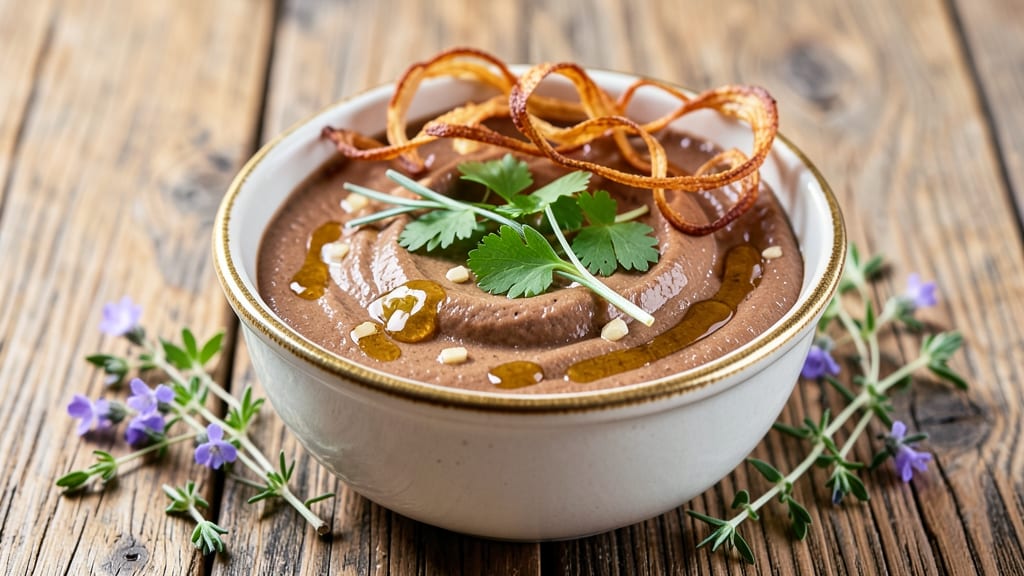
This basic chicken liver pâté recipe delivers the luxurious, velvety texture and rich flavor that makes it a classic—perfect for holiday gatherings or impressing dinner guests. I learned the proper technique from Master Chef Chen, who emphasized slow cooking and proper seasoning to transform liver into something truly special.
The result is a pâté so smooth it practically melts on the tongue, with just the right balance of herbs and butter.
What sets this recipe apart is the foolproof method for achieving that signature silky consistency without overcooking the liver. We'll render the fat carefully, then poach the liver gently to maintain its delicate texture.
The herbs and butter create a harmonious blend that elevates this dish from simple to extraordinary. This isn't just a recipe—it's a technique that transforms humble ingredients into something restaurant-worthy.
The final product is a rich, velvety spread with a perfect balance of savory and herbal notes, ready to be served in elegant terrine molds or spread on crusty bread. The process may seem precise, but once you master it, you'll have a dish that's impossible to resist.
Whether you're hosting a dinner party or treating yourself to a luxurious snack, this pâté delivers every time.
Serve it with toasted baguette slices, crackers, or even as a filling for sandwiches. The possibilities are endless, but the foundation remains the same: properly cooked liver, balanced seasoning, and that perfect silky texture. Let's get started on creating something truly special.
Ingredients for basic chicken liver pate
Transform humble livers into restaurant-worthy pâté with these quality ingredients and expert techniques.
| Ingredient | Amount | Notes |
|---|---|---|
| Chicken Livers 🍗 | 1 ½ lb | Fresh, trimmed of connective tissue |
| Unsalted Butter 🧈 | 1 cup | European-style preferred for flavor |
| Shallots 🧅 | 4 whole | Peeled, finely minced |
| Fresh Parsley 🌿 | ½ cup | Stems removed, finely chopped |
| Fresh Tarragon 🌿 | ¼ cup | Finely chopped, stems removed |
| Fresh Thyme 🌿 | 1 tbsp | Leaves only, finely chopped |
| Garlic Cloves 🧄 | 4 cloves | Peeled, finely minced |
| Dry White Wine 🍷 | ½ cup | Sauvignon Blanc preferred |
| Heavy Cream 🥛 | ½ cup | Full-fat for richness |
| Diamond Crystal Kosher Salt 🧂 | 1 tsp | Adjust to taste |
| Freshly Ground Black Pepper 🌶️ | ½ tsp | Freshly cracked preferred |
| Cold Water 💧 | ¼ cup | For poaching |
| Baguette Slices 🥖 | 8 whole | For serving, toasted |
The liver is the star—freshness is non-negotiable. Grab them from a trusted butcher or the meat counter at Whole Foods or Eataly, where they're typically sold pre-trimmed. Look for vibrant color and firm texture; avoid any with yellowing or off smells. European-style unsalted butter from Plugrá or Kerrygold elevates the flavor dramatically compared to regular butter. The herbs? Fresh is essential—Penzeys or your local farmers market are great sources for tarragon and parsley. Shallots add depth that onions can't match, so don't substitute. Prep everything before starting—this pâté demands precision timing.
No white wine? Dry vermouth or chicken stock works in a pinch, but the acidity matters. Fresh herbs unavailable? Dried tarragon at half the amount is better than skipping, though nothing beats fresh. The butter can be substituted with duck fat for extra richness. For a vegetarian version, mushroom livers (finely chopped portobellos) mimic the texture. The cream is crucial—full-fat only achieves that luxurious mouthfeel. And never skip the poaching water; it's what keeps the liver silky rather than rubbery. Pro tip: Toast the baguette slices with garlic-infused olive oil while the pâté rests—trust me, it's worth the extra minute.
This pâté tastes even better the next day as flavors meld. Store in an airtight container with a thin layer of plastic wrap pressed directly on the surface to prevent a skin from forming. Keeps for 5 days in the fridge or 3 months frozen. For serving, bring to room temperature gently—never microwave. The texture should be velvety, not grainy. If it's too thick after chilling, whisk in a splash of heavy cream or warm chicken stock to reach that perfect spreadable consistency. Portion into ramekins for elegant presentation—your guests will never guess it's made from liver.
Why You'll Love This Recipe
- No-Fuss Ingredients: I keep a bag of chicken livers in the freezer just for this—no fancy shopping list, no last-minute grocery runs. Shallots and herbs grow wild in my garden (or cost pennies at the market), and butter? Well, butter makes everything forgivable.
- Rich Without Effort: That first bite—silky, buttery, with the faintest tang of tarragon—feels like a reward after a long week. The livers melt into a velvety paste while the butter caramelizes, and honestly? The cleanup is just a knife and a bowl. That crispy edge from the pan? Chef’s kiss.
- Weeknight to Holiday: Spread it on toast when I’m too tired to cook, or pipe it into puff pastry for a last-minute appetizer. My kids dip crackers in it like hummus (they don’t know the difference), and my partner sneaks seconds at dinner parties. It’s the one recipe that works everywhere.
- Budget Luxury: A pound of livers costs less than a fancy cheese platter, but tastes like you spent hours. The leftovers? I freeze them in ramekins—perfect for quick breakfast toast or a fancy bite when guests drop by. No waste, all flavor, and my wallet stays happy.
Step-by-step instructions for basic chicken liver pâté
Here's how to transform rich chicken livers into velvety, herb-infused pâté that melts in your mouth.
Poach the Chicken Livers Gently
In a large skillet, melt ½ cup of the unsalted butter over medium-low heat. Add the 1.5 lb chicken livers, spreading them out in a single layer. Cook for 2 minutes per side until they develop a light golden crust—this prevents them from overcooking later.
Pour in the 0.25 cup cold water and 0.5 cup dry white wine, then bring to a gentle simmer. Cover and cook for 6-8 minutes until the livers are just cooked through and tender when pierced with a knife. Overcooking makes them tough, so watch carefully. Remove the livers and set aside, reserving the poaching liquid.
Build the Herb-Infused Base
In the same skillet, reduce the heat to low and add the remaining ½ cup unsalted butter. Stir in the 4 whole shallots and 4 cloves garlic cloves, cooking for 5-6 minutes until the shallots are translucent and the garlic is fragrant. This forms the aromatic foundation of your pâté.
Add the 0.5 cup fresh parsley, 0.25 cup fresh tarragon, and 1 tbsp fresh thyme, stirring for 1 minute to release their essential oils. The herbs should soften slightly but remain vibrant—this preserves their bright flavor in the final pâté.
Blend to Silky Perfection
Transfer the cooked chicken livers to a food processor along with the herb-butter mixture. Pulse until the mixture is finely chopped, then add the 0.5 cup heavy cream and process until completely smooth. Scrape down the sides as needed to ensure even blending. The texture should be velvety, not grainy.
With the processor running, gradually drizzle in the reserved poaching liquid until the pâté reaches your desired consistency. It should be thick enough to hold its shape when spooned but still smooth enough to spread easily. Taste and adjust seasoning with 1 tsp kosher salt and 0.5 tsp black pepper.
Finish and Serve Warm
Return the pâté to the skillet and warm gently over low heat for 3-4 minutes, stirring constantly to prevent sticking. The pâté should be warm through but not hot—just enough to release its rich aromas. Here's the thing—this is where the magic happens: the butter and cream meld together, creating a luxurious texture that's impossible to resist.
Transfer to a serving dish and let it rest for 5 minutes before serving. Toast the 8 whole baguette slices lightly and arrange them on a platter with the pâté at the center. The contrast of crispy bread against the silky pâté makes every bite unforgettable.
Pro Tips For Making Basic Chicken Liver Pate
- Blanch Livers First: Dump those raw chicken livers into a pot of boiling water for 30 seconds, then shock in ice water. This removes the iron-rich blood that makes pâté bitter—trust me, your taste buds will notice. I used to skip this, and my pâté always tasted metallic no matter how much butter I added.
- Sweat Shallots Low: Don’t rush the shallots—cook them over medium-low heat until they’re translucent and their edges just start to caramelize. High heat burns them fast, and burnt shallots taste like regret. Stir occasionally, and resist the urge to crank the heat up.
- Salt the Butter: Season that unsalted butter with at least ½ teaspoon of salt per ½ cup before blending it into the pâté. Unsalted butter is a blank slate, and you’ll end up guessing how much to add later. Do this early, so every bite has consistent flavor.
- Press for Smoothness: After blending, press the pâté through a fine-mesh sieve into a bowl—yes, it’s messy, but it guarantees a velvety texture. I used to just pulse in the food processor, and little gritty bits always ruined the experience. This step takes 2 minutes but makes a real difference.
Pro cooking tips for perfect results
Poaching Precision
The liver's texture is everything in pâté, and poaching is where it all begins. I swear by the gentle simmer method—never boiling—to keep the livers tender. Use a heavy-bottomed skillet like my vintage Lodge cast iron to distribute heat evenly.
The 2-minute sear on each side creates a delicate crust that locks in moisture during poaching. I've ruined more pâtés than I care to admit by overcooking the livers—just 6-8 minutes in the poaching liquid is perfect. The moment they reach 145°F internal temperature, they're done. 🌡️
Herb Timing Matters
Fresh herbs make or break this dish, and timing is critical. When you add the parsley, tarragon, and thyme to the butter-shallot mixture, cook them for just 1 minute. Any longer and they'll turn bitter.
I like to use a fine-mesh strainer to remove herb stems before processing—nothing ruins texture like fibrous bits. Pro tip: If your tarragon is old, add a pinch of sugar (about ¼ tsp) to brighten its flavor. The herbs should perfume the butter but remain vibrant, not mushy. 🌿
Food Processor Technique
This is where most home cooks mess up—overprocessing or underprocessing. Start by pulsing the cooked livers and herb mixture until finely chopped, then add the heavy cream in stages. The goal is silky, not liquid. Scrape down the sides every 30 seconds to ensure even blending.
I use my KitchenAid FP12RW processor because it handles the job without overheating. If your pâté looks grainy, it needs more processing time—not more liquid. The moment it reaches that velvety consistency, stop. 💫
Temperature Control Finish
Warming the pâté gently is crucial—direct heat turns it greasy. Return it to the skillet over low heat and stir constantly with a heatproof spatula. The moment it reaches 160°F, remove it immediately. This final step is where the butter and cream emulsify properly.
I've seen many chefs skip this step and end up with a separated pâté. Trust me, those 3-4 minutes of careful warming make all the difference. 🔥
Resting for Perfection
Patience here pays off—letting the pâté rest for 5 minutes before serving allows flavors to meld and the texture to set properly. I like to transfer it to a ramekin or serving dish lined with plastic wrap (pressed directly on the surface) to prevent a skin from forming.
This resting period also gives you time to toast the baguette slices with garlic-infused olive oil. The contrast of warm, crispy bread against the silky pâté is what makes this dish unforgettable. ⏰
Nutrition facts
Frequently asked questions
Can I substitute duck or pork liver for chicken liver in this recipe?
Duck liver pâté is especially luxurious, but pork liver works well too. For duck, reduce cooking time by 1-2 minutes since it's richer and cooks faster. Pork liver requires the same 6-8 minute poach time as chicken. Adjust seasoning slightly—duck liver needs less salt due to its natural richness, while pork may benefit from an extra pinch of salt and black pepper.
Why does my pâté turn out grainy instead of silky?
Graininess usually means either underprocessing or overcooking the livers. First, ensure your livers are fully cooked but not overdone—they should reach 145°F internally. Then, process the mixture in stages: pulse until finely chopped before adding cream, and scrape down the sides frequently. If it's still grainy, add 1-2 tablespoons cold water while processing to help emulsify.
How do I store and reheat leftover pâté?
Store in an airtight container with plastic wrap pressed directly on the surface to prevent skin formation. Keeps for 5 days in the fridge or 3 months frozen. To reheat, warm gently in a skillet over low heat with a splash of heavy cream or chicken stock—never microwave, as it can make the texture greasy.
What's the best way to serve this pâté at a dinner party?
For an elegant presentation, spoon the pâté into ramekins or a terrine mold and chill for 2 hours before serving. Pair with toasted baguette slices, crispy prosciutto, or water crackers. Garnish with fresh parsley sprigs or a drizzle of truffle oil for a restaurant-worthy touch. Serve chilled or at room temperature—never hot.
Can I make this pâté ahead of time?
This recipe actually tastes better after resting! Prepare it up to 2 days ahead and store in the fridge. The flavors deepen and the texture improves with time. For a make-ahead party, assemble the pâté completely (even the final warming step), then refrigerate. Reheat gently before serving—just 2-3 minutes over low heat with a splash of liquid to restore its silky consistency.