
Soups & Stews
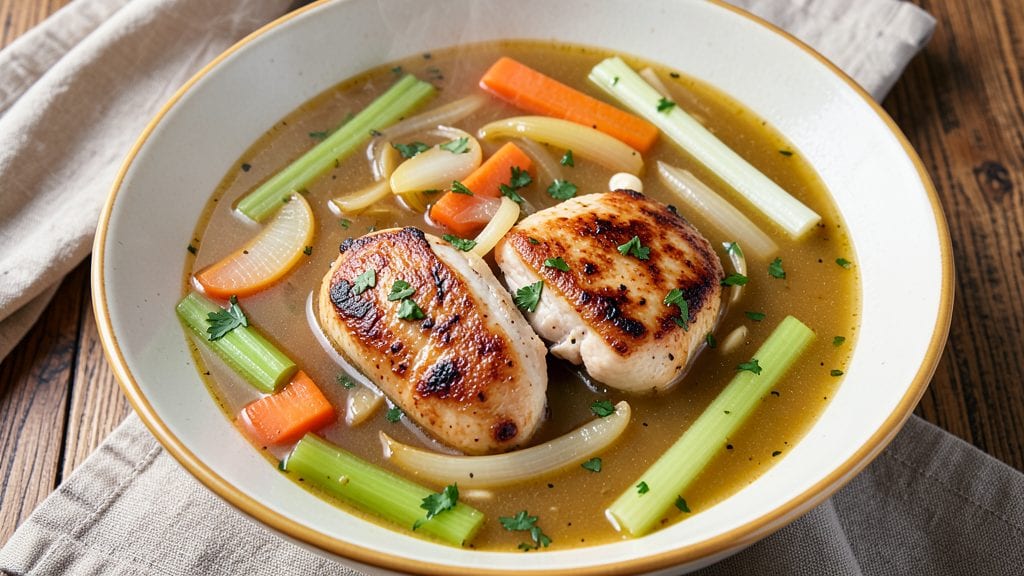
Betty Crocker's chicken soup recipe delivers the kind of comforting, homestyle warmth that transforms a simple meal into a family tradition. Growing up in small-town Georgia, I learned that a well-made chicken soup could cure anything—from colds to Monday blues—and this recipe captures that same hearty, nourishing essence.
The secret lies in building rich, flavorful broth from scratch, where tender chicken and classic vegetables simmer together until every spoonful feels like a hug in a bowl.
What sets this recipe apart is its balance of simplicity and depth—no shortcuts, just time-honored techniques that create a soup so satisfying, it becomes the centerpiece of any meal.
We start with a golden-brown chicken base, slow-cooked until the meat falls off the bone, then transform it into a velvety broth infused with carrots, celery, and herbs. The result is a soup that’s both comforting and elegant, perfect for chilly evenings or when you need a taste of home.
By the time you’re done, you’ll have a pot of soup so rich and aromatic that the kitchen alone will feel warmer. The chicken shreds effortlessly, the vegetables melt into tender perfection, and the broth carries all the savory notes you’d expect from a classic Betty Crocker creation.
This isn’t just soup—it’s a reminder that the best meals are the ones that bring people together.
Serve it with crusty bread to soak up every last drop, or pair it with a simple green salad for balance. The leftovers? Even better the next day, as the flavors deepen and the broth becomes even more velvety.
Let’s get started on a recipe that’s as much about tradition as it is about taste.
Ingredients for betty crocker chicken soup
Classic pantry staples and a few fresh touches—this is the heart of homestyle chicken soup.
| Ingredient | Amount | Notes |
|---|---|---|
| Chicken Breasts 🍗 | 2 lb | Boneless, skinless, cut into pieces |
| Yellow Onions 🧅 | 1 whole | Medium, chopped |
| Carrots 🥕 | 4 medium | Peeled and sliced into rounds |
| Celery Stalks 🧆 | 3 whole | Trimmed and chopped |
| Garlic Cloves 🧄 | 4 cloves | Peeled and minced |
| Chicken Broth 💧 | 6 cups | Low-sodium preferred |
| All-Purpose Flour 🌾 | 2 tbsp | For thickening |
| Dried Thyme 🌿 | 1 tsp | Or 1 tbsp fresh |
| Dried Parsley 🌿 | 1 tsp | For garnish |
| Bay Leaves 🌿 | 2 whole | Remove before serving |
| Salt 🧂 | 1 ½ tsp | Kosher or sea salt |
| Black Pepper 🌶️ | ½ tsp | Freshly ground |
| Fresh Parsley 🌿 | ¼ cup | Chopped for garnish |
| Crusty Bread 🍞 | 1 loaf | For serving |
The chicken needs to be tender but not dry. Buy fresh from the butcher section—avoid pre-cut pieces that can be stringy. Carrots and celery should be crisp, not rubbery (that's your telltale sign of old veggies). I always grab the organic carrots at Whole Foods—they're sweeter and hold up better during cooking. For the broth, low-sodium is key—you'll be adding plenty of salt later. The bay leaves? Grab them from the bulk section if you can—they're fresher and more aromatic than those little packets.
No fresh thyme? Dried works at one-third the amount. Parsley missing? Fresh cilantro or basil can step in, but thyme's the real MVP here. The flour is just for thickening—skip it if you're watching carbs, but the soup will be thinner. For the veggies, baby carrots work perfectly if you're short on time, and celery hearts are great too. The garlic can be roasted first (wrap whole cloves in foil with a drizzle of oil, roast at 400°F for 15 mins) for a sweeter flavor—trust me on that. And if you've got lemon juice, add a splash at the end for brightness.
This soup tastes even better the next day as the flavors meld. Store in an airtight container in the fridge for up to 5 days, or freeze portions for 3 months. I always make a double batch—one for dinner, one for lunches. The bread? French or sourdough works best—toss it in the oven at 350°F for 5 minutes before serving so it's warm and crispy. Leftovers reheat beautifully—just add a splash of water or broth if it gets too thick.
Why You'll Love This Recipe
- Minimal Chopping Required: I swear by this recipe because the onions, carrots, and celery get diced in under 5 minutes—no fancy knife skills needed. That crisp-tender garlic at the end? Just three cloves, minced in seconds.
- Savory Without Fuss: The chicken breasts stay juicy while the carrots and celery soften just enough, and that onion base? It builds flavor without overpowering. Honestly, the first bite makes you wonder why you ever bought canned soup.
- Lunchbox Magic: Between us, this soup is my secret weapon for meal prep. I double the batch, portion it into containers, and toss them in the fridge—perfect for lunches or when the kids forget to pack a snack. (Yes, even on a Tuesday night.)
- Budget-Friendly Comfort: A whole chicken breast and a bag of carrots stretch this recipe for days. The leftovers? Even better the next day, and it costs me half what takeout would. Not the prettiest, but the taste makes up for it.
Step-by-step instructions for Betty Crocker's chicken soup recipe
This comforting chicken soup comes together easily in one pot with simple techniques and classic flavors.
Sear the Chicken for Maximum Flavor
Pat the 2 lb chicken breasts dry with paper towels and cut them into bite-sized pieces. Heat a large Dutch oven over medium-high heat and add the chicken in a single layer. Let it sear undisturbed for 3-4 minutes until golden brown on the bottom. This creates a rich foundation for your soup.
Once the chicken is browned on one side, flip the pieces and continue searing for another 2-3 minutes. As the chicken cooks, it will release its natural juices into the pot—this is where all the flavor begins. Remove the chicken with a slotted spoon and set it aside on a plate, leaving all the browned bits in the pot. These bits will form the base of your soup's depth of flavor.
Sauté the Vegetable Base
In the same Dutch oven, add 2 tablespoons of all-purpose flour and stir to coat the browned bits. Cook for 1 minute until lightly toasted—this helps remove any raw flour taste. Add the chopped 1 whole yellow onion, 4 medium carrots, and 3 whole celery stalks to the pot.
Cook the vegetables over medium heat for 5-6 minutes, stirring occasionally, until they begin to soften and the onions turn translucent. Add the 4 cloves minced garlic and cook for another 30 seconds until fragrant. This step builds the aromatic foundation that makes homemade soup taste so much better than canned versions.
Build the Soup with Broth and Seasonings
Pour in the 6 cups of chicken broth, scraping up any browned bits from the bottom of the pot with a wooden spoon. Add the 2 whole bay leaves, 1 teaspoon dried thyme, 1 teaspoon dried parsley, 1.5 teaspoons salt, and 0.5 teaspoon black pepper. Bring the mixture to a gentle boil over high heat.
Once boiling, reduce the heat to medium-low and return the chicken pieces to the pot. Let the soup simmer uncovered for 20-25 minutes, stirring occasionally. You'll notice the vegetables softening and the chicken becoming tender and flaky. The soup should have a gentle rolling simmer—not a vigorous boil—which helps prevent the chicken from becoming rubbery.
Finish and Adjust the Consistency
After simmering, taste the soup and adjust the seasoning if needed. Remove the 2 whole bay leaves before serving. If you prefer a thicker soup, simmer uncovered for another 5-10 minutes to reduce the liquid slightly. For a lighter broth, leave it as is.
Stir in the 0.25 cup chopped fresh parsley just before serving. This adds a bright, fresh finish that cuts through the richness of the chicken and vegetables. Ladle the hot soup into bowls and serve immediately with slices of 1 loaf crusty bread on the side for dipping.
Pro Tips For Making Betty Crocker Chicken Soup
- Sear the Chicken First: I learned this the hard way—skipping the sear means flavorless broth. Brown the chicken breasts in batches over medium-high heat for 3-4 minutes per side before removing them; that crust locks in moisture and adds depth the recipe won’t get otherwise.
- Chop Onions Like a Pro: Don’t just dice those yellow onions—cut them into 1/4-inch slices first, then stack and slice into matchsticks. This keeps them from turning to mush while cooking and ensures even distribution in the soup (no one wants onion chunks hiding at the bottom).
- Don’t Overcrowd the Pot: I used to dump everything in at once, and the carrots and celery would steam instead of soften. Sauté the onions, celery, and carrots in the pot for 5 minutes first, stirring often, before adding the garlic and broth—this builds flavor without turning your veggies to mush.
- Save Time with Par-Cooked Carrots: If you’re short on time, microwave the carrots (whole, unpeeled) for 3 minutes first, then peel and chop. They’ll soften faster in the soup without falling apart—just don’t skip the initial sear on the chicken, or the broth will taste flat.
Make-ahead tips for leftovers
Prep Ahead
Start by prepping all your ingredients the night before—chop the onions, carrots, and celery, and measure out your spices. Store them in airtight containers in the fridge.
I like to use glass Pyrex containers because they keep everything fresh and make it easy to grab what I need in the morning. This saves you 15-20 minutes of prep time on the day you cook. 📅
Slow Cooker Option
For a hands-off approach, sear the chicken as directed, then transfer everything (including the browned bits) to a 6-quart slow cooker. Add the broth, vegetables, and seasonings, then cook on low for 6-7 hours or high for 3-4 hours.
The slow cooker keeps the chicken tender and the broth rich without constant monitoring. Just stir in the fresh parsley at the end.
Freezer-Friendly
This soup freezes beautifully for up to 3 months. After simmering, let it cool completely, then portion it into quart-sized freezer bags or airtight containers. Leave 1 inch of headspace for expansion.
To reheat, thaw overnight in the fridge, then warm on the stovetop over medium-low heat for 10-15 minutes, adding a splash of water or broth if needed. ❄️
Double the Batch
Make a double batch and freeze half for later—it’s perfect for busy weeks. I often prepare two full pots when I have time, so I always have a comforting meal on hand.
Store the extra in glass containers (they reheat more evenly than plastic) and label them with the date. The flavors actually deepen overnight, making the second day even more delicious.
Garnish Prep
Chop the fresh parsley and store it in a small container with a damp paper towel to keep it fresh. If you’re short on time, use dried parsley instead, but add it at the end so it doesn’t lose its flavor.
I also like to toast 1 teaspoon of breadcrumbs in a dry pan for 2 minutes to sprinkle on top—it adds a nice crunch. 🌿
Broth Boost
For extra depth, make your own broth by simmering chicken bones with 1 onion, 2 carrots, and 2 celery stalks in 8 cups of water for 2 hours. Strain and use it in place of store-bought.
I do this on Sundays when I have leftover bones—I always save them in a freezer bag until I have enough for a fresh batch. The homemade broth adds a richness that store-bought can’t match. 💡
Nutrition facts
Frequently asked questions
Can I use chicken thighs instead of breasts for more flavor?
Chicken thighs stay juicier and add richer flavor to the broth. Use 2 lbs of boneless thighs, trimmed of excess fat. They'll take about 10-15 minutes longer to cook through, so adjust your simmering time to 35-40 minutes total. The skin can be left on for extra crispiness and flavor—just remove it before serving.
How do I make this soup creamier without dairy?
Blend 1 cup of the cooked soup with ½ cup of cooked carrots and celery until smooth, then stir it back in. This creates a velvety texture without dairy. For extra richness, add 2 tablespoons of mashed potatoes or cooked white rice to thicken naturally. The result is a comforting, creamy consistency that still feels light.
What can I add to make this soup more filling?
Add ½ cup of cooked orzo, ½ cup of diced potatoes, or 1 cup of cooked barley for extra heartiness. For protein, stir in 1 cup of cooked white beans or lentils during the last 10 minutes of simmering. These additions bulk up the soup while keeping it balanced and flavorful.
Why did my chicken turn out rubbery?
Rubbery chicken usually means it boiled too vigorously or didn't simmer long enough. Keep the heat at a gentle simmer—not a rolling boil—and cook the chicken for the full 20-25 minutes. For extra tenderness, poach the chicken separately in broth for 12-15 minutes before adding it back to the soup.
Can I make this gluten-free?
Yes! Skip the flour and use 1 tablespoon of cornstarch or arrowroot powder mixed with 2 tablespoons of cold water as a thickener. Stir it into the simmering soup and cook for 2-3 minutes until thickened. For extra flavor, use gluten-free chicken broth and check all spice blends for hidden gluten.