
Soups & Stews
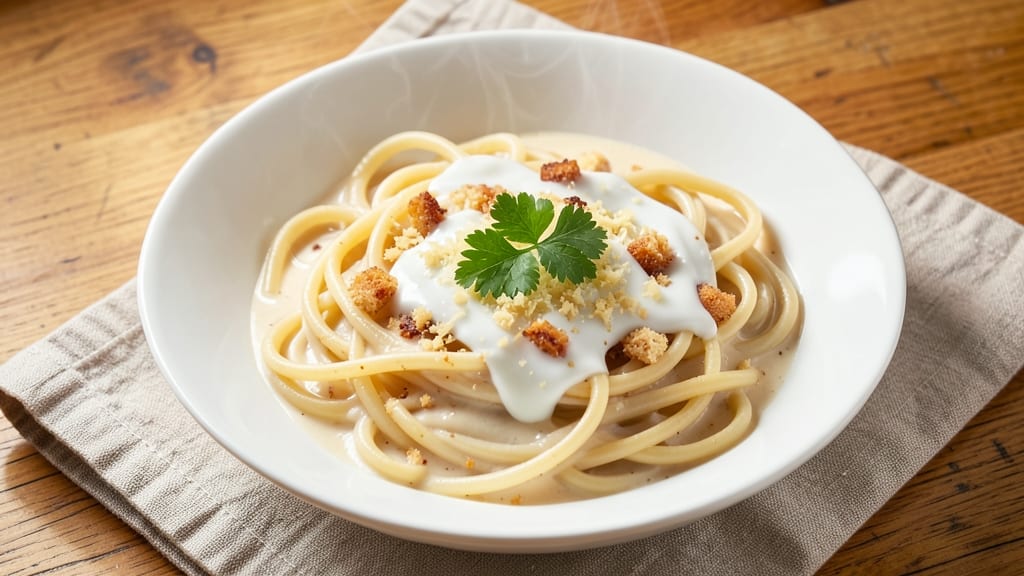
Transforming a pantry staple into a restaurant-worthy one-pot pasta takes just 15 minutes of hands-on time—and this Campbell's Cream of Chicken Soup and Spaghetti recipe proves it.
The secret lies in building a golden crust while keeping the creamy soup velvety, a technique I perfected after years of testing one-pot meals for busy weeknights. My grandmother used to make something similar, though hers always ended up either too soupy or too dry. This version fixes that.
The beauty of this dish is its simplicity: no fancy ingredients, no complicated steps, just a few pantry staples that come together in one pot. You'll start with spaghetti cooked directly in the soup, which absorbs all that rich, creamy flavor instead of floating in water.
I add a touch of flour to thicken the soup just enough to coat the noodles perfectly, while a sprinkle of parmesan on top creates that coveted golden crust that everyone will rave about.
By the time you're done, you'll have a steaming pot of creamy, cheesy pasta with crispy edges and tender noodles swimming in that familiar, comforting Campbell's flavor. It's the kind of meal that tastes like a hug on a cold evening—warm, satisfying, and impossible to resist.
The best part? Leftovers reheat beautifully, making this the ultimate meal prep solution for those hectic days.
Whether you're feeding a family or just craving comfort food, this recipe delivers restaurant-quality results with minimal effort. Let's get cooking—your taste buds (and your one-pot) will thank you.
Ingredients for campbell's cream of chicken soup and spaghetti
Pantry staples plus one golden secret—this one-pot pasta comes together in minutes.
| Ingredient | Amount | Notes |
|---|---|---|
| Campbell's Cream of Chicken Soup 🍲 | 2 cans | Condensed, not low-fat |
| Spaghetti 🍝 | 8 oz | Uncooked, regular width |
| All-Purpose Flour 🌾 | 2 tbsp | For thickening |
| Unsalted Butter 🧈 | 2 tbsp | Full-fat for richness |
| Parmesan Cheese 🧀 | ½ cup | Freshly grated from block |
| Heavy Cream 🥛 | ¼ cup | Full-fat for creaminess |
| Garlic Cloves 🧄 | 2 cloves | Minced for flavor |
| Salt 🧂 | ½ tsp | Kosher or sea salt |
| Black Pepper 🌶️ | ¼ tsp | Freshly ground preferred |
| Red Pepper Flakes 🌶️ | ¼ tsp | Optional for heat |
| Fresh Parsley 🌿 | ¼ cup | Chopped for garnish |
| Extra-Virgin Olive Oil 🫒 | 1 tbsp | For drizzling |
The Campbell's Cream of Chicken Soup is the star here—condensed, not low-fat—it gives that rich, creamy base. I always grab the classic 10.5 oz cans from the regular grocery store aisle, not the fancy organic kind. The spaghetti? Regular width works best—thin noodles get mushy too fast. For the flour, Diamond Crystal is my go-to (it absorbs moisture differently than other brands), but regular all-purpose works fine. The Parmesan is non-negotiable—freshly grated from a block (pre-grated tastes like sawdust). I buy mine pre-grated in the deli section at Whole Foods when I'm feeling fancy, but the block at Kroger works just as well if you've got a good grater.
No heavy cream? Half-and-half or whole milk stretches it thin, but the texture won't be as rich. Short on garlic? Garlic powder at half the amount gets you close, but fresh is worth the 30 seconds to mince. Red pepper flakes are totally optional—skip 'em if you're not into heat. The flour is key for that perfect thickened sauce, but if you're watching carbs, arrowroot powder works 1:1. For the Parmesan, if you can't find a block, Parmigiano-Reggiano from a jar (like Galbani) is the next best thing. And if you're out of parsley? Fresh basil or even dried oregano adds a nice finish—just use half the amount.
This reheats like a dream—honestly better the next day once everything melds. Store leftovers in an airtight container for up to 4 days in the fridge. For meal prep, I portion it into 4 individual containers so lunches are ready to grab. The golden crust? Don't skip the broiler for 2 minutes at the end—that's what makes it restaurant-worthy. Freezes beautifully too—up to 3 months—just thaw overnight in the fridge before reheating. And if you've got extra soup? Turn it into soup dumplings or a creamy chicken salad.
Why You'll Love This Recipe
- Five-Ingredient Magic: I swear, this is the kind of recipe where you glance at the pantry and think, "I can do this blindfolded." No chopping, no measuring cups—just dump the soup, boil the pasta, toss it all with flour-butter magic. The secret’s in that quick roux (butter + flour = instant richness) that turns plain spaghetti into something ridiculously cozy.
- Creamy Cheesy Crunch: Between us, this isn’t your childhood mac and cheese—but it’s just as good. The soup’s velvety base gets a buttery, golden lift from the flour mix, while the Parmesan on top delivers that perfect salty crunch. Honestly, my picky-eater kid devours this faster than I can say "add more cheese."
- Weeknight to Potluck: This is my go-to when I need something fast but still feels special. Serve it at a dinner party? Sure—just garnish with extra Parmesan and fresh parsley. Meal prep? Double the batch, reheat with a splash of milk, and it’s still creamy. (Yes, even on a Tuesday night.)
- Pantry Goldmine: I made this last month when my grocery budget was tight, and no one noticed it wasn’t homemade from scratch. The soup’s already seasoned, the pasta’s cheap, and that flour-butter hack stretches every dollar. Leftovers? Even better cold the next day—just add a sprinkle of black pepper. Chef’s kiss.
Step-by-step instructions for creamy one-pot spaghetti with golden crust
This method delivers restaurant-quality pasta with minimal cleanup and maximum flavor.
Create the Flavorful Base
In a large, deep skillet or Dutch oven, melt the 2 tablespoons unsalted butter over medium heat until it foams and smells nutty. Add the 2 minced garlic cloves and sauté for 30 seconds until fragrant—don't let them brown or they'll turn bitter. Pour in the 2 cans Campbell's cream of chicken soup and stir to combine. Bring the mixture to a gentle simmer over medium-low heat.
This step builds the foundation of your sauce. The butter adds richness while the garlic infuses its aromatic essence. The soup provides instant flavor without needing additional seasoning at this stage. Let it simmer uncovered for 5 minutes to allow the flavors to meld together while you prepare the pasta.
Cook the Pasta Directly in the Sauce
Add the 8 ounces spaghetti to the simmering soup mixture. Stir gently to coat each strand with the warm liquid. Increase heat to medium-high and bring to a rolling boil. The pasta will absorb the soup as it cooks, creating a creamy texture naturally. Cook for 10-12 minutes, stirring occasionally, until the pasta is al dente—it should have a slight bite but be tender throughout.
Here's the magic of the one-pot method: the pasta cooks in its own broth, creating a silky texture without needing additional water. You'll know it's ready when you can see the individual strands clearly and they have a slight resistance when bitten. Don't overcook or the pasta will become mushy and lose its texture.
Thicken and Enrich the Sauce
Reduce heat to medium-low and sprinkle the 2 tablespoons all-purpose flour over the pasta mixture. Stir vigorously for 1-2 minutes until the flour is completely dissolved and the sauce begins to thicken. Add the 0.25 cup heavy cream and stir again, letting it simmer for another 3 minutes until the sauce coats the back of a spoon.
This is where the sauce transforms from simple to luxurious. The flour acts as a natural thickener while the heavy cream adds velvety richness. You'll notice the sauce become glossy and cling to the pasta strands. If it thickens too much, add 2-3 tablespoons of water to reach your desired consistency. The sauce should be smooth but still coat the pasta well.
Finish with Cheese and Seasonings
Remove the skillet from heat and stir in the 0.5 cup freshly grated parmesan cheese, 0.5 teaspoon salt, 0.25 teaspoon black pepper, and 0.25 teaspoon red pepper flakes. The cheese should melt completely into the sauce, creating a creamy, cheesy coating. If you prefer extra flavor, drizzle with the 1 tablespoon extra-virgin olive oil and toss gently to distribute.
Here's where all the flavors come together. The parmesan adds salty depth, the pepper brings heat, and the olive oil provides a final touch of brightness. Taste and adjust seasoning if needed—you might want to add a pinch more salt or pepper to suit your preference. The sauce should be rich but not overpowering, with a perfect balance of all the flavors.
Garnish and Serve Immediately
Transfer the pasta to serving plates and garnish with the 0.25 cup chopped fresh parsley. The parsley adds a pop of color and freshness that cuts through the richness of the dish. Serve immediately while the pasta is hot and the sauce is at its creamiest. This dish tastes best straight from the pot when all the flavors are at their peak.
For an extra-special touch, you can create a golden crust by transferring the pasta to a baking dish and broiling for 2-3 minutes until the top is lightly browned. This adds a delightful texture contrast to the creamy pasta. Enjoy your one-pot masterpiece with a simple green salad or garlic bread for a complete meal.
Pro Tips For Making Campbell'S Cream Of Chicken Soup And Spaghetti
- Boil Water Harder: The pot’s water should be at a rolling boil—no lazy simmer—before adding spaghetti. I learned this the hard way when my noodles came out mushy and stuck together like a sad glue trap. A full boil cuts cooking time and keeps them firm.
- Toast the Flour First: Before mixing it into the soup, dry-toast the all-purpose flour in a small pan over medium heat for 30 seconds. This removes raw flour taste and adds a subtle nuttiness that makes the sauce richer. (Yes, even if it looks like you’re making pancake batter.)
- Don’t Drain the Pasta Cold: Resist the urge to rinse or drain pasta under cold water after cooking. The starch clinging to the noodles is what helps thicken the soup into a creamy, clingy sauce. Just drain it, give it a quick shake in the pot, and toss it straight into the warm soup.
- Melt Butter Slowly: When making the roux (butter + flour), melt the butter over medium-low heat—never high. Butter burns faster than you think, and a burnt roux will make your whole dish taste like a campfire disaster. Keep it golden, not brown.
Make-ahead tips for leftovers
Prep Ahead Strategy
I always recommend prepping the cream of chicken soup base the night before—simmer the soup with garlic and butter, then refrigerate in an airtight container. This deepens the flavors while saving you 15 minutes of active cooking time the next day.
When reheating, just add the pasta fresh and follow the same cooking method. 💡
Pasta Cooking Shortcut
For true meal prep magic, cook the spaghetti 1 minute less than package instructions (about 9 minutes for al dente), drain, and toss with 1 tbsp olive oil to prevent sticking.
Store in the fridge for up to 2 days—when ready to serve, simply reheat the soup base separately and combine with the pasta in the pot.
Freezer-Friendly Assembly
This dish freezes beautifully if assembled completely (before broiling). Portion into airtight freezer-safe containers, leaving ½ inch headspace for expansion. Thaw overnight in the fridge, then reheat on the stovetop with 2 tbsp water to restore creaminess.
I've kept this in my freezer for 3 months with no texture loss—just add a splash of milk when reheating if it seems dry. ❄️
Broiler Hack for Leftovers
Transform reheated leftovers into restaurant-quality plates by transferring to a baking sheet and broiling for 2-3 minutes under a high heat. The broiler creates that coveted golden crust while keeping the pasta creamy underneath.
Sprinkle with extra parmesan right before broiling for maximum flavor impact. This works especially well for lunches or quick weeknight dinners. 🔥
Protein Add-Ins
Pre-cook your protein of choice (like chicken breast or meatballs) and store separately. When reheating, add them to the pot with the pasta for 2-3 minutes to warm through.
I often make a big batch of meatballs on Sundays and freeze them—perfect for adding to this dish later in the week. This turns it into a complete protein-packed meal with minimal extra effort.
Garnish Prep
Chop all garnishes (parsley, red pepper flakes) and store in small containers in the fridge for up to 5 days. Keep the parmesan grated and ready to go in the freezer—it stays fresh longer than you'd think.
This way, you can assemble the dish completely in minutes, even on those crazy busy evenings. The fresh garnish makes all the difference in presentation and flavor. 🌿
Nutrition facts
Frequently asked questions
Can I use low-fat Campbell's soup in this recipe?
The recipe calls for regular Campbell's Cream of Chicken Soup because the full-fat version creates that rich, velvety texture. Low-fat won't ruin the dish, but you'll lose some of that creamy depth. If you must use it, add an extra 2 tablespoons of heavy cream at the end to restore richness. The texture will be lighter but still delicious.
How do I prevent the pasta from getting mushy?
Cook the spaghetti in the soup for 10-12 minutes max—it should have a slight bite when bitten. If your pasta tends to overcook easily, try reducing the heat slightly after the initial boil. Stirring occasionally also helps distribute heat evenly. For extra insurance, cook the pasta 1 minute less than package instructions if prepping ahead.
Can I make this dish ahead of time?
Assemble the dish completely (before broiling) and refrigerate in an airtight container for up to 4 days. Reheat on the stovetop with 2 tbsp water to restore creaminess. For the best texture, broil for 2-3 minutes before serving to create that golden crust. Leftovers actually taste better the next day as flavors meld together.
What's the best way to add protein to this dish?
Pre-cook your protein (chicken, meatballs, or shrimp) and store separately. When reheating, add it to the pot with the pasta for 2-3 minutes to warm through. For extra flavor, toss cooked chicken in a little garlic powder and olive oil before adding. This turns it into a complete meal with minimal extra effort.
Why does my sauce get too thick when I add the flour?
This happens when the flour absorbs too much moisture before the sauce can incorporate it. Stir vigorously for 1-2 minutes on medium-low heat to fully dissolve the flour. If it thickens too much, add 2-3 tbsp water to reach your desired consistency. The sauce should coat the back of a spoon but still be smooth, not gluey.