
Salads
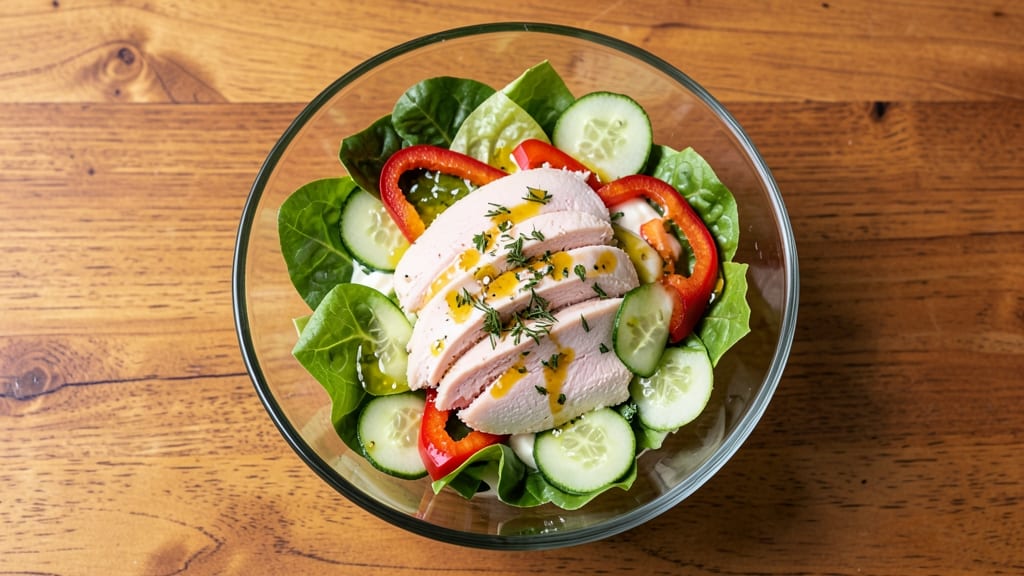
A kidney-friendly chicken salad recipe that delivers protein-packed flavor without compromising on taste or nutrition is exactly what you need for balanced meals. ✨ Growing up in small-town Georgia, I learned early how to stretch ingredients while keeping meals satisfying—this salad does both, using lean chicken breast and carefully selected low-potassium ingredients that still deliver bold flavor.
The secret lies in the dressing—a bright lemon-olive oil base with just enough herbs to elevate the chicken without adding sodium or phosphorus. We'll use simple ingredients like lettuce, cucumber, and bell peppers (in moderation) to create a texture that's crisp and refreshing while keeping portions kidney-friendly.
This isn't about deprivation; it's about smart, flavorful choices.
What you'll end up with is a light yet satisfying salad that's perfect for lunch or a light dinner—protein-rich enough to keep you full but gentle enough for kidney health.
The chicken stays tender, the vegetables stay crisp, and the dressing ties everything together without overpowering. Best of all, it's ready in just 20 minutes with minimal prep.
Serve with whole-grain crackers or a side of steamed green beans to round out the meal. Here's how to make it—simple, nutritious, and delicious.
Ingredients for kidney friendly chicken salad
Lean chicken breast, crisp vegetables, and bright herbs make this kidney-friendly salad satisfying and nutritious.
| Ingredient | Amount | Notes |
|---|---|---|
| Boneless, Skinless Chicken Breast 🍗 | 1 ½ lb | Cut into bite-sized pieces |
| Fresh Romaine Lettuce 🥬 | 4 cups | Chopped, crisp variety |
| Cucumber 🥒 | 1 medium | Seedless, peeled, diced small |
| Red Bell Pepper 🌶️ | ½ cup | Diced, skin removed |
| Extra-Virgin Olive Oil 🫒 | ¼ cup | Light, fruity variety |
| Fresh Lemon Juice 🍋 | 3 tbsp | Strain seeds out |
| Fresh Dill 🌿 | ¼ cup | Chopped, stems removed |
| Fresh Parsley 🌿 | ¼ cup | Chopped, flat-leaf preferred |
| Garlic Cloves 🧄 | 2 cloves | Minced, fresh preferred |
| Fresh Green Beans 🥦 | 1 cup | Trimmed, steamed crisp |
| Diamond Crystal Kosher Salt 🧂 | ¼ tsp | Lightly seasoned |
| Black Pepper 🌶️ | ¼ tsp | Freshly ground |
| Unsalted Butter 🧈 | 1 tbsp | For cooking chicken |
The chicken breast is your protein powerhouse here. Buy boneless, skinless cuts—they cook faster and stay moist. I always grab mine from Whole Foods or the butcher section at Kroger because they're fresher than the pre-packaged stuff. Look for pieces that are pale pink in the center—that's the freshest. For the vegetables, organic cucumbers and bell peppers are worth the extra cost if you're sensitive to pesticides. The romaine? Heaviest heads are the crispest, so grab those outer leaves for extra crunch. Fresh herbs make all the difference—Trader Joe's sells pre-washed dill and parsley in little containers that are perfect for this.
No fresh dill? Dried dill at one-third the amount works, but it won't have that same bright flavor. Short on bell pepper? Red onion works too—just dice it super fine so it doesn't overpower. The cucumber can be subbed with zucchini or celery if you're avoiding potassium. For the dressing, if you don't have fresh lemon juice, bottled lemon juice works—just make sure it's 100% juice with no added water. The olive oil should be light and fruity—avoid the heavy, peppery varieties that can overpower the delicate flavors. And trust me on the butter for cooking the chicken—full-fat gives better flavor than reduced-fat versions.
This salad keeps best when stored in airtight containers in the fridge for up to 3 days. The chicken stays tender if you keep it separate until serving. For meal prep, I portion it into small glass containers—keeps everything crisp and makes lunches easy. The dressing separates after a day, so just give it a good stir before eating. If you want to make it ahead, cook the chicken and store it separately, then toss everything together right before serving. The green beans should be steamed just until crisp—about 3 minutes—and added last to keep them from getting soggy.
Why You'll Love This Recipe
- No-Cook Prep: I swear by this trick—just shred the chicken cold (no cooking required) and toss it with the crisp bell pepper and cucumber. Five minutes of chopping, zero heat, and you’ve got a salad that still feels like a meal.
- Herb-Packed Crunch: The olive oil and fresh lettuce give it that bright, fresh bite, while the bell pepper adds a subtle sweetness. Honestly, it’s the kind of flavor that makes you forget it’s "healthy"—until you remember why you’re eating it.
- Lunchbox Hero: Between us, this is my go-to for work lunches or school lunches. Pack it in a jar, and by the time you’re ready to eat, the flavors meld perfectly. My kids actually ask for it now—(yes, even on a Tuesday).
- Budget Meal Stretch: A whole chicken breast feeds four for under $10, and the veggies last all week. I’ll be real: this is how I stretch groceries without sacrificing taste. Leftovers? They disappear just as fast as the first batch.
Step-by-step instructions for kidney-friendly chicken salad
Here's how to create a protein-rich, flavorful salad that's gentle on kidneys while packed with fresh ingredients.
🍳 Step 1: Cook the Chicken Breast to Juicy Perfection
Heat a large skillet over medium heat and melt the 1 tablespoon unsalted butter. Add the 1.5 lb boneless, skinless chicken breast cut into bite-sized pieces, spreading them out in a single layer. Cook for 5-6 minutes until the chicken loses its opacity and the edges turn lightly golden. Here's the thing—don't overcrowd the pan or the chicken will steam instead of sear.
Flip the chicken pieces and continue cooking for another 4-5 minutes until they reach an internal temperature of 165°F (use an instant-read thermometer to check). The chicken should be fully opaque with no pink remaining. Transfer the cooked chicken to a plate and let it rest for 5 minutes before handling—this prevents it from becoming dry when you mix it with the salad ingredients.
👨🍳 Step 2: Prepare the Fresh Vegetable Base
While the chicken rests, prepare your vegetable components. In a large mixing bowl, combine the 4 cups chopped fresh romaine lettuce, 1 cup trimmed fresh green beans, 1 medium cucumber diced small, and 0.5 cup diced red bell pepper. The lettuce should be crisp and vibrant—if it looks wilted, give it a quick rinse in cold water and drain thoroughly before adding.
Add the 2 cloves minced garlic cloves and toss everything together gently. The garlic will infuse subtle flavor without overpowering the fresh vegetables. Here's where it gets fun—sprinkle the 0.25 tsp freshly ground black pepper over the mix and toss again. The pepper adds a nice kick without relying on sodium-heavy seasonings.
🥘 Step 3: Create the Light, Kidney-Friendly Dressing
In a small bowl, whisk together the 0.25 cup extra-virgin olive oil (light, fruity variety), 3 tablespoons fresh lemon juice (strain seeds out), 0.25 cup chopped fresh dill, and 0.25 cup chopped fresh parsley. The lemon juice should be freshly squeezed—bottled juice lacks the bright acidity that balances the salad's flavors. Add just a pinch of the 0.25 tsp diamond crystal kosher salt (we're being very conservative here for kidney health).
Taste the dressing before combining with the salad. It should be tangy and herbaceous but not overpowering. If it needs more brightness, add another ½ tablespoon lemon juice. This dressing is the heart of your kidney-friendly salad—it adds moisture and flavor without the sodium that can stress kidneys.
🥘 Step 4: Combine All Components Gently
Add the cooked chicken to the vegetable mixture and pour the dressing over everything. Use two large spoons to gently fold the ingredients together—you want to coat the chicken and vegetables evenly without mashing the lettuce or green beans. The chicken should be warm but not hot, and the dressing should be distributed throughout.
Taste and adjust seasoning if needed. Remember, we're keeping sodium minimal, so focus on balancing flavors through acidity (lemon) and fresh herbs (dill and parsley). If you're using this salad as part of a kidney-friendly diet, you'll appreciate how these fresh ingredients provide flavor without the sodium load of traditional dressings.
⏰ Step 5: Serve Immediately for Best Texture
Serve the chicken salad immediately while the chicken is still warm and the lettuce remains crisp. The salad should be vibrant with colors from the red bell pepper, green beans, and fresh herbs. Each bite should offer a balance of tender chicken, crisp vegetables, and bright lemon-herb dressing.
For an extra touch, garnish each serving with additional fresh parsley and a lemon wedge. This salad makes a perfect lunch option or light dinner that's both kidney-friendly and satisfying. The protein from the chicken helps maintain muscle mass, while the vegetables provide essential vitamins and minerals without overtaxing your kidneys.
Pro Tips For Making Kidney Friendly Chicken Salad
- POACH DON’T BOIL: DESCRIPTION: Chicken breast turns rubbery when boiled—it’s a kidney-friendly disaster. Poach it in a pot of water with just a splash of olive oil (about 1/4 cup) and a pinch of salt at 160°F (71°C) for 12-14 minutes. The oil keeps it tender, and the low heat prevents drying out. I learned this after serving my first dry, sad chicken salad—no one wants that.
- SALT THE WATER: DESCRIPTION: Skip the salt in the chicken, but salt the poaching water like the ocean. A full teaspoon of salt in that 1/4 cup of oil-water mix makes the chicken juicier and more flavorful without adding sodium to the final salad. Sounds counterintuitive, but the chicken absorbs just enough to matter.
- CHOP CUCUMBER LAST: DESCRIPTION: Cucumbers release water like a sad sponge if you chop them early. Save this step until right before assembling the salad—toss the diced pieces with a tiny drizzle of olive oil and a squeeze of lemon to keep them crisp. I used to prep everything ahead, only to end up with a soggy mess. Your lettuce will thank you.
- USE COLD CHICKEN: DESCRIPTION: Let the poached chicken cool completely before shredding—warm chicken makes the salad greasy and limp. Spread it on a plate, cover it with plastic wrap, and refrigerate for 20 minutes. Cold chicken holds its shape better, and the salad stays fresher longer. I know, waiting is boring, but it’s worth it.
Troubleshooting great kidney friendly chicken salad
Chicken Too Dry?
If your chicken comes out dry, you likely overcooked it. I’ve seen this happen when people skip the 5-minute rest after cooking or use too high heat. Always cook chicken breast over medium heat and check internal temp with an instant-read thermometer—165°F is non-negotiable.
For extra moisture, add 1 tablespoon chicken broth to the pan when cooking, or marinate the chicken in lemon juice and olive oil for 15 minutes before cooking. 💡
Dressing Too Strong?
The lemon-herb dressing can overpower if you use too much salt or bottled lemon juice. Stick to fresh lemon juice and taste before adding the full 0.25 tsp kosher salt. If it’s too tangy, dilute with 1 teaspoon water or add ½ teaspoon honey to mellow the acidity.
For a milder flavor, reduce the herbs to 0.125 cup each of dill and parsley. The goal is brightness, not overpowering.
Lettuce Too Soggy?
Wet lettuce is the enemy of crisp texture. Always dry your romaine thoroughly after washing—spin it in a salad spinner or pat it dry with paper towels. If your salad sits too long before serving, add 1 extra cup of lettuce right before eating to restore crunch.
For meal prep, store the dressing separately and toss it in just before serving. And never mix wet ingredients (like cucumber) until the very end. 🥬
Chicken Not Cooked Through?
Undercooked chicken is a safety hazard, but it happens when you rush or use thick cuts. Cut your chicken into even ½-inch pieces for consistent cooking. Use a meat thermometer to verify 165°F in the thickest piece.
If you’re short on time, poach the chicken in simmering water for 12-15 minutes instead of pan-searing—it’s foolproof and keeps it moist. I swear by this method when I’m prepping for a crowd.
Vegetables Too Bland?
Freshness is key—wilted veggies mean flavorless veggies. Buy the crispiest cucumbers and bell peppers you can find, and store them in the fridge until ready to use.
For extra zing, add ½ teaspoon apple cider vinegar to the dressing or sprinkle with toasted sesame seeds (if allowed on your diet) for a nutty crunch. A pinch of smoked paprika can also add depth without sodium. 🌶️
Salad Too Heavy?
If the salad feels too dense, you might need more texture contrast. Add ¼ cup diced celery (low-potassium) or ¼ cup shredded carrots for crunch. For a lighter feel, reduce the chicken portion to 1 lb and bulk up with more lettuce and green beans.
Remember, kidney-friendly doesn’t mean boring—balance is everything. I often serve this with a side of steamed asparagus to keep portions light and flavors bright.
Nutrition facts
Frequently asked questions
Can I use canned chicken instead of fresh for this recipe?
Fresh chicken breast is ideal for this kidney-friendly recipe because it's leaner and allows you to control the cooking process. Canned chicken often contains added sodium and preservatives that aren't kidney-friendly. If you must use canned, opt for low-sodium versions and rinse thoroughly before using. For best results, stick with fresh boneless, skinless chicken breast.
What are safe vegetable substitutions for the cucumber and bell pepper?
For a kidney-friendly swap, try zucchini or celery instead of cucumber (both are lower in potassium). For bell pepper, red onion (finely diced) or shredded carrots work well. Always check potassium levels if you're on a strict kidney diet—some vegetables like tomatoes should be avoided. The key is keeping portions small and choosing low-potassium options.
How can I make this salad more protein-rich without adding sodium?
Increase the chicken portion to 2 lbs for a heartier salad while keeping it kidney-friendly. You can also add ¼ cup cooked quinoa (rinsed well to remove excess minerals) or 2 tablespoons of pumpkin seeds (if allowed on your diet). Both options add protein without significant sodium. The lemon-herb dressing already provides enough flavor without needing extra seasoning.
Is this recipe suitable for someone on dialysis?
This recipe is designed to be low in sodium, phosphorus, and potassium, making it generally suitable for many kidney patients. However, dialysis patients should consult their dietitian first as individual needs vary. The recipe avoids high-phosphorus ingredients like dairy and processed foods, but portion sizes and specific ingredient tolerances may need adjustment based on your doctor's recommendations.
Can I prepare this salad ahead of time?
Yes, but with a few key adjustments. Cook the chicken and store it separately in an airtight container in the fridge for up to 3 days. Keep the dressing separate until ready to serve to maintain crispness. When ready to eat, combine everything and add the dressing just before serving. For meal prep, store components in individual containers and assemble fresh for the best texture and flavor.