
Main Courses
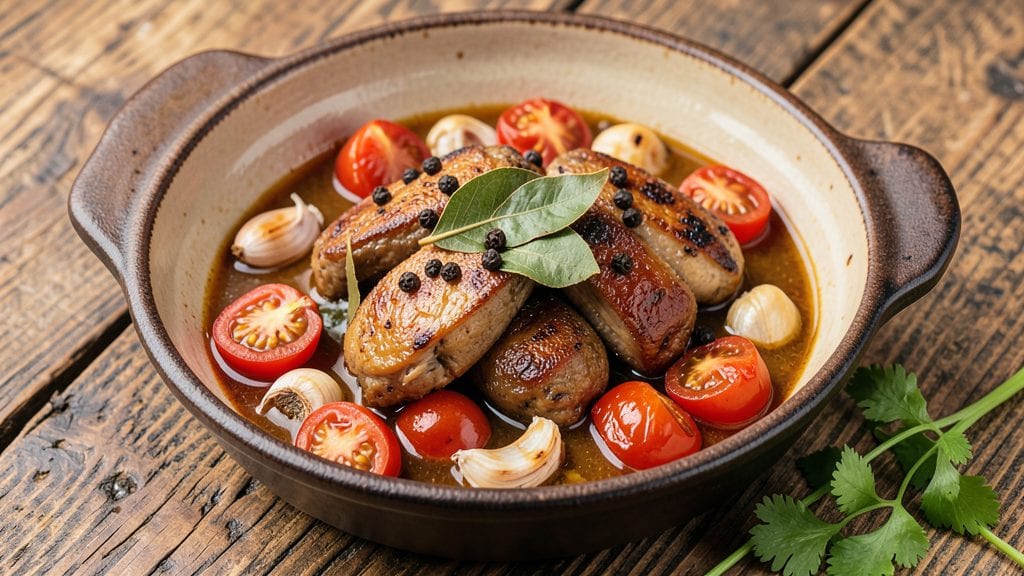
This chicken liver adobo Filipino recipe delivers the bold, tangy-sweet balance that defines Filipino home cooking—crispy edges on tender livers, braised in a rich vinegar-soy sauce with garlic and black peppercorns.
I first tasted this dish in a Manila kitchen where the cook insisted "adobo must sing with acidity," and that lesson stuck with me through years of perfecting it. The key lies in the slow braise, where vinegar tenderizes while building layers of umami that make every bite unforgettable.
The traditional method transforms simple ingredients into something extraordinary. You'll start with chicken livers seared until golden, then simmered in a sauce of soy sauce, cane vinegar, garlic, and bay leaves until the liquid reduces to a glossy, caramelized glaze.
The result? Livers that stay juicy inside with edges crisp enough to hold a fork—textures that balance perfectly against the sauce's tangy depth. This isn't just comfort food; it's a celebration of Filipino home cooking techniques passed down through generations.
What makes this recipe special is how it transforms humble ingredients into a restaurant-worthy dish with minimal effort. The sauce develops complex flavors as it reduces, creating a glossy coating that clings to each liver.
Serve it over steamed jasmine rice to soak up every last drop of that vibrant, slightly sweet adobo sauce. For an authentic touch, pair with atchara (pickled papaya) to cut through the richness with its bright, tangy crunch.
This dish is perfect for weeknight dinners when you crave something bold or for special occasions where you want to impress with authentic Filipino flavors. The technique is straightforward, but the results are anything but ordinary—crispy, tender, and packed with the kind of depth that makes people ask for seconds.
Let's get cooking!
Ingredients for chicken liver adobo filipino
Simple ingredients transform into Filipino comfort food with crispy edges and tangy depth.
| Ingredient | Amount | Notes |
|---|---|---|
| Chicken Livers 🍗 | 1 ½ lb | Freshly cleaned, trimmed |
| Cane Vinegar 🍶 | ½ cup | White or cane preferred |
| Soy Sauce 🥄 | ½ cup | Light or dark preferred |
| Garlic Cloves 🧄 | 8 cloves | Freshly minced, aromatic |
| Black Peppercorns 🌶️ | 1 tbsp | Whole, lightly crushed |
| Bay Leaves 🍃 | 2 whole | Fresh or dried, fragrant |
| Olive Oil 🫒 | 2 tbsp | Extra-virgin for searing |
| Brown Sugar 🍚 | 2 tbsp | Light or dark preferred |
| Salt 🧂 | 1 ½ tsp | Kosher or sea salt |
| Jasmine Rice 🍚 | 1 ½ cups | Uncooked, long-grain |
| Water 💧 | 2 ½ cups | Filtered preferred |
| Pickled Papaya (Atchara) 🍈 | ½ cup | Optional, for serving |
The chicken livers are the star—freshness is critical to avoid bitterness. Look for bright red livers at your local butcher or Filipino markets like Filipino Supermarket or Asian Food Basics, where they often carry them pre-cleaned. If buying whole, trim off any connective tissue and soak in cold water for 10 minutes to remove any blood. Costco and Trader Joe's sometimes stock them too, but check the sell-by date. The vinegar should be cane vinegar if available—it has a cleaner, sweeter acidity than white vinegar, which is key for authentic adobo. If you can't find it, white vinegar works in a pinch, but reduce the amount to 3 tbsp to avoid overpowering the dish.
No cane vinegar? White vinegar or apple cider vinegar both work, though cane vinegar's subtle sweetness is ideal. Swap soy sauce for tamari if gluten-free, but traditional Filipino soy sauce brands like Silver Swan or Datu Puti add depth. For the garlic, roasted garlic adds a mellow sweetness, but fresh minced is traditional. The black peppercorns should be lightly crushed in a mortar or with the flat side of a knife—this releases their aroma without turning the sauce bitter. If you're short on time, pre-minced garlic from a jar is fine, but add an extra clove to compensate for flavor loss. The bay leaves? Fresh is best, but dried works too—just double the amount.
This dish tastes even better the next day as the flavors meld. Store leftovers in an airtight container in the fridge for up to 4 days, though the sauce will thicken further. To reheat, add a splash of water or vinegar and simmer gently—never microwave, as it ruins the crispy edges. The rice? Cook it in advance and keep it warm in a rice cooker or covered pot. For serving, garnish with extra minced garlic and black peppercorns for a pop of color and flavor. If you have extra atchara, store it in the fridge for up to 2 weeks—its tangy crunch cuts through the richness perfectly.
Why You'll Love This Recipe
- One-Pan Magic: I swear by this recipe—just toss the livers in a hot pan with minced garlic, let them sear until golden, then pour in the vinegar and soy. That’s it. No chopping, no fuss, just hands-off simmering while you stir in peppercorns at the end.
- Umami Bomb: The soy and vinegar combo turns these livers into something ridiculously good—tangy, salty, with that deep, savory richness. Honestly, the first time I made it, I kept going back for seconds, and that’s saying something for someone who usually skips liver.
- Budget Win: Chicken livers are cheap, and this recipe stretches them far. A single panful feeds four, and leftovers reheat like a dream—just toss them in a skillet with a splash of water. Between us, it’s my go-to when I need to stretch a meal without sacrificing flavor.
Step-by-step instructions for chicken liver adobo Filipino recipe
Here's the method to achieve perfectly balanced Filipino-style adobo with tender chicken livers and crispy edges.
Prepare the Chicken Livers for Cooking
Start by trimming any excess fat and connective tissue from the 1.5 lb chicken livers using a sharp knife. Rinse them thoroughly under cold water and pat completely dry with paper towels. This step is crucial for crispy edges later—any moisture will prevent proper browning.
In a medium bowl, combine the 1.5 tsp salt and 1 tbsp black peppercorns (lightly crushed between a rolling pin and plate). Toss the dried chicken livers with this seasoning until evenly coated. Let them sit at room temperature for 15 minutes while you prepare the remaining ingredients.
Sear the Chicken Livers Until Crispy
Heat 2 tbsp olive oil in a large skillet over medium-high heat until shimmering but not smoking. Working in batches if needed, add the seasoned chicken livers in a single layer. Cook undisturbed for 2-3 minutes per side until they develop deep golden-brown crusts. This high-heat searing creates the crispy texture that defines this dish.
Transfer the cooked livers to a plate and set aside. You'll know they're ready when they release easily from the pan and have crispy edges. If any pieces stick, gently scrape them free with a spatula—they'll finish cooking in the braising liquid.
Build the Adobo Braising Liquid
In the same skillet, reduce heat to medium and add the 8 cloves minced garlic. Sauté for 30 seconds until fragrant but not browned. Pour in the 0.5 cup cane vinegar and 0.5 cup soy sauce, scraping up any browned bits from the bottom of the pan. These bits contain concentrated flavor that will infuse the livers.
Add the 2 tbsp brown sugar and 2 whole bay leaves, stirring to dissolve the sugar completely. Let the mixture simmer for 2-3 minutes until slightly reduced and syrupy. This forms the flavor base that will tenderize the livers while adding sweet-savory depth.
Braise the Chicken Livers to Perfection
Return the seared chicken livers to the skillet with their accumulated juices. Pour in 1 cup water (enough to partially cover the livers) and bring to a gentle simmer. Cover partially and cook for 10-12 minutes on low heat, stirring occasionally, until the livers are fork-tender and the sauce has thickened to a glossy consistency.
Check for doneness by piercing a liver with a fork—it should be tender with no resistance. If the sauce reduces too quickly, add 1-2 tablespoons water at a time to maintain proper moisture. The livers should be cooked through but still retain their shape, with crispy edges from the initial searing.
Prepare and Serve with Jasmine Rice
While the livers braise, rinse the 1.5 cups jasmine rice under cold water until the water runs clear. In a separate pot, combine the rice with 2.5 cups water and bring to a boil. Reduce heat to low, cover, and simmer for 15 minutes or until the water is absorbed. Let it steam off heat for 5 minutes before fluffing with a fork.
Serve the chicken liver adobo hot over the jasmine rice, spooning the rich braising sauce generously over the top. For presentation, arrange 0.5 cup pickled papaya (atchara) around the plate to cut through the richness. The combination of crispy edges, tender meat, and tangy-sweet sauce creates a perfect balance of textures and flavors.
Pro Tips For Making Chicken Liver Adobo Filipino
- Blanching First: Toss raw chicken livers in simmering water for 30 seconds before cooking—this removes blood and prevents bitterness. I learned this the hard way after one batch tasted like a butcher shop. Pat them very dry afterward, or they’ll steam instead of sear.
- Sear, Then Simmer: Get those livers blistering hot in oil for 1-2 minutes before adding vinegar and soy sauce. After burning three batches, I finally figured out: high heat first locks in flavor, while slow simmering later keeps them tender. Don’t rush the sear—it’s non-negotiable.
- Vinegar Ratio Matters: Use ¼ cup cane vinegar per pound of livers, no more. Too much turns the sauce into a mouth-puckering mess. My grandmother swore by this, and she was right: balance is everything. Taste as you go—adjust with a splash of water if needed.
- Crush Garlic, Don’t Chop: Smash the garlic cloves flat with the side of your knife before mincing—this releases more aroma. I was skeptical until I tried it: the sauce tastes deeper, like someone actually bothered. Skip this, and you’re missing half the flavor.
Troubleshooting this dish
Livers Too Bitter?
Freshness is everything with chicken livers—they can turn bitter if not handled properly. Always buy from a trusted butcher and soak them in cold water for 10-15 minutes to remove blood.
For extra insurance, blanch them in boiling water for 30 seconds before searing. I swear by this step when using livers that might be on the older side. 💫
Sauce Too Thin?
If your adobo sauce isn't thickening enough, reduce it uncovered over medium-high heat for an extra 5-7 minutes while stirring frequently. For a quicker fix, mix 1 tsp cornstarch with 1 tbsp cold water, then stir into the sauce until it reaches your desired consistency.
The sauce should coat the back of a spoon but still be pourable.
Livers Overcooked?
Chicken livers cook fast—once they reach 160°F internal temperature, they're done. If yours turn rubbery, you likely overcooked them. Next time, reduce the braising time to 8-10 minutes and check doneness earlier. I've found that pulling them out just when they're barely tender gives the best texture. 🌡️
Vinegar Overpowering?
If the vinegar taste dominates, balance it by adding 1 tsp brown sugar or a pinch of salt to the sauce. For a more authentic approach, simmer the sauce longer to let the flavors meld.
The sugar will help caramelize the vinegar's acidity, creating a more complex flavor profile. I've also had success adding a splash of coconut milk at the end for richness.
Crispy Edges Missing?
To get those perfect crispy edges, ensure your livers are completely dry before searing. Pat them thoroughly with paper towels, then let them sit uncovered for 10 minutes to evaporate any remaining moisture.
Cook them in batches if needed to avoid crowding the pan, which steams instead of crisps. A 12-inch cast iron skillet works best for even heat distribution.
Sauce Too Salty?
If your sauce tastes too salty, dilute it with 2-3 tablespoons water and simmer for another 3-5 minutes to reduce. For a sweeter balance, stir in ½ tsp honey or 1 tsp brown sugar.
Taste as you go—adjust gradually to avoid overcorrecting. I keep a small bowl of water nearby when testing sauces to dilute them incrementally. 💡
Nutrition facts
Frequently asked questions
Why do I need to soak chicken livers before cooking?
Soaking removes excess blood and connective tissue that can make livers bitter or tough. A 10-15 minute cold water soak works wonders—it also helps them absorb flavors better during cooking. For extra insurance, pat them completely dry before searing to ensure crispy edges.
Can I substitute white vinegar for cane vinegar?
Yes, but use only 3 tablespoons instead of ½ cup—white vinegar is more acidic and can overpower the dish. Cane vinegar has a sweeter, milder acidity that balances the soy sauce better. For a middle ground, try apple cider vinegar at the same amount as cane vinegar.
How do I know when the livers are fully cooked?
They're done when they reach 160°F internal temperature and are fork-tender with no resistance. Overcooking turns them rubbery, so aim for 10-12 minutes of braising time. The sauce should thicken to a glossy consistency that clings to the livers.
What's the best way to store leftovers?
Transfer to an airtight container and refrigerate for up to 4 days. The flavors actually improve overnight as the sauce reduces further. To reheat, simmer gently with a splash of water or vinegar—never microwave, as it destroys the crispy edges.
Can I make this recipe without soy sauce?
While traditional, you can substitute with ½ cup coconut aminos (gluten-free) or ½ cup fish sauce for umami depth. Reduce the vinegar to ¼ cup if using fish sauce, as it's saltier. The sauce will still develop rich flavors, though the texture may be slightly lighter.