
Main Courses
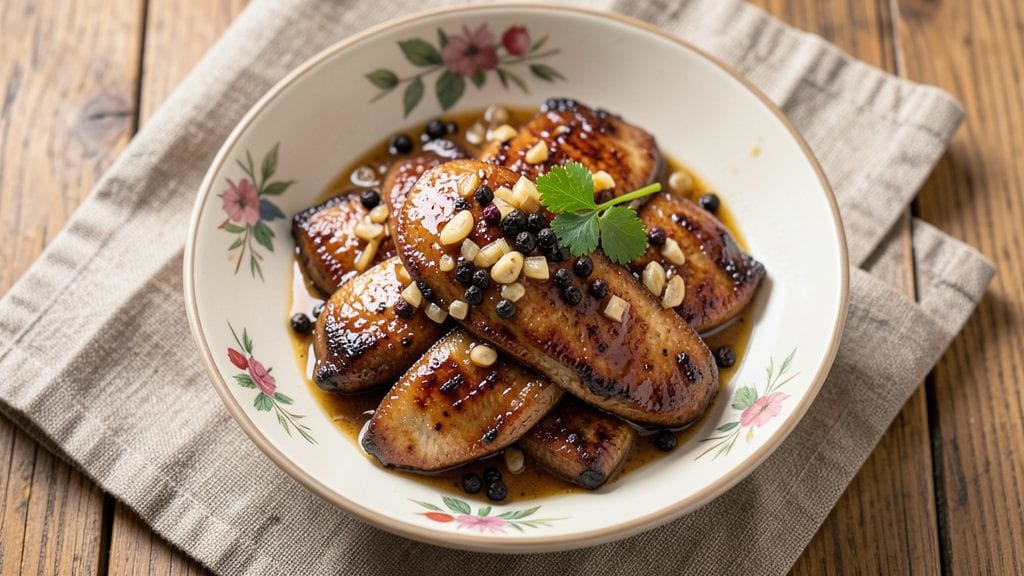
This Filipino chicken liver recipe delivers the bold, savory flavors of tortang pato—crispy pan-fried livers with a tangy soy-vinegar glaze that balances richness perfectly.
The secret lies in marinating the livers overnight in a blend of soy sauce, vinegar, and aromatic spices, transforming them into a dish that’s both restaurant-worthy and deeply rooted in Filipino home cooking traditions.
What sets this recipe apart is the two-step cooking process: first, pan-frying the livers until golden and crispy, then deglazing the pan with the marinade to create a glossy, umami-packed sauce.
The result is tender yet crispy livers with a sticky, slightly sweet-sour glaze that clings to every bite—just like the versions you’d find in Filipino carinderias.
Serve this dish with steamed white rice to soak up every last drop of the savory glaze, and pair it with a tangy atchara (pickled papaya) to cut through the richness.
The combination of textures and flavors makes this a standout centerpiece for family gatherings or special occasions, where it’s sure to impress.
This recipe stays true to tradition while making it accessible for home cooks—no special equipment required, just patience for the marinating and attention to the frying technique. The result? A dish that tastes like a taste of home, no matter where you are.
Ingredients for chicken liver filipino
Twelve core ingredients transform simple chicken livers into Filipino restaurant-quality tortang pato.
| Ingredient | Amount | Notes |
|---|---|---|
| Chicken Livers 🍗 | 1 ½ lb | Fresh, trimmed of connective tissue |
| Soy Sauce 🍶 | ½ cup | High-quality, preferably Filipino brand |
| White Vinegar 💧 | ¼ cup | White or cane vinegar preferred |
| Garlic Cloves 🧄 | 8 cloves | Minced, for marinade and frying |
| Onion 🧅 | 1 whole | Yellow or red, thinly sliced |
| Black Peppercorns 🌶️ | 1 ½ tsp | Freshly cracked, coarse grind |
| Bay Leaves 🍃 | 2 whole | Dried, for marinade depth |
| Sugar 🍚 | 1 tbsp | Granulated, balances acidity |
| Olive Oil 🫒 | ½ cup | High smoke point for frying |
| Salt 🧂 | 1 ½ tsp | Diamond Crystal kosher salt |
| Ground White Pepper 🌶️ | ½ tsp | For serving, traditional finish |
| Green Onions 🧅 | 2 whole | Thinly sliced, for garnish |
| White Rice 🍚 | 2 cups | Uncooked, long-grain preferred |
The quality of chicken livers makes all the difference—fresh, bright red livers from a trusted butcher are non-negotiable. Look for uniform size pieces (about 1-inch cubes) to ensure even cooking. Filipino soy sauce brands like Silver Swan or Datu Puti add authentic depth, though any high-quality soy sauce works. Trim all connective tissue and soak the livers in cold water for 10 minutes to remove any blood, then pat thoroughly dry before marinating. The bay leaves and white pepper create the aromatic base that defines this dish's complexity.
No Filipino soy sauce? Japanese soy sauce with a splash of mirin provides a close substitute. Substituting vinegar? Rice vinegar works equally well, though white vinegar's sharpness is traditional. For the garlic, garlic powder at half the amount can be used in a pinch, though fresh is ideal. The sugar balances the acidity—brown sugar or honey can replace granulated, though the texture of the glaze may vary slightly. For the rice, jasmine rice is traditional, but any long-grain white rice will suffice. If you're serving this for a crowd, double the marinade ingredients for the same quantity of livers.
Marinated livers keep 2 days in the fridge before cooking, though they're best used immediately for peak tenderness. The glaze thickens as it cools, so reheat gently with a splash of water if serving later. Store cooked livers in an airtight container with the sauce for up to 3 days, though the texture softens over time. For meal prep, freeze the cooked livers and sauce separately—thaw and reheat gently to preserve the crispy texture. The rice should be steamed fresh for serving, as it absorbs the glaze best when hot.
Why You'll Love This Recipe
- Pan’s Best Friend: I swear by this one—just sear the livers in a hot pan with garlic and onion until they’re golden, then deglaze with vinegar and soy. That’s it. No fancy techniques, no stress.
- Umami Bomb: The vinegar cuts through the richness of the livers while the soy sauce adds that deep, savory punch. Honestly, the first bite hits like a flavor upgrade I didn’t know I needed.
- Leftover Hero: These keep perfectly for days—reheat them in a skillet or toss into fried rice. My kids beg for the leftovers, and I secretly love that I’m sneaking in protein.
- Budget Flex: Chicken livers are cheap, and this recipe stretches them far. A pound feeds four, and the garlic-onion base makes it taste like you spent hours. (Between us, it’s my go-to when groceries are tight.)
Step-by-step instructions for chicken liver Filipino recipe
Master this technique for perfectly crispy chicken livers with a glossy soy-vinegar glaze every time.
Prepare the Chicken Livers and Marinade
Rinse the 1.5 lb chicken livers under cold water and pat them completely dry with paper towels. Remove any connective tissue or silver skin using your fingers or a paring knife—this ensures tender, clean bites. In a large bowl, combine the 0.5 cup soy sauce, 0.25 cup white vinegar, 8 cloves minced garlic cloves, 1 whole thinly sliced onion, 1.5 tsp cracked black peppercorns, 2 whole bay leaves, and 1 tbsp sugar. Stir until the sugar dissolves completely, creating a balanced marinade that tenderizes while adding depth.
Add the chicken livers to the marinade and turn to coat evenly. Cover and refrigerate for at least 2 hours, or preferably overnight. This extended marination breaks down the liver's natural toughness and infuses it with the savory-sweet glaze. The acidity from the vinegar also helps prevent the livers from drying out during cooking.
Cook the White Rice
Rinse the 2 cups white rice under cold water until the water runs clear, then drain well. In a medium pot, combine the rice with 4 cups water (or follow your preferred rice-to-water ratio) and bring to a boil. Once boiling, reduce heat to low, cover tightly, and simmer for 15-18 minutes until the liquid is fully absorbed and the rice is tender. Remove from heat and let it steam, covered, for an additional 5 minutes. Fluff with a fork and keep warm until ready to serve.
I prefer using a 1:2 rice-to-water ratio for long-grain rice, but adjust slightly based on your stove's heat output. The rice should be perfectly cooked and separate—no mushy grains—so it serves as a neutral base for the rich, flavorful livers.
Pan-Fry the Chicken Livers to Crispy Perfection
Heat 0.5 cup olive oil in a large skillet over medium-high heat until shimmering but not smoking. Working in batches to avoid overcrowding, remove the chicken livers from the marinade (discard the used marinade) and pat them dry once more with paper towels. This step is critical—excess moisture will cause the livers to steam instead of sear. Add the livers to the skillet in a single layer and cook undisturbed for 2-3 minutes until the undersides develop a deep golden-brown crust.
Flip the livers carefully and cook for another 2-3 minutes until the second side is equally crispy and the internal temperature reaches 145°F on an instant-read thermometer. The livers should release easily from the pan when ready. Transfer to a plate and tent loosely with foil to keep warm while you finish the remaining batches. The key to crispy livers lies in high heat and minimal movement—this creates the perfect caramelized exterior while keeping the interior juicy.
Finish and Serve
Return the skillet to medium heat and add the reserved marinade (strain it if you prefer a smoother sauce). Simmer for 3-4 minutes until the liquid reduces by half and thickens slightly into a glossy glaze. Taste and adjust seasoning with additional salt if needed—Filipino-style dishes often rely on bold, balanced flavors. Stir in the 0.5 tsp ground white pepper and 2 whole thinly sliced green onions, reserving a few slices for garnish.
Serve the crispy chicken livers immediately over the 2 cups cooked white rice, spooning the soy-vinegar glaze generously over the top. Garnish with the reserved green onion slices and an extra sprinkle of ground white pepper for a traditional finish. The contrast of crispy livers against tender rice and the tangy-sweet glaze makes this dish unforgettable. Enjoy while the livers are at their peak texture—crispy on the outside, moist and flavorful within.
Pro Tips For Making Chicken Liver Filipino
- Scald Livers First: Dump raw chicken livers into a pot of boiling water for 30 seconds, then drain and rinse. Trust me, this removes that metallic taste—no more wondering why your dish tastes like a vet’s office.
- Sear in Batches: Crowd the pan and they’ll steam instead of brown. Use a 12-inch skillet and cook livers in two batches over medium-high heat—golden crust means flavor, not gray mush.
- Soak in Vinegar: Toss cleaned livers in a bowl of cold water with 2 tablespoons white vinegar for 10 minutes. Cuts the bloodiness and lets the soy sauce shine later—no more pink surprises.
- Bloom Garlic First: Mince garlic fine and fry it in oil until it’s golden, not just fragrant. Skimp here and you’ll taste raw garlic in every bite—this is the step that makes the whole dish sing.
Health benefits of this recipe
Iron-Rich Protein Boost
Chicken livers are one of nature’s most concentrated sources of heme iron—a highly bioavailable form that your body absorbs efficiently. A 3.5-ounce serving (about 4-5 pieces) provides a staggering 5.5mg of iron, which is 30% of your daily value.
This makes this dish especially valuable for preventing iron-deficiency anemia, particularly for women or individuals with higher iron needs. 💪
Liver-Specific Nutrients
Beyond iron, chicken livers are packed with vitamin A (from retinol), providing 1,200% of your daily needs per serving—critical for vision, immune function, and skin health. They also contain copper and zinc, both essential for energy metabolism and immune support.
The marinade’s garlic and onion boost these nutrients further by enhancing absorption through their sulfur compounds.
Low-Calorie High-Protein
At just 120 calories per 3.5-ounce serving, these livers deliver 20 grams of protein—making them an excellent choice for muscle repair and satiety without excess calories.
The soy-vinegar glaze adds minimal calories while enhancing flavor, keeping this dish both nutritious and indulgent. Perfect for those watching their weight but not their protein intake!
Digestive Benefits
The combination of garlic, onion, and black pepper in the marinade supports digestion by stimulating stomach acid production. Garlic’s allicin compounds also have natural antibacterial properties, while the liver’s nutrients help maintain a healthy gut lining.
The vinegar in the glaze aids in breaking down proteins, making this dish surprisingly gentle on digestion despite its rich flavors.
Cultural Comfort Food
In Filipino cuisine, liver dishes like tortang pato are considered tonic foods—believed to boost energy and vitality. The balance of umami (soy sauce), acidity (vinegar), and sweetness (sugar) creates a harmonious flavor profile that’s both comforting and nourishing.
This dish is often served during family gatherings or after illnesses, reflecting its reputation as a restorative meal. 🌱
Balanced Meal Pairing
Serving these livers with steamed white rice creates a complete protein profile, as rice provides the amino acids liver lacks. The atchara (pickled papaya) side adds vitamin C, which enhances iron absorption from the livers by up to 300%. This traditional pairing transforms a simple meal into a nutritionally powerhouse that supports overall health and energy levels.
Nutrition facts
Frequently asked questions
Why do we marinate chicken livers overnight for this recipe?
The overnight marinade is key to tenderizing the livers and infusing them with flavor. The acidity from vinegar and soy sauce breaks down the tough fibers, while the garlic and spices create a deep, aromatic base. This method ensures the livers stay moist and packed with flavor during cooking.
Can I substitute beef or pork liver in this recipe?
While you can technically use beef or pork liver, chicken liver is preferred for its milder flavor and tender texture. Beef liver has a stronger taste and requires longer cooking, while pork liver can be fattier. For best results, stick with chicken liver to match the traditional Filipino preparation.
What's the best way to store leftover chicken liver Filipino-style?
Store cooked livers in an airtight container with the glaze for up to 3 days in the fridge. For longer storage, freeze the livers and sauce separately—thaw overnight in the fridge and reheat gently to maintain crispiness. Avoid reheating in the microwave to preserve texture.
How do I prevent the livers from turning rubbery?
Overcooking is the main culprit. Use a meat thermometer to check for 145°F internal temperature, and never overcrowd the pan. Also, pat the livers completely dry before frying to ensure proper browning. The marinade time helps prevent toughness, but cooking them too long will always ruin the texture.
What sides pair best with this dish?
Steamed white rice is traditional, but you can also serve with garlic fried rice, sinigang (sour soup), or atchara (pickled papaya) for contrast. The tangy vinegar glaze pairs especially well with crisp vegetables like lettuce or cucumber to balance the richness.