
Main Courses
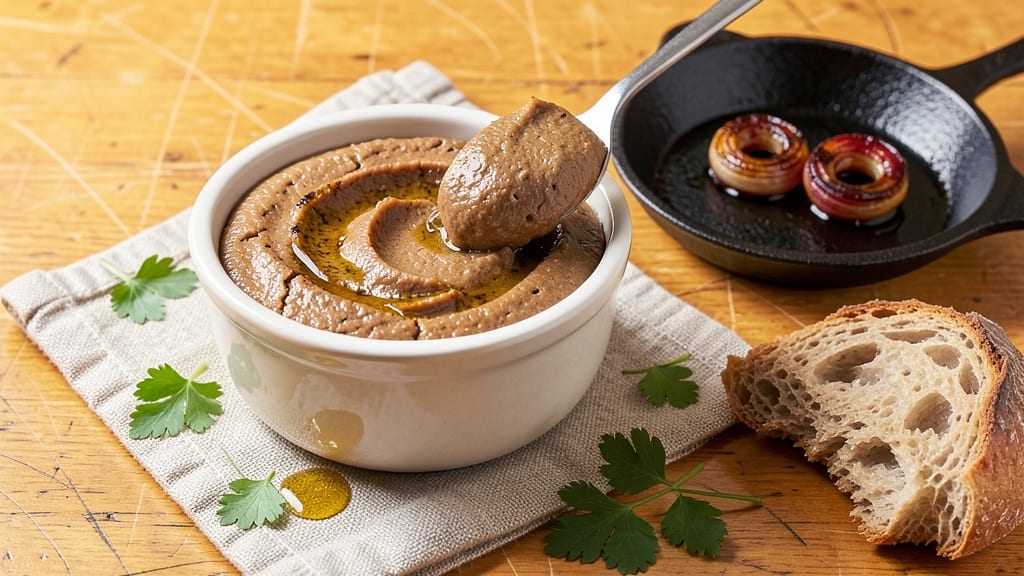
This chicken liver pâté recipe from Barefoot Contessa delivers the luxurious, velvety texture and herb-infused richness that makes it a showstopper at any table. After years of perfecting the technique, I’ve refined the method to ensure silky-smooth consistency while keeping the preparation accessible—no culinary degree required.
The key lies in rendering the livers properly and blending them with just the right balance of butter, eggs, and fresh herbs.
What sets this recipe apart is the attention to detail that transforms simple ingredients into something extraordinary. You’ll start by carefully trimming and rinsing the livers, then rendering them in butter until they’re perfectly tender.
The blending process is where the magic happens—combining the warm livers with cold butter and eggs creates that signature silky texture, while fresh herbs add brightness without overpowering the rich liver flavor.
Once baked to golden perfection, this pâté emerges with a glossy sheen and a texture that’s impossible to resist. The aroma alone will draw everyone to the table, and the first bite delivers that unmistakable combination of creamy, herby, and slightly savory notes.
It’s the kind of dish that elevates a simple gathering into an elegant experience, all while being surprisingly straightforward to prepare.
Serve this pâté with crusty bread, crackers, or fresh vegetables for a sophisticated appetizer or light main course. The recipe scales beautifully, making it perfect for everything from intimate dinners to larger gatherings. Let’s get started on creating this timeless classic.
Ingredients for chicken liver pate recipe barefoot contessa
Eleven ingredients transform simple chicken livers into velvety pâté with herb-infused richness.
| Ingredient | Amount | Notes |
|---|---|---|
| Chicken Livers 🍗 | 1 lb | Fresh, trimmed of connective tissue |
| Unsalted Butter 🧈 | ½ cup | Cold, cut into cubes |
| Large Eggs 🥚 | 2 whole | Room temperature |
| Fresh Tarragon Leaves 🌿 | ¼ cup | Finely chopped, stems removed |
| Fresh Parsley Leaves 🌿 | ¼ cup | Finely chopped, flat-leaf preferred |
| Shallots 🧅 | 2 whole | Finely minced, about 2 tbsp |
| Diamond Crystal Kosher Salt 🧂 | ½ tsp | Fine grain preferred |
| Freshly Ground Black Pepper 🌶️ | ¼ tsp | Coarsely cracked |
| Dry Sherry 🍷 | ¼ cup | Amontillado preferred |
| Heavy Cream 🥛 | ¼ cup | Cold, for topping |
| Extra-Virgin Olive Oil 🫒 | 1 tbsp | For greasing ramekins |
| Fresh Chives 🌿 | 2 tbsp | Finely chopped, for garnish |
The quality of chicken livers makes all the difference. Fresh, organic livers from a trusted butcher yield the best results—look for vibrant red color and minimal connective tissue. Whole Foods Market or specialty grocers like Eataly typically carry premium cuts, but standard grocery stores often stock them in the meat counter. Trim any visible connective tissue or fat before rinsing thoroughly under cold water. For optimal texture, pat dry completely with paper towels before rendering. If using frozen livers, thaw them overnight in the refrigerator and drain well.
Substitutions should preserve the pâté's delicate balance. Dried tarragon can replace fresh at one-third the amount, though it lacks the same brightness. Short on shallots? One small yellow onion minced finely works, but taste before proceeding. No sherry? Dry white wine or chicken stock maintains depth, though sherry's nutty notes are ideal. For a dairy-free version, omit the heavy cream topping and serve with olive oil drizzle instead. The herbs are non-negotiable—fresh is essential for that signature herby brightness, though you could blend in 1 tbsp dried chervil if absolutely necessary.
Preparation efficiency ensures perfect texture. Render the livers in butter over medium-low heat until golden—never rush this step or they'll release bitter juices. The pâté should be smooth enough to pipe but firm enough to hold shape when chilled. For make-ahead convenience, prepare the mixture up to 24 hours ahead and refrigerate uncovered until set. Reheat gently in a water bath at 350°F for 10-12 minutes. Garnish with chives just before serving to maintain vibrant color. Store leftovers in an airtight container for up to 3 days in the refrigerator, though texture may slightly degrade after day 2.
Why You'll Love This Recipe
- Foolproof First-Timer: I swear, the only tricky part is rinsing the livers—no fancy knife skills needed. The rest? Just a food processor, a pan, and 10 minutes of hands-off melting butter.
- Tarragon Magic: That fresh tarragon and parsley? It’s the secret weapon—bright, herbal, and just enough to make the rich liver taste luxurious without overpowering. (Yes, even my herb-skeptical husband agrees.)
- Party Ready: Spread it on crusty bread for a crowd, or dollop it on toasted baguettes at brunch. It’s the kind of dish that makes you look fancy while taking zero effort—just scoop and serve.
- Budget Luxury: Chicken livers are cheaper than steak, but this tastes like a gourmet spread. Honestly, I make it when I want to feel fancy without breaking the bank—leftovers? Even better for sandwiches.
Step-by-step instructions for chicken liver pâté
This method delivers a velvety, herb-infused pâté with perfect texture and depth of flavor.
Prepare and Blanch the Chicken Livers
Trim any connective tissue or silver skin from the 1 lb chicken livers, then rinse them under cold water. This step ensures your pâté has a smooth, luxurious texture without any gritty surprises. Place the cleaned livers in a saucepan and cover with cold water by about 1 inch.
Bring to a gentle simmer over medium heat and cook for exactly 3-4 minutes—just until the livers turn opaque and the water begins to cloud slightly. This quick blanch removes any blood and prepares them for the silky transformation ahead. Drain immediately and rinse under cold water again to stop the cooking process. Pat completely dry with paper towels, removing every last drop of moisture.
Sauté Shallots and Herbs in Butter
In a 10-inch skillet, melt the 0.5 cup unsalted butter over medium heat until it foams but doesn't brown. Add the 2 whole shallots and cook for 4-5 minutes until they're translucent and just beginning to soften. Here's the thing—don't let them color or they'll add bitterness to your pâté.
Stir in the 0.25 cup chopped tarragon leaves and 0.25 cup chopped parsley, cooking for another 1-2 minutes until the herbs release their aromatic oils. Remove from heat and let cool slightly—this aromatic base forms the flavor foundation of your pâté. The butter should coat the back of a spoon, indicating it's ready for the next step.
Process the Livers with Eggs and Seasonings
Transfer the cooked livers, shallot-herb butter mixture, and 0.25 cup dry sherry to a food processor fitted with the metal blade. Pulse just until the livers break down into a coarse paste—you want some texture, not a smooth purée. Add the 2 whole eggs, 0.5 tsp diamond crystal kosher salt, and 0.25 tsp freshly ground black pepper, then process until completely smooth, about 30-45 seconds.
Scrape down the sides of the bowl with a spatula and process for another 15 seconds to ensure even consistency. The mixture should be silky and homogeneous, with no visible liver pieces. This is where your pâté's luxurious texture begins to form. If the mixture seems too thick, add 1 teaspoon of water at a time until it reaches a spreadable consistency.
Bake for Silky Perfection
Preheat your oven to 325°F. Lightly grease four 6-ounce ramekins or small ovenproof dishes with the 1 tbsp extra-virgin olive oil. Divide the pâté evenly among the ramekins, smoothing the tops with a spatula. Cover each ramekin tightly with aluminum foil and place them in a baking dish.
Pour hot water into the baking dish until it reaches halfway up the sides of the ramekins. This water bath ensures gentle, even cooking. Bake for 30-35 minutes until the pâté is just set but still slightly jiggly in the center—it should register 160°F internally. The water bath prevents the pâté from drying out while allowing it to cook through evenly.
Finish and Garnish
Remove the ramekins from the water bath and let cool at room temperature for 15 minutes. Then refrigerate for at least 2 hours or up to overnight—this resting period allows the flavors to meld and the texture to firm up beautifully. When ready to serve, carefully unmold the pâté onto a serving platter.
Drizzle with the 0.25 cup cold heavy cream and garnish with the 2 tbsp finely chopped fresh chives. The cream adds a luxurious sheen and balances the richness. Serve with crusty bread, crackers, or apple slices for the perfect appetizer or party bite. Each spoonful should deliver a velvety texture with bright herb notes and deep umami richness.
Pro Tips For Making Chicken Liver Pate Recipe Barefoot Contessa
- Trim the Gall Bladders: Chicken livers come with tiny green gall bladders—leave them in and you’ll taste bitterness. Pop them off with your fingers while the livers are still cold; it takes 30 seconds but saves you from scraping them out later.
- Sear on High Heat: The Barefoot Contessa method calls for a quick sear—don’t skimp. Get your pan screaming hot (medium-high to high) and cook the livers in batches for 2-3 minutes per side until deeply browned. Rushed searing means bland pate.
- Strain the Butter: After melting the butter with the livers, strain it through a fine-mesh sieve before mixing with the eggs. This removes any stray bits of liver or tarragon stems, resulting in a silky-smooth texture instead of a grainy one.
- Chill Before Mixing: Let the cooked livers cool to room temperature (about 10 minutes) before blending with eggs and herbs. Cold livers prevent scrambling when mixed, and the butter won’t separate like it does when still hot.
Troubleshooting perfect results
Lumpy Texture Troubles
If your pâté turns out grainy or lumpy, it’s likely from under-processing or using cold ingredients. First, ensure your chicken livers are completely dry before blending—they must be bone-dry to prevent clumping. I’ve found that processing the mixture in 30-second bursts with scraping-downs between each ensures even texture.
For extra insurance, add 1 teaspoon of cold heavy cream to the food processor while blending—this helps emulsify the mixture for a silky finish. 💡
Overcooked or Dry Pâté
Pâté that’s dry or rubbery usually means it was overcooked or baked too long. The internal temperature should reach 160°F but not exceed it—this is your sweet spot for a creamy texture. I recommend using an instant-read thermometer to monitor the center.
If your pâté cracks or dries out during baking, try reducing the baking time by 5 minutes and checking for doneness earlier. Covering the ramekins with foil during the entire baking process also helps retain moisture. ⏱️
Bitter or Off Flavors
Bitterness in chicken liver pâté typically comes from overcooking the livers or using old ingredients. Never let the livers simmer for more than 4 minutes during the blanching step—any longer and they’ll release bitter compounds.
For extra flavor insurance, use fresh, high-quality livers and avoid any that smell sour or metallic. If your pâté tastes bitter, try balancing it with an extra 1 teaspoon of sherry or heavy cream when serving. 🌿
Pâté Doesn’t Hold Shape
If your pâté is too soft or doesn’t hold its shape when unmolded, it likely wasn’t chilled long enough or had too much liquid. After baking, let it cool at room temperature for 15 minutes before refrigerating for at least 2 hours—this resting period is crucial.
If the texture is still too loose, add 1 extra egg yolk to the mixture before baking, as it helps bind the ingredients better. For serving, use a ring mold to shape it neatly. 💪
Herbs Not Bright Enough
Dull herb flavors usually mean the freshness wasn’t prioritized or the herbs weren’t cooked properly. Always use fresh tarragon and parsley—dried herbs can’t replicate the bright, fresh notes. When sautéing the shallots and herbs, cook them for only 1-2 minutes until fragrant but not wilted.
For an extra boost, add ½ teaspoon of lemon zest to the pâté mixture before baking—it enhances the herb flavors beautifully. 🍋
Pâté Separates or Oils Out
Separation happens when the fat and liquid ingredients aren’t properly emulsified. To prevent this, ensure the butter is cold and cubed when added to the food processor, and blend in short bursts. For a smoother texture, add the eggs slowly while processing.
If separation occurs, gently reheat the pâté in a double boiler at 160°F while stirring until it recombines. A splash of cold heavy cream can also help restore its velvety consistency. 🔥
Nutrition facts
Frequently asked questions
Can I substitute duck or pork livers for chicken livers?
While you can technically use duck or pork livers, chicken livers are preferred for this recipe because they're milder in flavor and have a more delicate texture. Duck livers will add a richer, slightly gamey taste, while pork livers may be more firm. If substituting, reduce cooking time by 1 minute during blanching and increase the sherry to 0.33 cup to balance the stronger flavor.
How do I store and reheat leftovers?
Store your pâté in an airtight container in the refrigerator for up to 3 days. To reheat, place the pâté in a small oven-safe dish and cover with foil. Bake at 325°F for 10-12 minutes until warmed through. For a smoother texture, add 1 teaspoon of heavy cream while reheating. Avoid microwaving as it can make the texture grainy.
Why does my pâté have a strong metallic taste?
A metallic flavor usually comes from old or improperly cleaned livers. Always use fresh livers with no visible blood or grayish areas. Rinse them thoroughly under cold water after blanching and pat completely dry. If the taste persists, add ½ teaspoon of lemon juice or an extra 1 teaspoon of sherry to balance the flavor.
Can I make this ahead of time for a party?
Prepare the pâté mixture up to 24 hours ahead and refrigerate it uncovered until it firms up. Bake it just before serving. For a make-ahead option, bake the pâté in ramekins, chill completely, then unmold and store in the fridge. Reheat gently in a water bath at 325°F for 10 minutes before serving. Garnish with fresh chives just before serving to keep them vibrant.
What’s the best way to serve this pâté?
This pâté is perfect for elegant gatherings! Serve it with crusty baguette slices, water crackers, or endive leaves for dipping. For a sophisticated touch, arrange it on a platter with apple slices or grapes for contrast. It also pairs beautifully with a crisp Sauvignon Blanc or sparkling wine.