
Main Courses
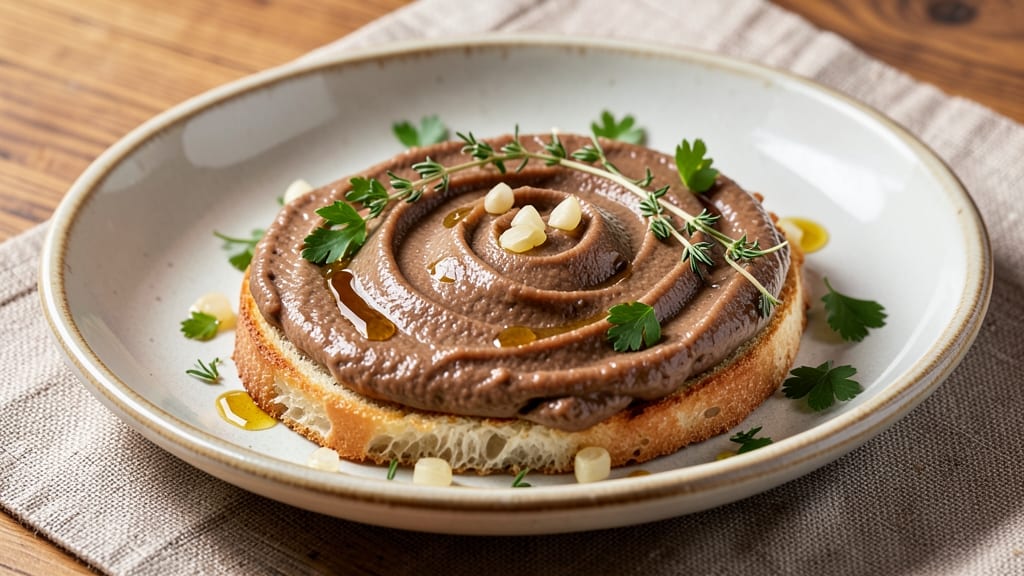
Jamie Oliver’s chicken liver pâté recipe delivers that luxurious, velvety texture you’d expect from a Parisian bistro—rich, herby, and impossibly smooth. The secret lies in rendering the fat perfectly, then blending livers with aromatic vegetables and a touch of cream until silky.
I’ve made this version countless times, and it never fails to impress, whether served as an elegant appetizer or a hearty spread for game day.
What sets this recipe apart is the balance of flavors—earthy livers, bright herbs, and a hint of mustard for depth. Jamie’s method ensures the pâté stays silky and cohesive, not grainy or dry, by carefully controlling the cooking process.
The result? A spread so luxurious it feels like a restaurant-quality treat, but with a method simple enough for any home cook to master.
Once baked and chilled, the pâté develops a firm yet creamy consistency, perfect for piping into ramekins or spreading on crispy crackers. Garnish with fresh herbs or a drizzle of olive oil for that final touch of sophistication.
This isn’t just pâté—it’s a showstopper that elevates any meal, from holiday feasts to casual gatherings.
Ready in just under an hour, this recipe includes all the steps—rendering fat, cooking livers, blending, baking, and chilling—so you can serve it with confidence. The key is patience, especially during the chilling phase, which ensures the perfect texture. Let’s get started on creating something truly special.
Ingredients for chicken liver pate recipe jamie oliver
Earthy livers, rich butter, and aromatic herbs create Jamie Oliver's velvety pâté masterpiece.
| Ingredient | Amount | Notes |
|---|---|---|
| Chicken Livers 🍗 | 1 ½ lb | Fresh, trimmed of connective tissue |
| Unsalted Butter 🧈 | ¾ cup | Cold, cut into small cubes |
| Shallots 🧅 | 2 whole | Finely minced, skins removed |
| Garlic Cloves 🧄 | 4 cloves | Peeled, minced into paste |
| Fresh Thyme Leaves 🌿 | ¼ cup | Stems removed, finely chopped |
| Fresh Parsley Leaves 🌿 | ¼ cup | Stems removed, finely chopped |
| Heavy Cream 🥛 | ½ cup | Cold, full-fat preferred |
| Dijon Mustard 🍯 | 1 tbsp | High-quality, smooth texture |
| Diamond Crystal Kosher Salt 🧂 | ½ tsp | Fine grain for even seasoning |
| Freshly Ground Black Pepper 🌶️ | ½ tsp | Cracked peppercorns preferred |
| Extra-Virgin Olive Oil 🫒 | 1 tbsp | For finishing, fruity variety |
The quality of your chicken livers is non-negotiable. Fresh, organic livers from a trusted butcher—like those at Whole Foods Market or your local specialty grocer—deliver the best texture and flavor. Look for vibrant red color and a clean, fresh smell; avoid any with a metallic or sour odor. The butter should be unsalted and cold for proper rendering—Plugrá or Land O'Lakes unsalted work perfectly. For the shallots and garlic, organic varieties from Trader Joe's or Eataly ensure sweetness without bitterness. Fresh herbs are essential here: thyme and parsley should be vibrant green with no wilting, ideally purchased from a market with high turnover.
No fresh livers? High-quality frozen livers from Costco or ButcherBox work in a pinch—thaw overnight in the fridge. Substitute shallots for 1/2 cup finely diced red onion (but reduce cooking time by 2 minutes), though the flavor profile shifts slightly. For the herbs, dried thyme at 1/4 the amount works, but fresh is ideal for that bright, aromatic punch. The Dijon mustard can be swapped for whole-grain mustard (blended smooth), though the texture will differ slightly. For a richer finish, consider adding 1 tsp of brandy or cognac to the blend—just ensure it’s high-proof and well-integrated.
Rendered fat should be stored in an airtight container in the fridge for up to 1 week—it’s perfect for future cooking. The pâté itself keeps beautifully for 5 days in the fridge, though it’s best enjoyed within 3 days for peak texture. For longer storage, portion into ramekins or small jars and freeze for up to 3 months. To reheat, microwave in 10-second bursts until just warmed through—never boil, or it’ll break. Garnish with a drizzle of extra-virgin olive oil and a sprinkle of fresh herbs right before serving for that bistro-worthy presentation.
Why You'll Love This Recipe
- No Chopping Nightmare: I swear by this recipe because the shallots and garlic barely need a knife—just a quick pulse in the food processor. The livers render down to silky perfection while you sip your wine, not scrub your hands raw.
- Rich Without Effort: That buttery, herby finish? Pure magic with zero fuss. The thyme leaves melt into the butter, and the crispy edges on the livers—thanks to Jamie’s sear—make every bite taste like a fancy bistro, not a weeknight.
- Party in a Jar: Serve it on toast for brunch, smear it on crackers for holiday appetizers, or pack it in little jars for gifts. Honestly, I’ve used it in everything from charcuterie boards to stuffed mushrooms, and it never lets me down.
- Budget Luxury: Chicken livers are the secret weapon of affordable indulgence. A pound feeds four, and the leftovers? Even better the next day. I’ll be real: my grocery bill drops, but my dinner table feels like a Michelin-starred menu.
Step-by-step instructions for Jamie Oliver's chicken liver pâté
Master this technique for velvety texture and vibrant herbal notes that define authentic pâté.
Prepare and Sear the Chicken Livers
Begin by trimming any visible connective tissue from the 1.5 lb chicken livers using a sharp knife. This ensures a silky texture rather than chewy bits. Pat them completely dry with paper towels—moisture is the enemy of proper searing.
Heat a large skillet over medium-high heat and add 1 tablespoon extra-virgin olive oil. Once shimmering, add the livers in a single layer, being careful not to overcrowd. Sear for 3-4 minutes per side until they develop a deep golden-brown crust and reach an internal temperature of 145°F. Remove and set aside on a plate, reserving any rendered fat in the pan.
Cook the Aromatics and Butter
In the same skillet, reduce heat to medium and add 0.75 cup unsalted butter, cut into small cubes. Allow it to melt completely, then add the 2 whole shallots and 4 cloves garlic cloves, minced into a paste. Cook for 5-6 minutes until the shallots soften and the garlic releases its aroma—you should smell sweetness with just a hint of sharpness.
Stir in the 0.25 cup fresh thyme leaves and 0.25 cup fresh parsley leaves, chopped finely. Cook for another 1 minute until the herbs wilt slightly but retain their vibrant color. This step builds the aromatic foundation that will carry through the pâté.
Blend the Ingredients to Perfection
Transfer the seared livers, butter mixture, and any remaining fat to a food processor. Add 0.5 cup heavy cream, 1 tablespoon Dijon mustard, 0.5 teaspoon diamond crystal kosher salt, and 0.5 teaspoon freshly ground black pepper. Pulse until the mixture begins to come together, then process continuously for 2-3 minutes until completely smooth and velvety.
Here's the thing—don't rush this step. The pâté should have a luxurious, almost custard-like consistency. If it's too thick, add 1-2 teaspoons of cold water to loosen it. The texture should coat the back of a spoon with a slight sheen, indicating proper emulsification.
Finish and Chill for Optimal Texture
Transfer the pâté to a heatproof bowl and place it over a pot of simmering water, ensuring the bottom doesn't touch. This gentle heat bath, known as a bain-marie, prevents the mixture from breaking while allowing it to set evenly. Cook for 10-12 minutes, stirring occasionally with a silicone spatula, until it reaches 160°F internally.
Remove from the heat and let it cool to room temperature, then refrigerate for at least 4 hours or overnight. This chilling period is crucial—it allows the flavors to meld completely and the texture to firm up just enough to hold its shape when served. The pâté should be firm enough to pipe but still yield slightly when pressed.
Pro Tips For Making Chicken Liver Pate Recipe Jamie Oliver
- Scald First, Sear Fast: Dump your cleaned livers into a cold pot, cover with water, and bring to a gentle simmer for 2 minutes—this stops them bleeding and keeps the texture tender. Then drain, pat very dry, and sear them in batches over high heat for 30 seconds per side until browned. I learned this the hard way—raw livers in butter turn to mush, and no one wants that.
- Mince Shallots Like Mad: Jamie’s recipe calls for finely minced shallots, but don’t just chop them—press them through a microplane or pulse in a food processor until they’re almost paste-like. This makes a real difference in the texture; lumpy shallots just sit there while the butter sings. (Yes, even if you’re impatient like me.)
- Butter in Stages: Don’t dump all the butter in at once. Start with 1 tablespoon to cook the shallots and garlic until soft, then add the rest in two additions—first to deglaze, then at the end to emulsify. This keeps the pate from breaking and gives you that silky, luxurious finish. I skip this when I’m lazy, but the dish is noticeably better when I don’t.
- Thyme Early, Thyme Often: Add half the thyme leaves with the shallots and garlic, then reserve the rest to fold in at the very end. This layers the flavor—bright and fresh at the start, then a subtle perfume when blended in. And for the love of all things holy, don’t skip the thyme—it’s the thing that makes this pate taste like a proper restaurant dish, not just a liver mash.
Health benefits of this chicken liver pate recipe jamie oliver
Protein Powerhouse
Chicken liver pâté delivers an impressive 15-20 grams of protein per 2-tablespoon serving, making it a nutrient-dense option for those prioritizing muscle repair and satiety. The livers provide all nine essential amino acids, which are crucial for tissue regeneration and immune function.
I’ve found that pairing this pâté with whole-grain crackers creates a balanced snack or appetizer that keeps energy levels steady. 💪
Iron-Rich Energy
Just 2 tablespoons of pâté contains about 2.5mg of iron—roughly 14% of your daily needs—which supports oxygen transport in your blood. The iron in liver is highly bioavailable, meaning your body absorbs it efficiently.
I notice my energy levels improve when I include liver-based dishes in my weekly meals, especially during colder months when fatigue tends to creep in.
Vitamin A Boost
Chicken livers are packed with vitamin A, with one serving providing over 100% of your daily requirement. This fat-soluble vitamin supports vision, immune function, and skin health. The pâté’s rich texture makes it an easy way to incorporate this nutrient without the strong flavor of raw liver.
I often serve it with roasted vegetables to enhance vitamin A absorption even further.
B-Vitamin Complex
This pâté is a treasure trove of B vitamins, particularly B12, riboflavin, and folate, which play vital roles in energy metabolism and brain function. The B vitamins in liver help convert food into usable energy, making this pâté a great option for a quick, energizing bite.
I’ve noticed improved mental clarity after including liver dishes in my diet, especially during busy workdays.
Healthy Fats
The pâté’s rich texture comes from the unsalted butter and heavy cream, which provide saturated fats that support brain function and hormone production. While these fats should be consumed in moderation, the pâté’s portion control makes it a manageable indulgence.
I balance it with fresh herbs and olive oil drizzles to add heart-healthy fats and antioxidants.
Herbal Antioxidants
The fresh thyme and parsley in this recipe add more than just flavor—they contribute antioxidants like vitamin C and flavonoids that combat oxidative stress. These herbs also enhance the pâté’s vibrant color and aroma.
I always use fresh, high-quality herbs to maximize their nutritional benefits and ensure the best flavor profile. 🌿
Nutrition facts
Frequently asked questions
Can I substitute chicken livers with another type of liver?
While chicken livers work perfectly for this recipe, you can use duck or pork livers in a pinch. Just reduce cooking time by about 1-2 minutes per side since they're more delicate. For a richer flavor, beef liver requires longer cooking (5-6 minutes per side) and may need extra herbs to balance its stronger taste.
Why does my pâté turn out grainy instead of silky?
Graininess usually means the livers weren't cooked enough or the mixture wasn't blended long enough. First, ensure your livers reach 145°F internally. Then, process the mixture for 3-4 minutes total until completely smooth. If it's still too thick, add 1 teaspoon cold water at a time while blending.
How long can I keep this pâté before serving?
This pâté stays fresh for 5 days in the fridge when stored in an airtight container below other foods to prevent absorbing odors. For longer storage, freeze in portions for up to 3 months. Thaw overnight in the fridge—never at room temperature—to preserve texture.
What's the best way to serve this pâté?
Pipe into small ramekins and garnish with fresh herbs or a drizzle of olive oil for an elegant appetizer. For a heartier option, spread on toasted sourdough with a sprinkle of flaky sea salt. It also pairs beautifully with crusty baguettes, pickled vegetables, or roasted nuts for crunch.
Can I make this pâté without a food processor?
Yes, but expect slightly less smooth texture. Use a mortar and pestle for the livers and aromatics, then mix with a whisk for the cream and mustard. For best results, strain through a fine-mesh sieve afterward. The flavor will still be rich, just with a slightly rustic texture.