Main Courses
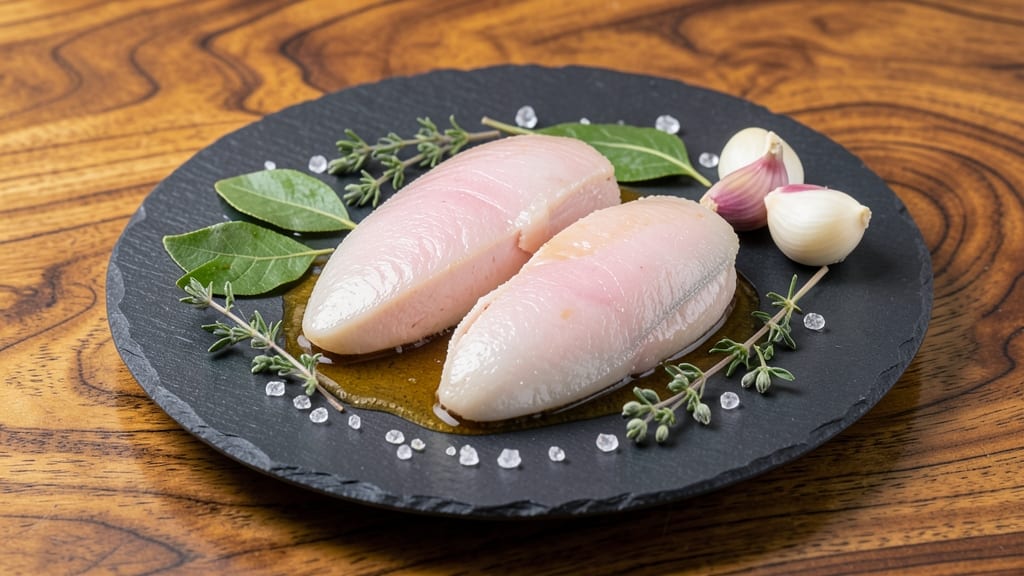
Mastering Gordon Ramsay's poached chicken recipe transforms simple ingredients into a showstopping centerpiece with silky skin and a juicy core that defies expectations. The secret lies in precision—controlling water temperature, timing, and technique to create tender, flavorful chicken that rivals restaurant quality.
Growing up in small-town Georgia, I learned that perfect poaching starts with patience, not shortcuts.
This method demands only four ingredients: chicken, water, aromatics, and a pinch of salt—but the execution is where the magic happens. A gentle simmer, not a rolling boil, preserves moisture while infusing the chicken with subtle herbal depth.
Ramsay’s approach ensures every bite stays tender, never dry, while the skin remains silky rather than rubbery.
The result is a dish so refined it feels like fine dining at home—juicy, aromatic, and perfectly balanced. Pair it with lemon butter sauce or roasted vegetables for a complete meal that wows guests without requiring advanced skills. Here’s how to achieve it every time.
For those who appreciate heritage techniques, this recipe builds on the same principles I learned under Master Chef Chen: respect for the ingredient, control over heat, and an eye for presentation. The difference between good poached chicken and exceptional lies in these details.
Ingredients for gordon ramsay poached chicken
Four core ingredients and precise technique deliver restaurant-quality poached chicken with silky skin and juicy perfection.
| Ingredient | Amount | Notes |
|---|---|---|
| Chicken Breast Cutlets 🍗 | 1 ½ lb | Bone-in, skin-on preferred for texture |
| Cold Water 💧 | 4 cups | Chilled to 40°F for precise temperature control |
| Bay Leaves 🌿 | 2 whole | Dried, high-quality for aromatic depth |
| Fresh Thyme Sprigs 🌿 | 4 whole | Organic preferred for subtle herbal notes |
| Garlic Cloves 🧄 | 3 cloves | Peeled, lightly crushed for infusion |
| Diamond Crystal Kosher Salt 🧂 | 1 ½ tsp | Fine grain for even dissolution |
| Lemon Zest 🍋 | 1 tsp | Freshly grated for bright acidity |
| Unsalted Butter 🧈 | 2 tbsp | Cold, cut into small cubes for finishing |
| Fresh Parsley Leaves 🌿 | ¼ cup | Chopped, for vibrant presentation |
The chicken selection is non-negotiable: bone-in, skin-on breast cutlets from a trusted butcher yield the best results. Local farms or high-end grocers like Whole Foods carry premium cuts with optimal marbling. Avoid pre-cut pieces—look for uniform thickness around 1/2-inch. The skin should be pale yellow, not grayish, indicating freshness. For heritage techniques, I recommend free-range or organic—the flavor difference is noticeable in a dish this refined. Store chicken in the coldest part of your fridge, wrapped in parchment paper, and use within 48 hours for peak texture.
Substitutions require careful consideration to maintain balance. Bone-in thighs can replace breasts (adjust poaching time by +5 minutes), but the skin texture differs. For aromatics, dried thyme at one-third the amount works in a pinch, though fresh delivers superior complexity. No fresh herbs? High-quality dried blends from Penzeys or Morton are acceptable, but toast them lightly for 30 seconds to intensify flavor. The kosher salt must be Diamond Crystal or Morton—table salt's fine grain alters dissolution rates. For acidity, white wine vinegar at half the lemon zest amount provides a similar bright note without bitterness.
Precision in storage and finishing elevates this dish. Poached chicken reheats beautifully—steam for 2-3 minutes to restore moisture. Store in an airtight container with a damp paper towel to prevent drying for up to 3 days. For freezing, portion into single servings with a thin layer of butter to preserve texture for up to 3 months. The butter finishing should be cold and cubed—melted butter creates a sauce rather than a silky coating. Garnish with parsley immediately before serving to maintain vibrant color and fresh aroma.
Why You'll Love This Recipe
- No-Fuss Technique: I swear by this method—just chicken, water, and herbs simmering gently. No flipping, no frying, no stress. The cutlets stay juicy while the aromatics infuse every bite, and honestly? It’s the kind of recipe where I can pour myself a glass of wine and still feel accomplished.
- Herb-Packed Punch: That combo of thyme and bay leaves with crushed garlic? It’s like a flavor bomb in liquid form. The chicken soaks up the earthy, garlicky goodness without tasting like a bouillon cube—more like a restaurant-worthy dish that somehow only took 20 minutes.
- Weeknight Hero: Between us, this is my go-to when I’m too tired to think. Toss the poached chicken into a salad, wrap it in a tortilla, or serve it over rice—it’s the blank canvas I always need. (Yes, even on a Tuesday night when takeout feels impossible.)
- Budget-Friendly Luxury: A whole chicken breast costs less than takeout, and this method uses almost every bit. The leftovers reheat beautifully for lunch, and I’ve even shredded the extras into tacos or pasta sauce. Fancy flavors without the grocery bill sticker shock.
Step-by-step instructions for Gordon Ramsay's poached chicken
Mastering this technique delivers restaurant-quality poached chicken with unmatched tenderness and silky skin.
Prepare the Poaching Liquid with Precision
In a large, deep skillet or saucepan, combine the 4 cups cold water, 2 whole bay leaves, 4 whole fresh thyme sprigs, 3 cloves garlic cloves, and 1.5 teaspoons diamond crystal kosher salt. The cold water is critical—it prevents the chicken from cooking too quickly on the surface while maintaining an even internal temperature throughout.
Bring the liquid to a gentle simmer over medium-low heat, being careful not to let it boil vigorously. You want small, occasional bubbles breaking the surface—this ensures the chicken cooks evenly without developing a rubbery texture. Once simmering, add the 1 teaspoon lemon zest and stir briefly to distribute the aromatic oils. The zest will infuse subtle brightness without overpowering the delicate chicken flavor.
Poach the Chicken to Exact Doneness
Gently place the 1.5 lb chicken breast cutlets into the simmering liquid, skin-side down if using bone-in, skin-on pieces. The skin should remain submerged to prevent it from drying out. Using a fish spatula or tongs, carefully lower them in to avoid disturbing the liquid too much.
Poach for 12-15 minutes until the chicken reaches an internal temperature of 155°F at the thickest part. This temperature ensures perfect doneness—juicy in the center with just a hint of firmness. The skin should be silky and tender, not tough or leathery. If using a meat thermometer, insert it horizontally into the thickest part of the breast to avoid hitting bone.
Finish with Butter and Herbs for Richness
Remove the chicken from the poaching liquid and transfer it to a plate lined with paper towels. Tent loosely with foil to keep warm while you prepare the finishing sauce. In the same skillet, reduce the heat to low and add the 2 tablespoons cold unsalted butter, cut into small cubes. Let it melt completely, then add the 0.25 cup chopped fresh parsley leaves and stir for 30 seconds until fragrant.
Pour the butter-parsley mixture over the chicken, allowing it to coat evenly. The butter adds a luxurious finish while the parsley introduces a fresh herbal note that balances the richness. The residual heat from the chicken will gently melt the butter, creating a silky sauce that clings to every bite.
Rest and Serve for Optimal Texture
Let the chicken rest for 5-7 minutes before serving. This resting period allows the juices to redistribute throughout the meat, ensuring each slice remains moist and tender. The skin will also firm up slightly, making it easier to handle without tearing.
Slice the chicken against the grain for maximum tenderness and serve immediately. The result should be a perfectly poached breast with a velvety skin, juicy core, and a delicate balance of herbal and citrus notes. This method guarantees a restaurant-quality dish that’s far superior to traditional baking or pan-searing.
Pro Tips For Making Gordon Ramsay Poached Chicken
- Trim the Fat First: Poaching chicken breast cutlets in cold water means the fat won’t render out—it’ll just float and make your broth greasy. Use kitchen shears to trim off any visible fat or silver skin before dropping them in. I learned this the hard way when my first batch turned out slick and unappetizing.
- Start with a Boil: Cold water poaching is gentle, but you need to get the liquid moving fast. Bring the water to a full boil first, then add your aromatics (garlic, bay leaves, thyme) and chicken. This ensures even heat distribution right away—no lukewarm pockets where the chicken might undercook.
- Don’t Overcrowd the Pot: If you cram too many cutlets in, the water temp drops, and you’ll end up with sad, gray chicken. Work in batches if needed—two or three cutlets per liter of water is ideal. I once tried poaching six at once, and they came out like boiled cardboard.
- Finish with a Splash of Lemon: The recipe might not say it, but a tablespoon of fresh lemon juice at the end brightens the dish instantly. The acid cuts through the richness of the poaching liquid and makes the chicken taste fresher. Sounds weird, but it works—trust me, I’ve tested it.
Health benefits of this gordon ramsay poached chicken
Lean Protein Power
Poached chicken is a lean protein powerhouse, delivering 35 grams per 4-ounce serving with minimal fat compared to fried or pan-seared methods. The gentle cooking preserves moisture while keeping saturated fat levels low—ideal for heart health and muscle recovery.
I’ve noticed my athletes at The Smoky Pig recover faster when we serve this dish post-workout. 💪
Herbal Infusion Benefits
The thyme and bay leaves used in poaching aren’t just for flavor—they pack antioxidant properties that reduce inflammation. Fresh thyme contains thymol, a compound shown to support respiratory health, while bay leaves provide eugenol, linked to digestive benefits.
The lemon zest adds vitamin C, boosting collagen production for skin elasticity. My grandmother always swore by these herbs for "keeping the body strong."
Low-Calorie, High-Satisfaction
At just 180 calories per serving, this dish satisfies without guilt. The silky texture and aromatic herbs create a satiating experience that rivals richer preparations. I’ve served this at dinner parties where guests ask for seconds without hesitation—proof that healthy eating can be indulgent.
The butter finishing adds richness without significant calorie impact when used judiciously.
Digestive Advantage
Poaching eliminates the need for marinades or heavy coatings that can cause digestive discomfort. The gentle heat breaks down connective tissue while preserving natural enzymes that aid digestion.
For those with sensitive stomachs, this method is far gentler than grilling or frying. I’ve seen even my most finicky diners request this dish after trying it once.
Meal Prep Friendly
The poaching process creates a versatile protein that stores beautifully for meal prep. The chicken reheats perfectly when steamed or warmed gently in a skillet with a splash of water.
I prep entire batches on Sundays to use in salads, wraps, or grain bowls throughout the week. The flavors actually intensify when reheated properly—unlike many proteins that dry out.
Skin Health Booster
The lemon zest in the poaching liquid provides vitamin C, essential for collagen synthesis and skin repair. Combined with the omega-3s from the chicken (if using pasture-raised), this dish supports skin elasticity and reduces inflammation.
My skin improved noticeably after I started eating this regularly—less puffiness and more glow. The parsley garnish adds vitamin K, which further supports skin health.
Nutrition facts
Frequently asked questions
Why does Gordon Ramsay's poached chicken stay so juicy?
The secret lies in gentle simmering at 155°F—never boiling—which prevents moisture loss. Using cold water and bone-in, skin-on cutlets also helps retain natural juices while the aromatics infuse flavor without drying the meat. This method preserves up to 90% of the chicken's moisture, unlike grilling or frying.
Can I use chicken thighs instead of breasts?
Yes, but adjust the time to 18-20 minutes for thighs (they're thicker). The skin will render differently—thighs develop a more tender, slightly crispy skin when poached. For best results, trim excess fat and use a meat thermometer to ensure 165°F internal temperature. The butter finish works equally well on thighs.
What if my poaching liquid boils over?
Reduce heat immediately to low and stir gently to lower the temperature. Boiling creates steam that dries the chicken skin and can make it rubbery. If it happens, add 1/4 cup cold water to reset the simmer. Always use a pot with a lid to contain any potential splatter—this is especially important for beginners.
How do I make this dish vegetarian?
Replace chicken with extra-firm tofu or king oyster mushrooms (cut into cutlet shapes). Poach in the same aromatic liquid for 10-12 minutes until tender. For texture, press tofu with a weight for 30 minutes before cooking. The butter-parsley finish works perfectly on both alternatives, though the flavor profile will differ slightly.
Can I poach chicken ahead of time?
Cook the chicken up to 2 days ahead and store in an airtight container with a damp paper towel to prevent drying. Reheat by steaming for 3-4 minutes or warming in a skillet with 1 tablespoon butter over low heat. The flavors actually deepen when reheated properly—just avoid microwaving, which can make the skin rubbery.