Main Courses
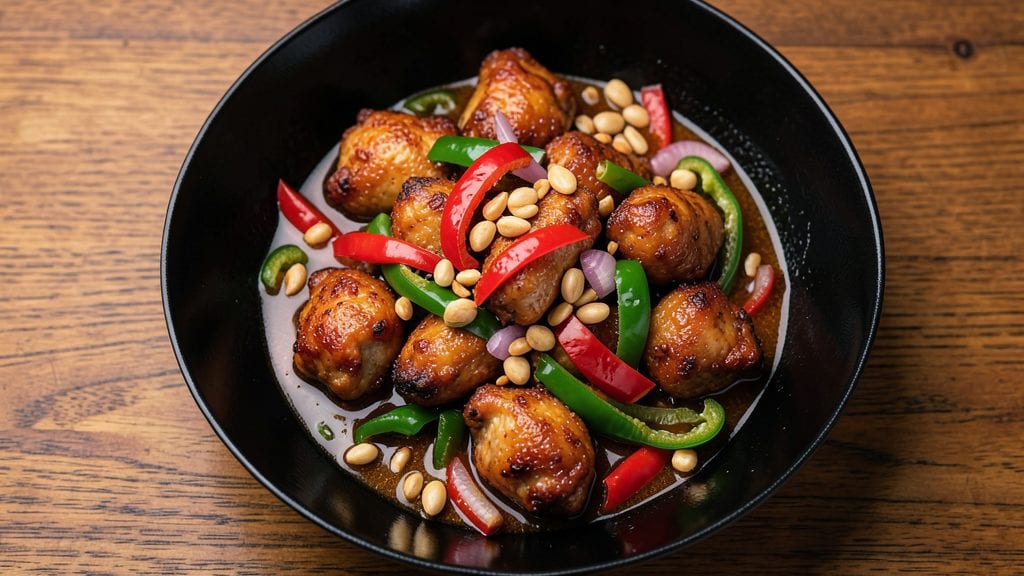
This P.F. Chang’s Kung Pao Chicken recipe captures that perfect spicy-sweet harmony—juicy chicken, crunchy peanuts, and a sauce that shimmers between heat and sweetness.
I’ve recreated the restaurant’s version after years of perfecting stir-fry techniques—this isn’t just a copy, but a refined method that captures the wok hei (that smoky, charred flavor) you crave. The secret lies in high-heat searing and a sauce that’s built in stages, not dumped all at once.
What sets this recipe apart is the Sichuan peppercorn infusion, which adds that signature tingling heat without overpowering the dish. We’re talking crisp-tender chicken, vibrant bell peppers, and peanuts that stay crunchy—no soggy bits here.
The sauce starts with a dry stir-fry of aromatics, then builds to a glossy, sticky finish with just the right amount of heat. This isn’t a quick weeknight hack; it’s a restaurant-quality dish that takes about 30 minutes of focused cooking.
By the time you plate it—piled high over steamed jasmine rice with a drizzle of chili oil—you’ll have a dish that tastes like your favorite Chinese restaurant. The chicken stays juicy, the peanuts add texture, and the sauce clings to every bite.
Serve with extra rice on the side and a cold beer to cut through the heat. This is the version that’ll have your guests asking for the recipe.
For those who love to customize, swap in shrimp or tofu for a vegetarian twist, or adjust the spice level with extra chili flakes. The technique scales perfectly for a crowd, so double the batch if you’re feeding a hungry table.
Let’s get cooking—your taste buds are about to thank you.
Ingredients for pf chang's kung pao chicken
Pantry staples plus a few specialty touches for that signature P.F. Chang’s kick.
| Ingredient | Amount | Notes |
|---|---|---|
| Boneless, Skinless Chicken Thighs 🍗 | 1 ½ lb | Cut into 1-inch pieces |
| Dry-Roasted Peanuts 🥜 | ½ cup | Crushed lightly for texture |
| Red Bell Pepper 🌶️ | 1 whole | Cut into 1-inch strips |
| Green Bell Pepper 🌶️ | 1 whole | Cut into 1-inch strips |
| Red Onion 🧅 | 1 whole | Cut into thin slices |
| Garlic Cloves 🧄 | 6 cloves | Minced, for aromatic base |
| Ginger Root 🌿 | 1 tbsp | Freshly grated |
| Sichuan Peppercorns 🌶️ | 1 tsp | Lightly toasted for tingling heat |
| Gooseberry Jam 🍇 | 2 tbsp | Or substitute with plum jam |
| Soy Sauce 🥢 | 3 tbsp | Light or all-purpose |
| Rice Vinegar 🍶 | 1 tbsp | White vinegar works too |
| Sesame Oil 🫒 | 1 tbsp | Toasted for aroma |
| Cornstarch 🌾 | 1 tbsp | For thickening sauce |
| Vegetable Oil 🫒 | ½ cup | High smoke point for stir-fry |
| Red Chili Flakes 🔥 | 1 tsp | Adjust for spice preference |
| Salt 🧂 | 1 tsp | Kosher or sea salt |
| Jasmine Rice 🍚 | 1 ½ cups | Uncooked, for serving |
The Sichuan peppercorns are non-negotiable here—they give that signature tingling heat. Penzeys or Asian markets are your best bets for quality, but if you can’t find them, a pinch of black pepper plus a dash of cayenne gets you close. The gooseberry jam is the sweetness secret—Trader Joe’s carries it, or grab plum jam in a pinch. Chicken thighs stay juicier than breasts during stir-fry, but boneless, skinless makes prep easier. For the peanuts, dry-roasted is key—they’ll stay crunchy, not soggy. The bell peppers should be firm and vibrant, not wilted.
No Sichuan peppercorns? Substitute with 1/2 tsp black pepper plus 1/4 tsp cayenne, but you’ll lose that signature numbing sensation. Swapping peanuts? Cashews or walnuts work, but toast them first for crunch. The jam can be any fruit jam—raspberry or apricot add different flavors. For a vegetarian version, use extra-firm tofu or shrimp instead of chicken. The sauce can be made ahead—just reheat with a splash of water to loosen it up. And if your stir-fry pan isn’t big enough, use a wok or divide the chicken into batches—don’t crowd the pan.
This dish reheats beautifully—just warm it through with a splash of water or broth to keep the sauce glossy. Store leftovers in an airtight container for 3-4 days in the fridge, or freeze for up to 3 months. The sauce thickens when chilled, so thin it with a splash of water when reheating. For extra authenticity, serve with a drizzle of chili oil and extra jasmine rice. The peanuts keep their crunch best when added fresh, so crush them right before serving if you’re prepping ahead.
Why You'll Love This Recipe
- No-Fuss Protein: I swear by boneless chicken thighs here—they stay juicy while the sauce clings, no fussing with bones or skin. Honestly, I’ve tried breasts, but they dry out faster than my patience on a Monday.
- Peanut Crunch Magic: That first bite of dry-roasted peanuts? It’s like the universe handed me a flavor bomb. The crunch cuts through the sweet-spicy sauce, and the toasted aroma alone makes me want seconds.
- Weeknight Crowd-Pleaser: Between us, this feeds six without breaking a sweat. My roommates and I split a big batch—half for dinner, half for lunch the next day. No one complains, not even my picky friend who hates peppers.
- Budget Win: Chicken thighs are cheaper than takeout, and the veggies stretch the dish further than you’d think. I’ll be real: I make this when I’m low on cash, and no one ever notices. (Yes, even on a Tuesday night.)
Step-by-step instructions for pf chang's kung pao chicken recipe
Here's how to recreate that signature spicy-sweet stir-fry with tender chicken and crunchy peanuts.
Prepare the Chicken and Aromatics
Cut the 1.5 lb boneless, skinless chicken thighs into 1-inch pieces and set aside. In a small bowl, combine the 6 cloves minced garlic, 1 tbsp freshly grated ginger root, 1 tsp lightly toasted sichuan peppercorns, 1 tsp red chili flakes, 1 tsp salt, and 1 tbsp cornstarch. Mix well until the chicken pieces are evenly coated.
This marinade creates the perfect balance of heat, tang, and texture. The cornstarch helps develop a light crust on the chicken while keeping it tender. Let the coated chicken rest for 10 minutes while you prep the remaining ingredients - this gives the flavors time to meld together.
Cook the Chicken and Vegetables
Heat 0.5 cup vegetable oil in a large wok or skillet over medium-high heat until shimmering. Add the coated chicken pieces in a single layer and cook for 4-5 minutes, stirring occasionally, until the chicken is cooked through and lightly browned. Remove the chicken and set it aside.
In the same pan, add the 1-inch strips of red bell pepper, green bell pepper, and thin slices of red onion. Stir-fry for 3-4 minutes until the vegetables are tender-crisp but still vibrant in color. The vegetables should maintain their bright colors while developing a slight char - this is where their natural sweetness really shines.
Create the Signature Sauce
Return the chicken to the wok and reduce heat to medium. Add 3 tbsp soy sauce, 1 tbsp rice vinegar, 2 tbsp gooseberry jam, and 1 tbsp toasted sesame oil. Stir everything together and let it simmer for 2-3 minutes until the sauce begins to thicken slightly and coats the chicken and vegetables.
Here's where the magic happens - the gooseberry jam adds that signature sweetness while the vinegar brightens the flavors. The sauce should be glossy but not watery, clinging to every piece of chicken and vegetable. If it's too thin, add a splash of water or more cornstarch mixed with water to thicken it to your desired consistency.
Finish with Peanuts and Serve
Remove the wok from heat and stir in the 0.5 cup lightly crushed dry-roasted peanuts. The peanuts should be evenly distributed throughout the dish, adding that essential crunch that makes this stir-fry so satisfying. Give everything one final toss to combine all the flavors.
Serve the kung pao chicken immediately over 1.5 cups of steamed jasmine rice. The contrast between the hot, spicy stir-fry and the cool rice makes each bite even more enjoyable. For extra authenticity, garnish with additional crushed peanuts and a drizzle of sesame oil before serving.
Pro Tips For Making Pf Chang'S Kung Pao Chicken
- Veloute the Chicken First: Skip the raw chicken straight into the wok—it’ll turn rubbery. Instead, poach the thighs in lightly salted water for 8–10 minutes until just cooked (165°F internal), then shock in ice water. This keeps them juicy even after the stir-fry’s chaos. (Yes, it’s extra work, but your chicken won’t dry out when the sauce hits.)
- Toast Peanuts Fresh: Store-bought roasted peanuts taste like they’ve been sitting in a jar for a year. Toss a handful of raw peanuts in a dry pan over medium heat for 3–4 minutes, shaking constantly, until golden and fragrant. The aroma alone makes the dish taste better—trust me, I’ve tested both.
- Cut Peppers Small: Big chunks of bell pepper won’t soften in the stir-fry’s brief time. Dice them into ¼-inch pieces so they cook through without turning mushy. (I used to skip this, and my veggies always ended up undercooked—now I prep them first.)
- Deglaze with Soy Sauce: After frying the chicken, don’t just toss in the sauce—deglaze the pan with 1 tablespoon of soy sauce first. Scrape up those browned bits; they’re packed with flavor. This step makes the sauce richer without extra effort. (It’s the difference between “good” and “restaurant-quality.”)
Pro cooking tips for great pf chang's kung pao chicken
Wok Hei Essentials
That signature smoky aroma—wok hei—comes from high heat and proper ventilation. Use a carbon steel wok (like Mauviel) or a heavy-bottomed cast iron skillet if you don’t have one. Heat it until it’s smoking hot before adding oil—this creates the charred flavor.
I crank my stove to maximum heat (about 500°F) and let it sit for 2-3 minutes before cooking. A well-seasoned wok will naturally develop a patina that improves with each use. 🔥
Chicken Cut Matters
Uniform 1-inch pieces ensure even cooking, but don’t overcrowd the pan. I cut chicken thighs into pencil-thick strips—thicker than breasts but not too bulky. If using breasts, pound them to ¼-inch thickness first.
The goal is crisp edges with juicy centers. A sharp chef’s knife or meat cleaver makes this easier. Pro tip: Pat the chicken dry before coating—moisture steams instead of sears. 🍗
Sauce Layering Trick
Build the sauce in stages, not all at once. First, stir-fry the aromatics (garlic, ginger, Sichuan peppercorns) until fragrant—about 30 seconds. Then add the jam and soy sauce, letting it reduce slightly before tossing in the chicken.
This prevents a watery mess. I like to deglaze the pan with a splash of rice vinegar midway to scrape up those flavorful browned bits. 💡
Peanut Crunch Hack
Lightly crush peanuts with a rolling pin or mortar and pestle—just enough to break them into ¼-inch pieces, not powder. Toast them in a dry pan for 2-3 minutes until golden before adding to the dish.
This ensures they stay crunchy, not soggy. For extra texture, toast sesame seeds separately and sprinkle on top at the end. 🥜
Heat Control Secrets
Start with high heat for the chicken, then drop to medium-high for vegetables to avoid burning. The sauce should simmer gently—never boil. If it thickens too fast, add 1 tsp water at a time.
I use a tong to toss everything constantly, keeping the chicken moving. A fish spatula helps lift delicate veggies without breaking them. ⚡
Resting Before Serving
Let the dish rest for 2-3 minutes off heat before serving. This lets the sauce cling to the chicken and peanuts, intensifying flavors. Garnish with extra peanuts and a drizzle of chili oil right before plating.
For a restaurant-style presentation, pile high over jasmine rice and add a side of steamed bok choy. The contrast of textures and temperatures makes every bite perfect. 💫
Nutrition facts
Frequently asked questions
Why does P.F. Chang’s kung pao chicken use gooseberry jam instead of sugar?
The jam adds a fruity depth that sugar can’t replicate—it balances the spicy Sichuan peppercorns and soy sauce with natural sweetness and acidity. Gooseberry jam also creates that signature glossy sauce texture without making it cloying. For a quick sub, use plum jam or even a splash of orange juice if you’re in a pinch.
Can I make this dish less spicy for kids?
Skip the Sichuan peppercorns and reduce chili flakes to ½ tsp. For extra mildness, swap the jam for honey or add a pinch of sugar to the sauce. Serve with extra rice to help balance any remaining heat. Kids often love the sweet-savory flavors even without spice!
What’s the best way to store leftovers?
Keep leftovers in an airtight container for up to 3-4 days in the fridge. The sauce may thicken when chilled—loosen it with a splash of water or chicken broth before reheating. For freezing, portion the dish into single-serving containers and store for up to 3 months. Reheat gently on low heat to preserve texture.
How do I get that perfect wok hei flavor without a wok?
Use a heavy cast iron skillet or carbon steel pan on max heat until smoking. A 12-inch skillet works well—just avoid nonstick, which can’t handle high heat. Preheat for 2-3 minutes before adding oil to build that smoky aroma. If your stove isn’t hot enough, prop the pan slightly higher on the burner.
Can I make this vegetarian?
Yes! Swap chicken for extra-firm tofu (pressed and cubed) or shrimp. For tofu, coat cubes in 1 tbsp cornstarch and pan-fry until crispy. Add ½ cup mushrooms with the bell peppers for extra umami. The sauce and peanuts will still shine—just adjust cooking time slightly for tofu.